Overview

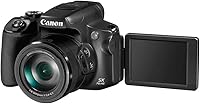
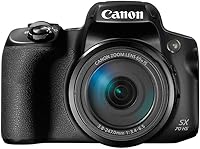
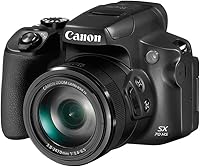
The Canon PowerShot SX70 HS Digital Camera sits in an interesting spot in the camera market — it's the kind of all-in-one bridge camera that lets you leave a bag full of lenses at home. For hobbyists and semi-professionals who want serious zoom reach without the complexity of interchangeable lens systems, this bridge camera makes a compelling case. It sits near the top of Canon's PowerShot lineup in zoom capability, and the body reflects that ambition — shaped like a DSLR, weighing around 610 grams, and purposeful in hand, even if it's not compact by any stretch.
Features & Benefits

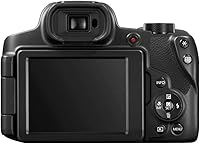
The headline feature is obvious the moment you zoom in: 65x optical zoom covering a 3.8–247mm focal range means you can shoot a bird perched across a lake or a player at the far end of a pitch without moving a step. The 21.1MP CMOS sensor handles well-lit scenes with solid detail, though the 1/2.3-inch sensor size does have its ceiling in low light — something worth knowing upfront. A tilting 3-inch LCD pairs with a 0.65x electronic viewfinder for flexible composition. Hybrid autofocus with 11 points and continuous-servo mode keeps moving subjects reasonably sharp, and 10fps burst shooting means you're not left behind when the action picks up.

Best For

Wildlife enthusiasts and birders are probably the most natural audience for the SX70 HS — when your subject is 50 meters away and won't wait around, extreme zoom reach matters more than pixel-perfect low-light performance. Travelers who dislike juggling multiple lenses will appreciate having one body that covers wide landscapes and tight close-ups equally well. Aspiring photographers moving up from basic point-and-shoot cameras will find the manual exposure controls genuinely useful for learning. Action and sports shooters on a tighter budget will also find the 10fps burst rate and continuous autofocus practical, if not class-leading. It's a capable generalist, not a narrow specialist.

User Feedback

Among the 281 ratings averaging 4.2 stars, the zoom range draws consistent praise — many buyers mention landing sharp shots of distant birds or athletes they couldn't have reached with any other single-body camera. The tilting LCD screen earns frequent positive mentions for making awkward shooting angles far more manageable. On the other side of the ledger, battery life comes up often enough to take seriously: carrying a spare is genuinely recommended. Some buyers feel the plastic construction doesn't quite match expectations at this price point, and a handful note image sharpness drops noticeably at maximum zoom in dim conditions. Solid camera, real trade-offs.

Pros

  • 65x optical zoom delivers shooting range that almost no other single-body camera at this price can match.
  • Wildlife and sports photographers can track distant, fast-moving subjects without changing lenses mid-shoot.
  • The tilting 3-inch LCD makes low-angle and overhead shots far less awkward to frame and review.
  • Built-in Wi-Fi and Bluetooth let you transfer images to a phone quickly without hunting for a cable.
  • 10fps continuous burst shooting gives you a real chance of capturing the decisive moment in action scenes.
  • Manual exposure controls offer genuine learning room for photographers who want to grow their skills.
  • The electronic viewfinder is a practical fallback in bright sunlight when the LCD becomes hard to read.
  • At 610 grams, it's not ultralight, but it balances well in hand for extended shooting sessions.
  • Supports SD cards up to 128GB with UHS-I and V30 ratings, so fast, high-capacity storage is not a bottleneck.
  • A 4.2-star average across hundreds of real-world buyers reflects consistent satisfaction with its core purpose.

Cons

  • Image sharpness drops noticeably at maximum zoom in low-light or overcast conditions.
  • Battery life is short enough that a full day of shooting almost demands carrying a spare battery.
  • The plastic body construction feels less solid than the price point might lead you to expect.
  • The 1/2.3-inch sensor struggles with noise in anything other than well-lit environments.
  • No RAW file support means post-processing flexibility is limited to what JPEG allows.
  • Video tops out at 1080p — buyers hoping for 4K recording will need to look elsewhere.
  • Autofocus can hesitate and hunt when tracking erratically moving subjects at longer zoom lengths.
  • The electronic viewfinder resolution, while useful, is noticeably lower quality than optical viewfinders on comparable-priced cameras.
  • Wi-Fi and Bluetooth connectivity works, but the companion app experience is not particularly polished or intuitive.

Ratings

The scores below for the Canon PowerShot SX70 HS Digital Camera were generated by our AI system after analyzing verified buyer reviews from multiple global markets, with spam, incentivized, and bot-flagged submissions actively filtered out before scoring. Each category reflects the honest distribution of real user sentiment — both the genuine strengths and the recurring frustrations that show up across hundreds of independent reviews. Nothing has been softened or inflated to make the product look better than the evidence supports.
Zoom Range & Reach
94%
The 65x optical zoom is consistently the single most praised feature across reviewer pools. Birders and wildlife enthusiasts describe landing crisp shots of distant subjects — herons across ponds, raptors mid-flight — that would have been physically impossible with any other single-body camera at this price tier.
A handful of reviewers note that at the extreme end of the zoom range, even minor hand tremors cause visible blur, especially without a support like a monopod. In lower light, maximum zoom reach becomes largely theoretical rather than practically usable.
Daytime Image Quality
78%
22%
In good natural light, the 21.1MP sensor produces images with pleasing detail and accurate color that hold up well for large prints and social sharing. Travelers shooting cityscapes and landscapes in daylight consistently rate the output as strong for a camera in this category.
Fine detail resolution at the pixel level is noticeably softer than what comparably priced mirrorless sensors deliver. Users who pixel-peep or crop heavily will find the 1/2.3-inch sensor's limits faster than those who view images at normal sizes.
Low-Light Performance
51%
49%
At base ISO settings in controlled indoor lighting, the camera can produce acceptable results for casual documentation — family gatherings in well-lit rooms, for example. The hybrid autofocus does at least attempt to lock on in dim environments rather than giving up entirely.
Low-light shooting is a genuine weak point that comes up repeatedly in user feedback. Noise becomes obvious above ISO 400, and at longer zoom distances in overcast or evening conditions, images frequently come back soft and grainy — a direct consequence of the small sensor size.
Autofocus Performance
72%
28%
Continuous-servo autofocus with 11 points handles predictably moving subjects — a jogger on a path, a bird perched momentarily — reasonably well, and users shooting youth sports events report enough keeper shots to make the system feel reliable in straightforward scenarios.
Tracking erratically moving subjects, such as birds changing direction in flight, pushes the autofocus beyond its comfort zone, with hunting and hesitation becoming noticeable. Reviewers comparing it to mirrorless AF systems consistently note it falls short when subjects behave unpredictably.
Burst Shooting
76%
24%
Ten frames per second is a genuinely useful burst rate for action photographers who need to capture a sequence and pick the sharpest frame. Sports and wildlife shooters mention it meaningfully increases the odds of nailing a peak-action moment compared to slower burst cameras.
Buffer depth limits how long you can sustain the burst before the camera slows to clear the card. Reviewers using slower SD cards report noticeable pauses mid-action sequence, and the JPEG-only output means post-processing latitude on the keepers is limited.
Battery Life
46%
54%
The battery is compact enough that carrying a second one adds almost no weight or bulk to a camera bag. Users who pack a spare report being able to get through a full safari day or a long travel shoot without anxiety about running out of power.
Battery life is among the most frequently cited frustrations in verified reviews, with heavy zoom and LCD use draining a single charge faster than most users expect. A full day of active shooting on one battery is not realistic for most people, and the camera does not support USB charging in the field.
Tilting LCD Screen
82%
18%
The 3-inch tilting screen earns consistent positive mentions from users who shoot at unconventional angles — getting low for wildlife at ground level, shooting over crowds, or composing landscape shots from a tripod without hunching over. It adds real practical flexibility.
The screen does not fully articulate, so it won't flip forward for selfie-style shooting or fully reverse for vlogging setups. Outdoor use in direct sunlight can make the LCD hard to read even at maximum brightness, which is where the electronic viewfinder becomes important.
Electronic Viewfinder
68%
32%
Having an EVF at all in this camera class is a welcome inclusion, and users working in bright sunlight appreciate being able to bring the camera to their eye and compose without LCD glare. It also helps with stability when shooting at long zoom distances.
The EVF resolution is noticeably lower than what higher-end bridge or mirrorless cameras offer, and some users describe it as appearing slightly soft or laggy compared to an optical viewfinder experience. It is a useful backup tool rather than a primary composing experience.
Build Quality & Materials
57%
43%
The DSLR-inspired grip shape is comfortable for extended hand-holding sessions, and the button and dial layout feels purposeful rather than cluttered. The overall ergonomics receive more praise than the materials themselves.
Multiple reviewers specifically call out the plastic construction as feeling underwhelming given the price asked. There is no weather sealing of any kind, which means rain, dust, and splashes are legitimate concerns on outdoor shoots — a real limitation for its core wildlife and travel audience.
Video Capability
63%
37%
1080p MP4 video covers casual use cases well — travel documentation, family events, YouTube-style content where broadcast quality is not required. The zoom range gives videographers compositional flexibility that dedicated video cameras at this price rarely offer.
The absence of 4K recording is increasingly difficult to justify at this price tier as 4K becomes standard even in budget cameras. There is no external microphone input, so audio quality is limited to the built-in microphone, which picks up handling noise during zoom adjustments.
Wi-Fi & Bluetooth
66%
34%
Wireless transfer of selected images to a smartphone via the Canon Camera Connect app works reliably once set up, and the ability to use a phone as a remote shutter release is a genuine convenience for tripod shooting or self-portraits in the field.
The initial pairing setup is more involved than it should be, and several reviewers report the Bluetooth connection dropping and requiring re-pairing. The companion app itself feels dated and less intuitive than smartphone camera apps users are already familiar with.
Ease of Use
79%
21%
The automatic shooting modes handle exposure competently enough that a beginner can pick this camera up and get decent results immediately. The physical layout — real dials, a proper grip, a dedicated zoom lever — makes the transition from a smartphone feel natural and rewarding.
The menu system follows Canon's established but aging interface, which can feel deep and non-intuitive for users who are new to the brand. Customization options, while present, require time investment to configure, and the manual is not particularly welcoming to first-time camera buyers.
Connectivity & Transfer
71%
29%
HDMI output for direct TV playback is a convenient inclusion for reviewing images on a larger screen, and the USB port handles wired transfer reliably when wireless feels slow. Having multiple transfer options gives users flexibility depending on their workflow.
USB transfer speeds are adequate but not fast, and the single USB port does not support in-camera charging — a frustration for travelers who prefer to minimize the number of chargers and cables they carry. There is no NFC for quick one-tap pairing with Android devices.
Value for Money
67%
33%
For buyers whose primary need is maximum zoom reach in a single body without the cost of a telephoto lens system, the SX70 HS offers a compelling return. Wildlife photographers and birders who have priced out the alternatives often conclude this camera delivers more zoom per dollar than any realistic competitor.
At this price point, entry-level mirrorless cameras with a kit zoom lens are a direct and legitimate alternative, offering better sensor performance and a growth path through additional lenses. Buyers who discover that trade-off after purchase frequently express that they wished they had compared more carefully before deciding.

Suitable for:

The Canon PowerShot SX70 HS Digital Camera is built for anyone who needs serious zoom reach in a single, carry-anywhere body. Wildlife photographers and birders will get the most out of it — when your subject is a hawk perched 100 meters away or a deer at the edge of a field, having a 65x optical zoom means you can actually get the shot rather than watching it disappear. Travelers who hate the weight and complexity of interchangeable lens kits will find this superzoom camera covers everything from wide cityscapes to tight architectural details without swapping a thing. It also works well for parents shooting youth sports, casual safari-goers, or anyone attending events where you can't get close to the action. Photographers upgrading from a basic point-and-shoot will appreciate having real manual controls available as their skills grow, without being forced into the deep end immediately.
Not suitable for:

Buyers expecting DSLR or mirrorless image quality — especially indoors or after dark — should think carefully before committing to this bridge camera. The 1/2.3-inch sensor is a real constraint: it performs reasonably in bright daylight, but low-light shots, particularly at longer zoom distances, will show noise and softness that more advanced sensors handle much better. Studio photographers, portrait shooters, or anyone whose work depends on shallow depth-of-field and bokeh will find the smaller sensor limiting regardless of conditions. If build quality and material feel matter to you, this superzoom camera's plastic construction may feel underwhelming relative to what you're paying. And if you're already invested in a mirrorless system with a good telephoto lens, the practical advantages of switching to a bridge body are slim — at this price tier, an entry-level mirrorless with a zoom lens is a legitimate alternative worth comparing directly.

Specifications

  • Sensor: The camera uses a 21.1MP CMOS sensor measuring 1/2.3 inches, which delivers good detail and color accuracy in well-lit conditions.
  • Optical Zoom: A 65x optical zoom covers a focal range of 3.8–247mm, allowing photographers to capture subjects at considerable distances without changing lenses.
  • Viewfinder: An electronic viewfinder with 0.65x magnification provides a bright, usable alternative to the rear LCD in outdoor or bright-light conditions.
  • LCD Screen: The rear display is a 3-inch tilting LCD with a maximum resolution of 21.1 megapixels output, making angled and low-level shots easier to compose.
  • Autofocus: Hybrid autofocus with 11 points and continuous-servo AF mode is designed to track and lock onto moving subjects across a range of shooting scenarios.
  • Burst Speed: The camera shoots at up to 10 frames per second in continuous mode, suitable for capturing fast-moving subjects such as birds in flight or athletes.
  • Video: Video recording is supported at 1080p resolution in MP4 format, with a built-in microphone for basic audio capture.
  • ISO Range: The native ISO range runs from 100 to 1600, with expanded settings available, though noise becomes more visible toward the upper end.
  • Shutter Speed: The maximum shutter speed reaches 1/2000 of a second, enabling sharp freezing of fast action in adequate lighting.
  • Memory: A single SD card slot supports cards up to 128GB, with compatibility for UHS-I speed class and V30 video speed class cards.
  • Connectivity: Built-in Wi-Fi and Bluetooth allow wireless image transfer to a smartphone and enable remote camera control via the Canon Camera Connect app.
  • Video Output: An HDMI output port allows the camera to connect directly to a television or external monitor for image and video playback.
  • File Format: Still images are saved as JPEG files; the camera does not support RAW capture, which limits flexibility in post-processing.
  • Battery: The camera is powered by a rechargeable lithium-ion battery pack, which is included in the box along with a neck strap.
  • Body Weight: The camera body weighs approximately 610 grams including battery and memory card, which is typical for a bridge-style camera body.
  • Form Factor: The SX70 HS uses a bridge camera form factor, resembling a DSLR in grip and shape but housing a fixed, non-interchangeable lens.
  • Aperture Range: The lens aperture ranges from f/3.4 at the wide end to f/6.5 at full telephoto, which affects exposure and depth of field across the zoom range.
  • Aspect Ratio: The camera shoots stills at a 3:2 aspect ratio, which is standard for most digital cameras and compatible with common print sizes.
  • Shooting Modes: Available shooting modes include full automatic, manual exposure control, sports mode, and movie mode, covering a broad range of user experience levels.
  • Audio Input: A built-in microphone handles audio recording for video, though no external microphone input jack is available on this model.

Related Reviews
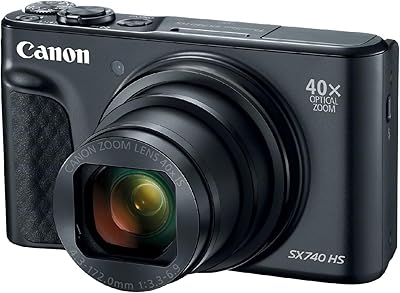
Canon PowerShot SX740 HS Point-and-Shoot Camera
73%
93%
Zoom Range
74%
Image Quality
52%
Low-Light Performance
47%
Battery Life
94%
Portability
More
Canon PowerShot G10 Point-and-Shoot Camera
68%
84%
Image Quality
88%
Build Quality
91%
Control Layout
89%
RAW File Performance
47%
Low-Light Performance
More
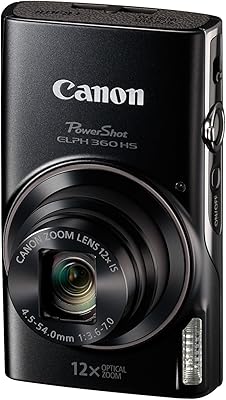
Canon PowerShot ELPH 360 Digital Camera
72%
84%
Image Quality in Daylight
51%
Low-Light Performance
89%
Zoom Range & Versatility
77%
Image Stabilization
38%
Battery Life
More
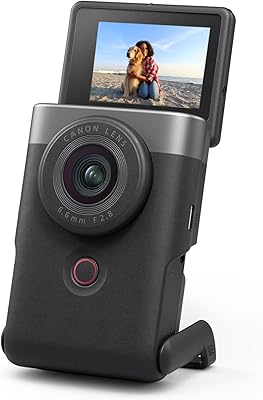
Canon PowerShot V10 Vlogging Camera
77%
86%
Video Quality
89%
Audio Performance
93%
Portability & Form Factor
82%
Built-in Stand
78%
Image Stabilization
More
Canon PowerShot ELPH 510 HS Digital Camera
71%
88%
Zoom Range & Reach
83%
Daylight Image Quality
51%
Low-Light Performance
81%
Video Quality
91%
Ease of Use
More
Canon EOS 40D Digital SLR Camera
72%
91%
Build Quality
83%
Autofocus Performance
88%
Continuous Shooting
79%
Image Quality
84%
Battery Life
More
Canon EOS 70D
Canon EOS 70D
82%
91%
Autofocus Performance
87%
Image Quality
78%
Video Capability
83%
Build Quality & Ergonomics
88%
Battery Life
More
Canon EOS 7D Mark II
82%
93%
Autofocus Performance
88%
Continuous Shooting & Buffer
91%
Build Quality & Weather Sealing
86%
Image Quality (Base ISO)
67%
High-ISO & Low-Light Performance
More
myFirst Camera 3 Kids Digital Camera
72%
76%
Image Quality (Daylight)
51%
Low-Light Performance
74%
Video Quality
83%
Macro Lens
81%
Ease of Use
More
ROQIOO A9
ROQIOO A9
67%
83%
Value for Money
61%
Image Quality
58%
Video Quality
81%
Flip Screen Usability
54%
Build Quality & Durability
More

FAQ

No, it only saves images as JPEGs. That means your in-camera settings — white balance, sharpness, contrast — are baked into every file. If you plan to do heavy editing, keep that in mind, as you will be working with less flexibility than RAW files would give you.

Real-world battery performance varies quite a bit depending on how heavily you use the zoom and LCD, but most users find it runs short of what a full day of active shooting demands. Carrying at least one spare battery is strongly recommended, especially on travel days or during events where recharging is not practical.

Yes, it records 1080p video in MP4 format with the built-in microphone. The footage is decent for casual use, family documentation, or YouTube-style content. However, if high-quality video is a primary goal, the lack of 4K and the absence of an external microphone jack will be limiting.

For birding, the reach is genuinely impressive — you can isolate a perched bird at considerable distances and still fill the frame. The challenge is that at maximum zoom, any camera shake becomes magnified, so using a monopod or resting the camera on a surface in lower light conditions makes a noticeable difference to sharpness.

The pairing process works through Canon's Camera Connect app, which is available for both iOS and Android. It takes a few minutes to configure the first time, and the connection can occasionally be finicky to re-establish. Once set up, wirelessly transferring selected images to your phone is straightforward enough for regular use.

It makes a real difference in scenarios where you can not hold the camera at eye level — shooting from low to the ground for wildlife, holding the camera overhead in a crowd, or composing selfies. The screen tilts but does not fully articulate, so there are some angles it won't quite reach, but the range covers most common situations well.

It can be, but there is a learning curve. The automatic modes handle exposure well enough for beginners, and the zoom capabilities will immediately feel exciting compared to a phone. Over time, the manual exposure controls give you somewhere to grow. Just expect a period of adjustment with the physical controls and menu system.

Yes, and it is worth being realistic about this. At 65x zoom in good daylight, you can get sharp, usable shots. In overcast light or indoors, the combination of the small sensor and maximum aperture of f/6.5 at telephoto means images will show softness and noise. It is a known trade-off with any superzoom camera at this sensor size.

A UHS-I SD card rated at V30 or higher will make the most of the camera's write speed and burst shooting capabilities. A 64GB or 128GB card is a practical size — 128GB is the maximum supported. Brands like SanDisk and Lexar both offer reliable options at reasonable prices.

It depends heavily on what matters most to you. An entry-level mirrorless with a telephoto lens will generally deliver better image quality, especially in mixed or low light, and offers the option to expand your lens collection over time. The SX70 HS wins on convenience and reach in a single body at a lower combined cost — but if image quality is the priority and you don't mind carrying more gear, the mirrorless route is worth comparing directly before deciding.

Where to Buy