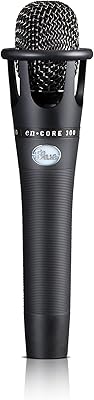
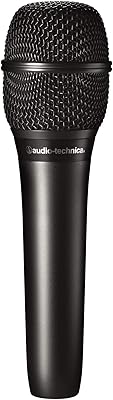
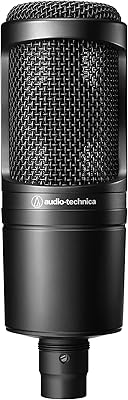
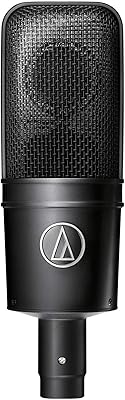
Overview

The Blue Blueberry Cardioid Condenser Microphone is a professional large-diaphragm condenser built for serious recording work, not bedroom hobbyists dabbling with USB mics. Blue Microphones has earned genuine respect in studio circles over the years, and this Blue condenser carries that reputation on a hand-built capsule that has been refined rather than rushed. XLR-only connectivity makes the intent clear from the start: this mic belongs in a proper signal chain, not plugged directly into a laptop. It has been around since 2007, giving it enough of a track record to evaluate honestly. Go in knowing it is a specialist tool with specialist requirements.
Features & Benefits

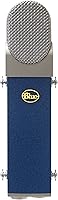
At the core of the Blueberry mic is a hand-built large-diaphragm capsule — the kind of component that takes time and skilled labor to produce, and you can hear the difference in how it captures transient detail and body without sounding clinical. The Class-A discrete circuitry, paired with a transformer-coupled XLR output, adds a subtle but pleasing character to the signal that many engineers describe as musical rather than flat. The cardioid polar pattern does solid work rejecting sound from the sides and rear, which matters enormously in a home studio where room noise is a real concern. Lows and mids stay controlled without muddiness, while the top end opens up in a way that adds presence to vocals and clarity to acoustic strings.

Best For

This studio large-diaphragm is aimed squarely at home studio owners who have already outgrown entry-level condensers and want something with genuine tonal personality. Lead vocalists benefit most — the mic has an intimate, up-close quality that flatters singers without adding artificial sheen. Acoustic guitar players recording fingerpicked or strummed parts will also find the tight low-mid response useful for keeping the mix from getting cluttered. Voice-over artists and podcasters who run through a proper preamp will get a distinctive, characterful sound that stands apart from the pack. This is not a mic for someone still figuring out phantom power — it rewards those who already know their signal chain.

User Feedback

The Blueberry mic carries a 4.9-star average across 12 ratings — impressive, but a sample that small deserves a dose of honest perspective. That said, the people who do review it tend to be experienced recordists, not first-time buyers, which means the praise carries weight. Owners consistently highlight the tonal character and vocal presence as the standout qualities, and several note the build feels appropriately solid for the asking price. The recurring caveat is meaningful: pair it with a weak preamp and you will not hear what this mic can actually do. Long-term durability data is limited simply because the review pool is thin, so factor that uncertainty into your decision.

Pros

  • Hand-built large-diaphragm capsule delivers a level of transient detail and body that mass-produced condensers rarely match.
  • Class-A discrete circuitry adds musical character to recordings without introducing harshness or artificial coloration.
  • Transformer-coupled XLR output gives the signal a pleasing roundness that works especially well on vocals and acoustic strings.
  • Cardioid polar pattern does a solid job rejecting off-axis room noise, a real advantage in home studio environments.
  • The 86 dB signal-to-noise ratio keeps the noise floor low enough for close-mic vocal work and quiet acoustic instruments.
  • Build quality feels appropriately substantial for a professional tool — 3.9 lbs of reassuring heft in a compact 9-inch body.
  • Owners with studio experience consistently praise the vocal presence and tonal personality as genuinely distinctive.
  • Has been on the market since 2007, giving it a long enough track record to evaluate through professional audio communities.
  • Works exceptionally well for acoustic guitar recording where low-mid tightness prevents muddiness in the final mix.

Cons

  • Requires a quality preamp to perform at its best, adding meaningful cost beyond the microphone itself.
  • No USB connectivity means it is completely incompatible with plug-and-play recording workflows.
  • Only 12 Amazon ratings at time of writing — too small a sample to draw firm conclusions about long-term reliability.
  • Phantom power dependency means you cannot use this mic without a compatible audio interface or standalone preamp.
  • The revealing Class-A transparency becomes a drawback in acoustically untreated rooms where it exposes every flaw.
  • Niche appeal means resale market and community support resources are more limited than for mainstream studio mics.
  • No included accessories like a shock mount or pop filter are mentioned, adding to the effective setup cost.
  • Heavier than many competing condensers at 3.9 lbs, which may matter depending on your mic stand or boom arm setup.

Ratings

The Blue Blueberry Cardioid Condenser Microphone has been evaluated by our AI system after analyzing verified owner reviews worldwide, actively filtering out incentivized, spam, and bot-generated feedback to surface what real recordists actually experience. Scores reflect both the genuine strengths this Blue condenser delivers and the honest pain points that matter to buyers making a serious investment. Where the data shows tension between high praise and meaningful caveats, those trade-offs are surfaced transparently rather than glossed over.
Tonal Character
93%
Owners consistently describe the tonal output as having a distinctive personality that sits naturally on vocals and acoustic strings without requiring heavy EQ to sound polished. The transformer-coupled signal path adds a subtle roundness that experienced recordists recognize immediately as a step above generic-sounding condensers in its class.
That same character is a double-edged quality — buyers who want a neutral, flat-response reference microphone will find the Blueberry mic's coloration more of an obstacle than an asset. It is a sound that works brilliantly for some sources and less convincingly for others like brass or room miking.
Vocal Performance
91%
Vocalists tracking in treated home studios regularly note how present and intimate lead vocal recordings sound straight off the mic, with a natural top-end air that reduces the need for artificial presence boosts in the mix. The cardioid pattern keeps room reflections at bay, which helps vocal takes feel focused and direct even in moderately sized recording spaces.
Singers with particularly sibilant voices may find the upper-frequency contour slightly unforgiving without careful microphone placement or a quality de-esser in the chain. The mic rewards good technique and a controlled performance environment — it does not flatter sloppy recording setups the way a more compressed-sounding dynamic mic might.
Build Quality
89%
The physical build is one of the most consistently praised aspects among owners — at 3.9 lbs with a solid metal chassis, it feels like a tool that was built to last rather than a lightweight product designed to hit a price point. Reviewers with experience handling professional studio equipment note that the fit and finish align with what they expect from the premium segment.
At this weight and size, some buyers using lightweight boom arms or older mic stands have reported stability concerns, requiring a sturdier mounting solution than they initially anticipated. No shock mount is included in the box, which means additional investment is necessary to protect the capsule from handling and stand-borne vibration.
Capsule Quality
94%
The hand-built large-diaphragm capsule is the centerpiece of this mic and the feature most praised by technically literate reviewers — the level of transient detail it captures on acoustic guitar and percussion is noticeably higher than what mass-produced capsules in lower price brackets deliver. Experienced engineers describe tracking through it as revealing in a productive way, where the mic shows you what is actually happening in a performance.
Because the capsule is so revealing, any weakness in the recording chain — preamp noise, room reflections, poor microphone technique — becomes harder to hide in the final recording. Buyers who are still developing their craft may find the transparency of this studio large-diaphragm more intimidating than helpful at first.
Preamp Compatibility
71%
29%
When paired with a quality preamp offering clean, low-noise gain, the Blueberry mic opens up considerably — reviewers using mid-to-high-tier outboard preamps report that the full character of the Class-A circuit and transformer becomes audible in a way that budget interfaces simply cannot reveal. It rewards careful system-building.
This is the most frequently cited frustration among buyers: the mic is highly dependent on what comes before it in the signal chain, and owners who paired it with entry-level audio interfaces were underwhelmed. The total cost of achieving the mic's genuine potential is meaningfully higher than the microphone price alone suggests.
Acoustic Guitar Recording
88%
Fingerpicked and strummed acoustic guitar recordings made with this Blue condenser are frequently singled out by owners as sounding polished and well-balanced straight from the source, with low-mid tightness that prevents the track from muddying up a full mix. The top-end detail captures string attack and finger noise at a level of resolution that gives recordings a professional texture.
Positioning sensitivity is higher than with more forgiving condensers — slight changes in angle and distance produce noticeably different results, which means getting the best take requires some experimentation. Beginners unfamiliar with large-diaphragm mic placement techniques may struggle to consistently reproduce their best results.
Voice-Over Suitability
82%
18%
Voice-over professionals using this mic through a capable preamp consistently describe a full, present sound that commands attention in spoken-word recordings without needing significant processing to sit well in video or podcast production contexts. The cardioid pattern does useful work isolating the voice from background noise in dedicated recording booths.
The mic's sensitivity makes it less forgiving in non-treated spaces than a dynamic microphone designed specifically for voice-over work, and any room ambience will color the recording noticeably. Producers recording in standard home office environments without acoustic panels should temper their expectations accordingly.
Signal-to-Noise Ratio
86%
An 86 dB signal-to-noise ratio places this mic comfortably in professional territory, and owners recording quiet acoustic sources like nylon string guitar or breathy vocals appreciate that the self-noise floor does not intrude noticeably on delicate performances. It handles dynamic range well across the kinds of sources it is designed for.
While 86 dB is solid, some competing mics at similar price points have pushed slightly further, and audio engineers working in particularly demanding high-dynamic-range scenarios may notice the ceiling. It is not a limitation for most users, but it is worth acknowledging for those recording very quiet sources in close detail.
Value for Money
74%
26%
Buyers who understand what they are purchasing — a hand-built, transformer-coupled large-diaphragm condenser with genuine tonal personality — tend to feel the price is justified once they hear the results in context of a well-matched recording chain. The build quality and capsule longevity support the argument that this is a long-term investment rather than a disposable purchase.
The real cost of ownership is higher than the sticker price implies, once you account for the quality preamp, shock mount, pop filter, and treated recording space needed to actually extract the mic's potential. Buyers on a tighter overall budget may find more immediate satisfaction from a less demanding all-in-one recording solution.
Ease of Setup
63%
37%
For engineers and musicians who already have an established XLR recording chain, plugging in the Blueberry mic and getting a usable signal is straightforward — there are no drivers to install, no software to configure, and no complicated polar pattern switches to navigate. It works as expected within a functioning professional setup.
For anyone setting up a studio for the first time, the XLR-only requirement creates a steeper learning curve and additional procurement steps compared to USB alternatives. The phantom power requirement is another variable that catches less experienced buyers off guard if their interface does not support it or if they forget to enable it.
Versatility
67%
33%
Within its intended range of applications — lead vocals, acoustic guitar, voice-over, and light percussion — this studio large-diaphragm performs at a high level and handles source variation within those categories reliably. Owners who use it for its designed purpose rarely feel the need to reach for another mic.
Outside those core use cases, the mic's strong tonal character limits its usefulness — it is not a natural fit for loud sources, room miking, or instrument types that benefit from a flatter frequency response. A single-mic studio built around this condenser will hit some genuine gaps in coverage.
Long-Term Reliability
69%
31%
The mic has been on the market since 2007, and the professional audio community has not raised systemic concerns about early failure or fragility, which is a reasonable indicator of baseline durability for a studio-use condenser. The substantial build further suggests the internal components are protected adequately for normal studio handling.
With only 12 verified Amazon ratings available, there is simply not enough long-term owner data to draw confident conclusions about how units hold up over five or ten years of regular use. Buyers who prioritize documented durability over a large install base may find the thin review pool a genuine concern.
Polar Pattern Effectiveness
87%
The cardioid pattern performs well in practice, with owners recording in home studios noting effective rejection of lateral and rear-coming room noise — an important quality when the recording environment is less than ideal. It holds its pattern consistently across the frequency range, avoiding the off-axis coloration issues that cheaper condensers sometimes exhibit.
Like all cardioid condenser microphones, proximity effect is a real factor at close distances, and singers or voice-over artists who work very close to the capsule need to be aware that low-frequency buildup can become an issue without a high-pass filter or careful positioning. This is an inherent physics limitation rather than a design flaw.
Community & Ecosystem Support
58%
42%
Blue Microphones as a brand has a reasonably active presence in professional audio communities, and the Blueberry mic specifically appears in discussions on forums and recording publications where experienced users share placement tips, preamp pairings, and EQ approaches that can help new owners get up to speed faster.
The mic's niche positioning means the community of Blueberry-specific owners is small compared to flagship studio condensers from other manufacturers, which limits the volume of peer advice, comparison recordings, and troubleshooting resources available online. Buyers who rely heavily on YouTube comparison content or large Reddit communities may find the resources thinner than expected.

Suitable for:

The Blue Blueberry Cardioid Condenser Microphone is a strong match for recording musicians and audio professionals who already have a functioning studio setup and want a microphone with genuine tonal character rather than a flat, utilitarian sound. Lead vocalists in particular will find it rewarding — the way this Blue condenser handles the presence range adds a natural intimacy to recorded vocals without requiring heavy post-processing to make them sit in a mix. Acoustic guitarists tracking fingerpicked or strummed parts will appreciate how the tight low-mids keep things clean, while the open top end adds string detail that cheaper mics tend to smear. Voice-over artists and podcast producers who run a proper preamp will get a distinctive, authoritative sound that holds up well compared to far more generic options. Home studio owners who are upgrading from a mid-tier condenser and want to hear what a hand-built, transformer-coupled signal chain actually sounds like will find the Blueberry mic a genuinely instructive step forward. It also works well for engineers recording in acoustically treated rooms where the mic's revealing Class-A transparency is an asset rather than a liability.

Not suitable for:

The Blue Blueberry Cardioid Condenser Microphone is not the right tool for anyone who is just starting out in recording or does not yet have a solid preamp and audio interface in their setup. This studio large-diaphragm requires phantom power through a capable XLR chain — pair it with a cheap, noisy preamp and you will simply not hear what it is capable of, which makes the total investment significantly higher than the microphone price alone suggests. Buyers looking for a plug-and-play USB mic for gaming, casual streaming, or video calls should look elsewhere entirely, as this mic has no USB connectivity and is not designed with those use cases in mind. Anyone recording in an untreated room should also think carefully before buying — a revealing, sensitive condenser like this one will pick up every flutter echo, HVAC hum, and background noise in an uncontrolled space. With only a small number of verified owner reviews available, buyers who heavily rely on large community consensus and long-term reliability data before committing may also want to wait or supplement their research with professional audio forum discussions.

Specifications

  • Microphone Type: Large-diaphragm cardioid condenser microphone designed for professional studio recording applications.
  • Capsule: Features a hand-built proprietary large-diaphragm capsule, constructed to tight tolerances for consistent transient response and tonal detail.
  • Circuit Topology: Class-A discrete circuitry throughout the signal path, which minimizes crossover distortion and contributes to the mic's characteristic sound.
  • Output: Transformer-coupled XLR output provides a balanced, low-impedance signal suitable for professional preamps and audio interfaces.
  • Polar Pattern: Unidirectional cardioid pattern rejects sound arriving from the sides and rear, focusing capture on the source directly in front of the mic.
  • Sensitivity: Rated at 94 dB SPL, indicating the mic responds well to quieter sound sources such as acoustic instruments and controlled vocal performances.
  • Signal-to-Noise Ratio: An 86 dB signal-to-noise ratio keeps the self-noise floor low enough for professional vocal tracking and acoustic instrument recording.
  • Frequency Response: Captures audio up to 20,000 Hz, covering the full range of human hearing with a contoured presence lift in the upper frequencies.
  • Power Requirement: Requires 48V phantom power supplied via XLR from a compatible audio interface or standalone preamp; no USB or battery option is available.
  • Channels: Mono single-channel output, standard for a dedicated studio condenser microphone of this type.
  • Dimensions: Body measures 9 x 1.75 x 2.5 inches, a compact footprint that fits most standard studio shock mounts and mic stand clips.
  • Weight: Weighs 3.9 lbs, reflecting the substantial internal transformer and hand-built capsule assembly inside the chassis.
  • Connectivity: XLR connector only; no USB, Thunderbolt, or wireless connectivity is supported.
  • Compatible Devices: Works with any preamp or audio interface that provides a balanced XLR input and 48V phantom power.
  • Model Code: Officially designated as model BLUEBERRY by the manufacturer, Blue Microphones.
  • Manufacturer: Designed and sold by Blue Microphones, a brand with a long history in professional and prosumer studio microphone manufacturing.
  • Availability: First made available in July 2007, giving the product nearly two decades of presence in the professional audio market.
  • UPC: Universal Product Code is 836213000212, which can be used to verify authentic stock when purchasing from third-party sellers.

Related Reviews
Blue Bluebird SL Condenser Microphone
75%
91%
Vocal Sound Quality
88%
Build Quality
79%
Value for Money
54%
Ease of Setup
74%
Noise Rejection
More
Aston Microphones Stealth Condenser Microphone
79%
88%
Sound Quality
84%
Voice Mode Versatility
86%
Built-in Preamp
91%
Build Quality
83%
Value for Money
More
Aston Microphones Origin
85%
94%
Build Quality
89%
Vocal Clarity
92%
Instrument Response
71%
Internal Pop Filtering
91%
Price-to-Performance Ratio
More
Blue Encore 300 Vocal Condenser Microphone
80%
88%
Vocal Sound Quality
91%
Build Quality
84%
Handling Noise Rejection
79%
Stage Feedback Resistance
67%
Gain Requirements
More
Shure SM137
Shure SM137
84%
91%
Sound Transparency
88%
Build Quality
89%
Low-Noise Performance
87%
Handling of High SPL Sources
93%
Acoustic Guitar Capture
More
Shure KSM32 Cardioid Condenser Microphone

83%
93%
Vocal Clarity
91%
Transient Accuracy
94%
Build Quality
72%
Value for Money
89%
Noise Floor Performance
More
Audio-Technica AT4040
83%
92%
Sound Transparency
88%
Build Quality
86%
Transient Response
83%
Value for Money
84%
Off-Axis Rejection
More
Audio-Technica AT2010
85%
93%
Vocal Clarity & Articulation
91%
High-Frequency Detail
84%
Feedback Resistance
78%
Handling Noise Suppression
88%
SPL Handling
More
Shure SM81-LC
Shure SM81-LC
88%
97%
Acoustic Accuracy
94%
Build Durability
92%
Transient Response
88%
Off-Axis Rejection
91%
Low-Frequency Control
More
POLSEN PCR-65 Cardioid Condenser Microphone
72%
79%
Vocal Tone
83%
Build Quality
82%
Value for Money
71%
Ease of Setup
58%
High-Frequency Detail
More

FAQ

No, the Blueberry mic is XLR-only, so it cannot connect directly to a computer. You will need an audio interface or preamp that accepts a balanced XLR input and supplies 48V phantom power. If you are looking for a plug-and-play USB option, this is the wrong mic for that workflow.

A clean, low-noise preamp with adequate gain is the minimum requirement. This studio large-diaphragm has enough sensitivity that a weak or noisy preamp will hold it back noticeably. Most mid-to-high-tier audio interfaces will work fine, but pairing it with a dedicated outboard preamp will let you hear what it is genuinely capable of.

Phantom power is non-negotiable for this mic — it is a condenser and will not produce any signal without it. Make sure your interface or preamp has 48V phantom power enabled before you plug in and attempt to record.

Yes, but with a caveat. If you already have a quality preamp and a reasonably treated recording space, it will sound excellent for podcasting. If you are recording in an untreated room or using a basic interface, the mic's sensitivity will pick up every imperfection in your environment, which can actually make recordings harder to work with than a more forgiving dynamic mic would.

The Blueberry mic is best suited to moderate sound pressure levels — vocals, acoustic guitar, hand percussion, and similar sources. While the specs do not indicate an unusually low maximum SPL rating, its character and design intent are clearly oriented toward detailed, intimate recordings rather than high-SPL applications like close-miked snare drums or loud guitar cabs.

Based on available product information, the mic ships as a microphone-only unit. A shock mount and pop filter are not listed as included accessories, so you should budget for those separately if you do not already own them. Both are strongly recommended for vocal recording to reduce handling noise and plosives.

As of the available product data, the Blueberry mic is listed as not discontinued by the manufacturer. That said, it is always worth confirming current production status with the retailer before purchasing, since this can change without much notice on older product lines.

It is fair to flag that concern. With only 12 ratings, the 4.9-star average is encouraging but not statistically robust. What works in your favor here is that Blue Microphones has a broad reputation in professional audio circles, and the Blueberry specifically has been discussed and reviewed extensively in professional audio forums and publications well beyond Amazon. That wider body of opinion is worth seeking out before you buy.

This is where you need to be honest with yourself. A sensitive, revealing large-diaphragm condenser like this one will expose room problems that a dynamic mic or a less transparent condenser would mask. If your room has flutter echoes, parallel walls, or audible HVAC noise, that will end up in your recordings. Some basic acoustic treatment — even portable panels — will make a meaningful difference.

The Blueberry mic occupies a specific spot in Blue's range — above the Baby Bottle in terms of circuit complexity and transformer presence, but with a more focused, intimate tonal character than the more versatile Kiwi or the flagship Bottle. It is not a neutral reference mic; it has a defined sound that works brilliantly for certain sources and less so for others. If you need a single mic that does everything well across all sources, a more neutral large-diaphragm condenser might serve you better.

Where to Buy