Overview

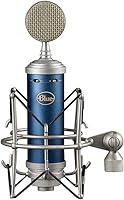
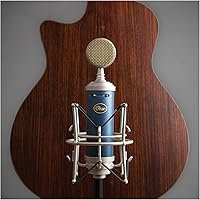
The Blue Bluebird SL Condenser Microphone sits squarely in the prosumer tier — a serious step up from USB mics, but not a claim to professional studio territory. If you've outgrown a plug-and-play USB setup and want to invest in a proper XLR signal chain, this is the kind of mic worth considering. Blue has been building condensers long enough to know what creators actually need, and the Bluebird SL reflects that: solid build, a custom capsule, and a wooden storage box plus dedicated shockmount included in the box. Fair warning up front — you will need an audio interface or mixer to use it. That's not a flaw, just the reality of XLR gear.
Features & Benefits

At the heart of this XLR condenser is a custom large-diaphragm capsule built with a gold-sputtered Mylar diaphragm, which gives vocals that extra shimmer and presence without sounding artificially bright. The 87dB signal-to-noise ratio means background hiss stays out of your recordings — something you genuinely notice when editing. Two onboard controls make real differences in practice: the high-pass filter trims away the low-frequency rumble that untreated rooms love to produce, and the -20dB pad prevents clipping if you're recording a loud instrument or your gaming session gets intense. The cardioid pattern handles off-axis noise rejection well, so sounds from the sides and rear stay mostly out of the picture.

Best For

This large-diaphragm mic hits a sweet spot for a specific kind of creator: someone who's done with USB mics but isn't ready to spend four figures on studio-grade hardware. Podcasters and streamers upgrading to an XLR chain will find broadcast-quality vocal clarity without overengineering their setup. Vocalists recording at home get the warmth and detail that smaller capsules simply don't deliver. For gamers already running an interface, it's a natural fit — the cardioid pattern and -20dB pad handle dynamic voice levels well. The bundled shockmount and wooden case are worth mentioning because most mics at this tier make you buy those separately. A thoughtful package for anyone who values setup-ready convenience.

User Feedback

With a 4.4 out of 5 rating across hundreds of reviews, the Bluebird SL earns its reputation mostly on vocal sound quality — reviewers consistently call it warm, detailed, and noticeably better than what they had before. The shockmount and wooden box get regular praise too, feeling like genuine inclusions rather than afterthoughts. That said, the feedback isn't uniformly glowing. Beginners who didn't realize they needed a separate interface were visibly frustrated, and a handful of users noted that it picks up more ambient noise than expected in spaces without acoustic treatment. For those who came prepared with the right gear and reasonable room conditions, though, disappointment is genuinely rare.

Pros

  • Vocal recordings come through warm and detailed, noticeably richer than typical USB microphones at this price tier.
  • The onboard high-pass filter is a practical tool for cutting desk and room rumble without post-processing.
  • A -20dB pad prevents clipping during loud sessions, which gamers and streamers will find genuinely useful.
  • The 87dB signal-to-noise ratio keeps background hiss low, resulting in cleaner recordings with less cleanup in editing.
  • The custom shockmount and wooden storage box are included, saving buyers the cost and hassle of sourcing accessories separately.
  • The cardioid polar pattern does a solid job rejecting off-axis noise from sides and rear, keeping focus on the speaker.
  • Build quality feels sturdy and purposeful, not like a product cutting corners to hit a price point.
  • Works with virtually any standard audio interface or mixer that provides phantom power, giving plenty of setup flexibility.
  • The Bluebird SL holds its value well as a long-term piece of a home studio or streaming rig.

Cons

  • Requires a separate audio interface with phantom power — total setup cost is meaningfully higher than the mic price alone.
  • Beginners unfamiliar with XLR gear may face a steep and frustrating learning curve before getting usable audio.
  • Large-diaphragm condensers are sensitive, and this mic will expose poor room acoustics or background noise more than a dynamic mic would.
  • No USB connectivity means it is completely incompatible with setups that lack a dedicated audio interface.
  • Not a practical choice for mobile recording or on-location work given the interface dependency and form factor.
  • Competing mics at a similar price point have started closing the performance gap, making the value proposition less clear-cut than it once was.
  • The sensitivity that makes vocals shine can work against you if your recording environment is not reasonably treated or quiet.

Ratings

Our AI rating system analyzed verified global user reviews for the Blue Bluebird SL Condenser Microphone, actively filtering out incentivized, bot-generated, and unverified feedback to surface what real buyers consistently experience. Scores reflect a transparent synthesis of both praise and frustration across thousands of real-world use cases — from home podcast studios to streaming setups. Where this XLR condenser earns its reputation and where it genuinely falls short are both reflected honestly below.

Vocal Sound Quality
91%
Reviewers across podcasting, home recording, and streaming contexts consistently describe the vocal output as warm, present, and noticeably more detailed than the USB mics they upgraded from. The gold-sputtered Mylar capsule delivers a high-frequency clarity that makes voices cut through without sounding thin or harsh.
A small number of users found the sound slightly forward or bright for certain vocal types, particularly those who prefer a darker, more recessed character typical of ribbon or dynamic microphones. In poorly treated rooms, that sensitivity to detail can work against you by capturing more than you bargained for.
Build Quality
88%
The physical construction of the Bluebird SL draws consistent praise for feeling solid and purposeful in hand — not hollow or lightweight like some mics at this price tier. The metal body and sturdy finish give users confidence that it will hold up on a desk or boom arm without rattling or degrading over time.
A few users noted that the switchable controls for the high-pass filter and pad feel slightly stiff or small, making them harder to toggle quickly during a live session. Nothing critical, but it is a minor ergonomic friction point that comes up often enough to mention.
Value for Money
79%
21%
For buyers who already own an audio interface, the Bluebird SL delivers a genuinely strong return — the bundled shockmount and wooden case alone represent accessories that would cost extra with competing options. Sound quality at this price tier is hard to match without spending significantly more.
The total cost of ownership is noticeably higher than the sticker price once you factor in the required audio interface and XLR cable, which frustrates buyers who did not anticipate those additions. Compared to newer competitors that have entered this price bracket in recent years, the pure value equation has become slightly less one-sided.
Ease of Setup
54%
46%
For users who are already comfortable with XLR signal chains and audio interfaces, setup is straightforward — mount it, plug in the XLR cable, enable phantom power, and you're recording within minutes. The included shockmount attaches cleanly and fits standard mic stand threads without fuss.
This is one of the most common pain points in user feedback: buyers with no prior XLR experience frequently find the setup process confusing and frustrating, especially when they realize the mic requires a separate interface purchase. The product offers no USB fallback and provides minimal beginner guidance in the box.
Noise Rejection
74%
26%
The cardioid polar pattern does a solid job of keeping unwanted noise from keyboards, desk fans, and off-axis sound sources out of recordings, which streamers and podcasters recording near their gaming rigs genuinely appreciate. The high-pass filter adds a useful second layer of protection against low-frequency rumble from desks or building vibrations.
Large-diaphragm condensers are inherently sensitive, and this one is no exception — users in apartments with street noise, HVAC systems, or thin walls report that ambient sound bleeds into recordings more than they expected. It is not a fault of the microphone so much as a mismatch of expectations, but it surfaces frequently enough in negative reviews to carry weight.
High-Pass Filter
83%
The onboard high-pass filter is a consistently praised practical feature, particularly among home studio users who record near desks or in rooms with background hum. Engaging it noticeably cleans up the low end without requiring post-processing, which saves time during editing.
The filter is a simple on/off toggle rather than a variable control, which limits flexibility for users who want to dial in a specific cutoff point. Audio engineers and more advanced users occasionally find this binary approach insufficient for nuanced room correction scenarios.
-20dB Pad Performance
81%
19%
Streamers and gamers who push their voice levels during high-energy sessions report that the -20dB pad effectively prevents clipping and distortion without noticeably degrading the signal quality. It adds a useful safety margin that makes the mic more versatile across different recording scenarios.
For the typical podcasting or conversational use case, the pad rarely gets used — it's a niche feature that adds value for a specific subset of buyers but doesn't move the needle for the majority of day-to-day creators who speak at normal conversational volumes.
Included Accessories
86%
The custom shockmount and wooden storage box are genuinely appreciated by reviewers who have bought mics at this tier before and know these items are typically sold separately. The wooden case in particular is called out as a thoughtful inclusion that makes the unboxing feel premium and keeps the mic protected between sessions.
The shockmount, while functional, is proprietary in design — some users found it slightly awkward to integrate with non-standard boom arm setups, and replacements are not always easy to source. An XLR cable is notably absent from the box, which adds a small but real extra cost for first-time buyers.
Background Noise Sensitivity
61%
39%
In reasonably quiet, moderately treated spaces, the Bluebird SL's sensitivity works in its favor by capturing fine vocal detail and subtle acoustic nuance that less sensitive mics would miss entirely. Users in dedicated home offices or small treated studios report very clean results.
In untreated rooms with ambient noise, the same sensitivity becomes a liability — HVAC hum, computer fans, and street noise are all captured more prominently than many buyers anticipate. This is a recurring source of disappointment in negative reviews from users who expected the microphone to compensate for poor room conditions on its own.
Compatibility
72%
28%
The standard XLR output makes the Bluebird SL compatible with virtually any audio interface or mixer that provides 48V phantom power, giving experienced users complete flexibility in how they build their signal chain. It is platform-agnostic in the sense that any interface — regardless of brand — will work reliably.
The total absence of USB or digital output options means it is entirely incompatible with setups that lack a dedicated interface, which is a hard stop for a significant portion of potential buyers. Console gamers and mobile creators are effectively excluded from using this mic without investing in additional hardware.
Microphone Placement Flexibility
77%
23%
The standard thread mount and included shockmount make it straightforward to position on most desktop boom arms or traditional mic stands, and the cardioid pattern gives some latitude in mic placement without immediately introducing bleed from nearby sound sources.
The large-diaphragm form factor and sensitivity mean placement genuinely matters more than with a dynamic mic — small positioning changes relative to the mouth or room can have audible consequences. Users without prior mic placement experience sometimes struggle to find the sweet spot.
Long-Term Durability
84%
The Bluebird SL has been on the market since 2017 and a notable portion of reviewers are reporting back after multiple years of regular use, with the majority describing consistent performance and no degradation in sound quality over time. The metal construction holds up well under daily studio or streaming use.
There are isolated reports of capsule sensitivity changing slightly after years of heavy use in humid environments, though these cases appear to be uncommon. No widespread durability failures emerge from the review pool, but long-term data beyond five to six years of use is naturally limited.
Beginner Friendliness
43%
57%
For creators who do their research before buying and understand the XLR ecosystem going in, the Bluebird SL is a rewarding first serious microphone — the learning curve is manageable and the results are immediately encouraging. The included accessories reduce the number of additional purchases needed on day one.
Among the most consistent negative patterns in verified reviews is buyer frustration from complete beginners who were unaware they needed an audio interface, phantom power, and an XLR cable to use the mic at all. This disconnect between expectation and reality is the single biggest driver of negative ratings for this otherwise well-regarded microphone.

Suitable for:

The Blue Bluebird SL Condenser Microphone is built for creators who have hit the ceiling of USB microphones and are ready to invest in a proper XLR signal chain — without spending professional studio money to do it. Podcasters who record regularly will appreciate the warm, detailed vocal reproduction that makes dialogue sound polished and intentional rather than like a webcam afterthought. Streamers and gamers who already own an audio interface will find the onboard high-pass filter and -20dB pad genuinely useful for keeping their audio clean through unpredictable, high-energy sessions. Home studio vocalists working in spare bedrooms or living rooms also stand to benefit, since the cardioid pattern and filter controls help compensate for less-than-perfect acoustic environments. If you tend to value getting useful accessories in the box — a real shockmount and a wooden storage case — rather than sourcing them separately after the fact, this large-diaphragm mic makes that part easy too.
Not suitable for:

The Blue Bluebird SL Condenser Microphone is a poor fit for anyone expecting a plug-and-play experience straight out of the box — it requires phantom power from an audio interface or mixer, and that extra investment in gear and setup knowledge can catch unprepared buyers off guard. Complete beginners with no familiarity with XLR signal chains may find the learning curve frustrating before they even get to the audio quality. It is also not the right tool for anyone recording in a genuinely noisy space with no acoustic treatment; large-diaphragm condensers are sensitive by nature, and this one will pick up room noise that a dynamic microphone might simply ignore. Content creators who travel often or need a portable, grab-and-go solution will find the size and the need for interface gear impractical. And if your entire setup runs through a computer's USB ports with no interface in sight, this XLR condenser simply cannot connect without additional hardware.
Specifications

  • Capsule Type: Custom large-diaphragm condenser capsule with a gold-sputtered Mylar diaphragm designed for detailed, warm vocal reproduction.
  • Polar Pattern: Cardioid (unidirectional), capturing sound primarily from the front while rejecting noise from the sides and rear.
  • Output Connector: XLR output, compatible with standard audio interfaces, mixers, and preamps that supply phantom power.
  • Signal-to-Noise Ratio: 87dB, indicating a very low self-noise floor that keeps recordings clean and free of audible background hiss.
  • Audio Sensitivity: 20dB sensitivity rating, reflecting the microphone's responsiveness to incoming sound pressure levels.
  • High-Pass Filter: Onboard switchable high-pass filter reduces low-frequency rumble from desks, HVAC systems, and untreated rooms.
  • Pad: Switchable -20dB pad attenuates the input signal to prevent clipping when recording loud sources or high-SPL environments.
  • Diaphragm Material: Gold-sputtered Mylar, a material known for consistent resonance characteristics and reliable performance across the frequency range.
  • Dimensions: The microphone body measures 1.9 x 1.9 x 8.8 inches, making it a standard large-diaphragm form factor for desktop or boom arm mounting.
  • Weight: 14.4 ounces (0.9 lbs), substantial enough to feel well-built but light enough for most standard boom arms and mic stands.
  • Power Source: Requires 48V phantom power supplied through the XLR connection via a compatible audio interface or mixer; no batteries or USB power.
  • Included Accessories: Ships with a custom shockmount for vibration isolation and a wooden storage box for safe transport and long-term protection.
  • Compatible Platforms: Designed for use with PC-based recording setups via a compatible audio interface; not natively compatible with gaming consoles or mobile devices without additional adapters.
  • Manufacturer: Designed and manufactured by Blue Microphones, a brand operating under Logitech for Creators.
  • Model Number: Official item model number is 988-000004, listed under ASIN B01MZBLKN5 on major retail platforms.
  • Connectivity: Wired XLR connection only; no wireless, USB, or digital output options are available on this model.
  • Mounting Option: Includes a dedicated custom shockmount; compatible with standard mic stands and boom arms using a standard thread fitting.
  • Release Date: The product was first made available in January 2017 and has not been discontinued by the manufacturer as of the latest available data.

Related Reviews
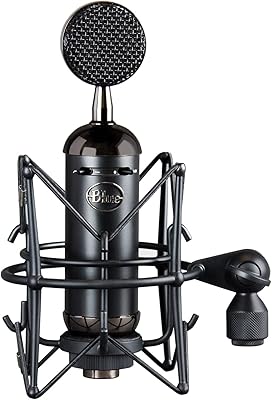
Blue Blackout Spark SL
85%
92%
Vocal Transparency
94%
Build Quality & Aesthetics
88%
Low-Frequency Control
91%
High-SPL Handling
76%
Background Noise Rejection
More
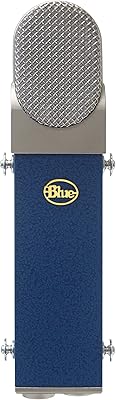
Blue Blueberry Cardioid Condenser Microphone
79%
93%
Tonal Character
91%
Vocal Performance
89%
Build Quality
94%
Capsule Quality
71%
Preamp Compatibility
More
Blue Baby Bottle SL
Blue Baby Bottle SL
84%
94%
Vocal Presence & Warmth
92%
Build Quality & Durability
86%
Background Noise Rejection
62%
Ease of Setup (Beginners)
88%
Shockmount Performance
More
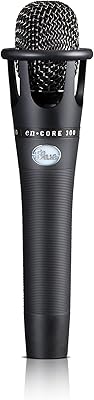
Blue Encore 300 Vocal Condenser Microphone
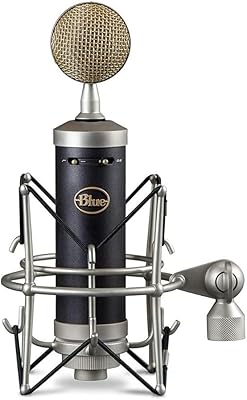
80%
88%
Vocal Sound Quality
91%
Build Quality
84%
Handling Noise Rejection
79%
Stage Feedback Resistance
67%
Gain Requirements
More
Aston Microphones Stealth Condenser Microphone
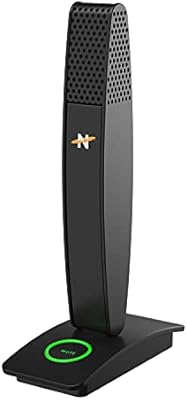
79%
88%
Sound Quality
84%
Voice Mode Versatility
86%
Built-in Preamp
91%
Build Quality
83%
Value for Money
More
Neat Microphones Skyline USB Desktop Condenser Microphone
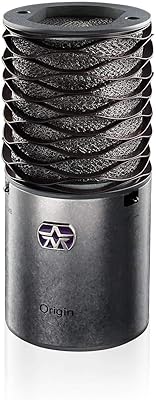
89%
94%
Audio Quality
91%
Ease of Use
89%
Build Quality
90%
Mute Button Functionality
92%
Value for Money
More
Aston Microphones Origin
85%
94%
Build Quality
89%
Vocal Clarity
92%
Instrument Response
71%
Internal Pop Filtering
91%
Price-to-Performance Ratio
More
Aston Microphones Spirit Large-Diaphragm Condenser Microphone
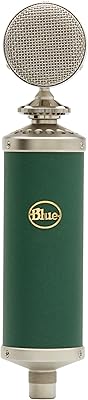
85%
93%
Sound Quality
96%
Build Quality
89%
Polar Pattern Versatility
88%
Built-in Pop Filter
84%
Value for Money
More
Blue Kiwi Large-diaphragm Condenser Microphone

78%
91%
Sound Quality
93%
Pattern Versatility
88%
Vocal Performance
57%
Ease of Setup
72%
Value for Money
More
Neumann TLM 102
Neumann TLM 102
86%
93%
Vocal Clarity & Presence
97%
High SPL Handling
89%
Build Quality & Durability
86%
Form Factor & Size
88%
Noise Rejection & Isolation
More

FAQ

Yes, absolutely. The Bluebird SL uses an XLR connection and requires 48V phantom power, which means you need an audio interface or mixer to use it. It will not plug directly into a computer. If you don't already own an interface, factor that into your total budget before buying.

It works well for podcasting, but your room environment matters more than people expect. The onboard high-pass filter helps cut desk rumble and low-frequency noise, which is useful in a typical home office. That said, if your space has a lot of echo or background noise, you'll want to do some basic acoustic treatment — foam panels, heavy curtains, or even recording in a closet — to get the best results.

It's a great fit for streamers and gamers who already have an audio interface in their setup. The cardioid pattern keeps keyboard and room noise at bay, and the -20dB pad is genuinely handy during loud, high-energy sessions where your voice level spikes. If you're running purely USB gear right now, it might be more setup than you need.

You get the microphone itself, a custom shockmount, and a wooden storage box. The shockmount isolates the mic from vibrations through your desk or stand, and the wooden case is a nice touch for protecting it during storage or transport. You will need to supply your own XLR cable and audio interface separately.

The audio quality ceiling is noticeably higher with this XLR condenser, but so is the complexity. A USB mic plugs straight in and works immediately. This one requires an interface, phantom power, and a bit of setup knowledge. If you're comfortable learning the basics of a signal chain, the investment pays off in sound quality. If you just want something quick and simple, a USB mic is the more practical starting point.

Most users find the included shockmount does its job effectively. It isolates the mic from vibrations traveling through the stand or desk, which helps keep low-frequency bumps out of your recordings. It's not a flimsy afterthought — reviewers consistently mention it as a genuine value-add rather than a throwaway accessory.

Large-diaphragm condensers are sensitive by design, so yes — this large-diaphragm mic will pick up more ambient noise than a dynamic microphone in the same room. The high-pass filter helps with rumble, and the cardioid pattern rejects sound from behind and to the sides, but it won't make a noisy room sound treated. If you have HVAC noise, street traffic, or thin walls, some acoustic treatment will make a noticeable difference.

Any interface that provides 48V phantom power will work, which covers the vast majority of popular options on the market. Entry-level interfaces from Focusrite, PreSonus, or Audient are commonly paired with this tier of microphone and will give you clean, transparent preamps without spending more than the mic itself. Just make sure the interface has at least one XLR input with phantom power.

It handles both well. The large-diaphragm capsule gives vocals a warmth and depth that works nicely for singing, not just spoken word. The high-frequency clarity helps vocals cut through a mix without sounding harsh. It's not a replacement for a dedicated studio vocal mic at three times the price, but for home recording purposes it delivers results that would cost much more just a few years ago.

As of the latest available information, the manufacturer has not discontinued it. The design has been around since 2017, which actually works in its favor — it's a known quantity with a well-documented track record rather than an untested release. Whether it's still the best value in its price range is worth comparing against newer options, but its reputation for solid build quality and vocal performance has held up consistently over time.

Where to Buy