



Overview
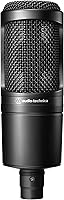
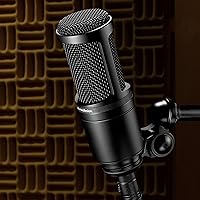
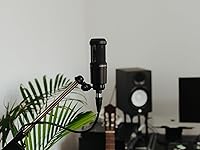
The Audio-Technica AT2020 remains the gold standard for anyone building their first serious recording space. For years, this studio staple has been the go-to recommendation for creators graduating from basic USB setups to professional-grade hardware. It is important to note that this is not a plug-and-play device; it requires an external audio interface capable of providing 48V phantom power to function. Once connected, you will immediately notice the difference in build quality compared to plastic consumer gear. The unit features a rugged metal chassis that feels substantial in the hand and is clearly designed to survive the rigors of daily use. It provides a solid foundation for your signal chain without demanding the massive budget usually associated with high-end audio engineering equipment.
Features & Benefits
Technical specifications often hide the real-world utility of this condenser mic, but its design choices matter for your final recording. The cardioid polar pattern is specifically engineered to focus on your voice while effectively rejecting rear noise, which is a lifesaver if you are working in an untreated room. Under the hood, a custom low-mass diaphragm delivers an extended frequency response that captures the nuances of your performance with surprising accuracy. If you are recording loud sound sources, the high SPL handling ensures the signal remains clean without distorting. Using the XLR microphone connection provides a balanced signal path, significantly reducing interference compared to standard computer inputs. This combination of fixed-charge back plate technology and professional components ensures that your audio remains consistent and clear over time.
Best For
Whether you are an aspiring podcaster or a Twitch streamer, this studio staple offers a level of vocal presence that sets your content apart. It is particularly effective for those seeking a crisp broadcast quality without the muffled tones often found in entry-level headsets. Home musicians will also find plenty to like here, as it captures the bright, natural resonance of acoustic guitars and violins with ease. Voice-over artists who need a reliable, neutral-sounding reference tool frequently turn to this condenser mic because it does not overly color the recording. It bridges the gap between amateur hobbyist gear and professional production tools, making it the ideal choice for creators who are ready to invest in a stable audio environment that can grow with their skill level.
User Feedback
The consensus among users is that the XLR microphone punches well above its price tag, offering clarity that rivals much more expensive options. Many buyers are pleasantly surprised by the heavy, premium feel of the metal housing, which adds a sense of durability that is rare at this level. However, seasoned users often point out that the diaphragm is quite sensitive to plosives, meaning you should definitely budget for a separate pop filter to avoid those harsh popping sounds during speech. There is also a frequent recommendation to upgrade the included basic mount if you want better isolation from desk vibrations. Despite these minor accessories being necessary, most agree that it remains the best first investment for anyone serious about improving their sound without spending thousands on boutique gear.
Pros
- Delivers professional studio clarity that far exceeds most microphones in its price bracket.
- The rugged all-metal construction is built to withstand years of heavy daily use.
- Cardioid polar pattern effectively focuses on your voice while minimizing unwanted rear room noise.
- High SPL handling allows you to record loud sources without worrying about signal distortion.
- The Audio-Technica AT2020 provides a very neutral, honest frequency response for accurate recordings.
- Uses a professional XLR connection to ensure a clean, balanced signal with minimal interference.
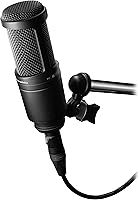
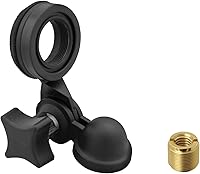
- Comes with a compact pivoting stand mount that allows for precise positioning on boom arms.
- The low-mass diaphragm is custom-engineered to capture subtle vocal nuances and fast transients.
Cons
- Requires an additional investment in an audio interface and XLR cables to function.
- Extremely sensitive to plosives, making a separate pop filter an almost mandatory purchase.
- The basic included stand mount offers zero protection against desk vibrations or handling noise.
- Does not include an onboard low-cut filter or pad switch for quick hardware adjustments.
- The Audio-Technica AT2020 lacks any built-in headphone monitoring or volume controls found on USB models.
- Sensitive internal electronics require a fairly quiet, treated environment to avoid capturing background hum.
- The provided storage pouch is relatively thin and offers very little impact protection for travel.
- No built-in LED indicator exists to confirm when the microphone is receiving phantom power.
Ratings
Our analysis of thousands of verified global reviews for the Audio-Technica AT2020 highlights how this studio staple balances professional performance with accessible pricing. These scores are generated by filtering out incentivized or spam feedback to ensure both the technical strengths and common ergonomic pain points are transparently reflected for real-world creators.
Vocal Clarity
Build Durability
Value for Money
Background Noise Rejection
Plosive Management
Instrument Recording
Ease of Setup
SPL Handling
Included Accessories
Aesthetics
Signal-to-Noise Ratio
Portability
Suitable for:
The Audio-Technica AT2020 is a perfect match for creators ready to step up from entry-level USB setups into the world of professional XLR audio. It excels in home studio environments where podcasters, streamers, and voice-over artists need a clear, neutral vocal presence that cuts through a mix. Musicians will also find it highly effective for capturing the bright, natural transients of acoustic guitars or string instruments. Because it handles high sound pressure levels with ease, it is a reliable choice for vocalists with powerful delivery or those recording louder sound sources. Ultimately, it serves anyone looking for a durable, long-term investment that provides a consistent broadcast-quality sound without a massive price tag.
Not suitable for:
This is not the right choice for mobile creators or casual users who need a simple plug-and-play solution for quick video calls or laptop recording. Because the Audio-Technica AT2020 requires an external audio interface with 48V phantom power and dedicated XLR cables, the total cost and desk footprint may be overkill for some. Additionally, the high sensitivity of the condenser diaphragm makes it poorly suited for extremely noisy environments or rooms with significant echoes and hard surfaces. If you lack the space for a proper mounting arm or the patience to learn basic gain staging, a dynamic microphone or a high-end USB model might be a more practical alternative for your specific workflow.
Specifications
- Microphone Type: This is a fixed-charge back plate, permanently polarized condenser microphone designed for side-address use.
- Polar Pattern: The cardioid pickup pattern effectively isolates the main sound source while minimizing noise from the sides and rear.
- Frequency Response: The internal hardware supports a wide frequency range from 20 Hz to 20,000 Hz for natural audio reproduction.
- Open Circuit Sensitivity: The unit features a sensitivity rating of -37 dB (14.1 mV) re 1V at 1 Pa.
- Impedance: The rated electrical impedance for this device is 200 ohms.
- Maximum Input Sound Level: The diaphragm handles up to 144 dB SPL at 1 kHz with 1% T.H.D. for loud recording environments.
- Dynamic Range: It provides a typical dynamic range of 124 dB at 1 kHz and maximum SPL.
- Signal-to-Noise Ratio: The microphone maintains a 74 dB ratio at 1 kHz and 1 Pa to ensure a clean signal floor.
- Phantom Power Needs: This hardware requires 48V DC phantom power at a typical draw of 2 mA to operate.
- Output Connector: The base features an integral 3-pin XLRM-type connector for balanced audio transmission.
- Weight: The microphone body itself weighs approximately 12.1 oz or 345g without accessories.
- Dimensions: The physical body measures 6.38″ in length with a maximum body diameter of 2.05″.
- Chassis Material: The exterior is constructed from a rugged, cast metal housing for long-term durability.
- Included Accessories: The package includes a threaded stand mount for 5/8″-27 stands, a 5/8″-27 to 3/8″-16 adapter, and a soft pouch.
Related Reviews
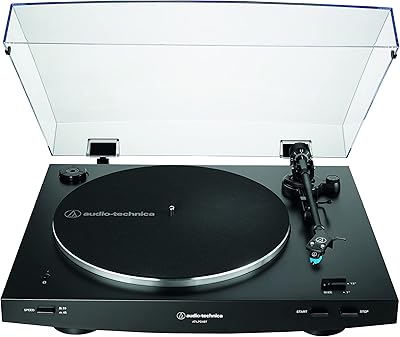
Audio-Technica AT-LP3XBT
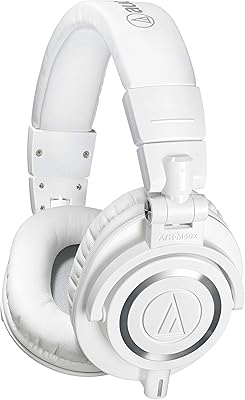
Audio-Technica ATH-M50xWH
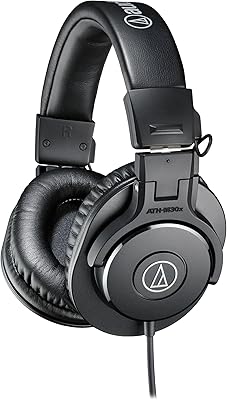
Audio-Technica ATH-M30x
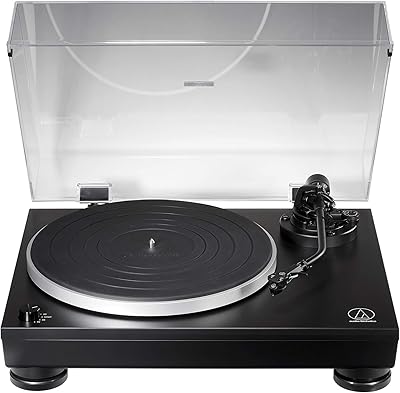
Audio-Technica AT-LP5X
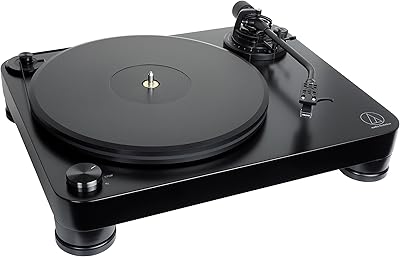
Audio-Technica AT-LP7 Turntable
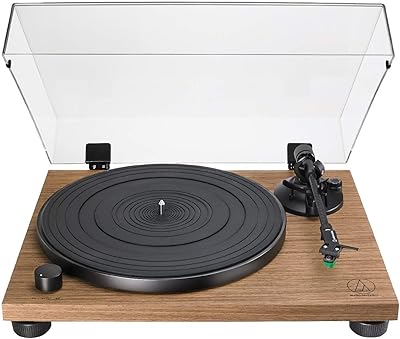
Audio-Technica AT-LPW40WN
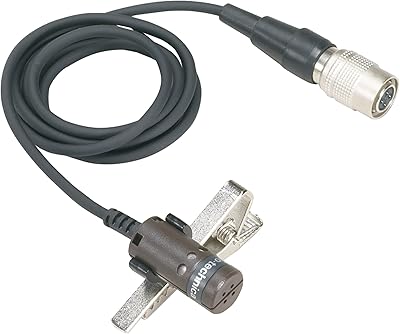
Audio-Technica AT829CW Lavalier Microphone
Audio-Technica AT-SP3X
Audio-Technica AT-PEQ30 Phono Equalizer
