Shure SM137


Overview
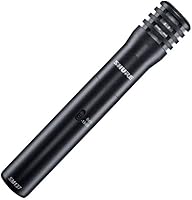
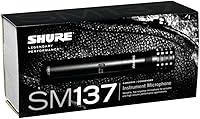
The Shure SM137 is a dedicated small-diaphragm condenser built for instrument capture — not vocals, not podcasting, and not bedroom USB recording. It sits in the middle of Shure's professional SM line, more capable than entry-level stage mics but priced well below boutique studio condensers. The flat, extended response makes it a natural choice for acoustic guitar, drum overheads, and woodwinds, where coloration would work against you. XLR-only connectivity says a lot about its intended audience: engineers and musicians working with proper interfaces, not plug-and-play beginners. The included windscreen, mic clip, and zippered pouch make it a complete out-of-box kit.
Features & Benefits
The ultra-thin diaphragm is probably the most important thing to understand about this small-diaphragm condenser. It captures high-frequency detail cleanly — bright transients, string articulation, cymbal shimmer — without the harshness you sometimes hear from cheaper condensers. The 15dB pad lets you get close to loud sources without clipping, which is genuinely useful when close-miking a guitar cab or a brass instrument. Underneath, a transformerless Class-A preamp keeps the noise floor impressively low, with a 75dB signal-to-noise ratio that holds up well even in quieter recording environments. One important note: this instrument mic requires 48V phantom power, so confirm your interface supports it before buying.
Best For
This small-diaphragm condenser is a natural fit for acoustic instrument recording — acoustic guitar especially, where its flat response lets the instrument's true character come through without the mic adding its own color. Recording engineers who need a reliable overhead for drum kits or hi-hats will find it handles high-SPL sources without complaint. Live engineers running multi-mic setups will appreciate the tight cardioid pattern controlling off-axis bleed effectively. That said, if you're primarily tracking voice, podcasting, or doing any kind of broadcast work, this is not your tool. There are mics designed specifically for that purpose that will serve you far better.
User Feedback
With around 58 ratings, the sample size is honestly modest, so take any strong consensus with a grain of salt. That said, the consistent thread across positive reviews is the natural, transparent sound on acoustic stringed instruments — buyers seem genuinely pleased with how accurately it captures what's in front of it. A few users note that this instrument mic rewards a good preamp; pair it with something mediocre and you may not hear what it's truly capable of. On the downside, some mention a slightly brittle character on bright sources when placement is off — mic positioning matters more than you might expect. Build quality and included accessories draw almost no complaints.
Pros
- Flat, transparent frequency response captures instruments faithfully without adding coloration or flattering the source.
- The 15dB pad handles high-SPL sources like loud acoustic performers and brass without distortion.
- A 75dB signal-to-noise ratio keeps the noise floor impressively clean during quiet instrument passages.
- Durable metal alloy construction holds up well to repeated stage use and the general abuse of live touring.
- Tight cardioid pattern effectively rejects off-axis bleed in busy multi-mic setups on stage or in the studio.
- Included windscreen, mic clip, and zippered pouch make it a genuinely complete and ready-to-use kit.
- Acoustic guitar recordings in particular come out with natural string detail and dynamic accuracy.
- Standard 48V phantom power requirement means compatibility with virtually any modern audio interface.
- The SM137 earns strong marks from engineers who use it as a drum overhead, particularly for cymbal and hi-hat clarity.
- Build and included accessories draw almost no complaints, which is not always the case at this price tier.
Cons
- Requires a quality preamp to perform at its best — budget interfaces can leave it sounding flat and uninspiring.
- No built-in high-pass filter switch, which adds inconvenience when handling live stage rumble or low-frequency room noise.
- Placement sensitivity is real; poor mic positioning on bright instruments can result in a brittle, fatiguing top end.
- The basic swivel mic clip is functional but offers no vibration isolation — a shock mount is a likely additional purchase.
- No polar pattern switching limits flexibility for engineers who occasionally need omni or figure-8 configurations.
- The review pool is relatively small, meaning edge-case reliability issues may not yet be fully represented in user data.
- Finish shows scuffs and cosmetic wear fairly quickly with regular use, which bothers some buyers over time.
- Engineers comparing it to the SM81 may find the tonal trade-offs harder to ignore than the price difference suggests.
- Newcomers to condenser microphones may be caught off guard by the mandatory phantom power requirement at purchase.
- Vocal and voice-focused buyers will find the flat response character actively works against them for their intended use.
Ratings
The Shure SM137 has been evaluated by our AI rating system after analyzing verified buyer reviews from global markets, with spam, bot-generated, and incentivized feedback actively filtered out. With an honest sample size in mind, these scores reflect both where this small-diaphragm condenser genuinely excels and where real-world users have run into friction. Strengths and limitations are weighted equally — no category has been inflated to flatter the brand.
Sound Transparency
Build Quality
Low-Noise Performance
Handling of High SPL Sources
Acoustic Guitar Capture
Drum Overhead Performance
Live Stage Reliability
Value for Money
Preamp Compatibility
Frequency Response Consistency
Included Accessories
Polar Pattern Control
Woodwind and Brass Capture
Setup and Ease of Use
Suitable for:
The Shure SM137 was built for musicians and engineers who need accurate, uncolored instrument capture — and that specificity is actually its biggest strength. Acoustic guitarists will get the most out of it, particularly those who have grown frustrated with large-diaphragm condensers adding warmth or presence coloration that masks the instrument's true character. Recording engineers tracking drum overheads or hi-hats will appreciate how cleanly it handles transients and high-SPL sources without flinching, especially with the 15dB pad in play. Home studio owners who have already sorted out a decent audio interface with proper 48V phantom power and are ready to step up from a budget condenser will find this small-diaphragm condenser a meaningful upgrade. Live sound engineers working in multi-mic environments — where off-axis rejection and consistent polar pattern behavior really matter — will also find it a dependable tool. If your work regularly involves woodwinds, brass, or acoustic stringed instruments and you want a mic that stays out of the way of the sound, this instrument mic makes a compelling case for itself.
Not suitable for:
The Shure SM137 is a poor fit for anyone whose primary use case is voice — whether that means podcasting, voiceover work, broadcast, or vocal tracking in a home studio. The flat, extended response that makes it excellent for instruments is simply not flattering on the human voice the way a large-diaphragm condenser with a built-in presence peak tends to be. Buyers expecting to plug it into a basic USB interface or a budget audio interface with weak preamp headroom may also be disappointed — this small-diaphragm condenser rewards a quality signal chain, and a mediocre preamp can leave it sounding underwhelming. If you need polar pattern flexibility (omni, figure-8, or multi-pattern options), you will need a different mic entirely, as this instrument mic is cardioid-only with no switching. Those cross-shopping with the SM81 who already have the budget to close that gap should probably do the comparison carefully before committing, since the tonal differences are real enough that some engineers consistently prefer the SM81 for certain applications. And if you are a casual or first-time microphone buyer who just wants something straightforward and forgiving, this is a purposeful, somewhat demanding tool that will not automatically make recordings sound good without thoughtful placement and proper gain staging.
Specifications
- Mic Type: Small-diaphragm cardioid condenser microphone designed for instrument capture in studio and live environments.
- Polar Pattern: Unidirectional cardioid pattern that rejects off-axis sound and minimizes bleed from surrounding sources.
- Frequency Response: Extended flat response from 20Hz to 20kHz, optimized for accurate, uncolored instrument reproduction.
- Signal-to-Noise Ratio: 75dB signal-to-noise ratio, measured against a 94dB SPL reference, enabling clean capture in quiet recording environments.
- Pad: Switchable 15dB pad for handling high sound pressure level sources without signal distortion or clipping.
- Preamplifier: Transformerless Class-A preamplifier design contributes to a low-noise, transparent signal path with minimal coloration.
- Power Requirement: Requires standard 48V phantom power, supplied by the connected audio interface, mixer, or standalone phantom power unit.
- Connector: Standard XLR output connector for use with professional audio interfaces, mixing consoles, and stage snake systems.
- Body Material: Durable metal alloy construction designed to withstand the physical demands of both studio use and live touring.
- Weight: 1.2 pounds, making it light enough for extended overhead or stand-mounted use without excessive counterbalance.
- Dimensions: Body measures 10 x 5.5 x 4 inches, consistent with a standard small-diaphragm pencil condenser form factor.
- Included Accessories: Ships with a foam windscreen, swivel mic clip adapter, and a zippered storage and carry pouch.
- Brand: Manufactured by Shure, a professional audio company with decades of experience in microphone design for stage and studio.
- Model Number: Official model designation is SM137-LC, where LC denotes the single-microphone configuration without a matched stereo pair.
- Availability: First made available for purchase in February 2009 and remains an active, non-discontinued product in Shure's current lineup.
Related Reviews
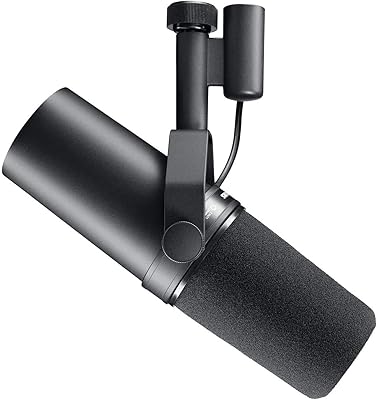
Shure SM7B
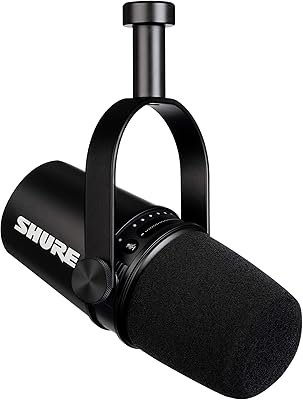
Shure MV7 USB/XLR Dynamic Microphone
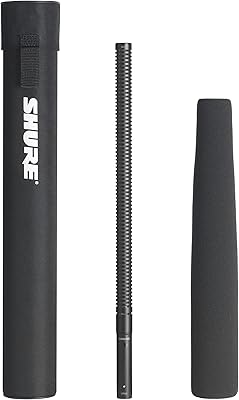
Shure VP89L Long Shotgun Microphone
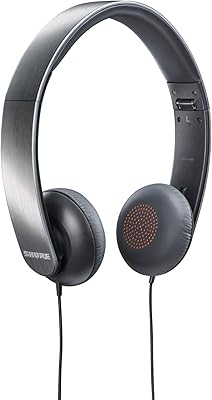
Shure SRH145 Closed-Back On-Ear Headphones
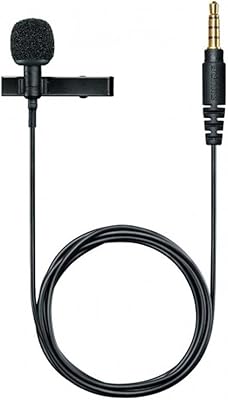
Shure MVL Lavalier Microphone
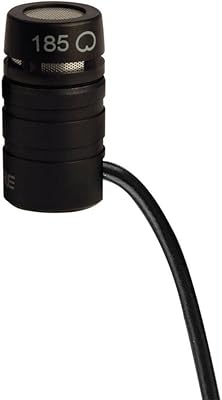
Shure WL185 Cardioid Condenser Lavalier Microphone
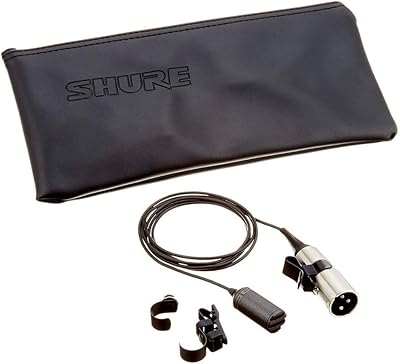
Shure SM11 Dynamic Lavalier Microphone
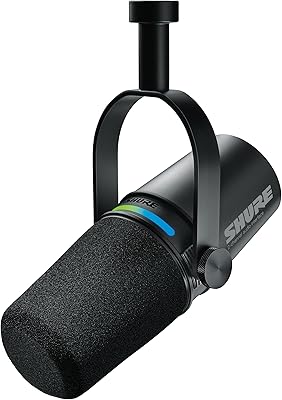
Shure MV7i