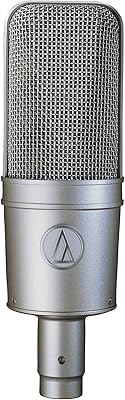
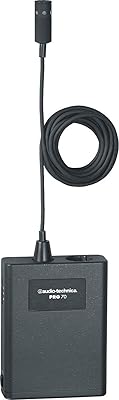
Overview

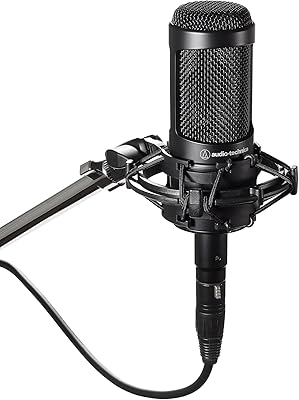
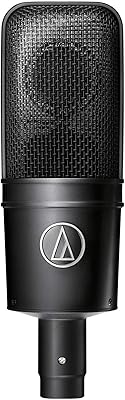
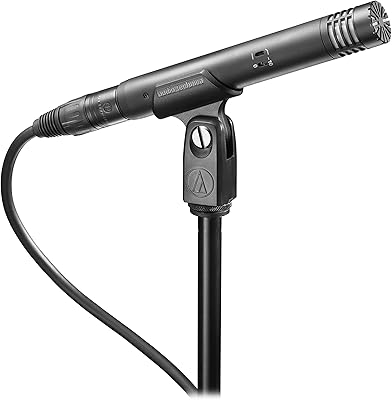
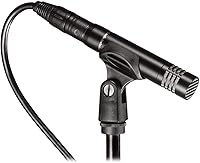
The Audio-Technica AT2021 Cardioid Condenser Microphone sits comfortably in the brand's mid-range lineup — a clear step above beginner USB mics, aimed at hobbyists and semi-pros who are ready to build a real recording setup. One thing to know upfront: the AT2021 is XLR-only, which means you will need an audio interface or mixer before you can use it. That is not a flaw — it is a deliberate design choice that pushes you toward a cleaner signal chain. Weighing under 10 oz and measuring roughly 5 by 9.5 inches, this small-diaphragm condenser fits easily on most standard boom arms and desktop stands, making it practical even in tight home studio spaces.
Features & Benefits

The low-mass condenser capsule at the heart of the AT2021 is particularly well-suited for instruments with a fast attack — acoustic guitar, piano, and cymbals all come through with real detail rather than a blurred, softened sound. Frequency response reaches up to 16,000 Hz, giving the top end a smooth, open quality that avoids the brittle harshness some budget condensers produce. It also tolerates high SPL sources well, so close-miking a loud amp or a snare is not out of the question. The 78 dB signal-to-noise ratio keeps the noise floor reasonably quiet for this tier — solid, though not equivalent to a purpose-built vocal condenser in a treated room. The cardioid pattern does a respectable job of rejecting room bleed, which matters when you are recording without acoustic treatment.

Best For

This XLR condenser mic punches above its weight for acoustic instrument recording — if you primarily record acoustic guitar, piano, or need a reliable overhead for drum sessions, the AT2021's transient accuracy makes it a natural fit. It is also a practical choice for streamers and podcasters who have already invested in an audio interface and want a meaningful step up from a USB microphone without breaking the bank. Beginners learning the basics of a proper signal chain will find it a forgiving, educational first real mic. That said, if you are mainly recording vocals and want that thick, forward warmth from a large-diaphragm capsule, this mic will not fully satisfy — it is built for accuracy, not flattering coloration.

User Feedback

With a 4.6-star average across over 200 ratings, the AT2021 earns broadly positive feedback — but the picture is worth examining carefully. Buyers consistently praise its natural sound reproduction and the build quality, which feels more substantial than you might expect at this price point. The XLR requirement, however, catches some buyers off guard; a handful of reviews mention arriving home only to realize they needed a separate audio interface to get started. Self-noise is mentioned positively by instrument recorders, though vocal-focused users occasionally note the floor becomes audible in very quiet passages. A few comparisons with other budget condensers suggest this XLR condenser mic holds its own against slightly pricier competition, particularly for instrument work where accuracy matters most.

Pros

  • Accurate transient response makes it one of the better small-diaphragm condensers for acoustic guitar and piano at this price point.
  • Smooth frequency response up to 16,000 Hz avoids the harsh, peaky character common in competing budget condensers.
  • Handles high SPL sources without distorting, making close-miking loud instruments a genuinely practical option.
  • The cardioid polar pattern rejects off-axis noise effectively, which is a real help in untreated home recording spaces.
  • Build quality feels solid and durable — noticeably more substantial than the price tag might lead you to expect.
  • Compact and lightweight at under 10 oz, fitting most standard boom arms and desk stands without counterbalance issues.
  • Ships with a functional stand clamp and protective pouch — practical inclusions with no filler accessories padding the bundle.
  • Two-year manufacturer warranty offers genuine peace of mind that many competing budget mics do not provide.
  • Integrates cleanly into any standard XLR interface or mixer that supplies phantom power, with no compatibility surprises.
  • A 4.6-star average across over 200 real-world buyers reflects consistent, reliable performance rather than a lucky batch of reviews.

Cons

  • Requires a separate XLR audio interface or mixer to function — no USB option exists, and that hidden cost catches many buyers off guard.
  • Self-noise becomes noticeable in very quiet recording environments, limiting usefulness for ASMR or highly sensitive spoken-word content.
  • Not a satisfying choice for solo vocalists who want warmth and body — the sound is accurate, not flattering or forgiving.
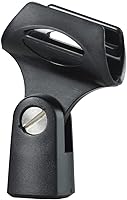
  • The included stand clamp is basic; most serious setups will need a separate shock mount to eliminate low-frequency vibration rumble.
  • No built-in pad or high-pass filter, which reduces flexibility when switching between loud and delicate recording scenarios.
  • Mono only — stereo recording requires purchasing a second unit and a compatible stereo bar, adding significant cost.
  • Phantom power dependency means the mic is completely non-functional without the right interface — easy to overlook at the point of purchase.
  • Compared to large-diaphragm alternatives in the same price bracket, the AT2021 can sound noticeably thin on lead vocal recordings.
  • No onboard gain or level control, so managing input levels relies entirely on the quality and headroom of your interface.
  • Sitting at rank 550 in its category means competition is dense; buyers should audition alternatives before committing.

Ratings

The scores below were generated by our AI after analyzing verified buyer reviews for the Audio-Technica AT2021 Cardioid Condenser Microphone from across multiple global markets, with spam, incentivized, and bot-flagged submissions actively filtered out. Each category reflects real-world usage patterns — from home studio instrument sessions to streaming and voice-over setups — so the numbers you see are shaped by people who actually used the mic, not promotional copy. Both the genuine strengths and the recurring pain points buyers reported are transparently reflected in every scorecard below.
Instrument Recording
91%
Home studio musicians consistently point to acoustic guitar as a standout use case — the low-mass capsule captures pick attack, string resonance, and fret detail with a clarity that most budget mics simply blur over. Piano and drum overhead recordings also benefit from the same transient accuracy, making this the AT2021's clearest area of strength across the board.
For highly dynamic instruments like violin at full bow pressure, some users note the mic can feel slightly aggressive in the upper mids compared to purpose-built instrument condensers in higher price brackets. Very loud brass or amplified instruments close-miked may push some users toward a dynamic mic for better control.
Sound Quality
84%
Across a wide range of recording scenarios, users describe the sound as honest and natural rather than colored or artificially brightened — a quality that holds up especially well when tracking acoustic instruments in a home studio context. The smooth frequency response means recordings translate well across different playback systems without requiring heavy post-processing corrections.
Buyers expecting the thick, forgiving character of a large-diaphragm condenser will find the sound leaner and more clinical than expected on solo voice tracks. In an untreated room, the mic's accuracy becomes a double-edged trait — it reproduces room reflections as faithfully as it captures the source, which some vocalists find unflattering.
Value for Money
86%
Users building their first serious recording rig consistently rate this XLR condenser mic as one of the smarter investments at its price point — especially those who already own an interface. The combination of build quality, included accessories, and a 2-year warranty makes the total package feel more complete than many competitors in the same segment.
The value equation changes significantly for buyers who did not budget for a separate audio interface — once that cost is added, the all-in price may feel steep for what is ultimately a beginner-to-mid-tier mic. Comparable USB condensers lower the barrier to entry, even if signal quality is not quite on par.
Ease of Setup
61%
39%
For anyone who already owns an XLR interface, plugging in this small-diaphragm condenser is genuinely straightforward — connect the cable, switch on phantom power, and recording begins within minutes. Users with an existing signal chain in place report no compatibility surprises and a clean, predictable gain structure from most popular interfaces.
The XLR-only design is a real barrier for complete beginners — multiple reviewers describe a frustrating unboxing moment when they realized nothing would work without a separate audio interface and XLR cable, neither of which are included. That additional purchasing step and the technical knowledge it requires is the most frequent source of one-star reviews.
Vocal Performance
63%
37%
For spoken-word applications like podcast hosting, voice-over work, or narration, users find this XLR condenser mic captures voice with commendable clarity and intelligibility. It works particularly well for group vocal applications where a natural, uncolored sound is more important than flattering individual tone or presence.
Solo singers consistently note that the small-diaphragm design lacks the warmth and presence lift that makes a voice sound polished on record — particularly for close-up, intimate vocal takes. Reviewers who switched from a large-diaphragm condenser often describe the voice capture as flat or overly analytical, and a fair number end up purchasing a different mic for lead vocals.
Build Quality
81%
19%
The metal body and overall construction draw consistent praise from users who expected something cheaper-feeling at this price level — it does not rattle, flex, or feel hollow when handled. Several reviewers note it has survived years of regular home studio use without any functional degradation, which is a practical endorsement of its durability.
The included stand clamp is the weakest link in the physical package — it does its job but lacks the stability and vibration isolation that a proper shock mount provides, and a fair number of users replace it fairly quickly. The matte black finish also shows smudges and handling marks noticeably after extended regular use.
Self-Noise Performance
73%
27%
In typical home studio recording conditions — tracking acoustic guitar into a mid-range interface at moderate gain — users consistently report a clean, unobtrusive noise floor that does not interfere with the recording. For instrument work and most voice-over content, the 78 dB SNR is more than adequate and rarely draws complaints from users familiar with condenser mic fundamentals.
Users recording very soft sources at high interface gain settings notice an audible noise floor that becomes distracting in silent passages — a concern raised specifically by those doing ASMR content or near-silent ambient recordings. It is not a technical flaw per se, but it does highlight the limitations of this condenser class for ultra-low-volume applications.
Off-Axis Rejection
77%
23%
Users recording in less-than-ideal rooms with modest reflections find the cardioid pattern does a respectable job of keeping ambient noise from overwhelming the main source — noticeably better than many omni-pattern alternatives. For home setups without dedicated acoustic panels, this behavior makes the mic more forgiving in practice than its specs might suggest.
In rooms with strong parallel wall reflections or significant HVAC noise, the cardioid rejection is not enough to prevent those sounds from coloring the recording — a small-diaphragm condenser is inherently more sensitive than a dynamic alternative in the same environment. Users in genuinely noisy spaces still need to manage room acoustics rather than relying purely on the polar pattern.
SPL Handling
83%
Guitarists using the AT2021 as a close-position room mic appreciate that it tolerates closer placement without the signal breaking apart under pressure — a trait that gives real flexibility in mic positioning without needing to pad the input gain. Drummers using it for overhead duty also report clean capture even during harder-hitting passages and louder rehearsal volumes.
There is no built-in pad switch, which means managing very high sound pressure levels depends entirely on the headroom and input sensitivity controls of the connected interface. Users with budget interfaces and limited gain control may still encounter clipping in extreme close-miking scenarios, and a mic with a switchable pad simply offers more flexibility in those situations.
Frequency Response
82%
18%
The smooth, extended top end comes up repeatedly in positive reviews from users tracking acoustic guitar, where brittle or harsh high-frequency peaks are a common frustration with cheaper mics. The natural roll-off behavior means recordings require less corrective equalization after the fact, which is genuinely appreciated by beginners still developing their mixing skills.
Some users expecting a flat reference-quality response note that the listed upper frequency limit of 16,000 Hz stops short of the full 20,000 Hz ceiling many recording condensers achieve, which can matter for overtone-rich instruments like cymbals or bowed strings. It is a minor limitation in practice, but worth knowing for users with particularly demanding high-frequency source material.
Accessories & Packaging
67%
33%
The protective soft pouch is a practical inclusion that users who transport the mic between locations appreciate more than they initially expected — it keeps the capsule safe during bag storage without requiring an immediate extra purchase. The stand clamp is serviceable enough to get new users recording on day one without additional accessories.
No XLR cable, no shock mount, and no interface are included, which means buyers starting from scratch have a longer shopping list than the box implies — a point that generates real frustration in reviews. The stand clamp draws specific criticism for transmitting desk vibrations directly into recordings, making an aftermarket shock mount feel like an almost mandatory follow-up purchase.
Durability
79%
21%
Long-term owners who have used this small-diaphragm condenser in regular home studio sessions for two or more years report that both the capsule and XLR connector remain fully functional without noticeable degradation in sound quality. The metal construction holds up well to everyday handling, and the 2-year warranty provides a meaningful safety net during the ownership period.
A small number of users report capsule sensitivity issues after exposure to high humidity environments — condensers in general require drier storage conditions than dynamics, and this mic is no different. The soft pouch offers minimal structural protection against drops or impacts, so users who move the mic frequently may want a hard shell case for proper long-term protection.
Compatibility
74%
26%
The standard 3-pin XLR output means this mic works with virtually any interface, mixer, or preamp on the market that accepts XLR input and supplies phantom power — a universally positive trait that rarely generates complaints. Users switching between different interfaces in their setup report no impedance or gain-staging issues under normal operating conditions.
The complete absence of a USB output makes it incompatible with direct computer recording without additional hardware — a limitation that frustrates mobile content creators or anyone working in a laptop-only setup without a portable interface. There is no digital connectivity of any kind, which reflects its positioning as a traditional studio tool rather than a modern plug-and-play solution.
Streaming & Podcast Use
76%
24%
Streamers and podcasters who pair the AT2021 with a quality interface and manage their room acoustics report clean, intelligible voice capture that holds up well against dedicated podcast microphones in the same price range. The cardioid pattern's side rejection helps reduce desk fan noise and keyboard bleed that would otherwise creep into a livestream or recorded episode.
Without built-in direct monitoring capability, streamers relying on zero-latency playback must route everything through their interface — an extra step that surprises users coming from all-in-one USB solutions. The vocal character, while clear, also lacks the proximity-enhancing warmth that many podcasters prefer for a broadcast-quality voice texture on solo hosting work.
Warranty & Brand Support
78%
22%
Audio-Technica's 2-year limited warranty is more generous than the standard 1-year coverage many competing brands offer at this price tier, and users who have contacted support generally describe the experience as responsive and professional. The brand's established reputation adds a layer of confidence for first-time buyers investing in a proper XLR recording setup.
Some users report that warranty claims involve returning the unit at their own shipping expense, adding friction that surprises buyers who assumed the process would be more straightforward. Online community forums tend to provide faster practical help than official support channels, which suggests there is room to improve direct service responsiveness at this market tier.

Suitable for:

The Audio-Technica AT2021 Cardioid Condenser Microphone is a strong match for anyone ready to graduate from a USB plug-and-play setup into a proper XLR recording chain. Home studio musicians who record acoustic guitar, piano, or drum overheads will appreciate its accurate transient response and smooth top end — the small-diaphragm design captures fast, detailed sound sources with a naturalness that most budget USB mics simply cannot match. Streamers and podcasters who already own or plan to buy an audio interface will find it a reliable, low-maintenance workhorse that holds up well over time. Beginners building their first serious recording rig will also benefit, since this XLR condenser mic teaches good signal chain habits while delivering quality that will not feel limiting for years. Content creators who need a dependable mic for voice-over work or instrument capture, without constantly upgrading gear, will find it punches well above its price tier.
Not suitable for:

The Audio-Technica AT2021 Cardioid Condenser Microphone is not the right tool if you are looking for a plug-and-play solution — you will need a separate audio interface with phantom power before you can use it at all, which adds real cost and setup complexity that many buyers do not anticipate. If you are a vocalist who prioritizes warmth and presence over accuracy, a large-diaphragm condenser will serve you considerably better; the small-diaphragm design is optimized for instrument clarity, not the forward, full-bodied character most singers want on their voice. Buyers on a tight budget who cannot yet invest in a quality interface should look at USB condenser alternatives first. The 78 dB SNR, while decent for its class, is not going to satisfy anyone who needs a near-silent noise floor for ASMR or highly sensitive spoken-word content recorded in an already quiet room. Finally, if you need stereo recording capability from a single unit, this mic's mono, single-channel design will not meet that need.
Specifications

  • Mic Type: Small-diaphragm cardioid condenser microphone built for accurate instrument and vocal capture in home studio and live recording environments.
  • Polar Pattern: Unidirectional cardioid pattern concentrates pickup directly in front of the capsule while rejecting sound arriving from the sides and rear.
  • Connector: Standard 3-pin XLR output that requires a compatible audio interface, mixer, or preamplifier to operate — no USB connectivity is available.
  • Frequency Response: Extended high-frequency response reaching up to 16,000 Hz, tuned to reproduce a smooth and natural top end across instruments and voice.
  • Signal-to-Noise Ratio: 78 dB SNR delivers a reasonably clean noise floor appropriate for most home studio recording tasks at this price tier.
  • Power Source: Operates exclusively on phantom power supplied through a connected XLR-compatible audio interface or mixer, with no battery option available.
  • Weight: Weighs 9.6 oz (0.6 lb), light enough to mount on most standard desktop stands and boom arms without requiring counterbalance adjustments.
  • Dimensions: Body measures 5 x 2.75 x 9.5 inches, compatible with standard microphone clips and aftermarket shock mounts designed for small-diaphragm condensers.
  • Capsule Design: Low-mass diaphragm element engineered for fast transient response, particularly effective on percussive and plucked instruments with sharp attack characteristics.
  • SPL Handling: Designed to tolerate high sound pressure levels without distortion, making close-miking of louder acoustic sources a practical option.
  • Channels: Single-channel mono output; capturing stereo recordings requires a matched pair of microphones and a stereo-capable audio interface.
  • Compatible Devices: Works with any audio mixer, preamplifier, or audio interface that accepts a standard XLR input and supplies phantom power.
  • Included Accessories: Package includes a stand clamp for mounting on a standard microphone stand and a soft protective pouch for storage and transport.
  • Color: Finished in matte black that blends unobtrusively into most home studio, streaming desk, and live recording environments.
  • Warranty: Backed by Audio-Technica's 2-year limited manufacturer warranty covering defects in materials and workmanship from the date of purchase.

Related Reviews
Audio-Technica AT2020
81%
92%
Vocal Clarity
94%
Build Durability
96%
Value for Money
83%
Background Noise Rejection
62%
Plosive Management
More
Audio-Technica AT4041 Cardioid Condenser Microphone
81%
93%
Sound Accuracy
91%
Transient Response
94%
Unit Consistency
34%
Accessories & Packaging
78%
Value for Money
More
Audio-Technica AT4040
83%
92%
Sound Transparency
88%
Build Quality
86%
Transient Response
83%
Value for Money
84%
Off-Axis Rejection
More
Audio-Technica ATM710 Cardioid Condenser Microphone
78%
86%
Vocal Clarity & Detail
74%
Stage Performance
83%
Build Quality
84%
Handling Noise Rejection
81%
Plosive & Sibilance Control
More
Audio-Technica AT2035
87%
91%
Audio Transparency
88%
Build Durability
86%
Self-Noise Levels
93%
High SPL Handling
74%
Environmental Isolation
More
Audio-Technica AT2010
85%
93%
Vocal Clarity & Articulation
91%
High-Frequency Detail
84%
Feedback Resistance
78%
Handling Noise Suppression
88%
SPL Handling
More
Audio-Technica AT4021 Cardioid Condenser Microphone
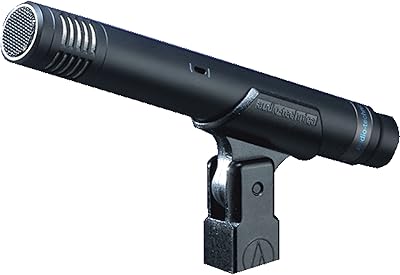
81%
93%
Tonal Accuracy
88%
Noise Floor Performance
87%
Build & Durability
84%
Value for Money
92%
Transient Response
More
Audio-Technica AT2020USB+ USB Condenser Microphone
79%
88%
Audio Quality
94%
Ease of Setup
91%
Zero-Latency Monitoring
83%
Build Quality
76%
Value for Money
More
Audio-Technica AT4047/SV Cardioid Condenser Microphone
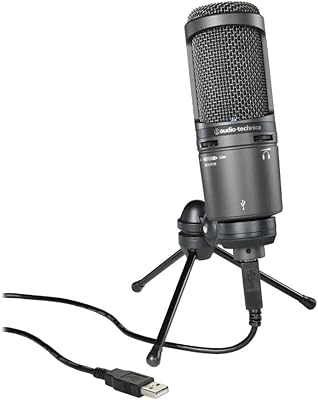
83%
93%
Tonal Character
91%
Self-Noise & Clarity
89%
Build Quality
92%
Vocal Performance
58%
Preamp Dependency
More
Audio-Technica AE5400 Cardioid Condenser Microphone
77%
92%
Vocal Sound Quality
86%
Handling Noise Rejection
91%
Noise Floor and Signal Clarity
64%
Feedback Resistance
69%
Value for Money
More

FAQ

You will need a separate audio interface or mixer that has an XLR input and can supply 48V phantom power — the mic has no USB output and cannot connect directly to a computer on its own. This is the single most common surprise buyers run into, so it is worth factoring the cost of an interface into your total budget before purchasing. Entry-level interfaces from brands like Focusrite or PreSonus work well and do not need to be expensive.

It captures voice clearly and with good detail, but its small-diaphragm design prioritizes accuracy over warmth. Singers who want that full, forward, intimate character typical of dedicated vocal condensers may find it a bit flat-sounding by comparison. It is a better fit for spoken-word content, voice-over work, or group vocals than for lead vocal recording where tonal color matters more.

Any entry-level interface with a single XLR input and switchable 48V phantom power will do the job well. Just make sure the interface explicitly supports phantom power — some very basic models omit it. A single-channel interface is more than sufficient unless you plan to record two sources simultaneously.

The cardioid pickup rejects sound coming from the sides and rear reasonably well, which reduces room reflections and ambient noise compared to an omnidirectional mic. That said, condensers are inherently sensitive, so a reverberant or noisy room will still affect your recordings. Adding soft furnishings or a basic reflection filter behind the mic makes a noticeable improvement without major acoustic treatment.

For most instrument recording and general voice-over work, the noise floor is not an issue — the 78 dB signal-to-noise ratio is solid for this price tier. Where it can become apparent is in very quiet, high-gain scenarios like ASMR or recording very soft acoustic sources with a lot of interface gain applied. It is not a dealbreaker, but it is honest to say it is not professional studio-quiet either.

It ships with a basic stand clamp and a soft protective pouch — no shock mount is included. For most use cases the clamp works fine, but if you are recording on a desk and keyboard or surface vibrations are a concern, an aftermarket shock mount sized for small-diaphragm condensers is a worthwhile addition.

Acoustic guitar is genuinely one of its strongest applications. The low-mass capsule captures the attack and transient detail of both fingerpicking and strumming with real accuracy, and the smooth high-frequency response lets the natural brightness of the instrument come through without sounding harsh or edgy. Many home studio musicians buy this small-diaphragm condenser specifically for this purpose.

Yes, as long as you have an XLR interface in your setup. This XLR condenser mic captures voice with good clarity and low coloration, which suits spoken-word content well. If your recording space is reflective or noisy, some basic room treatment will help, since condensers pick up more ambient sound than a cardioid dynamic mic would in the same environment.

When paired with a decent audio interface, XLR microphones like this one generally deliver cleaner signal quality because the interface's preamps and analog-to-digital conversion tend to outperform the built-in electronics inside most USB mics at the same price point. The trade-off is that your total spend is higher once you include the interface. If you already own an interface, the AT2021 represents a meaningful step up from most USB alternatives in its bracket.

The cardioid pattern handles wider sound sources reasonably well when positioned correctly — a small ensemble or choir can work, especially for rehearsal capture or demo recordings. Keep in mind it is a mono microphone, so true stereo width requires a pair of mics and a stereo-capable interface. For casual group recording it performs well; for professional ensemble work, a proper stereo miking technique with two units will produce noticeably better results.

Where to Buy