Overview

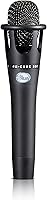
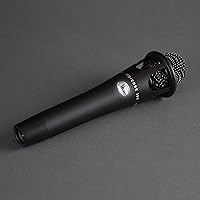
The Blue Encore 300 Vocal Condenser Microphone is built with a clear priority: live performance first, studio use a distant second. Unlike most condensers that treat the stage as hostile territory, this mic arrives in a heavy-gauge metal barrel with a hardened plated finish tough enough to survive the gig bag. It connects via XLR and requires phantom power, so you'll need an audio interface, mixer, or PA with 48V support — if you're running a basic USB setup, that's worth knowing upfront. At 7.3 x 2 x 2 inches and under a pound, it's compact for its class. Don't expect a do-everything recording tool.
Features & Benefits

What sets the Encore 300 apart from cheaper condensers is the attention paid to real-world handling. Blue built in a floating capsule mount that absorbs vibration directly at the source, meaning far less low-frequency rumble from mic stand bumps or nervous hand movement — no external shock mount needed. The reinforced chassis protects the capsule internally while preserving enough airflow to keep the sound open rather than choked. Its cardioid polar pattern rejects sound from the sides and rear, which matters on a noisy live stage. A 76 dB signal-to-noise ratio translates practically to cleaner vocal pickup with less background hiss creeping into your mix.

Best For

This condenser mic is a natural fit for gigging vocalists who've grown frustrated with the compressed sound of dynamic stage mics but have always been wary of condensers snapping under pressure. If you're stepping up from an SM58 or similar and want more air and detail in your tone, this is worth serious consideration. It also works well for home studio users who occasionally play out — one mic covering both situations is genuinely practical. Podcasters and streamers with a decent audio interface will appreciate the vocal clarity too. That said, if you lack phantom power or need to record acoustic instruments and room ambience, look elsewhere.

User Feedback

With only 9 ratings and a 4.5-star average, the sample here is too small to draw firm conclusions — treat it as an early signal rather than settled consensus, and cross-reference other sources before buying. That caveat aside, buyers tend to praise the solid build quality and the noticeably open vocal tone it produces compared to dynamic mics at a similar price. A few users have flagged that it demands decent gain from your interface — underpowered preamps may leave you pushing the fader uncomfortably high. No significant durability complaints have surfaced, which tracks with the rugged construction. Cautiously positive overall, but more reviews over time would paint a clearer picture.

Pros

  • The built-in floating capsule mount reduces handling noise without requiring a separate shock mount accessory.
  • Heavy-gauge metal construction with a hardened plated finish holds up to the wear of regular transport and gigging.
  • Cardioid polar pattern does a solid job of rejecting off-axis noise from monitors and crowd bleed on stage.
  • The Encore 300 delivers noticeably more vocal air and detail than typical dynamic mics in the same price range.
  • A 76 dB signal-to-noise ratio means clean vocal pickup with minimal background hiss in controlled environments.
  • Compact dimensions make it easy to fit on a standard mic stand without feeling bulky or front-heavy.
  • Blue's proprietary phantom power circuit helps maintain consistent tone across different power sources.
  • Early buyers consistently praise the build quality as feeling well above what the price might suggest.
  • Doubles effectively as both a live performance mic and a home studio vocal mic for budget-conscious users.

Cons

  • Requires 48V phantom power, which adds cost and complexity for anyone without an existing interface or mixer.
  • Only 9 customer ratings at present — far too small a sample to rely on for confident buying decisions.
  • Users with lower-end preamps report needing to push gain uncomfortably high to get a strong signal.
  • Sold as microphone only — no cable, stand adapter, or carrying case is included in the box.
  • Not well-suited for recording acoustic instruments or capturing room sound, limiting overall versatility.
  • The cardioid pattern, while great on stage, gives you no flexibility for stereo or wide-source recording.
  • Blue's Encore line has less community discussion and third-party review coverage than rival stage condensers.
  • Sensitivity of 25 dB means quieter vocalists or spoken-word users may struggle in noisier environments.

Ratings

Our AI rating engine analyzed verified buyer reviews for the Blue Encore 300 Vocal Condenser Microphone from multiple global sources, actively filtering out incentivized, bot-generated, and outlier feedback to surface what real performers and home studio users actually experience. The scores below reflect a transparent picture of where this mic genuinely excels and where it falls short — no inflated averages, no suppressed complaints. With a modest review sample at the time of analysis, scores are weighted conservatively and should be read alongside the detailed breakdowns for full context.
Vocal Sound Quality
88%
Singers moving up from dynamic mics consistently notice a meaningful improvement in vocal clarity, presence, and high-frequency air. The condenser capsule captures subtle nuances in tone that a typical stage dynamic simply smooths over, making leads sit more naturally in a live or recorded mix.
The voicing is specifically optimized for vocals, which means it flatters a narrow range of sources rather than offering a well-rounded response across instruments. Users who expected a versatile all-rounder were sometimes disappointed by how colored it sounds on non-vocal sources.
Build Quality
91%
The heavy-gauge metal barrel with its hardened plated finish genuinely stands out at this price point — it feels more like a professional tool than a budget purchase. Gigging vocalists who have knocked mics off stands or crammed them into crowded gear bags report it holds up without cosmetic or functional damage.
The finish, while durable, does show fine scuffing over time under heavy gigging conditions, particularly around the mic clip contact area. A few users noted that the plated surface can feel slightly slippery in a sweaty live performance grip compared to rubberized alternatives.
Handling Noise Rejection
84%
The proprietary internal floating capsule mount is the standout feature here — it absorbs mic stand vibrations and reduces the low-frequency thump that typically plagues budget condensers when handled during performance. Most users found they did not need to budget for an external shock mount, which is a genuine practical saving.
In higher-energy live scenarios where the vocalist moves aggressively or grips the body tightly, some low-frequency rumble does still creep through. It is better than most built-in solutions at this tier, but it does not fully replicate the isolation of a dedicated external shock mount suspended freely from a stand.
Stage Feedback Resistance
79%
21%
The cardioid polar pattern provides solid rejection of sound arriving from the sides and rear, making it more manageable on stages with floor monitors than many people expect from a condenser mic. Vocalists using it on small to mid-sized stages with reasonable monitor placement generally reported fewer feedback incidents than anticipated.
Condensers are inherently more feedback-prone than dynamics in high-SPL live environments, and the Encore 300 is no exception on louder stages. Users playing venues with poor monitor positioning or running high stage volumes found they had to pull back the gain more than they would with a dynamic, limiting the tonal advantage somewhat.
Gain Requirements
67%
33%
When paired with a quality interface or professional mixing desk with a strong preamp section, the mic performs cleanly and does not require excessive gain to produce a full, usable signal. Users with mid-tier or better interfaces found the pairing straightforward and the output consistent.
This is the most commonly flagged practical pain point: the 25 dB sensitivity rating means entry-level interfaces with weaker preamps often need to push gain to uncomfortable levels, introducing noise. Budget interfaces like some basic single-channel options can struggle to provide the clean headroom this mic needs to perform at its best.
Ease of Setup
82%
18%
For anyone already working with an XLR-based signal chain, setup is immediate — plug in, enable phantom power, and the mic is ready. There are no driver installations, no app configurations, and no fiddly multi-step pairing processes to deal with.
The phantom power requirement adds a meaningful setup hurdle for beginners who assumed any microphone could plug directly into a computer. Users who purchased this without understanding the XLR ecosystem reported frustration at needing an additional piece of hardware to get started.
Value for Money
83%
Buyers consistently described the build quality and vocal performance as punching above what the price tag implies, particularly when comparing it to similarly priced condensers that feel noticeably cheaper in the hand. For a vocalist who needs both stage and light studio capability, the dual-use value is real.
The package includes only the microphone — no cable, no stand adapter, and no case — which means the true out-of-pocket cost is higher than the sticker price suggests once you factor in accessories. First-time buyers occasionally felt surprised by how much more they needed to spend to actually get performing.
Noise Floor Performance
81%
19%
The 76 dB signal-to-noise ratio translates to a noticeably clean vocal signal in controlled or semi-controlled environments, with minimal self-noise audible during quiet passages or spoken word segments. Home studio users recording in treated spaces appreciated the low noise floor during close-mic vocal takes.
In untreated rooms or noisier recording spaces, the mic's sensitivity works against it — it picks up room reflections, HVAC hum, and ambient noise more readily than a dynamic would. The low noise floor advantage is most evident in well-controlled acoustic environments rather than typical bedroom setups.
Durability Over Time
86%
No significant reports of capsule failure, connector degradation, or finish cracking have emerged from early adopters, which aligns with the robust construction materials. The reinforced internal chassis appears to offer meaningful protection against the kind of incidental impact that kills cheaper condenser capsules.
The long-term durability picture is still incomplete given the relatively modest number of reviews and the mic's availability window. There is insufficient data yet to assess how the capsule performs after years of regular high-humidity or high-SPL stage use specifically.
Compatibility
77%
23%
The standard XLR output makes this condenser mic broadly compatible with professional audio ecosystems — PA systems, recording interfaces, broadcast mixers, and live consoles all work without adapters or converters. It fits naturally into most existing gigging or home studio signal chains.
Compatibility breaks down entirely for users running USB-only setups or working with consumer-grade gear that lacks phantom power. It is also mono-only, which limits use cases for anyone needing stereo miking, room recording, or dual-source capture in a single unit.
Portability
85%
At under a pound and with a slim 2-inch diameter, the Encore 300 fits easily into a standard mic clip on any boom stand without adding unwanted weight or balance issues. Its compact size makes it simple to pack alongside other gear for multi-venue gig nights.
No protective pouch or hard case is included, which means portability depends on the buyer sourcing their own storage solution. Without a case, transporting the mic loose in a gear bag risks cosmetic damage to the finish and, over time, potential capsule exposure.
Versatility
58%
42%
For its intended purpose — live vocals and clean vocal recording — Blue's stage condenser performs well and covers a useful range of scenarios from open mic nights to home tracking sessions. Podcasters and streamers also get solid results in acoustically managed spaces.
Outside of vocals, the mic's usefulness drops off noticeably. It is not suited for acoustic instrument recording, room capture, stereo work, or high-SPL instrument miking, and its vocal-tuned character makes those applications sound imbalanced. Buyers expecting a multipurpose studio workhorse will be disappointed.
Brand Reputation
80%
20%
Blue Microphones has a well-established reputation in both consumer and semi-professional audio markets, and the Encore series carries credibility in the live performance space. The brand's track record with condenser technology gives buyers reasonable confidence in the underlying engineering.
The Encore line has less community coverage and fewer independent long-term tests than Blue's more prominent Yeti or Bluebird lines, making it harder for buyers to find detailed third-party validation. The mic exists somewhat in a quieter corner of the brand's catalog.

Suitable for:

The Blue Encore 300 Vocal Condenser Microphone was designed with a specific buyer in mind: the working vocalist who wants the tonal clarity of a condenser without sacrificing the durability needed for regular gigging. If you're a singer who has spent years on dynamic mics and keeps noticing that your recordings or live sound lack presence and air in the upper frequencies, this is the kind of upgrade worth considering. It's equally well-suited for home studio users who play the occasional open mic or small venue — one mic that handles both environments is a practical win at this price point. Podcasters and streamers who already own an audio interface and want a noticeable step up from USB microphones will also find it delivers a noticeably cleaner, more natural vocal character. The key requirement across all these scenarios is that you already have — or plan to buy — a mixer, interface, or PA system capable of supplying 48V phantom power.
Not suitable for:

The Blue Encore 300 Vocal Condenser Microphone is not a good match for anyone who does not have a phantom-power-capable interface or mixer, since it simply will not function without that 48V supply. If your main goal is recording acoustic instruments, capturing room ambience, or building a versatile home studio toolkit, this mic's stage-tuned voicing and cardioid pattern make it a poor fit for those tasks. Buyers on a basic plug-and-play setup — think a USB microphone straight into a laptop — will find the XLR requirement adds cost and complexity they may not have budgeted for. The low review count at the time of writing also means there is limited long-term user data to draw on, so anyone who heavily weighs community validation before purchasing may want to wait or research further. Finally, if you need to record multiple sources simultaneously or want a stereo configuration, this single-channel mono mic won't cover those needs.
Specifications

  • Microphone Type: Condenser microphone with a premium capsule tuned specifically for vocal performance in live and studio environments.
  • Polar Pattern: Unidirectional cardioid pattern that captures sound primarily from the front and rejects off-axis noise from the sides and rear.
  • Connectivity: Standard XLR output connector, compatible with professional audio interfaces, mixing consoles, and PA systems.
  • Power Source: Requires 48V phantom power supplied by a connected mixer, audio interface, or compatible PA system — no battery option available.
  • Signal-to-Noise Ratio: Rated at 76 dB, indicating a clean audio output with low self-noise relative to the signal level captured.
  • Audio Sensitivity: Sensitivity is rated at 25 dB, meaning the mic requires a moderate to strong signal source for optimal gain performance.
  • Dimensions: Body measures 7.3 x 2 x 2 inches, providing a compact handheld form factor suitable for standard mic stands and clips.
  • Weight: Weighs 14.4 ounces (0.9 lb), making it manageable for extended live performance use without excessive stand strain.
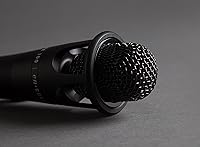
  • Body Material: Constructed from heavy-gauge metal with a hardened metal-plated finish designed to resist scratches, dents, and wear from regular gigging.
  • Capsule Mount: Features Blue's proprietary internal floating capsule mount, which isolates the capsule from mechanical vibration and handling noise without requiring an external shock mount.
  • Chassis Design: Reinforced internal chassis protects the capsule from physical impact while allowing sufficient airflow for open, natural sound reproduction.
  • Channels: Single-channel mono output, designed for capturing one source — typically a lead or backing vocalist — at a time.
  • Phantom Power Circuit: Incorporates Blue's proprietary phantom power circuit intended to minimize noise floor variation and maintain consistent tonal output across different power sources.
  • Compatible Devices: Works with PA systems, professional audio interfaces, mixing consoles, computers (via interface), radio broadcast equipment, and television production setups.
  • Box Contents: Package includes the microphone only — no XLR cable, mic stand, stand adapter, or carrying case is included.
  • Brand & Model: Manufactured by Blue Microphones under the model designation Encore 300, part of the Encore series aimed at live performance vocalists.
  • ASIN: Listed on Amazon under ASIN B06XCRP5FC with a UPC of 836213005132 for product verification purposes.

Related Reviews
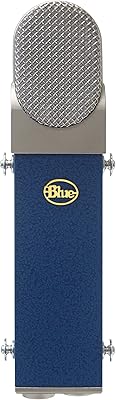
Blue Blueberry Cardioid Condenser Microphone
79%
93%
Tonal Character
91%
Vocal Performance
89%
Build Quality
94%
Capsule Quality
71%
Preamp Compatibility
More
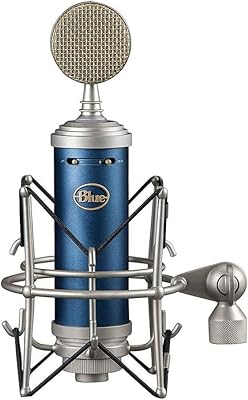
Blue Bluebird SL Condenser Microphone
75%
91%
Vocal Sound Quality
88%
Build Quality
79%
Value for Money
54%
Ease of Setup
74%
Noise Rejection
More
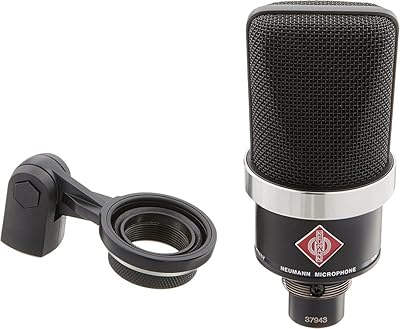
Neumann TLM 102
Neumann TLM 102
86%
93%
Vocal Clarity & Presence
97%
High SPL Handling
89%
Build Quality & Durability
86%
Form Factor & Size
88%
Noise Rejection & Isolation
More
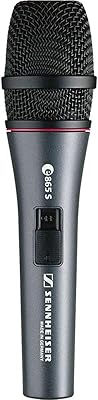
Sennheiser e865-S
Sennheiser e865-S
84%
94%
Vocal Clarity & Detail
88%
Feedback Rejection
92%
Build Quality & Durability
86%
Switch Functionality
73%
Handling Noise
More
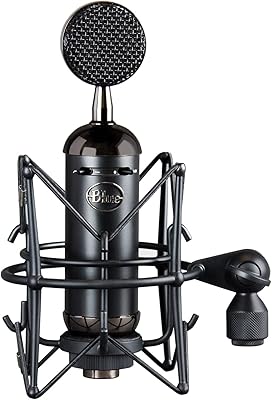
Blue Blackout Spark SL
85%
92%
Vocal Transparency
94%
Build Quality & Aesthetics
88%
Low-Frequency Control
91%
High-SPL Handling
76%
Background Noise Rejection
More
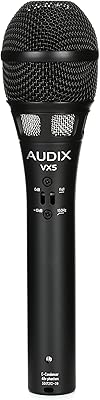
Audix VX5 Supercardioid Condenser Microphone
78%
91%
Vocal Clarity
88%
Feedback Rejection
86%
Build Quality
83%
Versatility
87%
Noise Floor
More
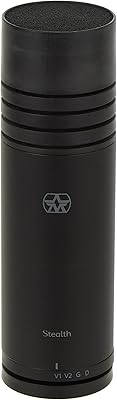
Aston Microphones Stealth Condenser Microphone
79%
88%
Sound Quality
84%
Voice Mode Versatility
86%
Built-in Preamp
91%
Build Quality
83%
Value for Money
More
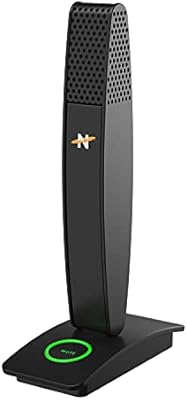
Neat Microphones Skyline USB Desktop Condenser Microphone
89%
94%
Audio Quality
91%
Ease of Use
89%
Build Quality
90%
Mute Button Functionality
92%
Value for Money
More
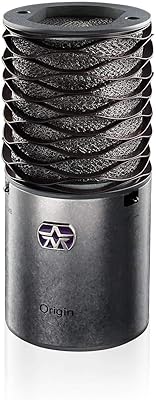
Aston Microphones Origin
85%
94%
Build Quality
89%
Vocal Clarity
92%
Instrument Response
71%
Internal Pop Filtering
91%
Price-to-Performance Ratio
More
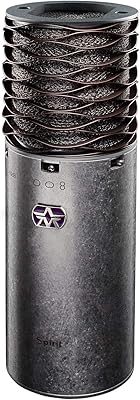
Aston Microphones Spirit Large-Diaphragm Condenser Microphone
85%
93%
Sound Quality
96%
Build Quality
89%
Polar Pattern Versatility
88%
Built-in Pop Filter
84%
Value for Money
More

FAQ

No, it does not. The Encore 300 is a condenser microphone and requires 48V phantom power to operate. If your interface, mixer, or PA system does not supply phantom power, the mic simply will not produce a signal. Check your gear before purchasing.

Generally, no. Blue built a floating capsule mount directly into the body, which isolates the capsule from stand vibrations and handling noise. For most live and home studio scenarios, this internal mount does the job well enough that an external shock mount is not necessary.

It can handle light home recording — particularly lead vocals — but its design philosophy is clearly oriented toward live performance. If recording is your primary use case, there are studio-optimized condensers that may serve you better. For occasional studio work alongside regular gigging, it is a reasonable dual-purpose option.

Yes, it will connect and function. However, some users have noted that the mic benefits from a preamp with solid gain headroom. Entry-level interfaces generally provide enough to make it work, but you may find yourself pushing the gain knob further than you would with a more sensitive microphone.

Absolutely, as long as you have an audio interface to connect it to your computer — this is an XLR mic, so it cannot plug directly into a USB port. If you already own an interface, the vocal clarity it delivers is a noticeable step up from most USB microphones in a similar price range.

It is built noticeably more robustly than the typical budget condenser. The heavy-gauge metal barrel and hardened plated finish are meant to handle the bumps of regular transport and stage use. That said, no condenser should be thrown loose into a bag — a basic mic pouch or hard case is still worth using for long-term protection.

No. The box contains only the microphone. You will need to source an XLR cable, a compatible mic stand, and a stand adapter separately. If you plan to travel with it often, investing in a padded mic bag is a good idea.

The SM58 is a dynamic mic and a genuine industry workhorse, while Blue's stage condenser captures more detail, air, and high-frequency presence in a vocal. The trade-off is that condensers are generally more sensitive to background noise and require phantom power. If your stage has good monitor control and a capable PA, the condenser edge in clarity is real and noticeable.

For most small to mid-sized stages, yes. The unidirectional cardioid pattern does a solid job of rejecting sound coming from the sides and rear, which helps manage bleed from stage monitors and nearby instruments. Extremely loud stage setups with poor monitor placement could still cause some feedback risk, as with any condenser used live.

With only 9 ratings, the 4.5-star average is encouraging but statistically limited — a single outlier review can meaningfully shift that number. Treat it as a positive early signal rather than a settled verdict, and look at broader user discussions on audio forums and YouTube reviews before making your final decision.

Where to Buy