Overview

The Behringer B-2 PRO Large-diaphragm Condenser Microphone has been quietly holding its ground in the home studio market since 2008 — a long run that speaks to consistent demand rather than hype. This is not a toy mic dressed up in professional clothing. Built from aluminum and brass, it offers genuine multipattern flexibility at a price that sits comfortably in the mid-budget range. Home studio owners, streamers, and semi-pro vocalists are its natural audience. One important heads-up before buying: the B-2 PRO is XLR-only and requires phantom power, so a compatible audio interface or mixer is non-negotiable.
Features & Benefits

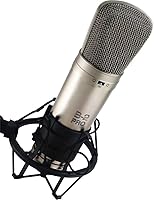
The gold-sputtered dual-diaphragm capsule is the heart of this mic, and the fact that it's shock-mounted matters more than it sounds — vibrations from desk bumps or cable movement are absorbed before they reach the capsule, keeping recordings cleaner during real-world sessions. Switching between cardioid, omnidirectional, and figure-8 patterns opens up practical options: cardioid for focused vocal takes, omni for room ambience or group recordings, figure-8 for two-person interviews. A switchable roll-off filter handles low-end buildup when working close to the mic. The flat frequency response across the full audible spectrum means what you capture is largely what is there, without heavy coloring — useful when you want your preamp and EQ to do the shaping later.

Best For

The B-2 PRO is a strong fit for home studio vocalists who want pattern-switching without paying a premium for it. Podcasters and streamers moving past USB microphones will find the sound noticeably fuller and cleaner through a decent interface. Acoustic instrument recording benefits from the omni and figure-8 modes, which capture a more natural sense of space around a guitar or piano. Voice-over artists who need transparent, low-coloration pickup will find the minimal frequency coloring a genuine advantage. One honest caveat: this dual-diaphragm condenser rewards a treated recording environment. Drop it into a live, reflective space and it will pick up everything — including what you would rather not hear.

User Feedback

With roughly 290 ratings and a 4.3-out-of-5 average, Behringer's multipattern studio mic has built a genuinely positive track record. Buyers consistently highlight the warm, detailed sound relative to the asking price and note that the build feels more solid than expected. Multipattern switching draws specific praise for working reliably without degrading signal quality. The most common friction point, though, is preamp dependency — several buyers found that pairing the mic with a budget interface introduced audible noise, while the same mic sounded considerably cleaner through a higher-quality preamp. A smaller number of reviewers flagged consistency issues between units, suggesting minor quality-control variability. Worth knowing, though not a dealbreaker at this price tier.

Pros

  • Three switchable polar patterns offer genuine recording flexibility that is rarely found at this price point.
  • The shock-mounted dual-diaphragm capsule reduces handling noise and vibration pickup noticeably during real-world sessions.
  • A flat frequency response means recordings typically need less corrective EQ before sitting well in a mix.
  • Solid aluminum and brass construction feels more substantial than the plastic-bodied competitors in this price range.
  • The switchable low-frequency roll-off handles proximity effect and room rumble cleanly without relying on post-processing.
  • Compatible with virtually any XLR interface or mixer supplying phantom power — no proprietary hardware required.
  • A product history stretching back to 2008 points to sustained reliability and reasonable long-term parts availability.
  • Warm, detailed vocal character draws consistent praise from buyers who directly compared it against pricier alternatives.
  • At this price tier, multipattern switching alone makes a strong case for anyone recording more than one source type.

Cons

  • XLR-only connectivity means a phantom-power-capable interface or mixer is a required additional purchase — no exceptions.
  • Pairing this dual-diaphragm condenser with a budget preamp can introduce audible noise that undercuts its sonic potential.
  • Untreated recording spaces expose the mic's honest pickup nature, pushing room reflections and echo directly into the signal.
  • Occasional quality-control inconsistency between units means the buying experience is not perfectly uniform across all purchases.
  • No shock mount or carrying case is included in the box, adding hidden cost to assembling a complete working setup.
  • The sensitivity level demands careful gain staging — a weak or noisy preamp compounds hiss and background noise issues significantly.
  • At nearly a pound, it is heavier than many entry-level condensers, which can strain lighter boom arms or flimsy desk stands.
  • Not a practical choice for high-SPL sources like guitar amplifiers or drums, where a dynamic microphone would serve far better.

Ratings

Our scores for the Behringer B-2 PRO Large-diaphragm Condenser Microphone are generated by an AI system trained to analyze verified buyer reviews from multiple global markets, actively filtering out incentivized, bot-generated, and statistically anomalous feedback to surface patterns that reflect genuine real-world ownership experiences. Each category score represents a weighted synthesis across hundreds of documented buyer interactions — not any single reviewer's perspective — so both where this dual-diaphragm condenser genuinely overdelivers and where it consistently falls short are represented with equal transparency. You will find no inflated averages here: the scores reflect what real users encountered after unboxing, setting up, and recording with this mic over time.
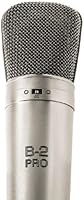
Value for Money
91%
This is the category where the B-2 PRO most consistently outperforms buyer expectations. Reviewers across multiple markets repeatedly note that three switchable polar patterns, a low-noise floor, and solid metal construction at a mid-budget price point is a combination that competing brands rarely match. Several buyers explicitly state it outperformed microphones they had previously paid significantly more for.
Value perception erodes when buyers factor in the mandatory additional cost of a capable audio interface, a shock mount, and a mic stand — none of which are included in the box. The mic's dependence on a quality preamp also means realizing its full potential requires spending more on the surrounding signal chain than many first-time buyers initially anticipated.
Pattern Versatility
93%
Three switchable polar patterns — cardioid, omnidirectional, and figure-8 — represent an unusual degree of flexibility for this price bracket, and buyers frequently cite this as the deciding factor over fixed-cardioid alternatives. The ability to shift between solo vocal isolation, two-person interview capture, and open room recording without owning multiple microphones is a concrete, practical advantage in everyday studio use.
Pattern versatility is only as useful as the recording environment allows — switching to omnidirectional in a reflective, untreated room captures everything, including what you would rather leave out. A small number of users have also noted that pattern transitions are not always perfectly seamless and occasionally require a brief signal reset before settling cleanly.
Vocal Performance
86%
Home studio vocalists consistently report that Behringer's multipattern studio mic captures voice with a natural warmth and upper-harmonic clarity that holds up without heavy post-processing. In properly treated recording spaces, buyers describe the mic as capturing breath texture and tonal detail in a way that competes with considerably pricier options on the market.
Vocalists recording in untreated bedrooms or home offices report that the honest, wide-range pickup captures room reflections, air conditioning hum, and ambient noise alongside the voice itself. Close-proximity singing can also produce noticeable proximity effect buildup, though engaging the switchable low-cut filter addresses this specific issue reasonably well in practice.
Sound Quality
83%
Buyers consistently describe the overall sonic character as warm and detailed for the price tier, with a transparency that holds up well on vocal takes and close-miked acoustic instruments alike. In treated home studio environments, the flat frequency response means recordings arrive at the mix already usable, requiring less corrective EQ work before they sit comfortably in a track.
Sound quality is notably preamp-dependent — pairing this dual-diaphragm condenser with a weak or noisy interface introduces audible hiss that undermines the recording considerably. Buyers working in untreated rooms also report that the wide-range pickup exposes ambient reflections and background noise far more readily than a typical dynamic microphone would in the same space.
Preamp Compatibility
62%
38%
The standard XLR output and 200 Ohm impedance make the B-2 PRO physically compatible with virtually every audio interface and mixer available. Buyers using mid-range or better preamp circuits consistently report clean, quiet signal capture, and the mic responds noticeably well when driven by quality electronics — revealing more of its sonic potential as the chain improves.
Preamp dependency is the most frequently cited frustration in buyer feedback. The -34 dB sensitivity requires adequate clean gain, and entry-level interfaces with noisy preamp stages introduce audible hiss that directly undercuts the recording quality. A meaningful number of buyers discovered this incompatibility only after purchase, making it the single most important consideration before committing to this mic.
Build Quality
88%
The aluminum and brass construction gives the mic a reassuring heft and rigidity that buyers consistently describe as exceeding their expectations for the price. Switches feel positive and mechanical rather than loose or plastic, and the overall fit of the capsule housing inspires confidence during daily studio use — it does not feel like something assembled from cost-cut components.
A notable minority of buyers have flagged unit-to-unit consistency issues — enough to suggest real but infrequent quality-control variability somewhere in the manufacturing process. Most units appear solid and well-assembled, but occasional reports of capsule rattle or inconsistent switch feel are worth acknowledging, particularly for buyers expecting guaranteed uniformity across a batch purchase.
Self-Noise & Noise Floor
74%
26%
A 77 dB signal-to-noise ratio is a competitive figure for a large-diaphragm condenser in this price bracket, and buyers using quality preamps report a quietly clean background in their recordings. For podcast, voice-over, and solo instrument tracking in managed acoustic environments, the self-noise profile is largely a non-issue that does not interfere with the final result.
The noise floor becomes a tangible problem when the mic is paired with entry-level interfaces, since preamp noise compounds with the mic's sensitivity rather than compensating for it. Buyers recording quiet sources — fingerpicked acoustic guitar, soft spoken-word narration — at high gain settings are the most likely to encounter background noise that degrades an otherwise usable take.
Instrument Recording
79%
21%
Acoustic guitar and piano players particularly benefit from the omnidirectional and figure-8 pattern options, which capture more of the instrument's natural resonance and room interaction than a fixed cardioid allows. Reviewers note that close-miked acoustic guitar in cardioid sounds natural and tonally full through this mic, with good string articulation and body warmth preserved in the recording.
The mic is not suited for high-SPL sources — loud guitar amplifiers, full-kit drums, or brass instruments played at full volume risk overwhelming the capsule and introducing distortion. In untreated rooms, instrument recording suffers from the same room-reflection sensitivity that affects vocal use, making at least basic acoustic treatment a near-requirement for usable results.
Low-Frequency Handling
77%
23%
The switchable low-cut filter is a genuinely practical tool that reduces proximity effect during close-range vocal sessions and trims low-end room rumble in less-than-ideal acoustic environments. Buyers who track vocals at close range report that engaging the filter tightens up the low end noticeably without dulling the overall warmth or presence of the recording.
Without the filter engaged, low-end buildup from proximity effect can be quite pronounced when recording at typical close-mic distances — especially for vocalists with naturally deep or resonant voices. The filter addresses the symptom effectively but does not substitute for considered mic placement and proper acoustic treatment when a clean, full-range recording is the goal.
Ease of Setup
67%
33%
For anyone already owning a phantom-power-capable audio interface, getting the B-2 PRO operational is genuinely straightforward — connect via XLR, engage phantom power, and the mic works. The on-body switches for polar pattern and low-cut filter are accessible and intuitive for users with basic recording knowledge and a standard signal chain already in place.
First-time buyers unfamiliar with XLR microphones frequently discover too late that a USB connection is simply not possible — phantom power and a compatible interface are non-negotiable requirements. The absence of any bundled accessories means new users face additional purchases before recording a single take, raising the effective entry cost and extending the setup learning curve considerably.
Physical Design
84%
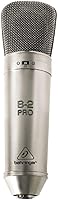
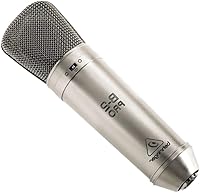
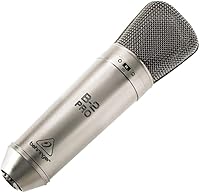
The silver finish and traditional cylindrical body give the mic a professional appearance that looks at home in a treated recording room or on a streaming desk, and it photographs well for content creators who care about their setup aesthetics. At 6.69 inches in length, it fits comfortably in standard mic clips and most universal shock mounts without clearance problems.
At nearly a pound, this mic is noticeably heavier than many competing condensers, which can gradually stress lightweight boom arms and inexpensive desk stands over extended use. A few buyers also note that the polar pattern indicator markings are not the most legible under low studio lighting, making quick mid-session adjustments slightly more awkward than they should be.
Durability & Longevity
71%
29%
A meaningful number of buyers report using the B-2 PRO consistently over multiple years without any degradation in sound performance or mechanical reliability, and the aluminum and brass housing suggests it can handle the regular handling of an active home studio. The mic's continuous commercial availability since 2008 is itself indirect evidence of sustained build reliability across the product line.
The quality-control variability flagged by a subset of buyers introduces some uncertainty about long-term consistency across all production runs. Since no carrying case is included, buyers who do not invest in proper padded storage may find the capsule more susceptible to dust accumulation and humidity exposure over time — both of which can affect condenser capsule performance gradually.

Suitable for:

The Behringer B-2 PRO Large-diaphragm Condenser Microphone is a well-matched tool for home studio musicians and content creators who want genuine recording versatility without stepping into professional-tier pricing. Vocalists who track in acoustically treated spaces will get the most from its flat, low-coloration character — it captures what is in the room faithfully, which works in your favor when the room is doing its job. The three switchable polar patterns make it especially practical for anyone recording more than one source type: podcasters can use cardioid for solo sessions and figure-8 for two-host setups, while acoustic guitarists or pianists can switch to omnidirectional to let some natural room tone breathe into the recording. Streamers upgrading from USB microphones will notice a meaningful jump in audio quality, provided they already own or plan to invest in a solid audio interface. Voice-over artists and narrators who need clean, transparent pickup without heavy frequency coloring will also find this dual-diaphragm condenser a reliable daily driver.
Not suitable for:

The Behringer B-2 PRO Large-diaphragm Condenser Microphone is a poor fit for anyone expecting a plug-and-play experience — it requires an XLR connection and 48V phantom power, meaning a compatible audio interface or mixer is a mandatory additional purchase that first-time buyers frequently overlook. Anyone recording in an untreated room should also think carefully before committing: this mic picks up room reflections honestly, and in a live, echo-prone space, that translates directly into muddy, unflattering recordings. Buyers running entry-level audio interfaces with noisy preamp stages may find that the mic exposes those weaknesses rather than compensating for them, since it genuinely benefits from a cleaner signal chain. Those seeking a dedicated broadcast or on-camera solution will likely find microphones optimized for dynamic applications or USB connectivity a better match for their workflow. Finally, studios or buyers looking to purchase multiple identical units should factor in the occasional quality-control inconsistency that a portion of owners have noted — it is not a widespread problem, but it is a real one worth considering at scale.
Specifications

  • Mic Type: Large-diaphragm condenser microphone using a pressure-gradient transducer principle, suited for studio and live recording applications.
  • Capsule: Gold-sputtered dual-diaphragm capsule, internally shock-mounted to minimize the transmission of vibration and handling noise to the signal.
  • Polar Patterns: Three switchable polar patterns — cardioid, omnidirectional, and figure-8 — selectable via a dedicated switch on the mic body.
  • Frequency Response: Captures audio across the full audible range from 20 Hz to 20 kHz, with a notably flat response curve throughout that spectrum.
  • Signal-to-Noise: Signal-to-noise ratio of 77 dB, indicating a low self-noise floor relative to other large-diaphragm condensers in this price tier.
  • Sensitivity: Audio sensitivity rated at -34 dB, requiring a moderate level of clean gain from the connected preamp for optimal signal levels.
  • Impedance: Output impedance of 200 Ohm, which is broadly compatible with standard XLR preamp inputs found on audio interfaces and mixing consoles.
  • Connector: Standard 3-pin XLR output; the microphone requires 48V phantom power supplied by the connected interface, mixer, or standalone preamp.
  • Low-cut Filter: Includes a switchable low-frequency roll-off filter designed to reduce proximity effect buildup and low-end room rumble during close-mic use.
  • Body Material: Constructed from aluminum and brass, which contributes to the mic's above-average weight and notably solid feel for its price category.
  • Dimensions: Measures 1.77 x 1.77 x 6.69 inches in diameter and length, a standard form factor compatible with most mic clips and mounting hardware.
  • Weight: Weighs 15.84 oz (approximately 449 g), making it noticeably heavier than many plastic-bodied condensers in a comparable price range.
  • Power Source: Powered exclusively via phantom power through the XLR connection; there is no battery option, internal power source, or USB power mode.
  • Color: Finished in silver, giving the mic a traditional studio aesthetic consistent with its aluminum and brass housing.
  • Manufacturer: Produced by Music Tribe US under the Behringer brand, with the B-2 PRO model first made available in March 2008.

Related Reviews
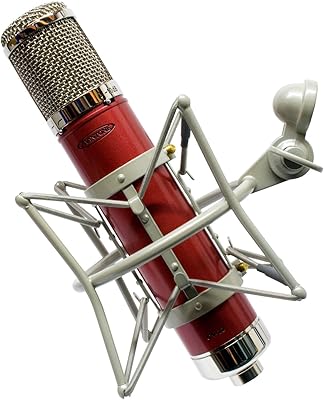
Avantone Pro CV-12 Tube Condenser Microphone
79%
88%
Vocal Sound Quality
83%
Tube Character
86%
Polar Pattern Versatility
81%
Build Quality
84%
Value for Money
More
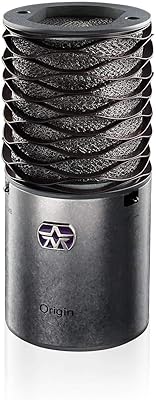
Aston Microphones Origin
85%
94%
Build Quality
89%
Vocal Clarity
92%
Instrument Response
71%
Internal Pop Filtering
91%
Price-to-Performance Ratio
More
Aston Microphones Spirit Large-Diaphragm Condenser Microphone
85%
93%
Sound Quality
96%
Build Quality
89%
Polar Pattern Versatility
88%
Built-in Pop Filter
84%
Value for Money
More
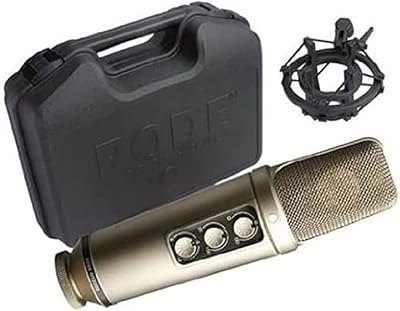
Rode NT2000 Large-Diaphragm Condenser Microphone
82%
94%
Polar Pattern Versatility
91%
Control Flexibility
89%
Sound Quality
66%
Build Quality
93%
Warranty & Long-Term Value
More
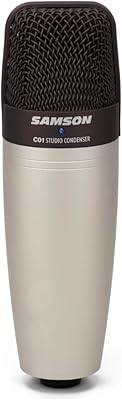
Samson C01
Samson C01
84%
93%
Build Quality
86%
Vocal Clarity
82%
Ambient Noise Rejection
91%
Value for Money
74%
Internal Shock Mounting
More
Behringer C-2 Stereo Condenser Microphone Pair
79%
91%
Value for Money
78%
Sound Quality
74%
Stereo Matching Accuracy
83%
Build Quality
86%
Ease of Setup
More
Behringer B-1
Behringer B-1
82%
88%
Vocal Clarity
91%
Build Quality & Durability
94%
Value for Money
86%
Acoustic Instrument Tracking
79%
Background Noise Rejection
More
MXL 2003A Large-Diaphragm Condenser Microphone
77%
78%
Sound Character
61%
Self-Noise Level
82%
Build Quality
84%
Value for Money
86%
Included Accessories
More
Nady SCM-800 Large Diaphragm Condenser Microphone
71%
74%
Sound Quality
81%
Build Quality
83%
Value for Money
57%
Ease of Setup
71%
Noise Performance
More
Rode NTK
Rode NTK
77%
94%
Vocal Tone & Warmth
91%
Self-Noise & Signal Clarity
88%
Build Quality & Durability
54%
Stand & Mounting Requirements
61%
Ease of Setup
More

FAQ

Yes, without exception. The B-2 PRO uses an XLR connection and has no USB output, so it cannot plug directly into a computer. You will need an audio interface, mixing console, or standalone preamp that supplies 48V phantom power — without it, the microphone will not produce any signal at all. This is the single most common surprise for first-time buyers, so if you do not already own a compatible interface, factor that into your total budget before purchasing.

Cardioid is the right choice for virtually all solo vocal recording. It focuses pickup directly in front of the mic while rejecting sound from the sides and rear, which helps keep room noise and bleed out of your takes. Switch to figure-8 only if you are recording two vocalists facing each other across the mic, or flip to omnidirectional if you intentionally want to capture the natural ambience of the space around the performance.

Its -34 dB sensitivity puts it in a moderate range — not particularly demanding, but not unusually hot either. A decent audio interface with a clean preamp stage should handle it without issue. The problem tends to appear with very budget-oriented interfaces that have noisy preamp circuits; in those situations, you may notice audible hiss when pushing the gain to adequate recording levels.

You can, with some practical trade-offs. In figure-8 mode, the mic picks up from both the front and back while rejecting the sides, so two hosts can sit across from each other and share one mic. The challenge is that both voices need to be at a similar distance and volume, otherwise one person will dominate the recording. For most podcasting setups, running two separate microphones — one per host — gives you far more control over individual levels and overall sound quality.

It feels genuinely solid. The aluminum and brass construction gives the body a weight and rigidity that is uncommon at this price point — it does not feel hollow or lightweight in the hand. The polar pattern and filter switches click firmly into place without slop. That said, this is still a precision instrument and should be handled with care; protect it from drops and store it in a padded case or pouch when not in use.

No. The package contains the microphone only — no shock mount, no case, and no dedicated stand adapter beyond what the mic body accommodates. You will need to purchase a compatible shock mount separately, which is worth including in your budget. A universal shock mount sized for this mic's diameter is widely available and does not need to be expensive to do its job effectively.

Quite sensitive, because that is the nature of a flat-response large-diaphragm condenser. In a treated space with acoustic panels, it performs well and captures vocals cleanly. In a bare, reflective room with HVAC noise, computer fan hum, or street sound bleeding through a window, it will pick all of that up too. The switchable low-cut filter helps reduce low-end rumble, but it is not a substitute for dealing with room acoustics directly.

Any interface with a clean, low-noise preamp stage and 48V phantom power will work, but the B-2 PRO benefits meaningfully from better preamp quality. Mid-range interfaces from brands like Focusrite, PreSonus, Universal Audio, or SSL are natural companions. Avoid the very cheapest single-input interfaces if sound quality matters to you — their noisy preamp floors can become clearly audible when recording with a sensitive condenser like this one.

That line has blurred considerably. Behringer's multipattern studio mic has appeared on independently released recordings, particularly for vocals and acoustic instruments in home environments with proper treatment. It is not in the same league as microphones costing several times more, and seasoned engineers working in professional rooms will likely reach for something more refined. For independent artists, voice-over professionals, and serious content creators working in treated spaces, though, it holds up well above its price point.

The multipattern capability is the clearest differentiator — a large number of competing mics at this price are fixed-cardioid only, which limits how you can use them. This dual-diaphragm condenser also tends to offer a competitive noise floor compared to similarly priced rivals. Where it occasionally falls short is in preamp pairing sensitivity and the minor quality-control variability that a small percentage of buyers have reported between units. On balance, it competes strongly and tends to outperform what its price tag would lead you to expect.

Where to Buy