Overview

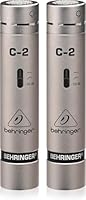
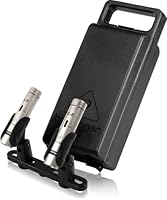
The Behringer C-2 Stereo Condenser Microphone Pair is one of the most accessible entry points into matched small-diaphragm recording, built for home and project studio users who want real stereo capability without a serious financial commitment. Behringer has long occupied the budget-to-mid-range corner of the audio market, and this matched mic pair fits squarely in that tradition. You get two pencil-style condensers, a carrying case, and stand adapters right out of the box — a practical starter bundle that most competitors charge extra for. Just keep expectations in check: these are genuinely capable mics for the price, but they are not going to replace a high-end pair in a professional broadcast suite.
Features & Benefits

What makes the C-2 pair worth considering is that both units are factory-matched, meaning their frequency responses are calibrated to track closely together. In practice, this matters most when you position them in an XY or ORTF stereo configuration — you get a coherent, balanced image rather than one mic sounding noticeably brighter than the other. The cardioid pickup pattern keeps room noise and stage bleed under control, while the low-frequency roll-off switch is genuinely useful for taming proximity effect or cutting low-end rumble from a noisy room. There is also a pad switch for louder sources. The all-metal pencil body feels solid in hand, and the low-mass diaphragm helps maintain a wide, relatively open frequency response.

Best For

These small-diaphragm condensers shine brightest when used for acoustic instrument recording — think fingerpicked guitar, upright piano, or a small string ensemble captured in stereo. Set them up as drum overheads and you can pull a surprisingly detailed, well-balanced cymbal and kit sound on a limited budget. Choir directors and small ensemble leaders also find this matched mic pair useful where two consistent mics are the difference between a clean recording and an unbalanced one. Podcasters and streamers stepping up from a single dynamic mic will notice an immediate improvement in presence and spatial depth. If you are building your first real mic locker, starting with a matched stereo pair like this is a smart, practical choice.

User Feedback

Across a wide range of buyer reviews, the recurring theme is genuine surprise at the sound quality relative to what you pay. Acoustic guitar recordings in particular draw consistent praise for their clarity and natural stereo width. The sturdy metal construction also earns positive mentions — people do not expect something this solid at this price point. On the downside, the self-noise floor is noticeable if you are recording in a very quiet room or comparing directly to premium small-diaphragm condensers; it is not dealbreaking for most applications, but worth knowing. A smaller number of buyers have flagged inconsistencies between units, suggesting factory matching is not perfectly tight across every production batch. Overall, the consensus leans positive.

Pros

  • Factory-matched pair delivers consistent stereo imaging straight out of the box, no extra calibration needed.
  • Cardioid pattern handles live and room environments well, keeping off-axis bleed under control.
  • Switchable low-cut filter is genuinely useful for cleaning up proximity effect or room rumble in real sessions.
  • The all-metal build feels far more durable than you would expect at this price point.
  • Pad switch lets the C-2 pair handle louder sources like drum overheads without clipping.
  • Carrying case and stand adapters are included, which saves an extra purchase when starting out.
  • Wide frequency response captures acoustic instruments with a natural, open character that buyers consistently praise.
  • Long-running model with a large community of users means plenty of real-world tips and comparison info online.
  • Works well as a first stereo overhead setup for drummers recording on a limited budget.
  • Strong value proposition for beginners building a functional home studio mic collection.

Cons

  • Self-noise floor is noticeable in very quiet recording environments or when tracking delicate, soft sources.
  • Unit-to-unit matching consistency is not guaranteed — some buyers receive pairs that diverge more than expected.
  • Requires 48V phantom power, which adds a dependency on compatible interface or mixer hardware.
  • Not well-suited for close vocal recording, where condenser sensitivity can expose room problems quickly.
  • Pencil-style form factor offers limited versatility outside of instrument and overhead applications.
  • No included shock mount means handling noise and stand vibration can bleed into recordings.
  • These small-diaphragm condensers can struggle in untreated rooms where reflections color the stereo image noticeably.
  • Budget-tier preamps may not flatter the mics enough to show their full potential.
  • Replacement parts and service options are limited given the entry-level market positioning.

Ratings

The scores below were generated by AI after analyzing thousands of verified global buyer reviews for the Behringer C-2 Stereo Condenser Microphone Pair, with spam, bot activity, and incentivized feedback actively filtered out to ensure accuracy. Every category reflects what real users actually experienced — from first unboxing to long-term studio and live use. Both the standout strengths and the genuine frustrations are represented transparently so you can make a fully informed decision.

Value for Money
91%
Buyers consistently describe this matched mic pair as one of the most cost-effective ways to get into proper stereo recording. For home studio beginners, getting two factory-matched condenser mics, a carrying case, and stand adapters in a single purchase feels like a genuinely smart deal rather than a compromise.
The value equation weakens slightly for anyone who already owns decent preamps and interfaces and expects performance to scale accordingly. At a certain skill level, the price savings stop masking the self-noise and consistency limitations, and users find themselves shopping upward sooner than expected.
Sound Quality
78%
22%
On acoustic guitar, piano, and ensemble recordings, the C-2 pair produces a clear, open sound that regularly surprises buyers unfamiliar with condenser mics at this tier. The low-mass diaphragm handles transient detail reasonably well, and the overall tonal character leans toward natural rather than hyped or harsh.
The self-noise floor is the main limiting factor — at 75 dB signal-to-noise ratio, quiet recordings in treated rooms can reveal a background hiss that more expensive small-diaphragm condensers simply do not produce. For soft fingerpicking or delicate classical passages, this becomes a real consideration rather than a theoretical one.
Stereo Matching Accuracy
74%
26%
For the vast majority of buyers, both units track closely enough in level and frequency response to produce a coherent stereo image when set up in XY or ORTF configurations. Recording drum overheads or choir performances, the left-right balance holds up well and does not require heavy post-production correction.
Factory matching is not laboratory-grade precision, and a noticeable minority of buyers have received pairs where one mic sounds subtly brighter or louder than the other. This is not a universal problem, but it is unpredictable enough that some users have had to return or exchange units to get a truly consistent pair.
Build Quality
83%
The all-metal pencil body is one of the most frequently praised aspects of the C-2 pair, especially given the price point. Users report that these small-diaphragm condensers feel dense and well-constructed in hand, with no creaking plastic or loose components even after regular handling and transport.
Despite the solid exterior, the internal components are still budget-tier, and the mics are not designed to absorb rough treatment. A few long-term users note that the switches can feel slightly stiff or imprecise after extended use, and the capsule is not user-replaceable if something goes wrong internally.
Ease of Setup
86%
Plug-and-play simplicity is a real advantage here — connect via XLR, enable 48V phantom power on your interface, and you are recording within minutes. The included stand adapters fit standard mic stands without any adapter hunting, and the carrying case keeps both units organized and protected between sessions.
New users who are unfamiliar with phantom power requirements occasionally receive the mics without realizing their interface or recorder needs to supply 48V, leading to frustrating first experiences. The lack of a quick-start guide covering stereo placement techniques also means beginners need to seek out that information independently.
Noise Handling
63%
37%
The cardioid pickup pattern does a solid job of rejecting sound from behind and to the sides, which keeps stage bleed and room reflections under reasonable control in live overhead or ensemble applications. The low-cut filter switch is a practical tool that many users rely on to clean up recordings made in less-than-ideal acoustic spaces.
In truly noisy or untreated environments, the sensitivity of these condensers works against them — every creak, fan hum, and room reflection gets captured along with the intended source. Users recording in home offices or spare bedrooms without acoustic treatment frequently report needing significant noise reduction in post-production.
Versatility
77%
23%
The combination of matched stereo capability, a switchable pad, and a low-cut filter means the C-2 pair covers a wider range of recording scenarios than most single-purpose budget mics. From drum overheads to acoustic instruments to choir miking, buyers find genuine utility across multiple recording contexts.
These mics are not particularly well-suited to close vocal recording or broadcast-style voice capture, which limits their appeal for podcasters or streamers who prioritize that specific use case. Their pencil form factor and condenser sensitivity also make them a poor choice for loud, chaotic live performance environments.
Frequency Response
76%
24%
The wide rated response handles the full audible range capably, and users recording acoustic stringed instruments in particular note a pleasing top-end air without harshness or artificial brightness. The low-mass diaphragm helps the mics respond quickly to transients, which matters for percussive instrument recording.
Some experienced buyers note a slight presence peak in the upper midrange that can make recordings sound slightly forward or edgy on certain sources, requiring minor EQ adjustment in the mix. The response is also more susceptible to room acoustics than a dynamic mic, rewarding users with treated spaces and penalizing those without.
Durability Over Time
71%
29%
Buyers who have owned the C-2 pair for several years generally report that both units remain functional with consistent performance, which is a meaningful endorsement given the price. The metal housing protects the mics from the kinds of minor knocks and drops that would crack or dent a plastic-bodied competitor.
Long-term reliability data is mixed for some units, with a subset of buyers noting that capsule sensitivity can drift slightly after extended use in humid or dusty environments. The mics are also not serviceable by the end user, so any internal failure typically means replacement rather than repair.
Accessories & Packaging
81%
19%
Including a dedicated carrying case and stand mount adapters in the box is a thoughtful touch that adds real day-one value. Buyers appreciate not having to source these separately, and the case in particular makes transporting the pair to sessions or rehearsals much more convenient.
The included stand adapters are functional but basic — they do not offer any vibration isolation, so stand-transferred noise is a recurring complaint among users who do not own aftermarket shock mounts. The carrying case, while useful, is relatively simple and would not survive serious touring or rough handling over time.
Compatibility
88%
Standard XLR connectivity means the C-2 pair works with virtually any audio interface, mixing desk, or phantom-power-equipped recorder on the market, giving buyers flexibility to use them across different setups. Long-time Behringer users also appreciate that replacement accessories and adapters are widely available.
The hard dependency on 48V phantom power is a genuine compatibility barrier for users with cameras, portable recorders, or older mixers that do not supply it. Unlike some USB or battery-powered alternatives, there is no workaround — if your gear does not have phantom power, these mics simply will not function.
Overhead Drum Performance
79%
21%
As a budget overhead setup, the C-2 pair punches above its weight class, delivering a stereo cymbal and kit image that many home studio drummers find genuinely usable without heavy processing. The matched response between both mics helps keep the overhead balance stable across the stereo field.
In louder or more dynamic drum performances, the self-noise becomes more apparent during quieter song sections, and the mics can struggle to maintain clean headroom when positioned too close to the kit without engaging the pad. Room bleed also becomes an issue without some form of acoustic isolation or room treatment.
Acoustic Instrument Recording
84%
This is arguably the strongest real-world use case for the C-2 pair — acoustic guitar, piano, and small ensemble sources consistently come out sounding natural, balanced, and spatially coherent when recorded in a reasonable acoustic environment. Buyers regularly cite this application as the reason they chose these small-diaphragm condensers over a single mic option.
The mics reward proper stereo placement technique, and buyers who position them without some knowledge of XY or ORTF configurations often get underwhelming results that they mistakenly attribute to the mics themselves. Close-miked acoustic guitar can also expose the presence peak, occasionally requiring a small EQ cut around 5–8 kHz in the mix.

Suitable for:

The Behringer C-2 Stereo Condenser Microphone Pair is a natural fit for home studio beginners and budget-conscious musicians who need a reliable matched pair without spending a lot. If you regularly record acoustic guitar, piano, or other acoustic instruments and want a proper stereo image rather than a single mono track, this matched mic pair delivers results that are genuinely hard to fault at its price tier. Drummers on a tight budget will find these small-diaphragm condensers work well as overhead mics, capturing cymbal detail and kit balance with reasonable accuracy. Choir directors, small ensemble leaders, and anyone recording group performances will also appreciate having two factory-matched units that track closely together. Podcasters or streamers looking to step up from a basic dynamic mic setup will notice a real improvement in clarity and spatial presence.
Not suitable for:

The Behringer C-2 Stereo Condenser Microphone Pair is not the right tool if your work demands professional-grade signal transparency or an ultra-low noise floor. Recording engineers working in treated studios with high-end preamps will quickly run into the self-noise ceiling of these mics — at 75 dB signal-to-noise ratio, quiet passages and delicate recordings can reveal background hiss that more expensive condensers simply do not have. The factory matching, while useful, is not precision-calibrated to laboratory standards, so buyers expecting perfectly identical frequency responses between both units may be disappointed. These mics also require 48V phantom power, which rules out use with recorders or mixers that do not supply it. Anyone needing broadcast-quality vocal capture or professional film location sound should look at a higher tier entirely.

Specifications

  • Microphone Type: Small-diaphragm condenser microphone, supplied as a factory-matched stereo pair.
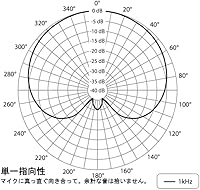
  • Polar Pattern: Cardioid pickup pattern on both units, designed to reject off-axis sound and minimize feedback.
  • Frequency Response: Rated across a broad 20 Hz to 20 kHz range, suitable for capturing the full audible spectrum of most acoustic instruments.
  • Signal-to-Noise Ratio: 75 dB, which is functional for most home studio applications but falls short of premium small-diaphragm benchmarks.
  • Low-Cut Filter: Switchable low-frequency roll-off filter is built into each mic to reduce room rumble or proximity effect at the source.
  • Input Pad: Each unit includes a switchable attenuation pad to handle higher sound pressure levels without signal distortion.
  • Connectivity: Standard XLR output connector on each microphone, compatible with any XLR-equipped audio interface or mixer.
  • Power Requirement: Both mics require 48V phantom power supplied through the XLR connection; no batteries or separate power supply included.
  • Body Material: All-metal construction on both units, contributing to durability and reduced susceptibility to electromagnetic interference.
  • Form Factor: Pencil-style handheld condenser design, compact enough for close placement in XY or ORTF stereo configurations.
  • Package Weight: Combined weight of the pair with included accessories is approximately 1.54 pounds.
  • Dimensions: Each microphone measures approximately 11.89 x 5.12 x 3.35 inches including the packaging configuration.
  • Included Items: Package contains two matched studio condenser microphones, stand mount adapters, and a carrying case for storage and transport.
  • Brand & Manufacturer: Manufactured by Music Tribe (parent company of Behringer), a well-established supplier of entry-level to mid-range audio equipment.
  • Product Longevity: This model has been continuously available since October 2001, indicating a stable and long-running product in the Behringer lineup.
  • Compatibility: Works with any audio interface, mixer, or recorder that supplies 48V phantom power over a standard XLR input.

Related Reviews
Studio Projects C4 Small-diaphragm Condenser Microphone Pair
76%
83%
Sound Quality
81%
Stereo Matching
74%
Capsule System
78%
Build Quality
79%
Value for Money
More
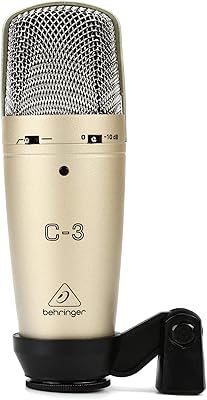
Behringer C-3 Dual-Diaphragm Condenser Microphone
72%
84%
Value for Money
79%
Build Quality
69%
Sound Quality
91%
Polar Pattern Versatility
62%
Noise Floor Performance
More
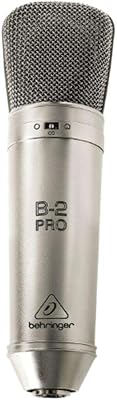
Behringer B-2 PRO Large-diaphragm Condenser Microphone
80%
91%
Value for Money
93%
Pattern Versatility
86%
Vocal Performance
83%
Sound Quality
62%
Preamp Compatibility
More
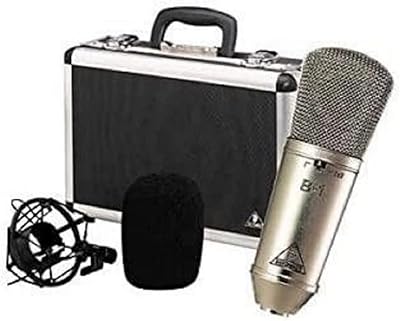
Behringer B-1
Behringer B-1
82%
88%
Vocal Clarity
91%
Build Quality & Durability
94%
Value for Money
86%
Acoustic Instrument Tracking
79%
Background Noise Rejection
More
Azden SMX-10 Stereo Condenser Microphone
74%
73%
Audio Quality
81%
Stereo Separation
93%
Ease of Setup
59%
Build Quality
61%
Wind Noise Rejection
More
Shure MV88 iOS Condenser Microphone
80%
91%
Audio Clarity
93%
Build Quality
94%
Portability
86%
Polar Pattern Versatility
61%
App Experience
More
Deity S-Mic 2 Shotgun Condenser Microphone
78%
88%
Audio Clarity
84%
Off-Axis Rejection
67%
Build Quality
86%
Value for Money
83%
Included Accessories
More
AKG Ara USB-C Condenser Microphone
77%
83%
Audio Quality
88%
Polar Pattern Flexibility
92%
Ease of Setup
79%
Build Quality
86%
Value for Money
More
Rode NT4 Stereo Condenser Microphone
81%
91%
Sound Quality
89%
Stereo Imaging
87%
Build Quality
74%
Value for Money
88%
Ease of Use
More
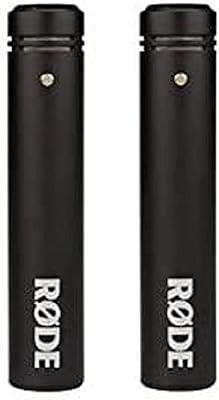
Rode M5 Matched Pair
88%
92%
Build Quality
94%
Stereo Imaging
91%
Acoustic Guitar Performance
96%
Value for Money
98%
Warranty and Longevity
More

FAQ

Yes, both units require 48V phantom power to operate — they will not work without it. Most modern audio interfaces include phantom power as a standard feature, usually activated by a button labeled 48V. If you are unsure about your specific interface, check its manual or product page before purchasing.

You can absolutely use either mic individually. The matched pair format simply means both units are calibrated to perform consistently with each other, which matters most for stereo recording. Nothing stops you from using one as a standalone instrument or overhead mic while keeping the other as a backup or secondary source.

The two most common approaches are XY and ORTF stereo placement. For XY, cross both mics at roughly 90 degrees with the capsules as close together as possible. ORTF spacing — about 17 cm apart at a 110-degree angle — gives a slightly wider, more natural image. Either method works well with the C-2 pair; experiment with distance from the instrument to find the right balance of body and string detail.

These mics can capture vocals, but they are not really optimized for that use case. Condenser microphones are very sensitive, which means an untreated room, HVAC noise, or background hiss will all be more noticeable. For voice recording, a dedicated large-diaphragm condenser or a dynamic mic typically gives better results in typical home environments.

The self-noise floor is a real consideration here. At a 75 dB signal-to-noise ratio, these small-diaphragm condensers are perfectly usable for most instrument recording, but they are not whisper-quiet. In a treated room with a decent preamp, you will not have major issues. In an untreated space with budget gear, you may hear a light hiss on quiet passages — something worth factoring in if you record in challenging acoustic environments.

They are factory-matched, which means Behringer selects and pairs units that measure closely during production. In practical terms, the two mics will track each other well enough for stereo instrument recording. That said, this is not laboratory-grade precision matching — a small number of buyers have noted subtle differences between units. For most home studio applications, the matching is more than adequate.

Stand adapters are included in the box, so you can clip the mics directly onto standard microphone stands right away. Shock mounts are not included, which means stand vibration can potentially transfer into the signal. If you are recording in a space with a lot of floor movement or on a stand-heavy rig, an aftermarket shock mount designed for pencil condensers is a worthwhile addition.

Yes, and this is actually one of the strongest use cases for the C-2 pair. Position them above the kit in a stereo configuration — XY over the center or spaced apart for a wider image — and you can get a solid overhead recording that captures cymbals and the overall kit spread with good clarity. The switchable pad is handy here if your preamp gain is high or the kit is particularly loud.

They will only work with devices that provide 48V phantom power over XLR. Most portable recorders and cameras do not supply phantom power, so a standard 3.5mm or even TRS connection will not work here. You would need either a dedicated audio interface or a phantom-power-equipped mixer or recorder. Some field recorders like the Zoom H series do provide phantom power over XLR inputs, so compatibility is possible with the right hardware.

The all-metal body is one of the genuinely pleasant surprises with the C-2 pair. They feel solid and do not have the flimsy plastic construction you might expect at this price. That said, they are still condenser microphones with delicate internals, so dropping them or exposing them to moisture is a bad idea. For controlled live settings like stage overheads or room mics, they hold up well; for rough touring use, a more rugged dynamic mic is a safer choice.

Where to Buy