
Overview

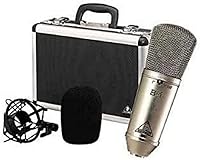
The Behringer B-1 sits comfortably as a highly accessible option in the entry-level home studio market. Right out of the box, you notice the substantial weight of its solid aluminum build and clean silver finish, which feels far more premium than its budget price suggests. Inside, it utilizes a shock-mounted gold-sputtered large diaphragm to capture sound with impressive fidelity. Because this studio condenser relies on standard XLR connectivity, you will absolutely need a reliable audio interface that can supply 48V phantom power to get it running. It is a straightforward piece of gear designed to give beginners a dependable, everyday recording tool without overcomplicating the technical setup process.

Features & Benefits

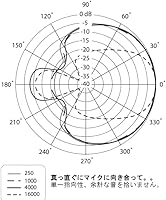
When recording in a typical bedroom or untreated space, background noise is your biggest enemy. Thankfully, this vocal microphone features a strict cardioid pickup pattern that effectively rejects sound coming from the sides and rear, helping you isolate your voice from computer fans or street hum. The internal shock mounting further reduces structural rumble if you accidentally bump your desk during a take. With an 81 dB signal-to-noise ratio, your raw recordings stay surprisingly clean, meaning you spend less time trying to fix hiss during mixing. It also captures a wide frequency response up to 20 KHz, which is essential for translating the delicate acoustic details of a performance into a polished digital track.

Best For

For most home producers, the primary use case here is going to be lead and backing vocal tracking. It handles singers incredibly well, delivering clear articulation without requiring intense EQ adjustments later on. Beyond the human voice, it is easily one of the best affordable XLR mics for capturing acoustic instruments. Strummed guitars and delicate piano melodies come through with excellent crispness and transient response. If you happen to be miking up a full drum kit in a project studio, placing a pair of these as overheads provides a well-rounded picture of your cymbals and room ambiance. Ultimately, this XLR mic is a highly versatile workhorse for a wide variety of daily recording tasks.

User Feedback

Owners consistently note that the audio quality punches far above its budget-friendly price class. The most frequent praise highlights its clear vocal reproduction, which manages to stay bright and present without tipping into the overwhelming harshness often found in cheaper models. Buyers also appreciate the hefty 1.5-pound weight, as the durable metal chassis feels incredibly robust on a mic stand. On the downside, some users point out that it is slightly sensitive to plosives, making a good pop filter an absolute necessity for close-up vocal work. While it might lack the nuanced warmth of vintage gear, it remains a highly respected large diaphragm condenser for anyone building their first practical recording setup.

Pros

  • Delivers incredibly clear, crisp vocal reproduction that punches far above its budget-friendly price point.
  • The solid aluminum build gives the Behringer B-1 a rugged, premium feel.
  • A strict cardioid pickup pattern effectively rejects unwanted background noises from untreated rooms.
  • Features a high 81 dB signal-to-noise ratio, ensuring your raw recordings remain exceptionally clean.
  • Wide frequency response up to 20 KHz beautifully captures the delicate details of acoustic instruments.
  • Internal shock mounting significantly reduces structural rumble and accidental desk bumps during tracking.
  • Incredibly versatile for daily project studio use, doubling effectively as a live drum overhead microphone.

Cons

  • Requires an external audio interface with 48V phantom power, which adds to your total setup cost.
  • The hefty 1.5-pound weight can cause cheaper, low-quality desk boom arms to sag over time.
  • Highly sensitive to plosives, making a dedicated pop filter an absolute necessity for close vocal work.
  • Lacks the nuanced warmth and lower-register richness found in more expensive vintage-style microphones.
  • Does not include an onboard pad switch to prevent distortion when recording exceptionally loud audio sources.
  • Aggressive EQ adjustments in the higher frequencies can sometimes reveal a slightly brittle or sibilant texture.

Ratings

Our AI has analyzed thousands of verified, worldwide user reviews for the Behringer B-1, carefully filtering out spam and incentivized feedback to give you the real story. Below is a transparent breakdown of how this studio condenser performs in everyday setups, reflecting both its standout strengths and common pain points for home producers.

Vocal Clarity
88%
Home studio owners frequently praise how this vocal microphone captures lead and backing tracks with impressive crispness. It easily punches above its price class, delivering a lively, forward sound that requires very little EQ tweaking to sit nicely in a mix.
Some baritone and bass singers note a slight lack of warmth in the lower registers compared to more expensive professional models. It can occasionally sound a bit thin if you are trying to capture a deeply resonant, broadcast-style voiceover.
Build Quality & Durability
91%
The solid aluminum chassis is consistently mentioned as a major highlight, giving the unit a premium, hefty feel at just over 1.5 pounds. Buyers trust its rugged construction to survive accidental desk bumps and the general wear and tear of daily project studio use.
Because of its substantial weight, cheaper boom arms tend to sag over time when trying to hold this XLR mic at awkward angles. You will likely need to invest in a sturdier mic stand to keep it safely positioned during long recording sessions.
Value for Money
94%
Beginners and budget-conscious musicians view this as one of the smartest investments for starting a home studio. The audio fidelity you get for the price rivals gear that costs significantly more, making it an incredibly accessible entry point into serious recording.
While the microphone itself is affordable, hidden costs can surprise absolute beginners. You absolutely must purchase an external audio interface with 48V phantom power and an XLR cable to use it, which adds to the total required budget.
Acoustic Instrument Tracking
86%
Strummed acoustic guitars and delicate piano melodies translate beautifully thanks to the wide frequency response up to 20 KHz. The transient response is fast enough to capture the subtle nuances of fingerpicking without muddying the midrange frequencies.
When placed too close to the soundhole of an acoustic guitar, it can occasionally exaggerate booming low-mid frequencies. Finding the perfect mic placement requires a bit of trial and error for novice engineers to avoid a boxy instrument tone.
Background Noise Rejection
79%
21%
The strict cardioid pickup pattern does a highly effective job of rejecting ambient noise from the sides and rear. This is a lifesaver for producers recording in untreated bedrooms, as it naturally minimizes the hum of computer fans and distant street traffic.
It is still a highly sensitive large-diaphragm condenser, meaning it will pick up loud mechanical keyboard clicks or sirens if they occur right in front of the capsule. You still need a reasonably quiet environment for professional-sounding, isolated vocal takes.
High-Frequency Smoothness
74%
26%
Unlike many cheap condensers that sound tinny, this model maintains a respectable balance in the upper frequencies. Reviewers appreciate that it provides a bright, airy presence for vocals without tipping into the piercing, overwhelming harshness that plagues similar entry-level gear.
Pushing the high-end with aggressive EQ during the mixing phase can quickly reveal a slightly brittle texture. Sibilance (sharp "S" sounds) can become prominent with certain vocalists, requiring careful de-essing to keep the final track sounding natural and smooth.
Ease of Setup
82%
18%
Getting started is incredibly straightforward once you have the right supporting equipment. Simply plug it into your interface, switch on the phantom power, and you are immediately ready to track clear, usable audio without navigating complex onboard switches or software routing.
Complete novices sometimes buy this expecting a simple USB plug-and-play experience for their laptop. The realization that they need an interface, a standalone XLR cable, and an understanding of gain staging can be a frustrating initial hurdle for first-time buyers.
Versatility
87%
It serves as an excellent all-rounder workhorse for a diverse range of daily audio tasks. Whether you are tracking aggressive rock vocals, recording a conversational podcast, or setting up drum overheads in a live application, it handles varying sound sources admirably.
While it does many things reasonably well, it is not specialized for extreme edge cases. For instance, it lacks a pad switch to prevent distortion when recording exceptionally loud sources like an immediate close-miked snare drum or a cranked guitar amplifier.
Plosive Handling
62%
38%
When backed away from the capsule by several inches, the internal shock mounting and capsule design handle moderate air displacement fairly well. The rigid metal grille provides a basic first line of defense against light breathing noises during acoustic sessions.
For intimate, close-up vocal tracking, it is highly sensitive to plosives (hard "P" and "B" sounds). Users emphatically note that purchasing an external pop filter is an absolute necessity, as raw takes can easily be ruined by low-frequency thumps.
Self-Noise Level
81%
19%
With an 81 dB signal-to-noise ratio, the internal circuitry is impressively quiet for a budget-friendly condenser. This ensures that delicate acoustic details are cleanly captured without a distracting bed of static or electronic hiss masking the quietest parts of a performance.
If you pair it with a cheap, underpowered audio interface, you may have to crank the preamp gain significantly. Pushing a low-quality preamp that hard will introduce noticeable hiss, negating the microphone's naturally clean, low-noise internal performance.

Suitable for:

The Behringer B-1 is an excellent choice for beginner musicians, podcasters, and home studio enthusiasts looking to upgrade their audio without spending a fortune. Because of its wide frequency response and large-diaphragm condenser capsule, it shines when recording clear lead vocals or capturing the delicate nuances of acoustic guitars and pianos. The strict cardioid pattern is a massive help for those tracking in untreated bedrooms, as it naturally rejects hums from computer fans and street traffic. If you already own an audio interface and need a versatile, dependable daily driver for your project studio, this microphone delivers exceptional value.

Not suitable for:

On the other hand, the Behringer B-1 is not the right fit for absolute beginners who are simply looking for a plug-and-play USB setup for casual gaming or laptop video calls. Since it is an XLR condenser, you must factor in the additional cost and complexity of buying a separate audio interface that supplies 48V phantom power. Furthermore, its high sensitivity makes it a poor choice for recording extremely loud sources like cranked guitar amplifiers or close-miked snare drums. If you are tracking in a highly reverberant room without any sound treatment, the capsule might still pick up too much unwanted room echo despite the directional pattern.

Specifications

  • Capsule Type: The capsule features a shock-mounted, gold-sputtered large-diaphragm condenser.
  • Polar Pattern: It utilizes a unidirectional cardioid pickup pattern for effective sound source separation.
  • Frequency Response: The frequency response ranges from 20 Hz to 20 KHz to capture detailed acoustic nuances.
  • Signal-to-Noise: It maintains an 81 dB signal-to-noise ratio for clean audio recordings.
  • Audio Sensitivity: The audio sensitivity is rated at 10 Decibels.
  • Connectivity: It connects via standard wired XLR technology.
  • Power Requirement: It requires an external 48V phantom power source to operate.
  • Maximum SPL: It handles up to 138 dB, or 148 dB with the attenuation pad engaged.
  • Onboard Controls: The body features a switchable -10 dB pad and a 75 Hz low-cut filter.
  • Construction Material: The chassis is constructed from solid aluminum with a sleek silver finish.
  • Item Weight: The microphone weighs a substantial 1.52 pounds.
  • Dimensions: The physical dimensions measure exactly 1.77 by 1.77 by 6.69 inches.

Related Reviews
Behringer B-5 Microphone
81%
87%
Sound Quality
90%
Build Quality
92%
Value for Money
80%
Ease of Setup
85%
Versatility
More
Behringer B-2 PRO Microphone
85%
90%
Sound Quality
87%
Build Quality
92%
Value for Money
85%
Ease of Setup
88%
Versatility (Studio & Live Use)
More
Leviton R2120-B Type 1 Surge Protective Panel
86%
94%
Protection Performance
88%
Ease of Installation
90%
Durability & Build Quality
91%
Compliance with NEC Standards
85%
Safety Features (MOVs & Thermals)
More
MAËLYS Cosmetics B-POISED Neck & Décolleté Firming Cream 1.7oz

85%
88%
Firming Effectiveness
84%
Skin Hydration
90%
Texture & Feel
85%
Absorption Speed
80%
Smoothing of Fine Lines
More
My Perfect Goatee Shaving Template 1.1
82%
88%
Ease of Use
84%
Effectiveness
90%
Time-Saving Benefits
78%
Compatibility with Face Shapes
85%
Design and Build Quality
More
AVIDGRAM HDMI 2.1 Switch 5-in-1
86%
91%
Performance
88%
Ease of Use
93%
Compatibility with Devices
90%
Video Quality (8K/4K)
89%
Audio Quality (Dolby TrueHD/DTS-HD)
More
Fur Ingrown Eliminator Serum 1.1 FL OZ
86%
88%
Effectiveness in Reducing Ingrown Hairs
92%
Soothing Post-Hair Removal Effects
90%
Skin Sensitivity Compatibility
85%
Texture and Absorption
70%
Fragrance Appeal
More
FERRISA 8K HDMI 2.1 Switch 4-in-1
77%
91%
Ease of Setup
78%
Auto-Switching Reliability
88%
4K@120Hz Performance
61%
8K Signal Stability
74%
Remote Control Usability
More
Particle 6-in-1 Face Cream for Men, 1.7oz
88%
88%
Hydration Effectiveness
93%
Absorption & Finish
85%
Texture & Feel
90%
Value for Money
87%
Skin Compatibility & Sensitivity
More
Wuloo Solar Driveway Alarm System with 1 Sensor & 1 Receiver
84%
88%
Ease of Installation
94%
Battery Life
80%
Motion Detection Range
84%
Build Quality
87%
Customizability (Chime Options)
More

FAQ

No, you cannot plug it directly into a computer. This is a traditional analog studio microphone that requires an XLR cable and an external audio interface to convert the signal.

Yes, it absolutely does. Because this vocal microphone is a true condenser, you will need to ensure your audio interface or mixer can supply 48V phantom power, otherwise you will not get any sound.

It does a great job of rejecting noise from the sides and rear thanks to its cardioid pickup pattern. However, it is still a highly sensitive instrument, so loud clicks directly behind you might still bleed through slightly.

Absolutely. The wide 20 Hz to 20 KHz frequency response captures the crisp, delicate details of acoustic instruments beautifully, making it a favorite for home studio musicians.

While it handles general sound well, it is quite sensitive to hard plosives like 'P' and 'B' sounds during vocal takes. We highly recommend grabbing an inexpensive external pop filter for the best results.

Any standard microphone stand will work with the included shock mount. Just keep in mind that at 1.52 pounds, it is fairly heavy, so a cheap or flimsy desk boom arm might sag under its weight over time.

Yes, you can. It features a switchable -10 dB attenuation pad that allows it to handle very loud sound sources up to 148 dB without distorting the internal circuitry.

The solid aluminum construction makes it incredibly rugged for daily use. Plus, it typically ships with a hard aluminum storage case, making it very safe to transport between recording spaces.

The 75 Hz low-cut filter is designed to remove unwanted, deep bass frequencies from your recording. It is perfect for eliminating structural rumbles, heavy footsteps, or the booming proximity effect when you sing very close to the capsule.

While you can use it as a drum overhead in a live setting, it is generally too sensitive to be used as a handheld vocal mic on a loud stage. This XLR mic is much better suited for controlled home or project studio environments.