Overview

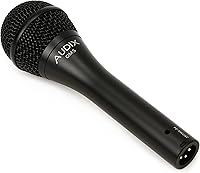
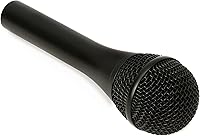
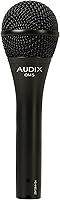
The AUDIX OM5 Hypercardioid Dynamic Microphone is a professional-grade vocal mic from Audix, a boutique American manufacturer with a long-standing reputation for building reliable, stage-ready gear. What separates it from the crowd of standard dynamic mics is its hypercardioid polar pattern, which delivers a significantly tighter pickup angle than a typical cardioid design. That narrower field translates directly into better feedback rejection and less bleed from nearby instruments on a loud stage. Worth noting upfront: this is a wired XLR microphone, so you will need an interface, mixer, or preamp to run it. For working performers or semi-professional setups, that is rarely a barrier.
Features & Benefits

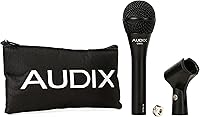
The Very Low Mass diaphragm inside the OM5 is what makes the vocal reproduction feel quick and articulate rather than thick or congested. It responds fast to consonants and transients, which matters enormously when you are singing in a mix competing with drums and guitars. The frequency response reaches up to 19 kHz, meaning the breath and shimmer at the top end of a voice comes through with more clarity than you typically get from a budget dynamic. The zinc alloy shell holds up to nightly touring without feeling heavy in hand, and the included MC1 clip and zippered bag mean you are stage-ready the moment it ships.

Best For

This hypercardioid dynamic mic hits its stride in loud, chaotic live environments — think club stages, rehearsal rooms, and festival setups where feedback is a constant threat. Singers who have been relying on an SM58 or a similar cardioid mic and feel it is not cutting through the mix cleanly will notice a real difference in vocal presence and definition. Home studio users who need a dynamic that handles high-SPL sources without fuss will also find it capable. Karaoke hosts and public speakers benefit from the tight polar pattern that naturally rejects ambient room noise, while passive operation means no phantom power complications whatsoever.

User Feedback

Owners of the Audix OM5 tend to be consistent in what they appreciate: vocal clarity that does not sound muffled or choked, and feedback rejection that live sound engineers specifically single out as a genuine advantage on loud stages. Build quality holds up across long-term owners with no widespread complaints about physical durability. That said, the tighter sweet spot does create a real learning curve. Singers coming from cardioid mics sometimes find that moving slightly off-axis causes a noticeable drop in volume and tone. It is not a mic you can loosely wave around on stage. For performers willing to develop consistent technique, it rewards the effort with a noticeably more controlled result.

Pros

  • The hypercardioid polar pattern delivers noticeably tighter feedback rejection than cardioid mics in loud, monitor-heavy stage setups.
  • Vocal clarity is a consistent highlight — the OM5 avoids the muffled, boxy quality that plagues many budget dynamics.
  • The low-mass diaphragm responds quickly to transients, making consonants and fast vocal runs sound crisp rather than smeared.
  • Extended high-frequency response adds air and presence to vocals without requiring EQ boosts at the mixing board.
  • At roughly one pound, the zinc alloy body feels road-worthy without causing fatigue during long performances.
  • No phantom power is required, which simplifies the signal chain and eliminates compatibility headaches with older gear.
  • The included mic clip and padded zippered bag make it genuinely stage-ready straight out of the box.
  • Live sound engineers specifically appreciate the off-axis rejection, which translates into fewer feedback incidents mid-show.
  • Long-term owners report no widespread durability issues, suggesting the build quality holds up to regular gigging.

Cons

  • The tight hypercardioid sweet spot is unforgiving — singers who move their head freely on stage will hear noticeable tonal drop-off.
  • Requires an XLR connection and a separate audio interface or mixer; there is no USB option for casual or beginner use.
  • Performers switching from cardioid mics face a real adjustment period before the mic technique feels natural.
  • Monitor placement must be considered carefully, since the rear null zones of a hypercardioid pattern differ from those of a cardioid design.
  • Absolute beginners may find the learning curve discouraging before they hear the benefits the pattern offers.
  • The mid-range price point makes it a harder sell for anyone unsure about committing to live performance long-term.
  • Not well-suited for wide-field recording scenarios; acoustic instruments and room ambience are not this mic's territory.
  • The included clip is functional but basic; performers with specific stand preferences may want to invest in an aftermarket holder.

Ratings

Our scores for the AUDIX OM5 Hypercardioid Dynamic Microphone were generated by AI after analyzing verified buyer reviews from multiple global markets, with spam, bot-generated, and incentivized feedback actively filtered out to ensure accuracy. The data draws from the real-world experiences of working vocalists, gigging musicians, and live sound engineers across a wide range of performance environments. Both the genuine strengths and the frustrations buyers have encountered are transparently reflected in every score below.
Vocal Clarity
91%
Singers consistently report that the OM5 cuts through a busy mix with a presence and definition that budget dynamics simply do not deliver. The low-mass diaphragm responds quickly to fast vocal runs and sibilance, keeping the sound articulate rather than thick or boxed in. Live performers especially note how little corrective EQ their front-of-house engineer needs to apply.
A small number of users with naturally bright or thin voices note that the extended high-frequency response can occasionally feel slightly harsh without careful gain staging. This is not a widespread complaint, but singers accustomed to darker-sounding dynamics may need a brief adjustment period before the sound feels natural to them.
Feedback Rejection
93%
This is where the OM5 earns its strongest praise among gigging vocalists and live sound engineers. On loud stages with monitor wedges placed close to the performer, the tight polar pattern consistently prevents the feedback loop that plagues less directional mics. Multiple engineers note they can push monitor levels noticeably higher before hitting feedback than they could with a standard cardioid.
The hypercardioid null zones are positioned differently than on a cardioid, which catches some performers off guard when setting up monitors for the first time. If a wedge is accidentally placed in a zone of partial pickup rather than a true rejection null, the user can inadvertently create more feedback risk than they anticipated.
Build Quality
88%
The zinc alloy housing feels dense and purposeful — not the lightweight plastic shell common on entry-level dynamics. Touring musicians report that the mic survives drops, rattling road cases, and constant setup and teardown cycles without cracking or capsule degradation. Long-term owners consistently describe it as genuinely road-worthy.
A handful of users mention that the grille, while structurally solid, can show cosmetic wear after extended use — scuffs and minor denting from mic stand drops are the most common complaints. The finish is functional rather than refined, which most professionals accept but some buyers expecting a premium look may notice.
Value for Money
83%
For performers who need a reliable step up from a basic SM58-style mic without jumping into boutique condenser territory, the OM5 sits in a practical price bracket that delivers genuine professional-grade performance. Working musicians report that the feedback rejection and vocal clarity alone justify the investment compared to cheaper alternatives they had previously used.
Buyers who are casually dabbling with live performance or are not yet committed to an XLR-based setup may find it harder to rationalize the cost against more affordable plug-and-play alternatives. A small segment of users also felt the included accessories — particularly the basic mic clip — did not quite match the overall price tier of the microphone itself.
Mic Technique Demand
57%
43%
For experienced vocalists who already maintain consistent microphone positioning during live sets, the tighter pickup window is not a burden — it is a feature. Performers who have trained themselves to hold a mic straight and close report that the OM5 rewards good habits with noticeably cleaner, more controlled sound at the front-of-house mix.
This category scores lower because a meaningful portion of buyers underestimated how much the hypercardioid pattern restricts forgiveness during performance. Singers who move the mic away from their mouth, tilt it sideways, or cup the grille find the volume and tone drop off noticeably — a frustrating experience for anyone not expecting it.
Frequency Response
86%
The extended high-frequency reach gives vocals a sense of air and presence that many dynamic mics in this category simply cannot match. Singers with naturally bright voices benefit most, as the mic captures top-end shimmer and breath detail without requiring the performer to overwork their technique or request boosts at the mixing desk.
Vocalists with already-sibilant voices may find the extended high-end accentuates harshness on certain consonants, particularly in bright-sounding rooms. A small number of users noted that careful mic positioning or a light de-essing pass in the mix was needed to tame the top end for certain voice types.
Off-Axis Rejection
89%
In practice, instrument bleed from a nearby drummer or guitar amplifier is dramatically reduced at the vocal mic channel, giving front-of-house engineers a noticeably cleaner signal to work with. Performers in tight rehearsal rooms consistently report that this hypercardioid dynamic mic isolates their voice far more effectively than the cardioid options they had used previously.
The rear rejection lobes of a hypercardioid pattern differ from those of a cardioid, creating a small zone directly behind the mic where sound picks up more than some performers expect. This is manageable with proper monitor positioning, but it adds a layer of stage setup complexity that initially confuses users who are new to this polar pattern.
Stage Durability
87%
Owners who have taken this mic on extended touring schedules — multiple nights per week, loading in and out of venues — report no structural failures or capsule degradation over months of heavy use. The zinc alloy construction absorbs the kind of incidental knocks and drops that would crack a cheaper housing outright.
The grille mesh, while functional, can show visible denting after a direct impact drop — cosmetic rather than performance-affecting, but worth noting for performers who care about the appearance of their gear. There is also no hard case included, so protection during airline travel depends entirely on the padded zippered bag alone.
Ease of Setup
72%
28%
Passive XLR operation means there is no power setup, no pairing process, and no software to configure — plug it into any mixer or interface input and it works immediately. The included MC1 clip attaches securely to a standard mic stand, and the zippered bag keeps everything organized between gigs without any extra effort.
The mic requires an existing XLR signal chain to function, which adds cost and complexity for buyers who do not yet own an interface or mixer. First-time hypercardioid users also report needing time to internalize correct positioning and monitor placement before the setup feels intuitive in a real live performance context.
Accessories Included
68%
32%
The padded zippered bag is a practical inclusion that many mics in this price range skip entirely. It keeps the mic protected during transport between gigs and stops cable connectors and other gear from scratching the body when everything is packed into a single backpack or equipment bag.
The MC1 clip is functional but utilitarian — it holds the mic without issue but feels basic relative to the microphone itself. No XLR cable is included, which is a common omission at this tier but still means a first-time buyer needs to budget for and source one separately before they can use the mic at all.
Compatibility
77%
23%
Passive XLR design means the OM5 works with essentially any professional audio device — mixers, interfaces, PA amplifiers, recording consoles — without exception. There are no proprietary connectors, firmware dependencies, or software requirements, making it straightforward to integrate into any existing live or studio rig immediately.
Buyers expecting USB connectivity, wireless capability, or direct smartphone compatibility will find none of those options here. For content creators or casual users who need a mic that plugs directly into a laptop or phone without additional hardware, this wired XLR mic is simply not designed for that kind of workflow.
Weight and Handling
84%
At just over a pound, the OM5 sits in a comfortable middle ground — substantial enough to feel quality in hand without causing wrist fatigue during a two-hour live set. Performers who have previously used cheap lightweight dynamics appreciate the solidity, which also provides a more stable grip even on sweaty hands mid-performance.
A handful of users mention the mic feels slightly front-heavy due to the capsule assembly, which can affect comfort during extended sets or for performers with smaller hands. This is a minor ergonomic issue that does not affect audio performance, but it is worth considering for singers who are sensitive to mic balance.
Monitor Placement
61%
39%
For sound engineers who understand hypercardioid geometry, correct monitor placement turns this characteristic into a genuine strategic advantage — wedges can be precisely positioned at the rear rejection null to maximize gain before feedback. Experienced engineers report that once the placement is properly dialed in, stage volume can be pushed noticeably higher than with comparable cardioid mics.
The score here reflects frustration reported by performers and engineers unfamiliar with hypercardioid polar patterns who placed monitors exactly as they would for a cardioid mic and were caught off guard by unexpected feedback. This is ultimately a knowledge gap rather than a product flaw, but it creates real and stressful headaches on busy show days.

Suitable for:

The AUDIX OM5 Hypercardioid Dynamic Microphone is built for performers who work in demanding live environments where feedback control and vocal clarity are non-negotiable. If you front a loud band, play club stages regularly, or deal with monitor wedges placed close to your feet, the tighter pickup angle of this mic gives you a meaningful practical advantage over standard cardioid dynamics. Gigging musicians who have outgrown entry-level mics and want something that can survive repeated touring without rattling apart will find the zinc alloy build reassuring. Home studio users who already own an XLR interface and need a dynamic that handles high-SPL sources — loud singing, close-mic'd amps, spoken word — will get clean, articulate results without needing phantom power. Even karaoke hosts and public speakers who want a handheld mic that naturally rejects room noise and crowd chatter will benefit from the inherently directional nature of its polar pattern.
Not suitable for:

The AUDIX OM5 Hypercardioid Dynamic Microphone is not the right pick for anyone just starting out with microphones or still developing consistent vocal technique on stage. The tighter sweet spot that makes it so effective at rejecting feedback also means that moving even slightly off-axis can audibly thin out your sound, which is unforgiving if you move your head around freely while performing. Buyers expecting a plug-and-play USB setup will also need to look elsewhere, as this mic requires an XLR connection and a separate audio interface, mixer, or preamp — there is no getting around that signal chain requirement. If you are primarily recording delicate acoustic instruments, soft vocals in a quiet studio, or any source that benefits from a wide, natural pickup field, a large-diaphragm condenser would serve you far better. Similarly, anyone on a tight budget who is not yet sure they will stick with live performance should consider whether the investment makes sense at this stage.
Specifications

  • Mic Type: Dynamic moving-coil microphone designed primarily for handheld vocal use on stage and in studio environments.
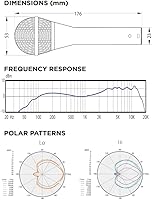
  • Polar Pattern: Hypercardioid pickup pattern provides a tighter front-facing acceptance angle than a standard cardioid, with pronounced rear and side rejection.
  • Connector: Standard 3-pin XLR output connector, compatible with professional audio interfaces, mixing consoles, and amplifiers.
  • Impedance: Output impedance is rated at 200 ohms, suitable for driving long cable runs without significant signal degradation.
  • Signal-to-Noise: Signal-to-noise ratio of 80 dB contributes to a clean output with low self-noise relative to typical dynamic microphones.
  • Frequency Response: Frequency response extends up to 19 kHz, capturing upper vocal harmonics and breath detail that many dynamic mics roll off early.
  • Weight: The microphone body weighs approximately 1.03 lb, making it comfortable to hold during extended live performances.
  • Body Material: Constructed from zinc alloy, providing a robust and road-worthy shell that resists dents and physical wear from regular gigging.
  • Power Source: Fully passive operation; no phantom power or batteries are required, eliminating compatibility concerns with older or simpler audio gear.
  • Diaphragm Design: Features Audix VLM (Very Low Mass) diaphragm technology, engineered for fast transient response and accurate reproduction of vocal articulation.
  • Included Accessories: Ships with an Audix MC1 microphone clip and a padded, zippered carrying bag for protection during transport and storage.
  • Compatible Devices: Works with any XLR-equipped device including audio interfaces, mixing desks, PA amplifiers, and personal computers via an appropriate interface.
  • Recommended Uses: Best suited for live vocal performance, speech presentations, and karaoke applications where feedback control and vocal clarity are priorities.
  • Form Factor: Standard handheld vocal microphone form factor measuring approximately 7 inches in length, fitting most standard microphone stands and boom arms.

Related Reviews
Audix D4
Audix D4
82%
94%
Low-Frequency Capture
92%
Build Quality & Durability
89%
Size & Positioning
88%
Isolation & Bleed Rejection
93%
High SPL Handling
More
Audix OM7
Audix OM7
83%
96%
Feedback Rejection
93%
Build Quality
84%
Vocal Clarity
61%
Sensitivity & Gain Requirements
91%
Off-Axis Rejection
More
Audix F6 Hypercardioid Dynamic Kick Drum Microphone
80%
91%
Low-End Sound Quality
94%
SPL Handling
86%
Bleed Rejection
72%
Placement Flexibility
88%
Build Quality
More
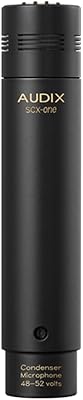
Audix SCX1HC Hypercardioid Condenser Microphone
82%
91%
Sound Isolation
88%
Build Quality
67%
Noise Floor Performance
86%
Ease of Setup
89%
SPL Handling
More
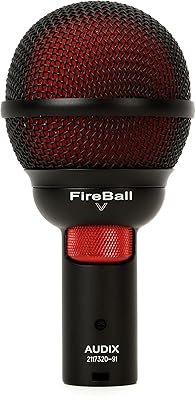
Audix Fireball-V
Audix Fireball-V
84%
94%
Ergonomics & Handling
88%
Feedback Rejection
86%
Vocal & Instrument Clarity
92%
Build Quality & Durability
83%
On-Board Volume Control
More
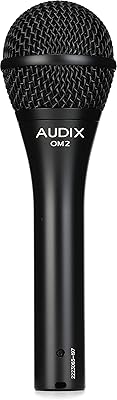
Audix OM2
Audix OM2
91%
94%
Feedback Rejection
96%
Build Durability
89%
Midrange Clarity
92%
Off-Axis Isolation
84%
Handling Noise
More
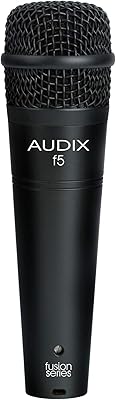
Audix F5 Instrument Dynamic Microphone
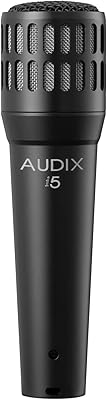
86%
88%
Build Quality
83%
Sound Accuracy
91%
Feedback Rejection
93%
SPL Handling
89%
Value for Money
More
Audix i5
Audix i5
87%
94%
Build Quality & Durability
92%
Snare Drum Performance
88%
Guitar Amp Recording
86%
Off-Axis Rejection
96%
High SPL Handling
More
Audio-Technica ATM650 Hypercardioid Dynamic Microphone
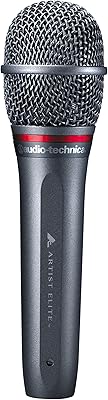
78%
84%
Stage Isolation Performance
81%
Build Quality
78%
Handling Noise Rejection
61%
Value for Money
79%
Transient Response
More
Beyerdynamic M201 TG Dynamic Hypercardioid Microphone
87%
93%
Sound Accuracy
91%
Off-Axis Rejection
94%
Build Quality
89%
Transient Response
88%
Noise Rejection
More

FAQ

No, the Audix OM5 is a passive dynamic microphone and requires no phantom power whatsoever. You can plug it straight into any XLR input on a mixer, interface, or PA system and it will work immediately. This makes it hassle-free with older gear that may not supply phantom power reliably.

The two mics serve similar audiences but differ in pickup behavior. The SM58 uses a cardioid pattern with a wider acceptance angle, which is more forgiving of loose mic technique but also more prone to feedback on loud stages. The OM5 has a tighter hypercardioid pattern that rejects off-axis sound more aggressively, so it handles feedback better in high-volume environments. The trade-off is that singers need to stay on-axis more consistently to get the full benefit.

It works fine for home recording, particularly for loud vocal takes, spoken word, or close-mic applications where you want a dynamic rather than a condenser. That said, the hypercardioid pattern means you need to maintain a consistent distance and angle from the capsule. If your home studio sessions involve a lot of movement or you prefer a wider, more relaxed pickup field, a large-diaphragm condenser might suit you better.

You will need a standard XLR cable (male to female, any reputable brand will do) and an audio interface or mixer with at least one XLR microphone input. If you are connecting to a computer, a basic two-channel USB audio interface is the most common setup. The mic itself draws no power and imposes no special requirements beyond a standard balanced XLR input.

With a hypercardioid pattern, the microphone rejects sound most effectively at the sides and partially at the rear, but the exact angles of those rejection zones differ from a cardioid mic. In practice, this matters most for monitor wedge placement — your floor monitor should ideally sit at roughly 110 degrees off-axis rather than directly behind you as you might position it with a cardioid. If you place monitors incorrectly, you can accidentally point them into a zone where the mic picks up more rather than less. It is worth understanding before your first gig with this mic.

Honestly, it depends on what you mean by beginner. If you are brand new to microphones and audio gear in general, the learning curve around hypercardioid technique and XLR signal chains might be frustrating early on. But if you are a singer who has gigged a bit and just wants to step up from a basic dynamic, the adjustment is manageable and the improvement in clarity and feedback rejection is noticeable quickly.

Very well, based on long-term owner reports. The zinc alloy body resists the bumps and drops that come with loading in and out of venues repeatedly. There are no widespread complaints about capsule failure or structural problems from regular touring use. The included zippered bag adds an extra layer of protection for transport, though many touring musicians eventually opt for a hard case as well.

Yes, and it is actually quite well-suited for both applications. The tight hypercardioid pattern naturally rejects ambient crowd noise and room reflections, which helps keep the sound focused and intelligible. For karaoke specifically, the feedback rejection is a genuine practical benefit in rooms where monitors are loud and speakers are close. Just keep the mic pointed consistently toward your mouth and it performs reliably.

The OM5 ships with a padded, zippered carrying bag that is more than adequate for casual transport and storage. It is not a hard-shell case, so if you are checking gear in luggage or want maximum protection on the road, you may want to add a dedicated hard case. For everyday gigging and commuting between venues, the included bag gets the job done.

This is a wired XLR microphone and is not designed to connect directly to wireless transmitter systems. It has no built-in transmitter and no mini-XLR or proprietary connector. If you need a wireless solution, you would have to look at a different mic or a wireless capsule system from Audix or another brand that supports their format. For wired use with standard gear, it is fully compatible across the board.

Where to Buy