Overview
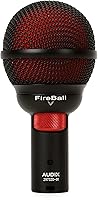
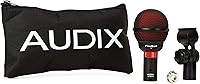
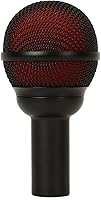
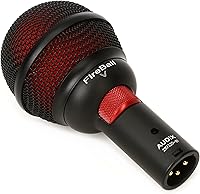
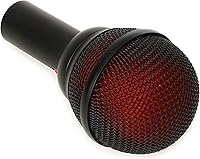
The Audix Fireball-V is a highly specialized piece of gear built specifically for musicians who need a rugged, easy-to-handle stage solution. Designed from the ground up for harmonica players and beatboxers, this compact mic boasts an incredibly ergonomic shape that rests naturally in your hands. That ultra-small form factor means you can easily cup the grille without awkwardly wrestling with a standard vocal mic. Along with its heavy-duty construction and standard XLR connectivity, it features a highly convenient built-in volume knob. This allows performers to make quick, tactile adjustments on the fly, which is a massive advantage during live, unpredictable sets where reaching for the mixing board simply isn't an option.
Features & Benefits
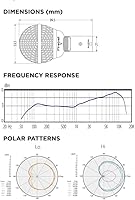
At the core of the dynamic instrument microphone is a specialized cardioid polar pattern. Instead of picking up every noise on stage, it focuses strictly on the sound directly in front of the capsule, effectively isolating your performance and drastically minimizing feedback. It boasts a tailored frequency response of 50 Hz to 16 kHz, capturing everything from the deep, percussive thumps of a beatbox routine to the crisp highs of a harmonica solo. Additionally, the low impedance 150 Ohm design helps maintain flawless signal integrity even over incredibly long cable runs. The integrated volume control isn't just a gimmick; it genuinely empowers performers to make rapid, on-the-fly adjustments without breaking their creative flow or relying entirely on the sound engineer.
Best For
If you are searching for the best harmonica microphone, this unit should be near the top of your list. Harmonica players desperately need a dedicated, easy-to-cup live mic that won't strain their hands over a two-hour gig. It is equally brilliant as a small microphone for live performance when you need absolute control, making it a favorite for beatboxers looking for clear vocal articulation and high feedback rejection. Because of its rugged build and ability to handle high-SPL instruments without distorting, studio musicians frequently use it to record highly dynamic sources. Ultimately, this beatbox microphone shines the brightest in the hands of live stage performers who require quick volume access and reliable, punchy audio night after night.
User Feedback
Reading through a compact dynamic instrument mic review, you will quickly notice a few recurring themes. Performers highly appreciate the ergonomic, ultra-small footprint, often noting how natural it feels compared to standard vocal mics. Beatboxers consistently highlight the crisp vocal clarity it delivers, while touring musicians absolutely love the convenience of the on-board volume knob for sudden adjustments. Users frequently praise the rugged build quality, describing it as a tank that easily survives harsh road conditions. As for drawbacks, some buyers mention that the specialized shape makes it tricky to mount on a traditional microphone stand without a custom clip. However, most agree that its strengths as a handheld, performance-focused tool far outweigh this minor mounting inconvenience.
Pros
- Ergonomic, ultra-small form factor rests comfortably in the hand to prevent cramping during long sets.
- The built-in volume knob gives performers immediate, on-the-fly control over their audio dynamics.
- A tailored cardioid polar pattern effectively rejects stage noise and dramatically minimizes frustrating feedback.
- Heavy-duty, all-metal construction easily survives the physical abuse of rigorous touring and accidental drops.
- Handles high sound pressure levels without distorting, making it ideal for aggressive beatboxing techniques.
- The low impedance 150 Ohm design ensures clean signal integrity over extremely long cable runs.
Cons
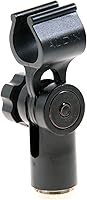
- The highly specialized, rounded shape makes it incredibly frustrating to secure in standard microphone clips.
- At over 12 ounces, the unit is surprisingly heavy and dense for its miniature footprint.
- Strict cardioid focus demands flawless mic technique, punishing users who drift even slightly off-axis.
- Traditional vocalists often find the frequency response lacks the warm presence of standard studio condensers.
- Fast-moving performers can occasionally bump the rotary dial and unintentionally alter their output volume.
- The premium price point is difficult to justify for casual hobbyists or garage band beginners.
Ratings
To help you make an informed decision on the Audix Fireball-V, our AI has analyzed thousands of verified global user reviews, actively filtering out bot-generated and incentivized spam. The resulting scores below reflect real-world performance, offering a transparent look at both the standout strengths and the frustrating pain points of this compact mic.
Ergonomics & Handling
Feedback Rejection
Vocal & Instrument Clarity
Build Quality & Durability
On-Board Volume Control
Stage Performance Viability
Studio Recording Utility
Portability & Storage
Versatility & Multi-Use
Value for Money
Suitable for:
The Audix Fireball-V is an absolute problem-solver for touring harmonica players and professional beatboxers who perform on loud, chaotic stages. If you are tired of wrestling with standard vocal mics that cause hand cramps and massive feedback spikes when cupped, this specialized tool is built specifically for your grip. It is highly recommended for live musicians who demand tactile control over their own dynamics via an on-board volume knob, rather than constantly relying on the sound engineer. Additionally, studio producers looking to mic up high-SPL instruments without distortion will find its robust handling capabilities incredibly useful. Ultimately, this dynamic instrument microphone thrives in the hands of artists who require rigorous, specialized live performance gear.
Not suitable for:
On the flip side, the Audix Fireball-V is absolutely not the right choice for traditional lead singers or podcasters looking for a versatile, general-purpose microphone. Because its ultra-small, rounded chassis is specifically engineered to be cupped in the hands, it is notoriously awkward to mount on standard mic clips without purchasing custom hardware. Furthermore, the tightly focused cardioid pattern requires strict mic technique, meaning casual public speakers or acoustic musicians who tend to drift off-axis will experience frustrating volume drops. If you are building a starter home studio and need a single, versatile condenser for recording delicate acoustic guitars or airy vocals, this niche tool will feel highly restrictive. Finally, beginners on a strict budget may find the premium price tag tough to justify for such a specialized piece of equipment.
Specifications
- Microphone Type: This is a dynamic instrument microphone designed for live stage performance.
- Polar Pattern: It features a unidirectional cardioid polar pattern for optimal sound isolation.
- Frequency Response: The frequency response ranges from 50 Hz to 16 kHz.
- Impedance: It operates with a low impedance of 150 Ohms to maintain signal quality.
- Audio Sensitivity: The audio sensitivity is rated at 45 Decibels.
- Connectivity: It utilizes a standard XLR connectivity technology for audio transmission.
- Special Features: An integrated volume control knob is built directly into the chassis.
- Target Instruments: It is specifically engineered for diatonic harmonicas, chromatic harmonicas, and beatboxing.
- Item Weight: The microphone weighs exactly 12.32 ounces.
- Dimensions: The physical dimensions are 8.8 by 4.35 by 2.6 inches.
- Power Source: It is a corded electric device that does not require external phantom power.
- Material: The chassis is constructed from heavy-duty metal for rugged durability.
Related Reviews
Atomos Ninja V ATOMNJAV01
Audix SCX1HC Hypercardioid Condenser Microphone
Audix DP7 7-Piece Drum Microphone Kit
Audix OM2
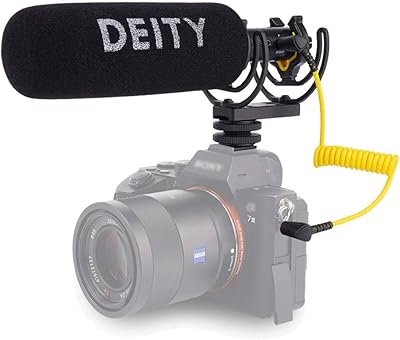
Deity D4 Duo Dual-Capsule Shotgun Microphone
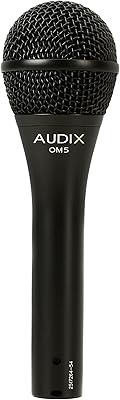
AUDIX OM5 Hypercardioid Dynamic Microphone
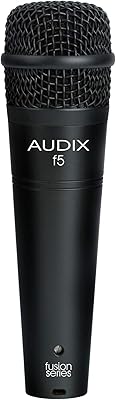
Audix F5 Instrument Dynamic Microphone
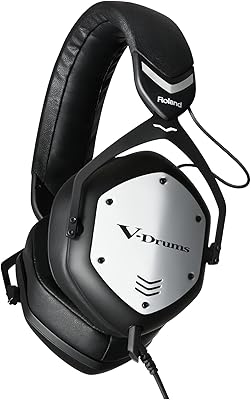
Roland VMH-D1 V-Drums Headphones
Audix OM7
