Audix ADX10-FLP Cardioid Condenser Flute Microphone
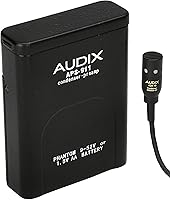
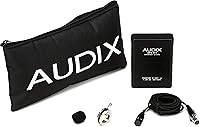
Audix ADX10-FLP Cardioid Condenser Flute Microphone — image 1
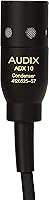
Audix ADX10-FLP Cardioid Condenser Flute Microphone — image 2
Audix ADX10-FLP Cardioid Condenser Flute Microphone — image 3
Audix ADX10-FLP Cardioid Condenser Flute Microphone — image 4
Audix ADX10-FLP Cardioid Condenser Flute Microphone — image 5
Audix ADX10-FLP Cardioid Condenser Flute Microphone — image 6
Audix ADX10-FLP Cardioid Condenser Flute Microphone — image 7
77%
23%

Overview

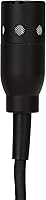
The Audix ADX10-FLP Cardioid Condenser Flute Microphone is not trying to be everything to everyone — it's built with one instrument in mind, and that focus shows. Audix has long held a respected place in professional audio, particularly for live sound and touring applications, and this instrument microphone carries that pedigree into a very specific niche. Unlike a stand-mounted condenser aimed at the embouchure hole, this is a clip-on lavalier design that attaches directly to the flute body, keeping the performer free to move. The housing is machined brass, which isn't purely cosmetic — it contributes to physical stability and acoustic character. If you're not a flutist, look elsewhere.

Features & Benefits

The cardioid polar pattern is arguably the most important design decision here. On a crowded stage or in an orchestra pit, you need a mic that hears your flute clearly and pushes background noise aside — and that's exactly what a cardioid pickup does. The condenser capsule is small enough not to interfere with fingering or posture, while still delivering a frequency response that reaches up to 20 kHz, preserving the airy upper harmonics that define the flute's character. A strong signal-to-noise ratio — 70 dB — means very little self-noise creeps into the signal, which matters most when playing softly. Connection is via XLR, so you'll need phantom power from your mixer or preamp — standard for any professional rig.

Best For

This flute clip-on mic is a natural fit for gigging flutists who perform regularly in live settings — whether that's a jazz club, a pit orchestra, or a recital hall where a stand mic just isn't practical. It's also a solid choice for music educators who need repeatable mic placement across many performances without repositioning each time. Recording musicians will appreciate having a dedicated instrument microphone rather than coaxing a vocal condenser into covering a flute. One important note: the ADX10-FLP runs on XLR with phantom power, so it's not a plug-and-play USB device. Existing pro audio rigs will integrate it naturally, but complete beginners may need to budget for additional gear.

User Feedback

With 67 ratings and a score of 4.1 out of 5, this instrument microphone earns generally favorable marks — though the picture isn't entirely uniform. Players who use it for live performance tend to be the most satisfied, consistently praising the natural flute reproduction and the freedom of movement the clip-on design offers. Studio users are a bit more divided; some feel the mic benefits from a quality preamp to really shine, which is worth budgeting for separately. Several reviewers have noted a learning curve in positioning — getting the capsule in the right spot relative to the embouchure takes real experimentation. Mounting stability on certain flute body styles has also come up, so confirming compatibility with your specific instrument before purchasing is a wise step.

Pros

  • Purpose-built for flute — the cardioid capsule captures the instrument's airy upper harmonics accurately.
  • Clip-on design frees performers from mic stand limitations, ideal for active stage movement.
  • Machined brass housing feels durable and substantial, not like a fragile afterthought.
  • Strong signal-to-noise ratio means soft passages stay clean without unwanted hiss creeping in.
  • XLR connectivity integrates cleanly into any professional audio setup without adapters or workarounds.
  • Consistent mic placement across performances reduces the need to re-adjust the sound each gig.
  • Compact capsule size does not obstruct fingering or interfere with the player's posture.
  • Frequency response reaches up to 20 kHz, preserving the delicate tonal detail flute players care about.
  • Audix is a respected professional brand — this is not a no-name clip-on from an unknown manufacturer.
  • Well-regarded by live sound engineers who appreciate predictable cardioid rejection in ensemble settings.

Cons

  • Requires phantom power via XLR — incompatible with USB interfaces or consumer audio gear out of the box.
  • Mounting stability on certain flute body styles has been flagged by a portion of buyers.
  • Finding the optimal capsule position on the instrument takes real trial and error for new users.
  • The review pool is relatively small, so consensus on long-term durability is still limited.
  • A quality preamp is effectively required to get the best performance — an added cost to factor in.
  • Not a flexible multi-instrument mic; buying it for anything other than flute is unlikely to pay off.
  • The ADX10-FLP may feel overspecialized for flutists who only perform occasionally or informally.
  • No wireless option — the corded XLR format can be a constraint on larger or more complex stages.
  • Studio users report more mixed results than live performers, suggesting it shines most in live contexts.

Ratings

The scores below reflect an AI-driven analysis of verified global buyer reviews for the Audix ADX10-FLP Cardioid Condenser Flute Microphone, with spam, bot-generated, and incentivized submissions actively filtered out before scoring. Each category captures both the genuine praise and the recurring frustrations real flutists have reported across live performance, orchestral, and studio contexts. Nothing has been softened — where buyers have struggled, the scores reflect it honestly.

Sound Quality
88%
Players performing in live ensemble settings consistently praise the natural, open reproduction of the flute's tone — particularly its ability to capture upper-register brightness without harshness. The cardioid capsule handles the instrument's full harmonic range with enough clarity that sound engineers rarely need to apply heavy EQ corrections at the board.
A handful of studio users feel the ADX10-FLP captures slightly less low-end warmth compared to a well-placed large-diaphragm condenser on a stand. In controlled recording environments, some players notice a subtle coloration that works beautifully live but may require minor EQ adjustment in post-production.
Noise Rejection
84%
The cardioid polar pattern does a strong job of isolating the flute in busy acoustic environments — players in pit orchestras and jazz ensembles report noticeably less bleed from neighboring instruments compared to omnidirectional alternatives. This makes mix-down or live front-of-house work considerably more manageable.
In very loud stage environments — particularly those with heavy brass or percussion nearby — some bleed still creeps in. The mic is not immune to low-frequency stage rumble, and a few users performing on resonant wooden stages have noted occasional low-end muddiness that required high-pass filtering at the mixer.
Build Quality
83%
The machined brass body gives this instrument microphone a tangibly solid feel that stands apart from plastic-bodied clip-on mics in a similar price range. Gigging musicians who throw gear into a case after every show appreciate that it does not feel fragile or prone to cosmetic damage under regular handling.
The cable junction where the mic body meets the wiring is the most commonly cited vulnerability — players who coil cables tightly or bend that area repeatedly have reported early wear at the connection point. For a touring musician, this is worth monitoring and protecting proactively.
Clip & Mounting
71%
29%
When the clip is correctly positioned and secured, most players report that it stays put throughout a full performance without slipping or shifting. The low-profile design does not visually dominate the instrument on stage, which matters to performers who care about presentation in recital or orchestral settings.
Compatibility with certain flute body shapes and finishes is not universal — several buyers with non-standard or aftermarket flutes have struggled to find a stable mounting position. The clip system also draws occasional criticism for the lack of micro-adjustment options, making initial positioning more trial-and-error than it should be.
Capsule Placement
67%
33%
Once a player finds the sweet spot — typically a few inches from the embouchure hole — the consistency of sound from performance to performance is a genuine advantage over repositioning a stand mic. Educators who set up this flute clip-on mic for students find that the placement can be marked and repeated reliably.
Getting to that sweet spot is not intuitive, especially for first-time users of clip-on instrument mics. Multiple reviewers describe a frustrating early period of trial and error, and some note that suboptimal positioning leads to excessive breath noise or an unbalanced frequency pickup that can mislead inexperienced players into thinking the mic is defective.
Compatibility
76%
24%
For anyone already running a professional XLR signal chain with phantom power — whether that is a quality audio interface, a dedicated preamp, or a mixing board — integration is completely straightforward. Sound engineers familiar with instrument mics will find nothing unusual about its technical requirements.
Buyers without an existing pro audio setup face a real compatibility gap: the XLR-only connection means it simply will not work with USB interfaces that lack phantom power or with consumer-grade gear. This has led to returns from buyers who did not realize the full system requirements before purchasing.
Preamp Sensitivity
69%
31%
With a clean, high-quality preamp feeding it phantom power, the ADX10-FLP rewards the investment — the signal comes through with low noise and good headroom, which is exactly what you want when capturing a dynamically varied flute performance from pianissimo to forte passages.
Paired with a budget audio interface sporting a noisy preamp stage, self-noise becomes more audible and can undermine the mic's otherwise decent signal-to-noise specification. This instrument microphone genuinely performs better when the rest of the signal chain is up to scratch, which is an implicit additional cost some buyers do not anticipate.
Live Performance
87%
Gigging flutists are consistently among the most satisfied buyers — the freedom of movement, predictable cardioid rejection, and stable clip placement translate directly into a more confident on-stage experience. Sound engineers working front-of-house report that the consistent mic position makes gain staging and EQ more predictable across a set.
On outdoor stages or in acoustically poor venues with significant low-frequency ambient noise, the mic benefits from a high-pass filter being engaged at the console. Without it, some users report that venue noise and stage vibration can color the signal in ways that require active management.
Studio Performance
72%
28%
For home studio users who want a dedicated close-mic solution for flute without setting up a full condenser-on-stand arrangement, the ADX10-FLP delivers a clean, focused sound that works well for demo recordings, educational content, or tracks where a dry direct sound is desirable.
Experienced recording engineers tend to prefer a large-diaphragm condenser for critical studio work because it captures more spatial depth and natural room character around the instrument. The clip-on design, by its very nature, gives a close and slightly dry perspective that does not suit every production style.
Ease of Setup
74%
26%
For players who already understand XLR routing and phantom power, setup is quick — attach the clip, route the cable, enable phantom power at the mixer, and you are ready to go. There is no driver installation, no pairing process, and no firmware to worry about.
The initial learning curve around mic positioning and clip attachment takes more time than many buyers expect, particularly those new to instrument microphones. Written guidance on optimal placement is minimal in the included documentation, leaving some users to rely on online forums or trial and error.
Cable Quality
66%
34%
The integrated cable is long enough to route comfortably to a belt-pack transmitter or direct to a nearby snake without straining the connection, which working performers appreciate during quick changeovers between pieces or sets.
Because the cable is not user-replaceable in the way a standard XLR cable is, any failure at the cable or junction point effectively takes the mic out of commission until it can be professionally repaired. A few long-term users have flagged this as a reliability concern after extended gigging.
Value for Money
78%
22%
Players who gig regularly or perform in professional contexts tend to view the ADX10-FLP as a worthwhile investment — the build quality, Audix pedigree, and purpose-specific design justify the cost when weighed against how much use a serious flutist will get out of it.
Occasional or hobby players may find it harder to justify the outlay, especially when factoring in the cost of a compatible phantom-power-capable interface or preamp. For someone who performs a handful of times per year, the price-to-use ratio is less compelling.
Low-Profile Design
86%
The miniaturized black capsule is visually discreet in live settings — it does not draw the eye or create an awkward visual profile on stage the way a stand mic or a large clip-on would. Orchestral players and recital performers who care about the visual presentation of their performance find this genuinely useful.
The low-profile aesthetic does come at a trade-off in capsule size, which means it is not capturing audio with the same diaphragm surface area as larger microphones. This is an intentional design decision rather than a flaw, but it is worth understanding before comparing sound quality specifications directly against stand-mounted condensers.

Suitable for:

The Audix ADX10-FLP Cardioid Condenser Flute Microphone was designed with a very clear buyer in mind: the working flutist who performs regularly and needs reliable, hands-free amplification without a mic stand getting in the way. Gigging musicians playing in jazz ensembles, pit orchestras, or recital settings will find the clip-on format genuinely practical — it clips to the instrument, stays put, and delivers consistent placement night after night. Music educators who move between multiple students or performance contexts will also appreciate not having to reposition a stand mic every session. For recording musicians who want a dedicated instrument microphone rather than pointing a large-diaphragm vocal condenser at the flute and hoping for the best, this is a purposeful and sonically appropriate upgrade. The key requirement is that you already have — or are willing to build — an XLR signal chain with phantom power, whether that's a mixing board, a dedicated preamp, or a phantom-powered audio interface.

Not suitable for:

If you play any instrument other than flute, the Audix ADX10-FLP Cardioid Condenser Flute Microphone simply isn't designed for you — this is not a versatile all-instrument lavalier, and treating it as one would be a waste of a specialized tool. Beginners who don't yet own any professional audio gear should also pause before purchasing: this mic runs on XLR with phantom power, meaning it will not work plugged directly into a laptop, a phone, or a basic USB interface without additional equipment. Casual hobbyists who only play at home and have no need to amplify or record may find the investment difficult to justify given the niche application. Anyone expecting plug-and-play simplicity or compatibility with consumer-grade gear will likely be frustrated. Finally, players with less common or unusually shaped flute bodies should verify mounting compatibility before committing, as the clip system has not been universally praised across all instrument designs.

Specifications

  • Brand: Manufactured by Audix, a professional audio company known for live sound and studio microphone design.
  • Model: The exact model designation is ADX10-FLP, a miniaturized condenser mic purpose-built for flute.
  • Mic Type: Cardioid condenser design optimized for instrument pickup rather than general vocal or room applications.
  • Polar Pattern: Unidirectional cardioid pattern focuses pickup on the sound source directly in front while rejecting off-axis ambient noise.
  • Form Factor: Lavalier-style clip-on housing that attaches directly to the flute body, eliminating the need for a stand.
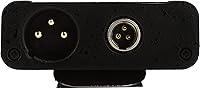
  • Connector: Standard XLR output connector compatible with professional mixers, preamps, and PA systems.
  • Power Source: Operates on phantom power delivered via the XLR connection — no internal battery is required or supported.
  • Signal-to-Noise: Signal-to-noise ratio of 70 dB keeps self-noise low enough for clean capture of soft flute passages.
  • Sensitivity: Audio sensitivity rated at 30 dB, calibrated for the dynamic range of a live or studio flute performance.
  • Impedance: Output impedance of 600 Ohm is compatible with standard professional mic preamp inputs.
  • Frequency Range: Frequency response extends up to 20 kHz, preserving the upper harmonics and airiness characteristic of the flute.
  • Body Material: Housing is constructed from machined brass, contributing to physical durability and acoustic stability.
  • Color: Available in black, offering a low-profile appearance suitable for stage use.
  • Weight: Complete unit weighs 10.4 oz, reflecting the solid brass construction rather than a lightweight plastic build.
  • Dimensions: Overall package dimensions measure 8.75″ x 4.25″ x 2.5″ including the clip-on mounting assembly and cabling.
  • Compatibility: Designed for use with amplifiers, speakers, and professional mixing boards that supply standard 48V phantom power.
  • Channels: Single-channel mono output, standard for instrument microphones in both live and studio signal chains.
  • Intended Use: Specifically engineered for live flute performance and studio recording — not designed as a multi-instrument or general-purpose mic.
  • Availability: First made available in April 2004 and remains in active production as of the most recent product data.
  • In the Box: Package includes the ADX10-FLP miniaturized condenser flute mic with its dedicated clip-on mounting hardware.

Related Reviews
Blue Blueberry Cardioid Condenser Microphone
79%
93%
Tonal Character
91%
Vocal Performance
89%
Build Quality
94%
Capsule Quality
71%
Preamp Compatibility
More
Aston Microphones Stealth Condenser Microphone
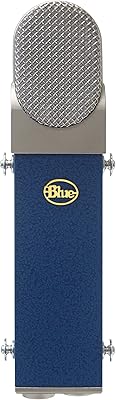
79%
88%
Sound Quality
84%
Voice Mode Versatility
86%
Built-in Preamp
91%
Build Quality
83%
Value for Money
More
Blue Bluebird SL Condenser Microphone
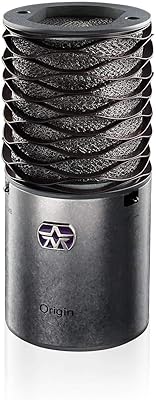
75%
91%
Vocal Sound Quality
88%
Build Quality
79%
Value for Money
54%
Ease of Setup
74%
Noise Rejection
More
Aston Microphones Origin
85%
94%
Build Quality
89%
Vocal Clarity
92%
Instrument Response
71%
Internal Pop Filtering
91%
Price-to-Performance Ratio
More
Shure KSM32 Cardioid Condenser Microphone
83%
93%
Vocal Clarity
91%
Transient Accuracy
94%
Build Quality
72%
Value for Money
89%
Noise Floor Performance
More
Audix SCX1HC Hypercardioid Condenser Microphone
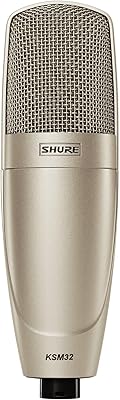
82%
91%
Sound Isolation
88%
Build Quality
67%
Noise Floor Performance
86%
Ease of Setup
89%
SPL Handling
More
Shure SM137
Shure SM137
84%
91%
Sound Transparency
88%
Build Quality
89%
Low-Noise Performance
87%
Handling of High SPL Sources
93%
Acoustic Guitar Capture
More
Audio-Technica AT2035
87%
91%
Audio Transparency
88%
Build Durability
86%
Self-Noise Levels
93%
High SPL Handling
74%
Environmental Isolation
More
Shure SM81-LC
Shure SM81-LC
88%
97%
Acoustic Accuracy
94%
Build Durability
92%
Transient Response
88%
Off-Axis Rejection
91%
Low-Frequency Control
More
Audio-Technica AT2021 Cardioid Condenser Microphone
77%
91%
Instrument Recording
84%
Sound Quality
86%
Value for Money
61%
Ease of Setup
63%
Vocal Performance
More

FAQ

You cannot plug it directly into a laptop or a standard USB port — the Audix ADX10-FLP Cardioid Condenser Flute Microphone requires an XLR connection and phantom power to operate. In practice, that means you need a mixer, a dedicated mic preamp, or an audio interface that supplies 48V phantom power. If you don't already have that kind of setup, you'll need to budget for it alongside the mic itself.

It depends on the transmitter. The ADX10-FLP outputs via a standard XLR connector, so if your wireless pack accepts an XLR input and supplies phantom power, it may be compatible. However, not all bodypack transmitters provide phantom power, so you'll want to confirm that spec with your wireless system's documentation before assuming it will work.

The mounting system is designed to clip onto the flute body without tools, but players with more delicate or lacquered finishes often place a thin piece of soft cloth or a rubber pad between the clip and the instrument as a precaution. It takes a bit of care, but most users manage to secure it safely with some experimentation.

There's no universal answer here — positioning varies depending on your instrument, your playing style, and the acoustic environment. Most players find that placing the capsule roughly 2 to 4 inches from the embouchure hole captures a balanced tone without excessive breath noise. Expect a short trial-and-error period, especially at first; several buyers have noted this learning curve in their reviews.

While the mounting hardware could physically fit some other cylindrical woodwinds, the ADX10-FLP is voiced and optimized specifically for the flute's frequency profile. Using it on a piccolo might yield usable results given the similar register, but Audix designed and markets it exclusively for flute, and for other instruments you'd be better served by a mic designed for that specific application.

A stand-mounted condenser can sound excellent in a controlled studio setting, but it ties you to a fixed position and picks up far more room ambience and nearby instruments. This flute clip-on mic travels with the instrument, meaning placement stays consistent no matter how much you move, and the cardioid pattern does a much better job of isolating your sound in a live or ensemble context. For gigging players, the practical advantages are significant.

It will work with most interfaces that supply phantom power, but the quality of your preamp does make a noticeable difference. Several users have noted that the ADX10-FLP responds well to a cleaner, higher-quality preamp stage — budget interfaces with noisy preamps can introduce more audible hiss into quieter passages. If you're investing in a mic at this level, pairing it with a decent interface preamp is worth the consideration.

The cabling on this instrument microphone is integrated with the clip-on assembly rather than being a fully field-replaceable component like a standard XLR cable. This is fairly typical for miniaturized clip-on condensers of this type, so treat the cable with care and avoid sharp bends near the connection points to maximize longevity.

The machined brass construction is a good indicator of durability — this is not a plastic-bodied mic that will crack after a few months on the road. That said, the cable junction and the clip mechanism are the points most likely to show wear over time with heavy use, so it's worth inspecting them periodically. The review base is not enormous yet, so very long-term durability data is still somewhat limited.

You can absolutely use it for home recording, and some players do. That said, the consensus among users leans toward live performance being where this instrument microphone truly excels. In a recording environment, a well-placed large-diaphragm condenser on a stand can sometimes capture more room depth and nuance. But if your recording setup is modest or you prefer consistent, close-mic'd placement for a clean direct sound, the ADX10-FLP is a perfectly valid studio option.

Where to Buy