Overview

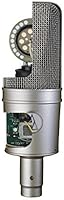
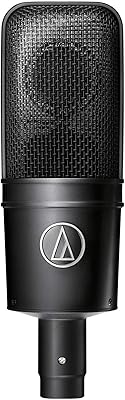
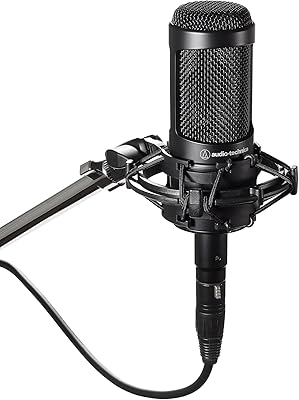
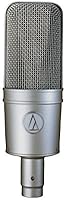
The Audio-Technica AT4047/SV Cardioid Condenser Microphone has been a steady presence in professional studios and broadcast booths since its introduction in 2004 — a longevity that says something about consistent performance rather than marketing momentum. Audio-Technica has built a serious reputation in studio and broadcast mic design, and the AT4047/SV sits near the top of their condenser range. This is an XLR-only professional mic, built for engineers and serious recordists who already have a proper signal chain in place. The vintage silver-matte finish gives it an understated, classic look that fits as naturally on a broadcast desk as it does in a well-treated home studio environment.
Features & Benefits

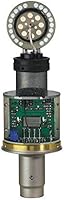
The engineering inside this large-diaphragm condenser is deliberate and cohesive. A transformer-coupled output paired with a carefully tuned element gives the mic warmth and body that brighter, more clinical modern condensers tend to lack — it draws inspiration from vintage FET designs, though it is very much a current production microphone. The dual gold-plated aged diaphragms keep the cardioid pattern tight and predictable even at higher frequencies where lesser mics tend to wander. Two practical switches round things out: an 80 Hz hi-pass filter for taming low-end rumble in live or broadcast settings, and a 10 dB pad that lets the mic handle loud sources cleanly without distortion.

Best For

This studio mic earns its place most clearly in vocal and voice-over work, where its smooth, slightly warm character flatters a wide range of voices without adding harshness or brittle high-end detail. Broadcast studios and podcasters with a quality preamp will find the low self-noise particularly useful for clean, quiet recordings. Acoustic instrument tracking — guitar, piano, strings — is another natural fit given the wide dynamic range and stable polar pattern. It also handles high-SPL sources reliably with the pad engaged. Where it is less suited: budget setups relying on entry-level interfaces, since a capable preamp is genuinely necessary to let this mic perform as it should.

User Feedback

With a limited number of Amazon ratings, the broader picture here is filled in by professional reviews and community forums — and the consensus is fairly consistent. Owners repeatedly praise the warm, controlled high end, contrasting it favorably with the more aggressive brightness of competing modern condensers at comparable price points. The included shock mount draws positive comments for its build quality. The main criticism worth flagging: this mic does not reach its potential on weak or noisy preamps, and its weight means a solid stand is advisable. A handful of buyers draw comparisons to the classic large-diaphragm mics it was designed to evoke, almost always favorably. The 4.4-star average reflects a well-regarded niche mic that rewards the right setup.

Pros

  • Warm, transformer-coupled tone flatters vocals and acoustic instruments without harshness.
  • Low self-noise keeps recordings clean even when capturing quiet, delicate sources.
  • The switchable 10 dB pad lets this studio mic handle loud sources cleanly without distortion.
  • Dual gold-plated aged diaphragms maintain a tight, consistent cardioid pattern across the full frequency range.
  • The 80 Hz hi-pass filter is a practical tool for broadcast and live sound applications.
  • Solid nickel-plated brass construction feels genuinely built to last for years of professional use.
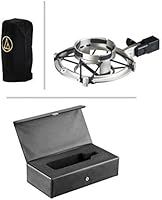
  • The included shock mount is well-made and adds real value rather than feeling like an afterthought.
  • Vintage silver-matte finish looks professional in both studio and broadcast environments.
  • Has remained a respected professional choice for over two decades, which speaks to its sustained reliability.

Cons

  • Requires a high-quality preamp to unlock its full potential — budget interfaces will hold it back noticeably.
  • XLR-only connectivity means no direct USB or plug-and-play option for simpler setups.
  • At 3 pounds, it is heavier than many competitors and needs a sturdy, quality mic stand.
  • The warm tonal character is not the right fit for producers who want a bright, modern condenser sound.
  • A relatively small number of verified buyer reviews makes it harder to gauge real-world satisfaction broadly.
  • The price point puts it out of reach for beginners who may not yet have the supporting gear to justify it.
  • Not well-suited for field recording, travel, or any use case that demands portability.
  • Engineers expecting multi-pattern switching will need to look at other options, as this is cardioid-only.

Ratings

The scores below reflect AI analysis of verified buyer reviews worldwide for the Audio-Technica AT4047/SV Cardioid Condenser Microphone, with spam, bot activity, and incentivized feedback actively filtered out before scoring. Each category is evaluated against real-world usage patterns drawn from professional studio engineers, home recordists, and broadcast professionals. Both the genuine strengths and the honest frustrations are represented here without varnish.

Tonal Character
93%
The warm, transformer-coupled sound is the single most praised aspect of this mic among users who have compared it directly to brighter modern condensers. Vocalists and acoustic instrument engineers consistently describe it as a mic that sounds musical and natural without requiring heavy post-processing to tame harshness.
That same warmth is a dealbreaker for engineers who want a more transparent, detailed, or airy condenser sound — particularly those working in modern pop or acoustic genres where a bright top end is expected. It is a tonal signature, not a flaw, but it does narrow the audience.
Self-Noise & Clarity
91%
Engineers tracking quiet sources — fingerpicked acoustic guitar, whispering vocals, delicate strings — regularly single out the low self-noise as a standout practical benefit. Recordings come back clean and free of the background hiss that plagues less refined condensers, which saves significant time in post-production noise reduction.
The low self-noise advantage is partially negated if the supporting preamp introduces its own noise floor, which is a real concern with budget interfaces. Users who have not yet invested in a capable front end may not hear any meaningful difference compared to a less expensive mic.
Build Quality
89%
The nickel-plated brass body feels genuinely substantial — most owners describe it as one of the most solidly constructed mics they have handled at this level. The included shock mount matches the build quality of the mic itself, which is not always the case at this price tier, and buyers consistently call it a premium-feeling addition.
The weight — around 3 pounds — is a direct consequence of that solid construction, and a small number of users have noted it puts noticeable strain on lighter boom stands over time. Those using entry-level stands may need to budget for an upgrade to avoid instability issues.
Vocal Performance
92%
Voice-over artists and lead vocalists in particular have found this studio mic to be a reliable workhorse that handles a wide range of voice types graciously. Its forgiving character on sibilance and its natural midrange presence mean fewer corrective moves are needed during mixing, which studio pros consistently view as a genuine time-saver.
Voices that naturally lack presence or brightness may need additional EQ shaping downstream, since the mic does not add that characteristic lift that some brighter condensers provide automatically. It is not a one-size-fits-all vocal mic, and pairing decisions matter.
Preamp Dependency
58%
42%
When paired with a quality preamp or a mid-to-high-tier audio interface, the AT4047/SV rewards the investment noticeably — experienced engineers with proper signal chains report excellent results across a variety of recording scenarios including broadcast, studio vocals, and acoustic tracking.
This is the most consistent practical criticism across user feedback: the mic underperforms with budget interfaces and weak preamps, leaving some buyers disappointed after expecting immediate results. For anyone whose signal chain is not already at a matching level, the effective performance does not reflect the purchase price, which makes this a meaningful buying risk.
Polar Pattern Consistency
87%
The dual-diaphragm capsule design is specifically engineered to keep the cardioid pattern stable across the frequency range, and users who have tested it carefully report that off-axis rejection remains predictable and consistent even at higher frequencies where other large-diaphragm condensers tend to widen unexpectedly.
There is no pattern switching available, so engineers who occasionally need figure-eight or omnidirectional recording will need a second mic for those tasks. This is a design choice rather than a deficiency, but it does limit flexibility in certain studio and broadcast configurations.
High-SPL Handling
84%
The switchable 10 dB pad gives this large-diaphragm condenser genuine versatility for high-SPL sources — users have successfully used it on guitar amplifiers, brass instruments, and drum overheads without encountering distortion or capsule stress. For a mic primarily known for studio vocals, that is a useful bonus capability.
A small number of users working at extreme SPL levels in live sound noted they wanted more headroom than the single 10 dB pad provides. In controlled studio scenarios this is rarely an issue, but aggressive live sound applications may push the limits.
Hi-Pass Filter Utility
82%
18%
The 80 Hz hi-pass filter proves genuinely useful in broadcast and voice-over work, where low-frequency rumble from air conditioning, traffic, or stand vibration can cloud an otherwise clean recording. Broadcast engineers and podcasters in less-than-perfect acoustic environments have called it a practical tool they engage consistently.
The fixed 80 Hz cutoff frequency works well for voice applications but offers less flexibility for engineers who prefer a higher or lower rolloff point for instrument tracking. A variable filter would make this a more adaptable feature across recording scenarios.
Value for Money
74%
26%
For engineers who already have a quality signal chain and genuinely need a warm, vintage-voiced large-diaphragm condenser, the AT4047/SV represents fair value given its build longevity, consistent professional performance, and the fact that it has held its position in the market for over two decades without major revision.
Buyers entering the professional condenser market for the first time may find the investment harder to justify, especially given the additional cost of a compatible preamp. Competing options exist at lower price points that deliver strong performance for users who do not specifically need the vintage tonal signature.
Acoustic Instrument Recording
88%
Recording engineers tracking acoustic guitar, upright piano, and orchestral strings frequently highlight this mic as a top choice for its natural warmth and controlled detail. It captures the body and resonance of acoustic instruments without adding clinical brightness that can feel unnatural on these sources.
On very bright or percussive acoustic instruments where top-end sparkle is desirable — such as a steel-string guitar with a glassy attack — some engineers have found the mic slightly too warm, requiring EQ to restore the presence they wanted. It is a considered trade-off.
Broadcast & Podcast Suitability
81%
19%
The combination of low self-noise, consistent polar pattern, and the useful hi-pass filter makes this studio mic a credible choice for broadcast booths and treated podcast studios. Professionals who have used it in those environments describe voice reproduction as clear, warm, and fatigue-free over long sessions.
The price point and the XLR-only requirement make it an over-specified choice for casual or beginner podcasters who do not yet have the supporting infrastructure. For most podcast use cases, the investment is difficult to justify unless broadcasting standards genuinely demand it.
Ease of Setup
69%
31%
For engineers already familiar with XLR signal chains and phantom power, the physical setup is entirely straightforward — the shock mount attaches cleanly, the switches are well-positioned, and there is nothing technically complicated about getting the mic operational in a standard studio environment.
Beginners without prior experience managing phantom power, preamp gain staging, and XLR routing may find the setup less intuitive than expected. There is no USB fallback, no companion app, and no simplified onboarding — which is fine for the intended professional audience but a real barrier for newcomers.
Long-Term Durability
88%
The brass body and precision-machined construction are widely regarded as indicators of long-term reliability, and the mic's continuous production run since 2004 suggests Audio-Technica has confidence in its durability over time. Owners who have used it for years report no meaningful degradation in performance.
As with any large-diaphragm condenser, the capsule is sensitive to humidity, rough handling, and phantom power surges from improperly configured equipment. Proper storage and careful signal chain management are necessary to protect the investment — this is not a mic that tolerates neglect.
Aesthetic & Finish
83%
The vintage silver-matte finish is a genuine differentiator in a market full of matte-black condensers, and a consistent number of buyers mention that it looks distinctly professional and classic in both studio and broadcast environments. The matching shock mount contributes to a cohesive, well-considered visual presentation.
The finish, while attractive, can show fingerprints and light scuffing over time if handled frequently without care. A small number of users noted the nickel plating requires occasional cleaning to maintain its appearance, particularly in high-humidity studio environments.

Suitable for:

The Audio-Technica AT4047/SV Cardioid Condenser Microphone is built for people who already know what they want from a studio mic and have the signal chain to support it. Vocalists and voice-over artists who find modern condensers too bright or harsh will appreciate its warm, smooth character — it flatters a wide range of voices without the hyped top end that can fatigue a listener over a long session. Broadcast professionals and podcast producers working in treated rooms will benefit from the low self-noise, which keeps quiet passages clean and free of background hiss. Recording engineers tracking acoustic instruments — fingerpicked guitar, upright piano, orchestral strings — will find the wide dynamic range and stable cardioid pattern give them consistent, usable results with minimal fuss. Home studio owners who are ready to step up from entry-level gear and invest in something built to last decades will find this studio mic a genuinely rewarding long-term purchase.
Not suitable for:

Anyone building their first home studio around a budget audio interface should think carefully before committing to the Audio-Technica AT4047/SV Cardioid Condenser Microphone — it is a mic that genuinely needs a clean, capable preamp to perform at its best, and a weak or noisy front end will leave you wondering what all the fuss is about. Buyers expecting USB convenience or plug-and-play simplicity will need to look elsewhere entirely, as this is a strictly XLR mic designed for a proper recording setup. If your primary need is a bright, airy, detail-forward condenser sound — common in modern pop or acoustic music production — this large-diaphragm condenser may feel a little too warm or restrained for your taste. At its price point, buyers on a tighter budget have competitive alternatives worth considering, particularly if they do not yet have the preamp quality to hear the difference. And given its weight and size, anyone needing a mic for travel or field recording will find it impractical for those scenarios.
Specifications

  • Microphone Type: Large-diaphragm cardioid condenser designed for professional studio, broadcast, and live sound applications.
  • Polar Pattern: Fixed cardioid (unidirectional), maintaining consistent pattern definition across the full frequency range.
  • Capsule Design: Dual-diaphragm capsule with gold-plated, specially contoured and aged diaphragms for stable sensitivity and tonal consistency.
  • Output Type: Transformer-coupled balanced output, contributing to the warm, vintage-influenced tonal character of the microphone.
  • Signal-to-Noise Ratio: 77 dB SNR, indicating exceptionally low self-noise suitable for capturing quiet acoustic sources with high clarity.
  • High-Pass Filter: Switchable 80 Hz hi-pass filter for reducing low-frequency rumble and handling noise in broadcast or live environments.
  • Pad: Switchable 10 dB attenuation pad for handling high-SPL sources such as loud amplifiers or close-miked drums without signal distortion.
  • Connector: Standard 3-pin XLR output, compatible with professional audio interfaces, mixing consoles, and broadcast recording equipment.
  • Power Requirement: Requires 48V phantom power supplied via XLR from a compatible audio interface, preamp, or mixing console.
  • Body Material: Precision-machined nickel-plated brass construction with an acoustic element baffle engineered for mechanical stability and sensitivity consistency.
  • Finish: Vintage silver-matte finish applied to both the microphone body and the included shock mount for a cohesive, classic aesthetic.
  • Weight: Approximately 3 pounds (1.36 kg), which is notably heavier than many competing large-diaphragm condensers and requires a sturdy mic stand.
  • Dimensions: Overall package dimensions measure 9.8 x 11 x 4.5 inches, reflecting the substantial build of the microphone and included shock mount.
  • Included Accessories: Ships with the microphone and a matching vintage silver-matte shock mount; no storage pouch or hard case is listed as included.
  • Compatibility: Designed for use with professional audio interfaces, mixing consoles, standalone preamps, and broadcast recording equipment via XLR.
  • Channels: Single-channel mono microphone; it captures one audio source at a time with no built-in multi-channel or stereo capability.
  • Manufacturer: Manufactured by Audio-Technica U.S., a Japanese-American company with a long-standing reputation in professional microphone and audio equipment design.
  • Availability: Not discontinued by the manufacturer; the product has been available since April 2004, reflecting over two decades of continuous production.

Related Reviews

Audio-Technica AT4021 Cardioid Condenser Microphone
81%
93%
Tonal Accuracy
88%
Noise Floor Performance
87%
Build & Durability
84%
Value for Money
92%
Transient Response
More
Audio-Technica AT2020
81%
92%
Vocal Clarity
94%
Build Durability
96%
Value for Money
83%
Background Noise Rejection
62%
Plosive Management
More
Audio-Technica AT2035
87%
91%
Audio Transparency
88%
Build Durability
86%
Self-Noise Levels
93%
High SPL Handling
74%
Environmental Isolation
More
Audio-Technica ATM710 Cardioid Condenser Microphone
78%
86%
Vocal Clarity & Detail
74%
Stage Performance
83%
Build Quality
84%
Handling Noise Rejection
81%
Plosive & Sibilance Control
More
Audio-Technica AT2010
85%
93%
Vocal Clarity & Articulation
91%
High-Frequency Detail
84%
Feedback Resistance
78%
Handling Noise Suppression
88%
SPL Handling
More
Audio-Technica AT4040
83%
92%
Sound Transparency
88%
Build Quality
86%
Transient Response
83%
Value for Money
84%
Off-Axis Rejection
More
Audio-Technica AT4041 Cardioid Condenser Microphone
81%
93%
Sound Accuracy
91%
Transient Response
94%
Unit Consistency
34%
Accessories & Packaging
78%
Value for Money
More
Audio-Technica AT2021 Cardioid Condenser Microphone
77%
91%
Instrument Recording
84%
Sound Quality
86%
Value for Money
61%
Ease of Setup
63%
Vocal Performance
More
Audio-Technica PRO70
78%
88%
Audio Clarity
91%
Build Quality
83%
Noise Rejection
61%
Handling & Clothing Noise
86%
Versatility
More
Audio-Technica AT2020USB+ USB Condenser Microphone
79%
88%
Audio Quality
94%
Ease of Setup
91%
Zero-Latency Monitoring
83%
Build Quality
76%
Value for Money
More

FAQ

Yes, the AT4047/SV requires 48V phantom power — it will not work without it. Most dedicated audio interfaces and mixing consoles include phantom power, usually activated by a button labeled 48V. If you are unsure whether your interface supports it, check the manual or product specs before purchasing. Entry-level USB interfaces sometimes have it, but always worth confirming.

It is an excellent vocal mic if your home studio setup is up to the task. The Audio-Technica AT4047/SV Cardioid Condenser Microphone produces a warm, smooth character that is flattering on a wide range of voices, particularly those that can sound harsh or brittle through brighter condensers. That said, it really does need a decent preamp and a reasonably treated room to shine — put it in front of a noisy interface in an untreated space and you will not hear what it is capable of.
You do not need anything exotic, but you do need something clean and capable. A mid-range standalone preamp or a quality built-in interface preamp will make a clear difference over a budget unit. This large-diaphragm condenser rewards a preamp with low noise and adequate gain, so it is worth investing in your signal chain if you want the full benefit.

Yes, the built-in 10 dB pad makes it well-suited for high-SPL sources. Engage the pad when pointing the mic at a loud amp or placing it over a drum kit, and it will handle the level cleanly without distorting the capsule. Just make sure your stand and positioning are solid, given the mic's weight.

It rolls off frequencies below 80 Hz, which is useful for cutting out low-end rumble — things like air conditioning, traffic vibration, or stand noise that can muddy a recording. In broadcast and voice-over work especially, switching it on helps keep dialogue clean and focused without affecting the natural body of a voice.

It is a modern production microphone inspired by vintage FET designs — not a reissue or a vintage find. The transformer-coupled output and tuned element are designed to evoke that older sonic character, and many engineers feel it succeeds, but it is important to understand you are buying a current-production mic with modern manufacturing standards, not a collector piece.

It weighs around 3 pounds, which is on the heavier side for a studio condenser. A standard boom stand will technically work, but a sturdier stand is advisable to avoid any tipping or unwanted movement. The included shock mount attaches via a standard thread, so compatibility with common stands is not an issue.

Based on the listed included components, it ships with the microphone and the shock mount only — no hard case or storage bag is included. If you plan to transport it regularly, investing in a padded mic case separately is a sensible idea given the build quality of the microphone itself.

It can absolutely be used for podcasting or streaming, though it is probably more mic than most podcasters need. If you are running a professional broadcast setup with proper acoustic treatment and a quality interface, it will produce excellent results. For casual streaming or home podcasting with basic gear, a more modest condenser or a dynamic mic might be a more practical and cost-effective choice.

The AT4047/SV tends to sit in conversations alongside other warm, vintage-voiced large-diaphragm condensers. Its transformer-coupled output sets it apart from the more neutral or bright-sounding competitors at this level. Engineers who want a clinical, detailed sound may prefer something else, but those chasing a rounder, more classic character consistently point to this mic as a strong contender. Given its production history of over two decades, it has earned credibility across a broad range of professional contexts.