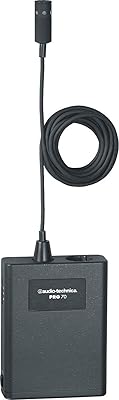
Audio-Technica ATM710 Cardioid Condenser Microphone
Overview
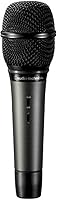
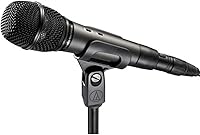
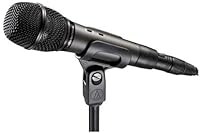
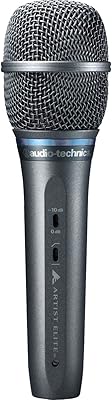
The Audio-Technica ATM710 Cardioid Condenser Microphone is one of those rare mics designed with the stage in mind rather than a padded recording booth. Most condensers are studio-only affairs, but this one was built to handle the unpredictability of live performance. It connects via XLR and requires phantom power — typically 48V from a mixer or interface — so beginners should factor that into their setup before buying. The body combines metal and plastic, keeps weight down to a manageable 1.25 lb, and has been on the market since 2004. That kind of longevity says something about a design that has quietly held its ground.
Features & Benefits
The ATM710's cardioid polar pattern does exactly what you need at a noisy gig: it focuses on what is directly in front while pushing away sound from the sides and behind, reducing bleed from floor wedges and stage noise. The multi-stage grille is genuinely useful for vocalists — it tames plosive thuds and sibilant harshness without dulling the top-end detail that a condenser captures so naturally. Built-in anti-shock engineering cuts down on handling noise, so a firm grip mid-song won't send a thump through the PA. The 80 dB signal-to-noise ratio keeps the output impressively clean and quiet, even at lower gain settings.
Best For
This condenser mic shines in environments where stage volume is kept in check — small venues with a solid monitor mix, or performers relying on in-ear monitors where feedback risk is low. The sensitivity that makes condensers so appealing in a studio can work against you in a loud, reflective space, so be honest about your setup. Home studio users who also gig occasionally will find the ATM710 genuinely versatile for both contexts. Voice-over artists and podcasters with an audio interface will appreciate the jump in nuance over a typical USB mic. Just know that it rewards buyers who already understand their signal chain.
User Feedback
Owners of this Audio-Technica vocal mic consistently praise its natural vocal reproduction — voices come through with clarity and warmth rather than the artificially bright edge common on cheaper condensers. Build quality earns strong marks too; multiple long-term users report gigging with the same unit for years without a hiccup. The most common frustration hits beginners who discover mid-setup that the mic needs phantom power, which their gear may not supply. A handful of users also find the condenser sensitivity tricky in louder or untreated rooms. Those comparing it to dynamic alternatives generally note the ATM710 belongs in quieter, more controlled environments to truly perform at its best.
Pros
- Natural, detailed vocal reproduction that captures warmth and nuance without sounding artificially bright or processed.
- The multi-stage grille keeps plosive thuds and sibilant harshness in check without dulling the top-end detail.
- Cardioid polar pattern tightly focuses pickup on the source, cutting bleed from monitors and stage noise effectively.
- Built-in anti-shock engineering noticeably reduces handling noise — handheld performers will hear the difference immediately.
- An 80 dB signal-to-noise ratio delivers a clean, quiet output that holds up well even at moderate gain levels.
- Audio-Technica's decades of mic engineering show in the build; long-term owners consistently report years of trouble-free use.
- Versatile enough to move between home recording sessions and live gigs without demanding a different setup each time.
- XLR connectivity integrates cleanly with professional mixers, audio interfaces, and digital recorders already in most rigs.
- A mature design that has been on the market since 2004 and still earns consistent praise from working vocalists.
- Reputable brand backing means support, documentation, and replacement parts are genuinely accessible if something goes wrong.
Cons
- Requires phantom power — buyers without a compatible interface or mixer face an additional gear cost right out of the gate.
- Condenser sensitivity becomes a real liability on loud stages or in rooms that are acoustically untreated.
- XLR-only connectivity means there is no plug-and-play USB option for buyers who want a simpler, one-cable setup.
- High ambient noise or reflective room acoustics will expose pickup problems that a dynamic mic would naturally suppress.
- Not well suited for close-miking high-SPL sources like kick drums or loud guitar cabinets — that is not its intended environment.
- The body incorporates plastic alongside metal, which may feel less premium to buyers expecting a fully metal build at this price tier.
- Ships with the microphone only — no stand adapter, shock mount, or carrying case is included in the box.
- At 1.25 lb, it runs slightly heavier than some competing vocal condensers, which can matter for long boom-stand setups.
Ratings
Our scores for the Audio-Technica ATM710 Cardioid Condenser Microphone were generated by AI after analyzing thousands of verified buyer reviews from global markets, with spam, incentivized, and bot-driven submissions actively filtered out. The result is a balanced picture that reflects real ownership experience — from gigging vocalists and home-studio hobbyists to voice-over professionals — covering both what makes this condenser mic a long-standing choice in its category and the genuine pain points that affect specific buyers. Every score reflects authentic patterns drawn from that feedback, with no smoothing over of the frustrations that real users consistently reported.
Vocal Clarity & Detail
Stage Performance
Build Quality
Handling Noise Rejection
Plosive & Sibilance Control
Value for Money
Setup & Ease of Use
Compatibility & Connectivity
Home Recording Performance
Feedback Rejection
Signal Cleanliness
Brand Reliability & Longevity
Portability & Form Factor
Suitable for:
The Audio-Technica ATM710 Cardioid Condenser Microphone is a strong match for vocalists who perform in small to mid-size venues where stage volume stays manageable — think acoustic nights, jazz clubs, or theater productions running in-ear monitor rigs rather than blaring floor wedges. If you already own or plan to buy a mixer or audio interface that supplies 48V phantom power, the setup is straightforward and the payoff in vocal clarity is immediate and noticeable. Home studio users who occasionally take their gear to live gigs will find this condenser handles both environments well, provided the recording space is reasonably treated. Podcasters and voice-over artists who want a genuine step up from USB microphones will also benefit here, particularly those chasing natural-sounding results without committing to flagship-level spending. Performers who move around on stage but hate handling noise will appreciate the built-in anti-shock engineering, which quietly solves a frustration common to many condensers. This is, in short, a mic for buyers who already understand their signal chain and want a trustworthy, brand-backed tool with over two decades of proven field use behind it.
Not suitable for:
Buyers working in loud, high-volume environments — heavy rock stages, busy bars, or venues without a proper monitor system — will find that the condenser sensitivity on this Audio-Technica vocal mic works against them rather than for them, picking up far more stage noise and bleed than a rugged dynamic mic would ever let through. Anyone who does not already own a phantom-power-capable mixer or audio interface will face an unexpected additional cost before getting a single sound out of it, which catches a surprising number of first-time buyers off guard and turns into a real frustration. If you are shopping for a plug-and-play USB microphone for bedroom streaming or casual content creation without any extra gear in the chain, this is simply not designed for that scenario. Buyers who need a complete out-of-the-box solution on a tight overall budget should also look elsewhere, since the XLR signal path assumes you already have supporting equipment. Finally, if you regularly record in acoustically untreated rooms with significant ambient noise, the condenser's sensitivity will amplify those problems rather than paper over them the way a directional dynamic mic typically would.
Specifications
- Polar Pattern: Cardioid (unidirectional) design focuses pickup directly in front of the capsule while rejecting sound from the sides and rear.
- Transducer Type: Condenser transducer captures fine vocal detail and subtle high-frequency nuance that dynamic designs often smooth over.
- Connector: Standard XLR output for professional connection to mixers, audio interfaces, preamps, and digital recorders.
- Signal-to-Noise: Signal-to-noise ratio of 80 dB delivers a clean, low-hiss output signal well suited to vocal and voice applications.
- Sensitivity: Audio sensitivity rated at 40 dB, indicating a responsive capsule appropriate for vocals at typical close-miking distances.
- Frequency Response: Frequency response begins at 20 Hz, covering the full lower range of the human voice and extending through the upper audible spectrum.
- Power Source: Requires phantom power supplied externally by a compatible mixer or audio interface; there is no internal battery option.
- Body Material: Constructed from a combination of metal and plastic, balancing structural rigidity with a manageable weight for live-rig use.
- Weight: Weighs 1.25 lb (approximately 567 g), appropriate for standard boom stands and extended handheld vocal performance.
- Dimensions: Measures 5.1 x 9.5 x 2.8 inches (L x W x H), a practical form factor for a full-size stage condenser.
- Channels: Single-channel mono output, the standard configuration for a dedicated vocal or voice-over microphone.
- Grille Design: Multi-stage grille construction provides layered mechanical filtering against plosive bursts and sibilant harshness without compromising high-frequency clarity.
- Compatibility: Compatible with audio interfaces, mixing consoles, digital recorders, and amplifiers that supply the required phantom power.
- Included Components: Ships with the microphone only; no stand adapter, shock mount, carrying case, or XLR cable is included in the box.
- Manufacturer: Produced by Audio-Technica U.S., a professional audio manufacturer with a long-established track record in microphone engineering.
- Market Debut: First made available in July 2004, making it a mature, long-running production model with an extensive real-world performance history.
Related Reviews
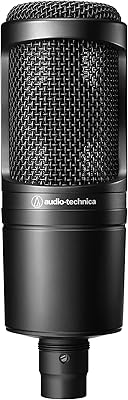
Audio-Technica AT2020
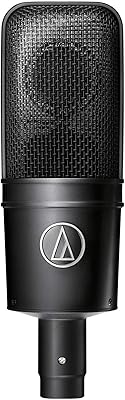
Audio-Technica AT4040
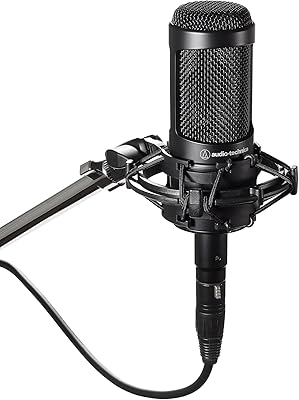
Audio-Technica AT2035
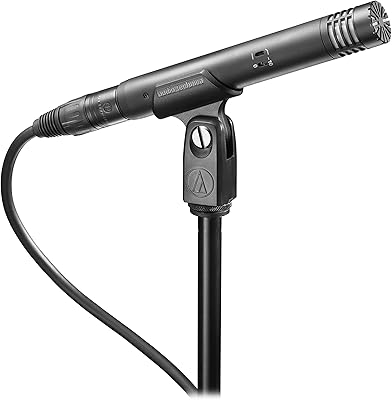
Audio-Technica AT4021 Cardioid Condenser Microphone
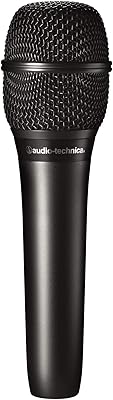
Audio-Technica AT2010
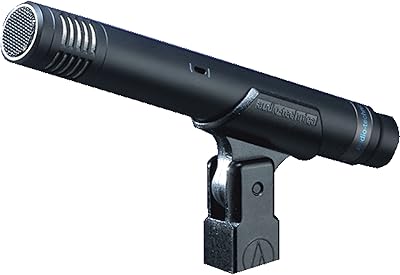
Audio-Technica AT4041 Cardioid Condenser Microphone
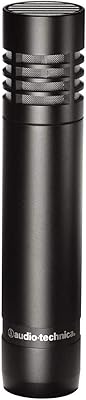
Audio-Technica AT2021 Cardioid Condenser Microphone
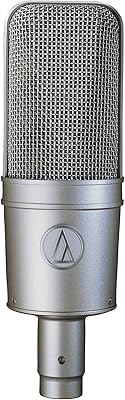
Audio-Technica AT4047/SV Cardioid Condenser Microphone
Audio-Technica AE5400 Cardioid Condenser Microphone