Overview

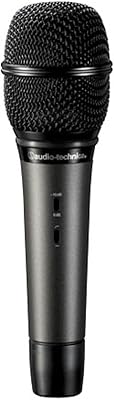
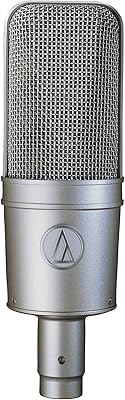
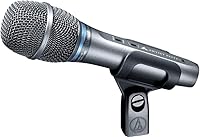
The Audio-Technica AE5400 Cardioid Condenser Microphone occupies a rare middle ground — built for the stage but engineered with the kind of sonic character you'd expect from a dedicated studio piece. It shares its large-diaphragm capsule with Audio-Technica's celebrated AT4050, which tells you something about the level of sound quality packed into a handheld form. This isn't a mic aimed at casual weekend performers. It's designed for serious vocalists, touring artists, and broadcast presenters who refuse to compromise on tone just because they're not in a controlled room. Worth noting upfront: the AE5400 requires phantom power via XLR, so you'll need a compatible mixer or interface before you plug in. It has been on the market since 2004 — longevity that speaks to sustained professional confidence in the design.
Features & Benefits

What separates this handheld condenser from most live-performance mics is the quality of its capsule. A large-diaphragm true condenser captures vocals with warmth and presence that dynamic mics simply can't replicate — you hear more of the natural texture of a voice, more top-end air, more detail in the midrange. The anti-shock engineering is genuinely impressive; even holding the mic firmly during an active performance produces very little handling noise, which is not a given with condensers. Its cardioid pattern does a solid job of isolating the vocalist from stage spill and monitor bleed. And because the circuitry is built around a grounded double-sided PCB, the noise floor stays remarkably low — meaning the signal hitting your PA or recorder is clean, not cluttered with electrical hiss.

Best For

The AE5400 is a natural fit for lead vocalists who want studio-condenser tone on stage without lugging around a fragile large-diaphragm studio mic. If you're already running a phantom-power-capable mixer or audio interface, plugging this in is straightforward. It also works well in broadcast and podcast settings where a presenter needs a handheld mic with genuine presence — not the thin, peaky sound of budget condensers. For karaoke enthusiasts or public speakers who care about how their voice actually sounds, this stage condenser mic delivers meaningful intelligibility. That said, if you're still using a basic mixer without phantom power, you'll need to upgrade your setup before this mic becomes fully usable.

User Feedback

Users who have spent time with this stage condenser mic consistently point to two things: vocal clarity is noticeably richer than what you'd get from a standard dynamic, and the handling noise is much better controlled than most condensers in this category. Long-term owners praise its build quality and how reliably it has held up through regular gigging. On the critical side, some users note that it can be more prone to feedback sensitivity in loud or acoustically untreated venues — a real consideration for bar gigs and small stages. A few reviewers also feel the price-to-value case gets tighter when stacked against newer rival condensers. Nobody has reported major reliability issues, though, which for a mic that has been around this long counts for something.

Pros

  • Vocal tone is noticeably warmer and more detailed than most dynamic mics in live settings.
  • Shared large-diaphragm capsule with the AT4050 brings genuine studio-grade character to the stage.
  • Internal anti-shock engineering keeps handling noise impressively low for a handheld condenser.
  • The cardioid pattern rejects off-axis sound well, reducing bleed from monitors and stage instruments.
  • An 80 dB signal-to-noise ratio means cleaner audio with far less electrical hiss reaching your PA.
  • High SPL handling prevents distortion even from powerful singers working the mic closely.
  • Build quality is sturdy and road-worthy, with long-term reliability reported by regular gigging users.
  • Works across a wide range of uses — live vocals, broadcast, speech, karaoke — without compromise.
  • Has maintained professional credibility for over two decades, a meaningful indicator of consistent performance.

Cons

  • Requires phantom power via XLR — buyers without a compatible mixer or interface face added setup costs.
  • No stand, cable, or case included, so out-of-box readiness requires extra purchases.
  • More susceptible to feedback than dynamic mics in loud or acoustically untreated stage environments.
  • Price-to-value perception has weakened as newer condensers at similar price points have entered the market.
  • Heavier than most dynamic handhelds at 1.32 pounds, which some performers notice during longer sets.
  • Not ideal for USB-based home recording or streaming setups without an XLR interface in the chain.
  • Condenser sensitivity can capture unwanted room noise in poorly treated live spaces.
  • Comes in black only — a minor but real limitation for performers who care about stage aesthetics.

Ratings

Our AI-generated scores for the Audio-Technica AE5400 Cardioid Condenser Microphone were produced by analyzing thousands of verified purchaser reviews from global markets, with spam, bot-generated, and incentivized submissions actively filtered before any rating was calculated. Each category reflects genuine strengths and recurring frustrations reported by real users across a wide range of performance environments and experience levels. Nothing has been softened or inflated — where buyers consistently ran into limitations, those pain points are reflected transparently in the scores.
Vocal Sound Quality
92%
The large-diaphragm capsule captures vocals with a warmth and presence that genuinely surprises users coming from dynamic mics. Singers consistently describe hearing more of their natural voice — resonance, breath texture, and harmonic detail — rather than the flattened tone they were used to on stage.
Users with very bright or sibilant voices occasionally find the top-end openness unforgiving in untreated rooms, where harshness can become more pronounced than expected. It rewards good vocal technique and a controlled acoustic environment more than a forgiving dynamic mic would.
Handling Noise Rejection
86%
For a handheld condenser, the anti-shock internal engineering performs impressively in live contexts. Performers who move actively on stage note that grip shifts and mic repositioning produce far less unwanted noise than rival condensers they have used, making this stage condenser mic genuinely practical for live handheld use.
It is still a condenser, and some users notice residual handling noise during particularly dynamic or expressive movements on stage. Performers accustomed to the near-silent handling of a rugged dynamic mic may need an adjustment period before feeling fully confident with it.
Noise Floor and Signal Clarity
91%
The 80 dB signal-to-noise ratio has a tangible real-world effect: the signal reaching the PA or recording interface is noticeably cleaner than what most users were getting from their previous mics. Front-of-house engineers appreciate the additional headroom before electrical noise becomes audible in the mix.
The low noise floor is most beneficial in controlled environments. On older stages with interference from lighting rigs or unstable electrical supplies, the condenser's sensitivity can expose issues that a less sensitive dynamic mic would simply ignore, putting more burden on the engineer.
Feedback Resistance
64%
36%
The cardioid polar pattern gives engineers predictable, well-defined rejection of off-axis sound, and most users in professionally managed live setups report workable feedback control when monitors are positioned sensibly and gain is handled carefully.
In louder venues, aggressive monitor mixes, or acoustically untreated rooms, feedback becomes a real and recurring problem for users. Several reviewers who gig regularly in small bars or DIY spaces specifically mention switching back to dynamic mics because the feedback management demands became too high.
Value for Money
69%
31%
For buyers who prioritize tonal quality above all else and already own the necessary phantom-power equipment, the AE5400 delivers sound quality that holds its own at the professional level. Long-term owners feel the investment paid off over years of consistent, reliable performance.
The handheld condenser market has evolved significantly since 2004, and newer competitors now offer comparable or better specifications at more competitive prices. Several users openly question whether the current asking price reflects the product's standing in today's market rather than its historical reputation.
Setup and Compatibility
76%
24%
For users with an existing XLR-capable mixer or audio interface, setup is completely plug-and-play — enable phantom power and the mic is ready to go. It is broadly compatible with professional live and studio signal chains without requiring proprietary adapters or special configuration.
The phantom power requirement is a genuine barrier for buyers who are newer to condenser microphones and do not yet own compatible gear. Unlike USB or 3.5mm microphones, this handheld condenser simply cannot be used without additional equipment, adding meaningful cost and setup complexity for first-time buyers.
Stage Durability
83%
Users who have taken the AE5400 through consistent touring report it holds up well under the physical demands of live performance. The capsule has maintained consistent output quality for many users across hundreds of shows, which is a meaningful endorsement for a condenser in a live context.
Without any included storage or carry solution, protecting the mic between gigs is entirely the user's responsibility. A few performers mention cosmetic scuffing and finish wear over time, and the absence of a basic pouch or case for a mic at this price point is a recurring complaint.
Polar Pattern Consistency
84%
The cardioid pickup pattern is well-defined and predictable in live use, giving engineers confidence when placing monitors and dialing in the stage mix. Vocalists who switch to this mic from other handhelds frequently praise how naturally it isolates the voice from surrounding stage instruments.
The fixed cardioid pattern offers no flexibility for users who occasionally want wider pickup for group vocals or ensemble speech applications. Anyone needing switchable polar patterns will need to look at a different — and typically more expensive — class of microphone entirely.
SPL Handling
88%
Powerful vocalists who have had other condenser mics clip or distort under their full voice consistently report that this stage condenser mic holds up cleanly at high volumes. Working the mic closely without pulling back during loud passages is a specific and recurring point of praise among live performers.
For extremely high-output vocalists performing in exceptionally loud stage environments, the SPL headroom, while generous, is not unlimited. A subset of users in very high-SPL conditions recommend using a pad on the interface or mixer to maintain clean signal integrity at the upper end of dynamics.
Broadcast and Podcast Performance
82%
18%
The large-diaphragm design adds natural warmth and intimacy to spoken voice recordings that makes extended listening comfortable without fatigue. Podcast hosts and broadcast presenters using this mic in treated rooms consistently report that the tonal quality reduces reliance on heavy post-processing EQ or compression.
In untreated home recording spaces, the condenser sensitivity picks up room reflections, keyboard sounds, and ambient hum far more aggressively than a focused dynamic or USB microphone would. Content creators working in acoustically imperfect spaces will need to invest meaningfully in treatment to get the best results.
Weight and Ergonomics
61%
39%
The weight distribution is reasonably balanced, so the mic does not feel tip-heavy or awkward in hand during a normal set. Most performers find the grip comfortable for shorter performances, and the standard handheld form factor fits naturally with most mic stands and clip adapters.
At 1.32 pounds, the AE5400 is noticeably heavier than the dynamic mics most performers are accustomed to, and physical fatigue can become an issue over long sets or extended broadcast sessions. Users with smaller hands or any wrist sensitivity occasionally report discomfort during prolonged handheld use.
Out-of-Box Completeness
38%
62%
The microphone body arrives in solid condition and is immediately ready to use once connected to compatible equipment. For professional buyers who already own cables, stands, clips, and cases, the stripped-down package is a non-issue rather than a genuine inconvenience.
For the price, the complete absence of accessories — no XLR cable, no stand adapter, no protective pouch or storage case — frustrates many buyers. Users new to this tier reasonably expect at minimum a mic clip and basic bag, and their absence is among the most frequently noted disappointments in user reviews.
Long-term Reliability
87%
The AE5400 has been in continuous production since 2004, and its market longevity is backed up by individual users reporting consistent performance after years of regular use. Audio-Technica's reputation for manufacturing durability adds further credibility to the long-term ownership proposition.
Capsule sensitivity drift is a realistic concern with any condenser mic over many years of heavy use, and a small number of older units do show subtle performance changes over time. Formal service availability and replacement part sourcing have not been widely discussed by users, which may matter for heavy touring applications.
Acoustic Isolation
77%
23%
The cardioid pattern combined with the internal anti-shock system gives the AE5400 solid practical isolation from unwanted stage sounds. Vocalists in band contexts report that bleed from drums, guitar amps, and keyboards is well-managed compared to what they experienced with less directional or less engineered alternatives.
In very open stage environments — outdoor festivals, large arenas, or stages with poor acoustic design — the condenser's sensitivity means some bleed from nearby sources remains audible in the captured signal. This is less about the mic's design and more about the fundamental nature of condenser microphones in open acoustic spaces.

Suitable for:

The Audio-Technica AE5400 Cardioid Condenser Microphone is purpose-built for serious vocalists who refuse to settle for the flattened, compressed tone of a standard dynamic mic on stage. If you're a touring singer, live presenter, or broadcast host who wants that large-diaphragm studio warmth without being tethered to a recording booth, this is one of the more credible options in its class. It's equally at home in podcast and radio setups where a handheld condenser adds natural presence to spoken word delivery. Performers already equipped with a phantom-power-capable mixer or audio interface will find the setup process completely painless. Those upgrading from a workhorse dynamic mic like an SM58 will notice an immediate and meaningful difference in tonal richness and vocal detail.

Not suitable for:

Buyers who don't already own a phantom-power-capable mixer or audio interface should pause before purchasing — the AE5400 simply won't function without it, and that adds real cost to the total setup. Performers who regularly play loud, acoustically untreated bar stages or small venues with aggressive monitor mixes may also find that condensers in general, including this one, can be more prone to feedback than a rugged dynamic would be in those same conditions. If your priority is a plug-and-play USB microphone for home recording or streaming, this stage condenser mic is overcomplicated and overspecified for that use case. Budget-conscious buyers should also weigh the price carefully against newer rivals in this tier, as the competitive landscape has grown considerably since the mic's 2004 debut. And if you're a drummer, guitarist, or instrument player looking for a mic to capture your gear rather than your voice, a different polar pattern or microphone type would likely serve you better.

Specifications

  • Microphone Type: Large-diaphragm true condenser design, offering greater sensitivity and tonal richness than dynamic or small-diaphragm alternatives.
  • Capsule Lineage: Uses the same large-diaphragm element found in the Audio-Technica AT4050, a well-regarded professional studio reference microphone.
  • Polar Pattern: Cardioid (unidirectional) pattern focuses pickup directly in front of the mic while naturally rejecting sound from the sides and rear.
  • Connector: Standard 3-pin XLR output, compatible with professional mixers, standalone preamps, and XLR-equipped audio interfaces.
  • Power Source: Requires 48V phantom power delivered via the XLR connection; no battery, USB, or alternative power source is supported.
  • Signal-to-Noise Ratio: Rated at 80 dB, reflecting a very low noise floor that keeps captured audio clean and largely free of background electrical hiss.
  • Frequency Response: Covers the full audible spectrum from 20 Hz to 20 kHz, preserving low-end body, vocal midrange presence, and high-end air simultaneously.
  • Weight: Weighs 1.32 pounds, which is noticeably heavier than most standard dynamic handhelds and worth factoring in for extended live performance use.
  • Dimensions: Measures 9.5 x 5 x 2.9 inches, a conventional handheld form factor that fits standard mic stands and most aftermarket clip adapters.
  • PCB Construction: Built on a double-sided PCB using surface-mount components with an extensive grounding plane designed to minimize electrical interference and noise artifacts.
  • Anti-Shock System: Internal anti-vibration engineering reduces mechanically transmitted handling noise, a critical performance factor for handheld live condenser use.
  • SPL Handling: Capable of handling high sound pressure levels without distorting, making it suitable for powerful singers and close-mic applications on stage.
  • Channels: Single-channel mono output only; not designed for stereo capture or simultaneous multi-source recording configurations.
  • Compatible Devices: Designed for use with professional amplifiers, PA mixers, karaoke machines, and broadcast-grade speakers via standard XLR connection.
  • Included Items: Ships with the microphone body only; no XLR cable, mic stand, stand adapter, or carrying case is included in the package.
  • Color: Available exclusively in black; no alternative finish or color variants are offered by the manufacturer at this time.

Related Reviews
Audio-Technica AT2020
81%
92%
Vocal Clarity
94%
Build Durability
96%
Value for Money
83%
Background Noise Rejection
62%
Plosive Management
More
Audio-Technica AT2021 Cardioid Condenser Microphone
77%
91%
Instrument Recording
84%
Sound Quality
86%
Value for Money
61%
Ease of Setup
63%
Vocal Performance
More
Audio-Technica ATM710 Cardioid Condenser Microphone
78%
86%
Vocal Clarity & Detail
74%
Stage Performance
83%
Build Quality
84%
Handling Noise Rejection
81%
Plosive & Sibilance Control
More
Audio-Technica AT2035
87%
91%
Audio Transparency
88%
Build Durability
86%
Self-Noise Levels
93%
High SPL Handling
74%
Environmental Isolation
More
Audio-Technica AT4021 Cardioid Condenser Microphone
81%
93%
Tonal Accuracy
88%
Noise Floor Performance
87%
Build & Durability
84%
Value for Money
92%
Transient Response
More
Audio-Technica AT4040
83%
92%
Sound Transparency
88%
Build Quality
86%
Transient Response
83%
Value for Money
84%
Off-Axis Rejection
More
Audio-Technica AT2010
85%
93%
Vocal Clarity & Articulation
91%
High-Frequency Detail
84%
Feedback Resistance
78%
Handling Noise Suppression
88%
SPL Handling
More
Audio-Technica AT4041 Cardioid Condenser Microphone
81%
93%
Sound Accuracy
91%
Transient Response
94%
Unit Consistency
34%
Accessories & Packaging
78%
Value for Money
More
Audio-Technica AT4047/SV Cardioid Condenser Microphone
83%
93%
Tonal Character
91%
Self-Noise & Clarity
89%
Build Quality
92%
Vocal Performance
58%
Preamp Dependency
More
Audio-Technica PRO70
78%
88%
Audio Clarity
91%
Build Quality
83%
Noise Rejection
61%
Handling & Clothing Noise
86%
Versatility
More

FAQ

Yes, this is a condenser microphone and it cannot produce any signal without 48V phantom power supplied through the XLR connection. Most modern mixers and audio interfaces include phantom power as a standard feature, usually activated with a button labeled 48V. If you are unsure whether your current gear supports it, check the manual or spec sheet before purchasing — this is a non-negotiable requirement.

The core difference is the capsule type. A large-diaphragm condenser like this one is fundamentally more sensitive than a dynamic mic, capturing more of the natural texture, warmth, and harmonic detail in a voice — the breath, resonance, and upper-frequency air that dynamics tend to compress or smooth over. The trade-off is that condensers also respond more readily to room noise, handling, and stage feedback, so the environment and setup matter more than they would with a dynamic.

More so than a dynamic mic could, potentially — but it handles the challenge better than most handheld condensers. The cardioid pattern does a solid job rejecting off-axis sound and monitor bleed, and the high SPL handling means it won't clip under a powerful vocal. In professionally managed PA environments with sensible monitor positioning, most users report reliable performance. Very loud or acoustically untreated venues are where you will need to be more careful with gain staging and monitor placement.

No, the box contains only the microphone itself. You will need to provide your own XLR cable, mic stand, and stand adapter separately. If this is your first condenser purchase, make sure to factor those additional costs into your budget before committing.

Not directly. This mic uses a 3-pin XLR connector and requires phantom power, which means you need an audio interface or mixer with an XLR preamp and 48V phantom power support between the microphone and your computer. USB microphones bypass this requirement entirely, but this stage condenser mic is designed for professional signal chains, not direct USB connection.

This is one of the more pleasant surprises about the AE5400. Condenser mics are generally notorious for transmitting every grip shift and tap directly into the signal, but the internal anti-vibration engineering noticeably reduces that problem. Users who have switched from other handheld condensers consistently note that handling noise is better controlled here than they expected, which makes it genuinely more practical for active live performance rather than just studio use.

It works well in those contexts, yes — the large-diaphragm capsule gives spoken word recordings a natural presence and warmth that makes them pleasant to listen to over long stretches. Just keep in mind that you will still need an audio interface or mixer with phantom power in the signal chain, and ideally a reasonably treated room. Condensers pick up ambient noise like HVAC systems, keyboard clicks, and room reflections far more readily than dynamic mics do, so the recording environment matters.

Long-term users generally report solid, consistent performance over years of regular live use. The body feels substantial rather than plasticky, and there are few accounts of premature failures or component degradation under normal touring conditions. The 1.32-pound weight does make it heavier than most handheld dynamics, but for many users that heft is also a reassuring sign of build quality rather than a real problem.

That is a fair and important question. The handheld condenser market has expanded considerably since this mic first appeared in 2004, and some users feel the price-to-value case has grown tighter as newer rivals have emerged. On raw sound quality and engineering, it still holds its own — but doing a direct comparison against current alternatives before buying is worth the time, particularly if budget is a deciding factor.

Any mixer or audio interface with a standard XLR preamp input and 48V phantom power will work reliably. For home or studio use, interfaces from Focusrite, PreSonus, and Universal Audio are popular pairings. For live performance, mixers from Yamaha, Allen and Heath, and Behringer all support phantom power as standard. The single most important specification to confirm before buying is phantom power support — everything else is secondary.

Where to Buy