Overview

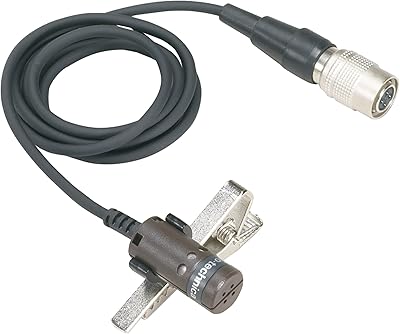
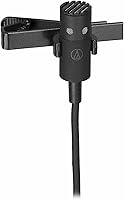
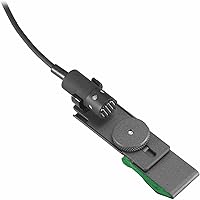
The Audio-Technica PRO70 is a compact condenser microphone that has quietly earned a reputation among working performers since its release back in 2004. What sets it apart is an unusual dual-purpose design — it functions as both a clip-on lavalier for vocalists and a mounted mic for acoustic instruments, which is genuinely rare at this price tier. The metal housing feels solid in hand, and the XLR output immediately signals that this is a tool for people with a real signal chain, not a plug-and-play beginner option. Two decades on the market without being discontinued says something.

Features & Benefits

The cardioid polar pattern does real work in live settings — it pulls in what is right in front of the capsule and largely ignores crowd noise or stage wash from the sides. A standout practical feature is the dual power option: phantom power when a mixer or interface is available, or a single AA battery when it is not. That flexibility matters on location shoots or acoustic café gigs. The low-frequency roll-off switch is genuinely useful for cutting clothing rustle when worn as a lavalier. An 80 dB signal-to-noise ratio means the resulting audio is clean rather than hissy, and the all-metal body holds up to the kind of handling abuse that plastic capsules rarely survive.

Best For

The PRO70 makes the most sense for solo acoustic guitarists who want a hands-free miking solution without anchoring a stand in front of the soundhole. It also works well for vocalists in theater, corporate presentations, or broadcast contexts where a discreet clip-on will not distract an audience. Content creators who already own an audio interface or mixer will appreciate that XLR connectivity — though buyers without that gear should factor in the added cost. Educators and tour guides dealing with noisy environments will find the cardioid rejection particularly helpful. It is genuinely a dual-use tool, though users should hold realistic expectations about what a single small capsule can do across both roles.

User Feedback

Owners of this clip-on condenser consistently point to its acoustic guitar reproduction as a highlight — the sound is described as natural and balanced without the brittle high-end that cheaper capsules tend to add. Durability comes up frequently too, with some buyers reporting years of trouble-free use. On the downside, clothing brush noise is a recurring complaint when the mic is worn as a lavalier; careful placement and a little tape can help, but it requires attention. Some users find the included cable length limiting for larger stage setups. Overall, long-term reliability is a consistent strength, with criticism mostly focused on minor practical limitations rather than audio quality.

Pros

  • Natural acoustic guitar reproduction without the harsh high-end coloration common in cheaper lavalier capsules.
  • Metal construction holds up to regular transport and gigging in a way plastic competitors simply do not.
  • Battery power option is a genuine lifesaver when phantom power is unavailable on location or at smaller venues.
  • Dual-use design covers both vocal lavalier and instrument miking — rare and practical at this price tier.
  • Cardioid pickup pattern handles noisy environments well, reducing bleed from nearby speakers or crowd noise.
  • Low-frequency roll-off switch reduces clothing rustle and handling noise at the source, before it ever hits the mix.
  • Long track record since 2004 means real buyers have years of evidence that this lavalier mic holds up over time.
  • Balanced XLR output integrates cleanly into professional rigs and handles long cable runs without picking up interference.
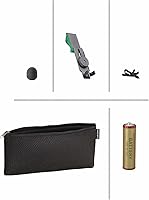
  • Includes both a clothing clip and instrument adapter, so it is genuinely usable out of the box for either application.

Cons

  • Clothing brush noise is a recurring real-world issue and requires careful placement or additional mounting accessories.
  • Included cable length falls short for larger stages, making extension cables a near-mandatory extra purchase.
  • No windscreen is included, which is an immediate gap for anyone planning to use it outdoors or near ventilation.
  • XLR connectivity means buyers without an existing interface or mixer face significant additional setup costs.
  • Manufacturer does not publish a full frequency response curve, leaving technically minded buyers with less data than they deserve.
  • Newer competing capsules have emerged at lower price points, putting mild pressure on its value proposition.
  • Battery compartment is not quick to access mid-performance, making charge management a pre-show concern.
  • Not genuinely optimized for both vocal and instrument work simultaneously — each application involves some trade-off.
  • Long-term capsule wear and cable stress at the connection point have been noted by heavy-touring owners over time.

Ratings

The Audio-Technica PRO70 has accumulated a substantial body of real-world feedback from performers, presenters, and content creators across global markets — and our AI-driven scoring system has analyzed that verified buyer data, actively filtering out incentivized reviews and bot activity, to produce the scores below. Strengths and shortcomings are weighted equally, so what you see reflects the honest, unvarnished picture of how this clip-on condenser performs in actual use.

Audio Clarity
88%
Users consistently describe the sound from this lavalier mic as natural and open, particularly when miking acoustic guitar. There is a notable absence of the harsh upper-midrange edge that plagues many small capsules in this price range, making recorded and live-reinforced audio pleasant to listen to for extended periods.
A handful of users working in studio-adjacent contexts felt the top-end detail fell slightly short of dedicated instrument mics at a similar price. The capsule can also color the sound subtly when positioned off-axis, which requires careful placement to avoid.
Build Quality
91%
The all-metal housing is one of the most frequently cited strengths across long-term owner reviews. Multiple buyers reported using the same unit for five or more years without degradation, which is a strong signal for performers who subject gear to regular transport and handling.
The cable strain relief, while adequate, has drawn occasional criticism from users who coil and uncoil the cable frequently. A few reviewers noted that after heavy touring use, the connection point near the capsule head showed early signs of wear.
Noise Rejection
83%
The cardioid polar pattern does a credible job of keeping crowd noise, monitor bleed, and ambient room sound out of the signal — useful in theater pit work or noisy presentation environments. Performers on busy stages appreciate how focused the pickup zone stays even at moderate gain levels.
It is not a hypercardioid, so bleed from very loud stage sources positioned to the sides is still possible at high SPL. Users in particularly reverberant rooms noted that the rejection alone could not compensate for poor placement choices.
Handling & Clothing Noise
61%
39%
The low-frequency roll-off switch provides genuine practical help in reducing low-end rumble from movement, and users who take time to position the mic carefully report acceptable results even in active applications like fitness instruction or stage performance.
This is the most consistent pain point in user feedback. Clothing brush noise is a real issue when the mic is worn against fabric without additional stabilization such as tape or a dedicated mounting clip. Presenters who move a lot find this more disruptive than occasional performers do.
Versatility
86%
The dual-use design — functioning as both a vocal lavalier and an acoustic instrument mic via the included adapter — is genuinely useful and relatively rare in this category. Content creators, educators, and gigging musicians who need one mic to cover multiple duties find real value in this flexibility.
Honest buyers will acknowledge that no single small capsule is truly optimized for both vocal and instrument work simultaneously. Users expecting broadcast-grade vocal presence or studio-quality instrument detail from one mic will find compromises in each application.
Power Flexibility
89%
The ability to run on either phantom power or a single AA battery is a practical advantage that experienced users highlight regularly. Field recorders, tour educators, and run-and-gun videographers value not being stranded when a powered mixer or interface is unavailable.
Battery life specifics are not well documented, and a few users reported uncertainty about remaining charge during longer performances. The battery compartment, while functional, is not the most intuitive to access quickly during a live event.
Value for Money
84%
For a metal-bodied, dual-purpose XLR condenser from a reputable brand, the price-to-performance ratio holds up well. Buyers coming from cheaper plastic lavalier mics consistently note a meaningful step up in audio quality and build confidence.
Competing miniature condensers from newer brands have emerged at lower price points with comparable specs, which puts mild pressure on the PRO70s value proposition. Buyers who need only vocal or only instrument capability might find more focused alternatives at the same price.
Ease of Placement
74%
26%
The included clothing clip is straightforward to use and keeps the capsule reasonably secure during moderate movement. The compact form factor means it is unobtrusive even on dress shirts or light stage costumes where bulk would be a problem.
Getting the placement right for optimal sound while minimizing clothing noise takes some experimentation, especially for first-time lavalier users. The mic does not come with a windscreen, which users working outdoors or near air conditioning quickly notice as an omission.
Cable Length & Accessories
58%
42%
The package does include the key accessories — clothing clip, instrument adapter, and a battery — which means it is usable out of the box for the stated applications without an immediate trip to buy extras.
The included cable length is a recurring frustration for users on larger stages or in setups where the mic needs to reach a floor-level preamp or DI box. Extension cables become a near-mandatory additional purchase for many real-world performance scenarios.
XLR Connectivity
77%
23%
XLR output is a genuine quality indicator here, providing a balanced signal that handles longer cable runs cleanly and integrates with professional mixing consoles and audio interfaces without ground noise issues common in unbalanced connections.
XLR is also a hard barrier for buyers who assumed this mic would work directly with a smartphone, laptop, or camera. Without a compatible interface or mixer — which adds cost and bulk — the PRO70 is simply not usable, and this catches some buyers off-guard.
Documentation & Specs Transparency
53%
47%
The basics are covered: polar pattern, sensitivity, and SNR figures are published and give experienced buyers enough to make a reasonably informed decision about fit for their use case.
Several technically minded users expressed frustration at the absence of a full frequency response curve from the manufacturer. Without that data, comparing it precisely against alternatives or optimizing EQ in post-production requires more guesswork than it should.
Long-Term Reliability
93%
The longevity of this mic in the market, combined with consistent reports of multi-year performance from real owners, builds a credible reliability picture. Audio-Technica units purchased in the early product years are still reportedly in active use.
Sample variation and age-related capsule drift are mentioned occasionally by very long-term owners, though these are edge-case reports rather than widespread patterns. Repair or replacement parts are not easily available for DIY fixes if the capsule or cable does fail.
Low-Frequency Roll-Off Usefulness
79%
21%
Users in live sound and broadcast contexts appreciate having the roll-off option built in rather than relying solely on downstream EQ. It reduces the need for channel strip adjustments and helps keep the signal clean at the source in fast-moving live scenarios.
The switch itself is small and not easy to toggle quickly, meaning it is better treated as a set-it-and-forget-it option rather than something you adjust between uses. Users working across very different acoustic environments in one session find this limiting.

Suitable for:

The Audio-Technica PRO70 is a strong fit for working performers and presenters who need a reliable, discreet mic that earns its keep across more than one application. Solo acoustic guitarists playing live gigs will find the instrument adapter and cardioid pattern particularly practical — it keeps the guitar sounding natural without the feedback risk of a large diaphragm mic on a stand. Theater performers, corporate presenters, and broadcast hosts who need a clip-on lavalier that disappears visually while still delivering clean audio will also be well served. Content creators and streamers who already own an audio interface or mixer can take advantage of the XLR output to get a balanced, low-noise signal without spending significantly more. Educators, tour guides, and event hosts dealing with variable acoustic spaces will appreciate both the battery power option and the noise-rejecting polar pattern, which help maintain consistency when phantom power is unavailable or room conditions are unpredictable. If you want a single mic that covers vocal and instrument duties without buying two separate solutions, this clip-on condenser is one of the few options that genuinely attempts — and largely pulls off — that dual role at a semi-pro price point.

Not suitable for:

The Audio-Technica PRO70 is not the right choice for buyers who expect to plug directly into a phone, laptop, or camera without additional gear — the XLR output requires a compatible audio interface, mixer, or preamp, which adds both cost and complexity that some buyers do not anticipate. Podcasters or home studio vocalists looking for a USB mic they can simply set on a desk and start recording should look elsewhere entirely, as this lavalier is designed for mounted or clipped use in active environments, not static desktop recording. Anyone who needs to wear a mic while moving energetically — fitness instructors, dancers, or active stage performers with minimal time for careful placement — will likely find the sensitivity to clothing brush noise frustrating in practice. Buyers who want deep technical documentation to inform EQ decisions or precise comparisons against competing capsules may also be disappointed, as the manufacturer publishes limited specification data. Finally, if your entire budget goes into the mic itself and you have nothing left for an interface or extension cables, the real-world cost of getting this mic working properly in a professional setup will likely exceed initial expectations.

Specifications

  • Microphone Type: Miniature cardioid condenser capsule designed for close-proximity vocal and acoustic instrument applications.
  • Form Factor: Lavalier and clip-on configuration, suitable for clothing attachment or instrument body mounting.
  • Connector: Standard XLR output requiring a compatible mixer, preamp, or audio interface to operate.
  • Polar Pattern: Unidirectional cardioid pattern focused on the sound source directly in front, rejecting off-axis noise.
  • Power Source: Operates on 48V phantom power supplied by a mixer or interface, or a single AA battery included in the box.
  • Signal-to-Noise Ratio: 80 dB SNR delivers a clean output with low background hiss suitable for live and recorded applications.
  • Sensitivity: 45 dB sensitivity rating provides responsive pickup of quiet acoustic sources at close range.
  • Low-Cut Filter: Built-in low-frequency roll-off switch reduces handling noise, clothing rustle, and low-end room rumble at the source.
  • Body Material: All-metal capsule housing offering greater durability and resistance to physical wear compared to plastic alternatives.
  • Channels: Mono single-channel output, standard for lavalier and instrument clip-on microphone applications.
  • Weight: Complete package weighs approximately 7.5 oz including accessories such as the clip, adapter, and battery.
  • Package Dimensions: Packaged dimensions of 9.8 x 5.1 x 2.9 inches accommodate the mic, cable, and included accessories.
  • Included Accessories: Ships with a clothing clip for lavalier use, an acoustic instrument mounting adapter, and one AA battery.
  • Brand & Model: Manufactured by Audio-Technica U.S. under the model designation PRO70, a brand with decades of professional audio heritage.
  • Availability: First made available in April 2004 and remains in active production with no manufacturer discontinuation announced.
  • UPC: Primary UPC identifier for this unit is 042005134342, with additional variant codes also assigned to the product listing.

Related Reviews
Audio-Technica AT-LP3XBT
82%
88%
Sound Quality (Wired)
74%
Bluetooth Audio Quality
93%
Ease of Setup
91%
Fully Automatic Operation
67%
Build Quality
More
Audio-Technica AT-LPW40WN
82%
91%
Sound Quality
88%
Build Quality
89%
Tonearm Performance
86%
Speed Accuracy & Stability
74%
Ease of Setup
More
Audio-Technica AT-LP5X
84%
93%
Build Quality
91%
Sound Quality
94%
Motor & Speed Stability
88%
Cartridge & Stylus
89%
Tonearm Performance
More
Audio-Technica ATH-M50xWH
87%
94%
Sound Quality
89%
Build Quality
82%
Comfort for Extended Use
91%
Noise Isolation
88%
Durability of Detachable Cable
More
Audio-Technica AT-LP7 Turntable
86%
94%
Sound Quality
92%
Build Quality
80%
Ease of Setup
88%
Manual Control Experience
90%
Tracking Accuracy
More
Audio-Technica ATH-M30x
78%
83%
Sound Accuracy
88%
Mid-Range Clarity
61%
Bass Response
72%
Comfort & Fit
74%
Build Quality
More
Audio-Technica AT831b Lavalier Microphone
86%
94%
Sound Quality
91%
Build Quality
89%
Noise Cancellation
85%
Ease of Use
93%
Connectivity (XLR Performance)
More
Audio-Technica ATH-M20x
82%
88%
Audio Accuracy
84%
Passive Sound Isolation
94%
Value for Money
81%
Long-Session Comfort
87%
Studio Build Durability
More
Audio-Technica AT829CW Lavalier Microphone
88%
94%
Sound Quality
88%
Build Quality
91%
Ease of Use
89%
Portability
93%
Connectivity Stability
More
Audio-Technica AT875R
83%
93%
Sound Rejection
94%
Form Factor & Compactness
88%
Vocal Clarity
82%
Handling Noise Reduction
86%
Build Quality & Durability
More

FAQ

You will need additional gear. This lavalier mic uses an XLR connector, which means it requires an audio interface, mixer, or preamp with an XLR input before your laptop or recording software can see it. There is no USB or headphone jack version, so factor in the cost of an interface if you do not already own one.

It genuinely handles both, though with honest trade-offs. For acoustic guitar it performs particularly well — the cardioid pattern and natural capsule response suit the instrument nicely. As a vocal lavalier it works well for speech, theater, and presentations, though dedicated vocal lavs optimized purely for voice may edge it out in direct comparison. For most real-world use cases, the dual capability is a legitimate asset rather than a compromise.

Yes, this is one of the more useful features of this clip-on condenser. It runs on a standard AA battery, which is included in the box. If you are playing a small venue with a basic PA that lacks phantom power, or doing field recording without a powered interface, you can switch to battery mode and carry on without interruption.

This is the most common complaint among lavalier users, and placement is the biggest factor. Position the capsule on a firm surface like a lapel edge or the center of a collar rather than loose fabric, and use a small piece of medical tape to pin it fully flat against the material. The built-in low-frequency roll-off switch also helps by cutting some of the low-end thump from movement, so make sure that is engaged if you have not already.

Audio-Technica does not publish a specific battery life figure for this model, which is a frustration some users share. In practice, a fresh AA battery typically provides many hours of continuous use — most performers report no issues during a full day of work. Carrying a spare AA is a simple precaution for longer shoots or multi-set gigs.

For smaller setups — a seated presenter, a solo performer near the front of a small stage, or a YouTube recording session — the included cable works fine. For larger stages where you need to run cable down to a floor monitor, DI box, or a mixer positioned at a distance, many users find they need an XLR extension cable. It is worth measuring your typical stage setup before the gig to avoid a surprise.

You can, but there are a couple of things to keep in mind. No windscreen is included in the box, so outdoor use in any kind of breeze will require a foam windscreen purchased separately. The low-frequency roll-off switch helps with some low-end air noise, but it is not a substitute for physical wind protection. Indoors near air conditioning, careful placement away from direct airflow usually solves the problem.

Durability is one of the most praised aspects of the PRO70 in long-term owner reviews. The metal body resists the kind of incidental damage that plastic capsules absorb badly, and multiple users report units still performing well after years of active use. The weakest points tend to be the cable and the connection near the capsule head under repeated coiling and uncoiling, so handling the cable with care will extend the lifespan noticeably.

Technically it depends on the transmitter. Some wireless body pack transmitters accept a standard XLR or TA3/TA4 input and can be adapted for use with a wired lavalier like this one, but compatibility varies by brand and connector type. You would need to verify that the transmitter you own or plan to buy accepts the signal level and connector format from this mic before assuming it will work wirelessly.

It remains a competitive option, particularly for buyers who value proven reliability and the dual vocal and instrument capability in a single unit. Newer entrants at similar price points have appeared over the years, so it is worth comparing current alternatives if you have specific needs like a wider published frequency response or a different form factor. That said, the PRO70 has a track record that newer models simply do not yet have, and for many working performers that longevity counts for a lot.