
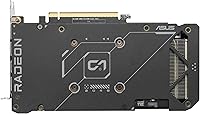
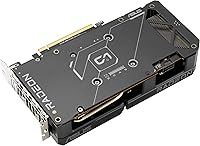

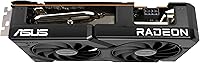
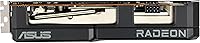
Overview
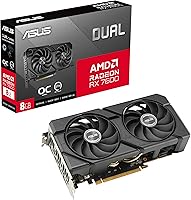
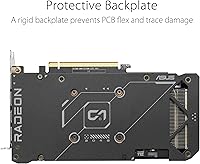
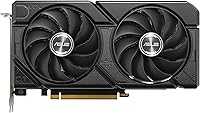
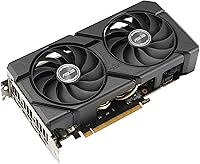
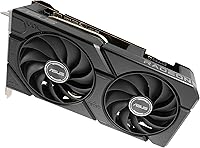
The ASUS RX 7600 EVO 8GB Graphics Card is ASUS's refreshed take on the mid-range RX 7600, bringing a higher 2715 MHz boost clock and the same trusted Dual series build quality that builders have relied on for years. Built on AMD's RDNA 3 architecture, this Radeon card handles 1080p gaming with real confidence and can push into light 1440p territory depending on the title and settings. The EVO revision isn't a generational leap, but it's a meaningful refinement — particularly for anyone who values a compact 2.5-slot footprint without sacrificing cooling performance. For tighter cases or budget-conscious upgrades, that combination matters more than most spec sheets suggest.
Features & Benefits
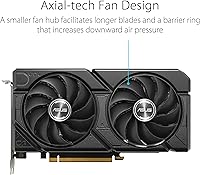
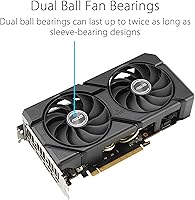
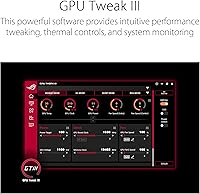
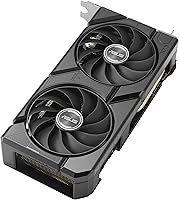
The ASUS Dual RX 7600 EVO uses an Axial-tech fan design with a reduced hub diameter, which pushes more air through the heatsink than older fan layouts at similar noise levels. Both fans use dual ball bearings rather than sleeve bearings, which tend to degrade and get louder over time — a small detail that adds up over years of use. At idle or during light tasks, the fans stop entirely, so you won't hear anything from the card while browsing or watching video. Out of the box, the OC Edition hits 2715 MHz boost without any manual tweaking, and GPU Tweak III gives you real control over thermals and fan curves if you want to push further.
Best For
This mid-range GPU is a natural fit for 1080p gamers who want solid frame rates in both competitive shooters and heavier AAA titles without stretching to a higher price tier. The compact 9-inch length and 2.5-slot width also make it a practical option for mid-tower and smaller builds where larger triple-slot cards simply won't clear. If you're coming from a card like an RX 580, GTX 1070, or RTX 2060, the performance jump is substantial enough to feel like a genuine upgrade. It also works well for streamers or light editors who need dependable VRAM without fan noise in the background. First-time builders will find setup clean and straightforward from the start.
User Feedback
Across over 300 verified ratings, this Radeon card holds a strong average, and the pattern in buyer comments is fairly consistent. Most owners single out quiet operation and low temperatures as the biggest wins — the card stays composed under load without becoming a wind tunnel. Installation gets frequent praise too, with most users finding the physical fit and driver setup hassle-free. The main friction point that comes up repeatedly is the 8GB VRAM ceiling in a handful of recent titles that push texture budgets hard, which is worth considering if you plan to game above 1080p. Feedback on GPU Tweak III is more divided — some find it useful for monitoring, while others simply skip it in favor of third-party tools.
Pros
- Handles 1080p gaming across a wide range of titles with consistent, dependable performance.
- The compact 2.5-slot, 9-inch design fits cleanly into builds where larger cards cause clearance problems.
- Dual ball bearing fans are built to last longer than sleeve-bearing designs without increasing noise output.
- Fan-stop mode means the card runs completely silent during idle, light browsing, or video playback.
- The OC Edition boost clock of 2715 MHz arrives pre-configured out of the box with no manual tuning needed.
- GPU Tweak III gives users real control over fan curves and thermal thresholds without requiring third-party software.
- Auto-Extreme manufacturing reduces the risk of assembly-related defects over the card's lifespan.
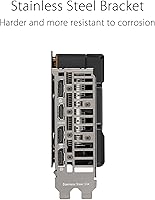
- The stainless-steel bracket resists corrosion and holds up better than standard plated alternatives over time.
- Strong buyer satisfaction across a large rating pool signals real-world reliability beyond marketing claims.
- Installation is clean and driver setup is straightforward, making it a low-friction option for first-time builders.
Cons
- 8GB of VRAM is already limiting in some texture-heavy titles at 1080p, a concern that will grow over time.
- Light 1440p gaming is possible but inconsistent depending on the game engine and settings used.
- GPU Tweak III receives mixed reception from experienced users who find third-party monitoring tools more reliable.
- The RX 7600 chip faces stiff competition from Nvidia alternatives at similar price points in certain workloads.
- No ray tracing performance advantage over competing architectures at this tier, which matters in supported titles.
- AMD's software ecosystem, including driver updates and overlay tools, can feel less polished than some rivals.
- The card offers limited headroom for users who want to push overclocking significantly beyond factory OC settings.
- Buyers who skip GPU Tweak III lose some of the value proposition built into the OC Edition package.
Ratings
The ASUS RX 7600 EVO 8GB Graphics Card scores below are generated by AI after analyzing hundreds of verified global buyer reviews, with spam, bot-submitted, and incentivized feedback actively filtered out before scoring. This Radeon card earns strong marks in several areas, but the analysis does not shy away from the real trade-offs that matter to buyers making a purchasing decision at this price point. Both the card's genuine strengths and its recurring pain points are reflected transparently across every category.
1080p Gaming Performance
Thermal Management
Noise Levels
Build Quality
VRAM Adequacy
Installation Ease
Value for Money
1440p Capability
Software Experience
Fan Longevity
Compact Compatibility
Display Output Options
Ray Tracing Performance
Suitable for:
The ASUS RX 7600 EVO 8GB Graphics Card is a strong match for PC builders and gamers who want reliable 1080p performance without crossing into premium GPU pricing territory. If your monitor tops out at 1080p and you play a mix of competitive titles and modern AAA games, this Radeon card will handle that workload comfortably day to day. It is also a smart pick for anyone working inside a compact or mid-tower case, since the 9-inch length and 2.5-slot width clear spatial constraints that trip up bigger cards. Upgraders coming from older mid-range hardware like an RX 580, GTX 1070, or RTX 2060 will notice a meaningful performance improvement across the board. Casual content creators who stream or do light video editing will also appreciate the dependable VRAM allocation and the card's near-silent behavior during less demanding workloads.
Not suitable for:
Buyers chasing serious 1440p or 4K gaming performance should look elsewhere, because the ASUS RX 7600 EVO 8GB Graphics Card was not designed to carry that kind of workload sustainably. The 8GB GDDR6 frame buffer, while adequate for 1080p gaming today, is beginning to show strain in certain texture-heavy modern titles even at its intended resolution, and that ceiling will only become more apparent as game optimization trends continue. If you are building a workstation for professional 3D rendering, machine learning, or heavy video production, this mid-range GPU lacks the compute capacity and VRAM headroom those tasks typically demand. Competitive gamers targeting maximum frame rates above 144Hz at 1440p will likely find the performance ceiling frustrating compared to higher-tier options at a steeper price. Anyone who wants future-proofing for the next four or five years of gaming at higher resolutions should consider spending more now rather than upgrading again sooner than expected.
Specifications
- GPU Architecture: Built on AMD's RDNA 3 architecture, which brings improved power efficiency and modern feature support compared to previous generations.
- GPU Chip: Uses the AMD Radeon RX 7600 processor, a mid-range chip designed primarily for high-frame-rate 1080p gaming workloads.
- VRAM: Equipped with 8GB of GDDR6 memory, providing adequate bandwidth and capacity for 1080p gaming and light creative tasks.
- Boost Clock: The OC Edition reaches a maximum boost clock of 2715 MHz out of the box without requiring any manual overclocking.
- Game Clock: Typical sustained in-game clock speed runs at approximately 2300 MHz under standard gaming loads.
- PCIe Interface: Connects via a PCIe 4.0 x16 slot, ensuring full bandwidth compatibility with modern motherboards while remaining backward compatible with PCIe 3.0 systems.
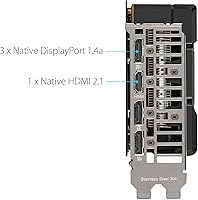
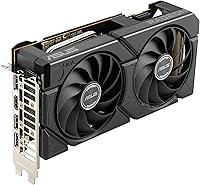
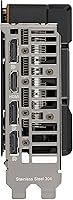
- Display Outputs: Offers one HDMI 2.1 port and one DisplayPort 1.4a port, supporting up to two simultaneous display connections.
- Max Resolution: Supports output resolutions up to 7680x4320 pixels, making it technically capable of driving an 8K display for non-gaming content.
- Slot Width: Occupies 2.5 expansion slots, a compact footprint that improves compatibility with tighter case configurations compared to triple-slot designs.
- Card Length: Measures 9 inches in total length, which fits comfortably in most mid-tower and many compact ATX and mATX cases.
- Card Weight: Weighs approximately 1.5 pounds, reflecting a well-balanced cooler design that does not place excessive stress on the PCIe slot.
- Fan Design: Uses ASUS Axial-tech fans with a reduced hub diameter to increase blade surface area and improve airflow through the heatsink array.
- Fan Bearings: Both fans use dual ball bearings, which are rated for a significantly longer operational lifespan than standard sleeve-bearing fans.
- Fan-Stop Mode: Supports 0dB technology, meaning the fans stop spinning entirely when the GPU temperature is low enough during idle or light use.
- Bracket Material: The rear bracket is constructed from stainless steel, offering greater corrosion resistance and structural durability than standard coated brackets.
- Manufacturing: Produced using ASUS Auto-Extreme automated assembly, a process designed to reduce human-error-related solder defects and improve long-term reliability.
- Software: Bundled with GPU Tweak III, ASUS's monitoring and tuning application for adjusting fan curves, clock offsets, and power targets.
- Series: Belongs to the ASUS Dual OC Edition EVO lineup, which represents a factory-overclocked refinement of the standard Dual series cooler design.
Related Reviews
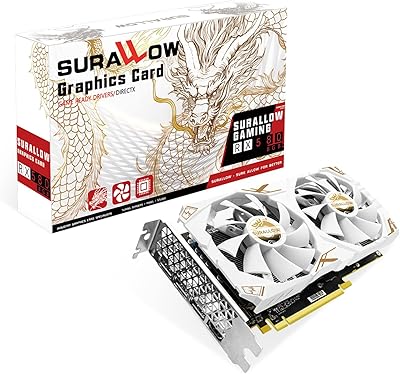
SURALLOW RX 580 8GB Graphics Card
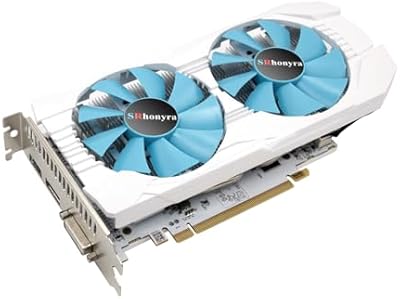
SRhonyra RX 580 8GB Graphics Card
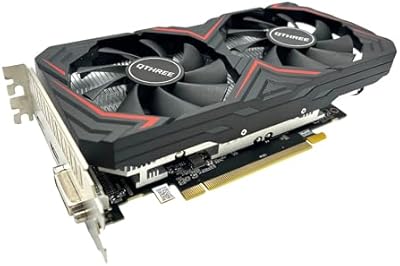
QTHREE Radeon RX 590 GME 8GB Graphics Card
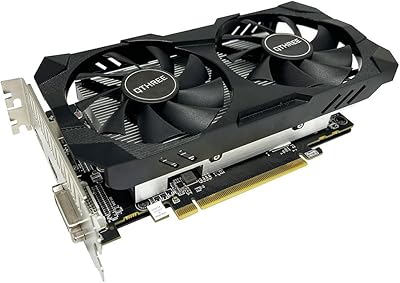
QTHREE Radeon RX 560 XT 8GB Graphics Card
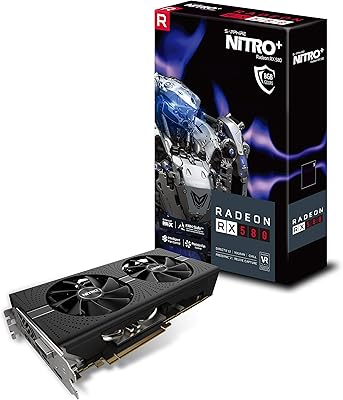
Sapphire NITRO+ RX 580 8GB Graphics Card
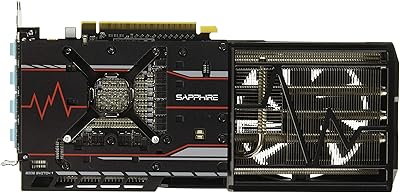
Sapphire Radeon RX Vega 56 8GB Graphics Card
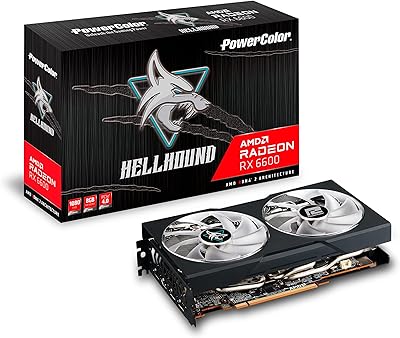
PowerColor Hellhound AMD Radeon RX 6600 8GB Graphics Card
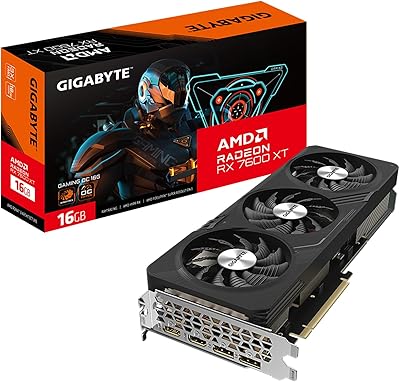
GIGABYTE RX 7600 XT 16GB Graphics Card
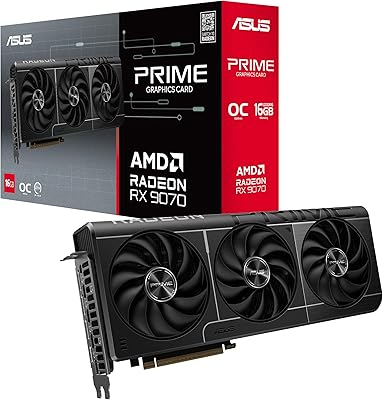
ASUS Prime RX 9070 OC Graphics Card