Overview

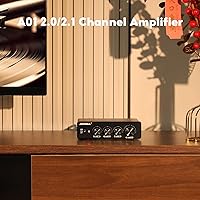
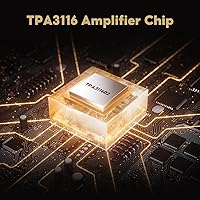
The AIYIMA A01 TPA3116 Stereo Class D Amplifier is a compact, no-frills amp that punches well above its price bracket for anyone serious about upgrading their home listening setup without spending a lot. It runs two TPA3116 chips in PBTL mode, which lowers distortion and squeezes more clean output from each channel — a smarter circuit design than you typically find at this price. The unit ships with a 24V 4.5A power adapter included, so you are ready to go out of the box. At roughly 4.7 x 4.7 x 3.9 inches and just over two pounds, it sits comfortably on any desktop without crowding your workspace, and it handles both 2.0 and 2.1 channel configurations depending on how you want to run it.
Features & Benefits

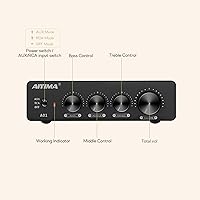
What sets this compact stereo amp apart at its price is a combination of thoughtful hardware choices. The dual TPA3116 chips, paired with three NE5532 op-amps, produce noticeably clean channel separation — highs are crisp, the midrange holds together well, and the bass does not get muddy. Better still, the op-amp socket is user-replaceable, meaning hobbyists can swap in chips like the OPA2604 or LM4562 to fine-tune the sound signature — though casual listeners will never need to touch it. The independent treble, mid, and bass controls are a genuine advantage at this tier, since most competing amps offer no tonal adjustment at all. Both RCA and 3.5mm AUX inputs are on board, and the AUX output lets you loop in an active subwoofer.

Best For

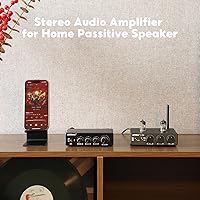
This desktop amplifier is a natural fit for anyone driving passive bookshelf speakers from a desk setup — think a pair of budget two-way speakers connected to a laptop or a dedicated media PC. The tone controls make a real difference in rooms where the acoustics are not ideal, letting you compensate without buying additional equipment. It also suits small studio spaces where size matters and clutter is the enemy. Op-amp rolling enthusiasts will appreciate the swappable socket, though that is really a niche consideration. If you already have an active subwoofer sitting underused, the AUX output makes 2.1 integration straightforward. It is less suitable for larger rooms or high-impedance speaker pairs that demand a more powerful, dedicated amplifier.

User Feedback

With 167 ratings and a 4.4-star average, the AIYIMA A01 has a reasonably positive but modest review base — not large enough to call fully representative. Most satisfied buyers point to sound quality per dollar as the standout, noting that the unit avoids the harsh, thin character common in cheap Class D amps. The included power adapter also gets a thumbs-up from buyers who have been burned by amps that ship without one. On the downside, a handful of reviewers mention the input selector and power switch feeling less solid than expected. Heat during extended sessions has not been a widespread concern, though a few long-term users suggest keeping ventilation clear. Overall, the sentiment leans positive — but interpret it with the limited sample size in mind.

Pros

  • Dual TPA3116 chips in PBTL mode keep distortion impressively low for an amp at this price point.
  • Independent treble, mid, and bass tone controls are a rare and genuinely useful feature among budget desktop amplifiers.
  • The 24V 4.5A power adapter ships in the box, sparing you the frustration of hunting down a compatible supply.
  • Both RCA and 3.5mm AUX inputs are built in, covering nearly any modern or legacy source device without adapters.
  • A user-replaceable op-amp socket gives hobbyists a practical path to improving sound without buying a whole new amp.
  • The 3.5mm AUX signal output makes adding an active subwoofer for 2.1 expansion genuinely straightforward.
  • At under five inches square, this compact stereo amp fits easily on a busy desk without crowding your workspace.
  • A signal-to-noise ratio of 100dB or higher keeps the background impressively quiet during low-volume listening sessions.
  • Shielded output inductors reduce electromagnetic interference, which is a thoughtful design choice when the unit sits near a monitor.

Cons

  • The 100W marketing claim is aspirational — real-world output under typical home listening conditions is noticeably more modest.
  • With only 167 ratings, the review pool is too limited to draw confident conclusions about long-term durability.
  • The input selector and power switch feel plasticky and less solid than controls found on pricier competing units.
  • Op-amp rolling requires separately sourcing and purchasing replacement chips, adding cost and effort most casual buyers will not want.
  • No Bluetooth or wireless input is available, so users wanting a cable-free source must add an external streaming device.
  • There is no remote control included, meaning every volume adjustment or input switch requires reaching across your desk.
  • Speaker terminal wiring can feel cramped on the compact chassis, particularly when working with thicker gauge speaker cable.
  • Stock NE5532 op-amps are functional but unexciting to enthusiast ears, so some buyers will feel compelled to upgrade them quickly.

Ratings

Our scores for the AIYIMA A01 TPA3116 Stereo Class D Amplifier are generated by an AI system trained to analyze verified buyer reviews from across the globe, actively filtering out incentivized, duplicate, and bot-generated feedback to surface what real users consistently experience. The ratings reflect both the genuine strengths that keep buyers recommending this compact desktop amp and the recurring pain points that appear frequently enough to warrant honest attention. Where scores fall below average, the underlying feedback is real and worth weighing carefully before you commit.
Sound Quality
83%
For a desktop amp at this price, the dual TPA3116 chip configuration in PBTL mode genuinely pays dividends — buyers consistently describe the output as clean and detailed, with the midrange holding together well even at moderate-to-high volumes. Paired with a decent pair of bookshelf speakers, it outperforms what most people expect from a budget Class D unit.
Experienced audiophiles who have spent time with higher-end amplification will notice the ceiling fairly quickly — the soundstage narrows at louder volumes, and the stock NE5532 op-amps introduce a subtle flatness in the upper frequencies that more demanding ears pick up on during critical listening sessions.
Value for Money
88%
The combination of a functional power adapter in the box, three-band tone controls, and a dual-chip circuit design at this price point is hard to argue with — buyers who were previously running speakers off a laptop headphone jack or basic USB DAC frequently describe the upgrade as dramatic. Few competitors at this tier bundle as much usable functionality.
Value perception dips for buyers who discover the 100W headline figure is a peak rating rather than a practical continuous output — that gap between marketing and reality tends to surface in reviews from users who expected noticeably louder results than they ultimately received from their speaker pairing.
Build Quality
62%
38%
The chassis feels more substantial than expected given the size — at just over two pounds, there is a reassuring density to it, and buyers who set it up on a desk report it does not slide around or feel flimsy during routine knob adjustments. The overall assembly looks tidy and presents well in a clean desktop environment.
Where the score takes a hit is the feel of the individual controls — the input selector and power switch are the most frequently cited weak points, with reviewers describing them as plasticky and loose compared to the rest of the unit. Several buyers noted these touch points were where cost-cutting was most visibly felt.
Tone Controls
86%
Having independent treble, midrange, and bass adjustment is genuinely uncommon among compact amps at this price — most offer a single bass knob at best. Buyers in acoustically imperfect rooms, like apartments with hard floors or home offices with reflective surfaces, consistently highlight how much practical difference the three-band control makes when dialing in their specific speaker-and-room combination.
The controls do their job but are not surgical — users expecting the precision of a parametric equalizer will find the adjustment range somewhat broad and imprecise when attempting fine corrections. A few buyers also noted the knobs have a slightly loose, low-resistance feel that makes small, controlled adjustments trickier than they should be.
Output Power Accuracy
57%
43%
In practice, the amp delivers enough clean power to fill a small-to-medium room at comfortable listening volumes without straining — users driving efficient 4-ohm bookshelf speakers in spaces under roughly 150 square feet have consistently reported satisfaction with the available headroom, particularly during dynamic music passages where the amp stays composed.
The 100W per channel headline is a source of frustration for a meaningful slice of buyers who expect that figure to translate directly to everyday loudness — in reality, continuous output is around 80W at 4 ohms under ideal conditions, and drops further into 8-ohm loads. This gap between the marketed spec and usable real-world power drives the most negative reviews.
Noise Floor
84%
With an SNR rating of 100dB or higher, the amp is impressively quiet during soft passages — buyers who use it for late-night listening at low volumes report none of the background hiss or hum that cheaper amps often introduce, which is a meaningful quality-of-life advantage for anyone sitting close to their speakers at a desktop.
A small number of users have reported faint interference pickup when the amp is placed directly next to a desktop PC tower or monitor — while the shielded inductors handle most EMI, source quality and cable routing still have a real effect on the background noise floor in more sensitive installations.
Connectivity
79%
21%
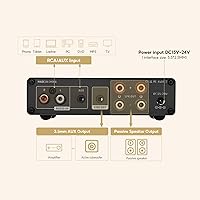
Having both RCA and 3.5mm AUX inputs on a single unit means most buyers can get up and running without any adapters — plugging a phone into the AUX and a DAC into the RCA input covers the majority of real-world desktop source setups. The 3.5mm subwoofer output is a further practical convenience for anyone building out a 2.1 chain.
The lack of any wireless input — Bluetooth or otherwise — is a notable omission for buyers who prefer a cable-free listening workflow and will require an external streaming device to bridge the gap. There is also no optical or USB digital input, which limits compatibility for users building a more modern all-digital source setup.
Setup & Ease of Use
81%
19%
The included power adapter removes the most common setup barrier for budget amp buyers, and the two inputs are labeled clearly enough that most users are playing audio within minutes of unboxing. Buyers who describe themselves as non-technical report feeling confident through the whole process, which is not always the case with entry-level amplifier products.
The absence of any visual indicator showing which input is currently active is a minor but recurring annoyance — users who switch regularly between a phone and a PC must remember the switch position manually. There is also no remote control, so every volume or tone adjustment requires physically reaching across the desk to the unit.
Op-Amp Flexibility
74%
26%
For the subset of buyers who care about op-amp rolling — and it is genuinely a subset — the socketed design is a meaningful differentiator, since most entry-level amps require soldering to make the same swap. Enthusiasts who have tried upgrades like the OPA2604 or LM4562 tend to report a noticeable improvement in tonal character, particularly in high-frequency detail.
The op-amp swap capability adds almost no practical value for the majority of buyers who will never open the unit. The stock NE5532 chips are functional but considered pedestrian by hobbyist standards, meaning buyers with a preference for fine-tuned sound may feel nudged toward spending additional money on replacement chips shortly after purchase.
Subwoofer Integration
77%
23%
Users who already own an active subwoofer find the 3.5mm AUX output a genuinely convenient way to build out a 2.1 system without buying additional hardware — the line-level signal feeds most powered subs cleanly, and buyers who have added a subwoofer to the chain frequently describe the overall result as a notably fuller listening experience.
The subwoofer output only works with active powered subwoofers — passive sub owners need to look elsewhere. There is also no dedicated subwoofer level control on the amp itself, meaning crossover and volume adjustments have to be handled entirely on the subwoofer's own controls, which can be limiting if those built-in controls are coarse.
Heat Management
78%
22%
Class D amplification is inherently more efficient than Class A or AB designs, and this amp reflects that — buyers who run it for several hours report only mild warmth on the top surface, with no thermal shutdowns during normal use. It stays cool enough that ventilation is rarely a concern in open desktop environments.
A small number of users who installed the unit inside closed media shelving reported warmth building up more than expected, suggesting that airflow around the chassis does matter. While no widespread overheating failures have been reported, the limited review pool means long-term thermal performance under demanding continuous use is not yet fully validated.
Form Factor
87%
The nearly square footprint sits neatly on virtually any desk without commanding attention — buyers who have cycled through multiple budget amp options frequently cite the AIYIMA A01's compact dimensions as a reason they kept it long-term rather than upgrading to something bulkier. At 2.4 pounds, it is light enough to move between setups without any hassle.
The compact chassis creates some practical friction during initial wiring — speaker terminals are positioned close together, and users working with thicker gauge cable or banana plug connectors report the terminals can feel cramped and fiddly. Those building a tidier cable-managed setup may need to plan their routing carefully to keep things looking clean.
Channel Separation
82%
18%
The PBTL operating mode, where each TPA3116 chip is dedicated to a single channel, pays off in stereo imaging that exceeds what most single-chip budget amps deliver — buyers who listen to well-recorded music with distinct left-right panning describe the stereo field as convincingly wide for a desktop setup. It holds together noticeably better at mid-to-high volumes than competing single-chip designs.
The improvement in channel separation is most apparent in direct comparisons — casual listeners upgrading from a basic single-chip amp may not immediately register it as a defining difference. At very high volumes near the output ceiling, stereo separation compresses slightly, which is an expected constraint of the underlying chip architecture rather than a design flaw.
Power Supply Quality
72%
28%
The fact that a matched 24V 4.5A adapter ships in the box is a practical win that budget amp shoppers genuinely appreciate — sourcing a correct-spec power supply separately is a surprisingly common frustration with competing products, and having the right supply from day one means the amp is immediately running at its intended performance level.
The included adapter is adequate but not premium — some users note it runs warm during extended sessions, and a handful have replaced it with a higher-quality supply for cleaner audio performance. For most buyers it is perfectly serviceable, but power supply enthusiasts may feel the itch to upgrade it relatively quickly after settling in.
Long-Term Reliability
63%
37%
The reviews that do address durability tend to be positive — buyers who have used this desktop amplifier daily for six months or more describe it as stable and consistent, with no sudden failures or degraded performance over time. The Class D design's lower operating temperatures compared to Class AB should theoretically contribute to longer component lifespan.
With only 167 ratings at the time of analysis, the reliability picture is still forming — this is not a product with years of large-scale user data behind it, so strong durability conclusions remain premature. The plastic controls raise legitimate questions about how the input selector and power switch will fare after years of sustained daily use.

Suitable for:

The AIYIMA A01 TPA3116 Stereo Class D Amplifier is a strong match for anyone looking to get real, clean sound out of a pair of passive bookshelf speakers without breaking the bank. It is particularly well suited to desktop listeners who rely on a PC, laptop, or phone as their source — both RCA and 3.5mm AUX inputs are covered, so no adapters or extra hardware are needed out of the box. The built-in treble, midrange, and bass controls add genuine value for users in acoustically imperfect rooms, a feature many competing amps at this price simply omit. If you already own an active subwoofer, the AUX signal output makes a 2.1 setup quick to configure without buying additional hardware. DIY audio enthusiasts who enjoy op-amp rolling will also find the user-replaceable socket a welcome touch, allowing incremental sound tuning without replacing the whole unit.
Not suitable for:

Despite its appeal for desktop use, the AIYIMA A01 TPA3116 Stereo Class D Amplifier is not the right tool for every listening situation. Buyers hoping to fill a large living room or drive demanding floor-standing speakers will likely find the real-world output falls short — the advertised 100W figure assumes ideal conditions with 4-ohm speakers and a full 24V supply, and typical everyday output is considerably more modest than that headline implies. This amp works best with 4 to 8-ohm speaker loads, so those with older or specialty impedance speakers should verify compatibility carefully before purchasing. If premium build quality and confidence-inspiring controls are a priority, the plastic feel of the input selector and power switch may disappoint compared to more expensive units. Serious audiophiles expecting polished hi-fi performance straight out of the box may also find the stock op-amps serviceable but underwhelming, requiring additional chip investment to reach a higher sonic standard.
Specifications

  • Chipset: The amplifier is built around two TPA3116 chips running in PBTL mode, assisted by three NE5532 op-amps for signal conditioning.
  • Output Power: Continuous rated output is 80W per channel into a 4-ohm load when supplied with a full 24V DC source.
  • Channels: Supports both 2.0 stereo and 2.1 channel configurations, with the 2.1 mode enabled via the dedicated 3.5mm subwoofer output.
  • Frequency Response: Audio reproduction spans 20Hz to 20kHz with a tolerance of ±1.5dB across the full audible range.
  • SNR: Signal-to-noise ratio is rated at 100dB or higher, reflecting a very low noise floor for an amplifier in this price category.
  • THD: Total harmonic distortion is measured at 0.03% at 1W into a 4-ohm load, a notably clean figure attributable to the PBTL operating mode.
  • Input Sensitivity: Input sensitivity is rated at 0.775V, which is standard for line-level sources such as computers, CD players, and media streamers.
  • Speaker Impedance: The amplifier is designed to drive speakers with impedances between 4 and 8 ohms; loads outside this range are not recommended.
  • Inputs: Signal inputs include one RCA stereo pair and one 3.5mm AUX jack, toggled via a front-panel selector switch.
  • Outputs: Output connections comprise spring-clip speaker terminals for the main channels and a 3.5mm AUX jack carrying a line-level signal for an active subwoofer.
  • Operating Voltage: The unit accepts a DC supply between 15V and 24V, with optimal performance achieved at the full 24V rating.
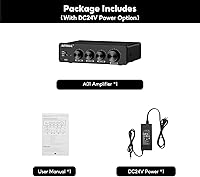
  • Power Supply: A 24V 4.5A DC power adapter is included in the package, eliminating the need for a separate purchase.
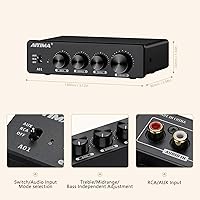
  • Dimensions: The chassis measures 4.72″ x 4.72″ x 3.94″ (L x W x H), giving it a compact square footprint suited to desktop placement.
  • Weight: The unit weighs 2.42 pounds, making it straightforward to reposition or move without any effort.
  • Op-Amp Socket: The op-amp socket is user-accessible and accepts compatible replacement dual op-amps including the OPA2604, LM4562, OPA1612, and JRC5532, among others.
  • Certification: The product holds CE certification, confirming it meets European safety and electromagnetic compatibility requirements.

Related Reviews

Lepai LP-2020TI Stereo Amplifier
75%
83%
Sound Quality
91%
Value for Money
89%
Ease of Setup
61%
Build Quality
67%
Reliability & Longevity
More
Dayton Audio SPA300-D
80%
88%
Power Output & Headroom
83%
Bass Quality & Low-End Extension
86%
Signal Clarity & Noise Floor
79%
Build Quality & Durability
91%
Ease of Installation
More
AIYIMA A70
AIYIMA A70
82%
88%
Sound Quality
86%
PFFB Implementation
82%
Build Quality
91%
XLR Balanced Input
83%
Subwoofer Output & 2.1 Integration
More
AIYIMA T9
AIYIMA T9
77%
83%
Sound Quality
88%
Value for Money
91%
Connectivity & Input Variety
67%
Bluetooth Performance
74%
Build Quality & Materials
More
Velex VX508 Class-D Marine Amplifier
75%
83%
Sound Quality
79%
Build Quality
76%
Waterproofing
58%
Installation Experience
86%
Bluetooth Performance
More
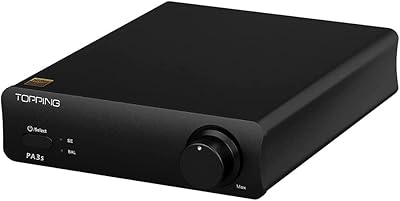
Topping PA3s
Topping PA3s
82%
91%
Sound Cleanliness
88%
Channel Separation
79%
Power & Headroom
86%
Input Flexibility
67%
Build Quality
More
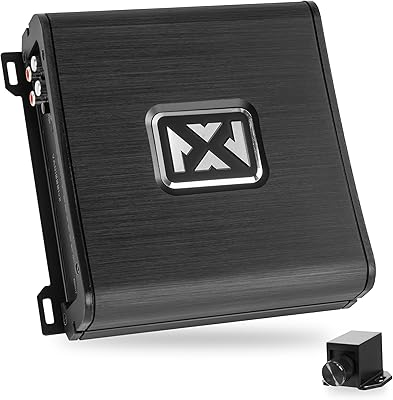
NVX VADM1v2 Monoblock Amplifier
82%
88%
Power Output
93%
Compact Form Factor
71%
Thermal Management
86%
Tuning Controls
74%
High-Level Input Usability
More
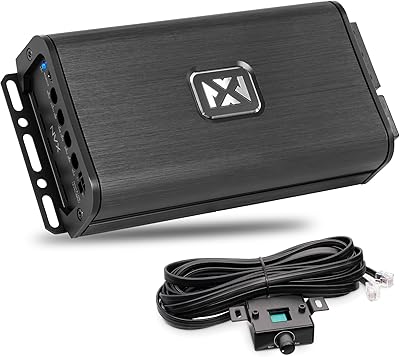
NVX VAD10001 v2 Monoblock Class D Amplifier
88%
91%
Sound Quality
93%
Build Quality
85%
Ease of Installation
88%
Bass Control Flexibility
89%
Heat Management
More
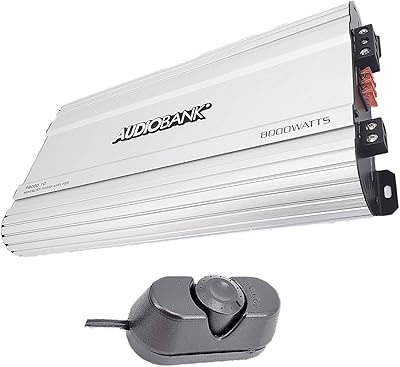
Audiobank P8001 Monoblock Car Amplifier
63%
74%
Value for Money
31%
Power Accuracy
81%
Ease of Installation
57%
Build Quality
53%
Thermal Management
More
Taramp's TL 500 2-Channel Car Amplifier
74%
88%
Value for Money
91%
Ease of Installation
74%
Sound Quality
62%
Power Output
67%
Build Quality
More

FAQ

The AIYIMA A01 TPA3116 Stereo Class D Amplifier lists 100W as a peak figure under ideal conditions — a 4-ohm load with a full 24V supply. The more practical continuous rating is 80W per channel into 4 ohms, and you will get somewhat less into 8-ohm speakers. For a desktop or small-room setup, that is still a comfortable amount of headroom at normal listening volumes.
Yes — this compact stereo amp is rated for speaker impedances between 4 and 8 ohms, so standard 8-ohm bookshelf speakers are fully compatible. Measured output into 8 ohms will be lower than the 4-ohm figures, but for typical listening volumes in a normal-sized room, you are unlikely to run short of power.

No — a 24V 4.5A adapter ships in the box, which is a genuine convenience since many budget amps at this tier leave you to source one yourself. Just confirm the adapter is compatible with your local mains voltage before plugging in.

Yes, there is a 3.5mm AUX output that carries a line-level signal to an active (powered) subwoofer, enabling a 2.1 setup without any extra hardware. Note that this output is for active subwoofers only — you cannot run a passive sub directly from that jack.

This desktop amplifier accepts both RCA and 3.5mm AUX inputs, covering computers, phones, tablets, CD players, and most streaming devices. You can only use one input at a time, and there is a selector switch on the front panel to toggle between them.

Swapping the stock NE5532 chips for alternatives like the OPA2604 or LM4562 is entirely possible thanks to the socketed design, but it is a niche hobby aimed at enthusiasts who are already comfortable handling circuit boards. If you are a casual listener, the stock op-amps are perfectly functional and you will not feel like you are missing out, at least until your ears have spent real time with the unit and developed a preference.

Class D amplifiers are significantly more efficient than older Class A or AB designs, so mild warmth during long sessions is normal but not excessive. As a general precaution, avoid placing the unit inside a closed shelf or cabinet — leaving it in open air with adequate clearance around the top and sides is good practice for any amplifier.

Only if your turntable has a built-in phono preamp or if you already have a standalone phono stage in your setup. The amp only handles line-level signals through its RCA and AUX inputs and has no phono preamp of its own, so a turntable with a raw cartridge output will sound very thin and quiet without that extra processing stage between the deck and the amp.

The separate treble, midrange, and bass controls are one of the most practically useful aspects of this amp — they let you compensate for room acoustics or a speaker's natural character without needing an external equalizer. At this price point, most competing units offer a single bass boost knob at best, so having three independent bands is a meaningful real-world advantage.

For a compact bedroom, home office, or apartment listening space, this amp is a solid fit — the small footprint keeps desk clutter under control, the tone controls help you adapt to less-than-ideal room acoustics, and the output is more than adequate for moderate listening levels. Where it starts to struggle is in larger open-plan spaces or with speakers that need real current to open up, so keep that in mind if your room is on the bigger side.