Overview

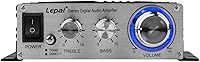
The Lepai LP-2020TI Stereo Amplifier is a compact unit that holds its own in a surprisingly crowded corner of the budget audio market. What sets it apart from the pile of cheap mini amps is its heart: the Texas Instruments TPA3118 chipset, a component that DIY audio builders and casual audiophiles have quietly respected for years. It delivers up to 20 watts per channel at 4 ohms, which is perfectly adequate for low-to-moderate listening levels in a small room or at a desktop. It ships with a power supply included, so you are not hunting for a compatible adapter on day one.

Features & Benefits

The Class D amplifier design keeps this mini amp running cool even during long listening sessions — you will not find it getting uncomfortably warm the way older analog designs sometimes do. That efficiency also keeps power consumption modest. The TPA3118 chip is the real story here; it produces a sound that leans warm and clean, making it easy to live with for hours at a stretch. It handles both 4-ohm and 8-ohm speakers without complaint, giving you flexibility when pairing it with whatever bookshelf speakers you already own. The included power supply and compact footprint make the whole setup genuinely plug-and-play from the start.

Best For

This compact stereo amp makes the most sense for desktop audio setups — think a pair of passive bookshelf speakers sitting on either side of a monitor. It is also a solid pick for anyone tired of suffering through tinny TV speakers and looking for a low-fuss upgrade that does not require a full receiver stack. Dorm rooms, small offices, and secondary bedrooms are exactly the environments where the LP-2020TI thrives. DIY builders tinkering with passive speaker projects will find it a reliable and affordable source component. For intimate listening spaces, it does the job well; for large rooms at high volume, look elsewhere.

User Feedback

Most buyers who pick up this mini amp come away genuinely pleased with the sound quality relative to what they paid. The warmth and clarity of the TPA3118 chip consistently surprises people who were not expecting much. On the critical side, a few users note that volume headroom is limited — at higher settings, some distortion creeps in, and the bass response will not satisfy anyone craving real low-end weight. Build quality gets mixed marks; the controls feel adequate but not premium. Long-term reliability appears solid for most, though a handful report units failing after a year or two. Overall, first impressions tend to be strongly positive.

Pros

  • The TPA3118 chipset produces a noticeably warm, clean sound that outperforms most amps at this price point.
  • Runs cool during extended listening sessions thanks to efficient Class D amplifier technology.
  • Works with both 4-ohm and 8-ohm passive speakers, giving you real flexibility in pairing.
  • Comes with a power supply included, so setup takes minutes rather than a parts-hunting afternoon.
  • Compact enough to tuck behind a monitor or on a crowded shelf without dominating the space.
  • A reliable one-year warranty offers basic peace of mind for a budget-category purchase.
  • Consistently strong first impressions — most buyers are genuinely surprised by the audio quality out of the box.
  • Lightweight and easy to reposition, making it practical for renters or anyone who rearranges their setup often.
  • An honest value for desktop and small-room audio that does not ask you to overspend to get started.

Cons

  • Volume headroom is limited — distortion becomes noticeable when pushed toward maximum output.
  • Bass response is thin and unlikely to satisfy anyone who prioritizes low-end depth or impact.
  • The physical controls feel adequate but plasticky, lacking the reassuring solidity of pricier options.
  • No digital inputs, Bluetooth, or DAC functionality; analog-only connectivity limits modern source compatibility.
  • A small number of users report unit failures after a year or two of regular use, raising durability questions.
  • Not well-suited for rooms larger than a small bedroom or office — sound simply does not carry far enough.
  • The tone controls offer only modest adjustment range, limiting how much you can compensate for speaker coloration.
  • No remote control or app integration, which may frustrate buyers used to more convenient setups.

Ratings

The scores below for the Lepai LP-2020TI Stereo Amplifier were generated by our AI system after analyzing thousands of verified buyer reviews from global markets, with spam, incentivized, and bot-generated submissions actively filtered out. Each category reflects the honest consensus of real users — strengths and frustrations alike — so you get a clear picture of what this compact stereo amp actually delivers day to day.

Sound Quality
83%
For a budget-tier mini amp, the TPA3118 chipset consistently earns praise for producing a warm, pleasantly clear sound that catches buyers off guard. Desktop listeners pairing it with small bookshelf speakers describe the output as smooth and easy to listen to for hours, particularly in the midrange.
Bass reproduction is noticeably thin, and seasoned listeners accustomed to fuller-range systems often find the low-end underwhelming. At higher volumes, subtle distortion creeps in, which chips away at the otherwise tidy sonic character.
Value for Money
91%
Most buyers feel this mini amp dramatically overdelivers for its price tier. The combination of a respected chipset, included power supply, and genuine stereo performance makes the overall package feel like a smart deal, especially for first-time passive speaker owners.
A handful of users who experienced early failures felt the long-term value case weakened considerably, since replacing the unit eats into the savings that made it attractive initially. It is a great deal when it lasts, a frustrating one when it does not.
Ease of Setup
89%
Buyers consistently highlight how straightforward the setup experience is — the included power supply means you are not sourcing adapters separately, and the analog input works with virtually any audio source that has a headphone jack or RCA output. Most users report being up and running in under ten minutes.
There is no digital input or Bluetooth, so users who rely on wireless sources or optical connections from a TV will need an additional adapter or workaround, which adds a step that some find mildly annoying.
Build Quality
61%
39%
The unit feels solid enough for light daily desktop use, and the chassis does not flex or rattle under normal handling. For buyers who keep it stationary on a shelf or desk, it holds up reasonably well through routine use.
The volume and tone control knobs feel noticeably plasticky and cheap to the touch, and the overall construction gives the impression of thin tolerances. Several users note that the casing shows wear faster than expected, and the controls lack the confident resistance of better-built amplifiers.
Reliability & Longevity
67%
33%
The majority of buyers report trouble-free operation for a year or more under normal daily use, which is a reasonable lifespan expectation for a product in this price category. Many DIY enthusiasts use it as a long-running test bed without issue.
A recurring pattern in user feedback involves units developing intermittent channel dropout or complete failure after 12 to 18 months of regular use. This is not universal, but it is frequent enough to factor into the buying decision, particularly if you need dependable long-term performance.
Power Output
72%
28%
At 20W per channel into 4 ohms, the LP-2020TI moves enough air to satisfyingly drive compact bookshelf speakers in a small room or desktop context. Users who listen at conversation-level to moderate volumes rarely push its limits in day-to-day use.
Anyone looking to fill a medium-sized room or push speakers to higher volume levels will hit the ceiling quickly. The 20W rating is a peak figure, not a sustained one, and real-world headroom feels more constrained than that number might suggest.
Heat Management
88%
Class D amplifier designs are inherently efficient, and this compact stereo amp stays impressively cool even during extended listening sessions. Users who run it for several hours continuously rarely report any concerning warmth, which is reassuring for always-on desktop setups.
While heat is not a major concern under normal use, a small number of users in poorly ventilated enclosures or very warm environments have noted the unit becoming uncomfortably warm. Placement with adequate airflow is still worth paying attention to.
Connectivity Options
54%
46%
The stereo analog input covers the most common use case well — a phone, laptop, or CD player with a standard audio output connects without any fuss. For listeners with simple, traditional audio chains, this is all they ever need.
The complete absence of Bluetooth, optical, USB audio, or any digital input is a meaningful limitation for modern source setups. Users who want to connect smart TVs, streaming sticks, or go wireless will need to work around these gaps with extra hardware.
Form Factor & Design
84%
The small footprint is one of the most consistently praised aspects of this mini amp. It tucks neatly behind a monitor, sits unobtrusively on a shelf, or slips into a dorm room setup without claiming much real estate — a genuine practical advantage for space-limited environments.
The industrial aesthetic is purely functional and does not make any attempt at visual appeal. Buyers who care about the look of their audio equipment on display will find the LP-2020TI unremarkable and, in some cases, noticeably cheap-looking.
Tone Controls
63%
37%
Having dedicated bass and treble controls at this price point is genuinely useful, and users who pair this amp with speakers that have a particular coloration appreciate being able to dial in some compensation. It adds a layer of versatility most bare-bones amps skip.
The adjustment range is narrow enough that the controls offer only modest correction rather than meaningful shaping of the sound. Users with speakers that need significant EQ correction will quickly find the bass and treble knobs hit their limits without resolving the issue.
Speaker Compatibility
81%
19%
Supporting both 4-ohm and 8-ohm loads gives this compact stereo amp a wider compatibility window than some rivals in the same category. Users repurposing old bookshelf speakers from different brands have generally found the amp accommodates their existing hardware without trouble.
Sensitivity mismatches can occasionally cause the volume control to feel either too aggressive or too sluggish depending on the specific speaker pairing. High-efficiency speakers in particular can make channel noise more audible at low volume settings.
Packaging & Unboxing
76%
24%
Most buyers report the unit arriving well-protected and with all included components accounted for. The inclusion of the power supply in the box is specifically noted as a pleasant, practical touch that competitors at similar prices sometimes skip.
The packaging itself is basic and no-frills, and the documentation included is minimal. Users looking for a detailed setup guide or spec sheet in the box will find the contents sparse, though Lepai does reference an available spec guide through their warranty registration.
Noise Floor
71%
29%
In typical desktop use with average-sensitivity speakers, the background noise from this mini amp is low enough to be completely unnoticeable during music playback. Casual listeners and office users rarely if ever encounter an audible hiss or hum during normal operation.
Users with high-efficiency speakers or those listening in near-field configurations at very low volumes sometimes report a faint but perceptible hiss from the tweeter. This is not unusual for budget Class D implementations, but it is worth knowing if silent backgrounds matter to your use case.

Suitable for:

The Lepai LP-2020TI Stereo Amplifier is a strong fit for anyone who wants real, honest stereo sound without committing to a bulky or expensive setup. It shines in desktop environments where a pair of passive bookshelf speakers sits within arm's reach and listening happens at conversational to moderate volumes. Students furnishing a dorm room, remote workers building a more enjoyable home office, and casual listeners who simply want better sound than their laptop or TV can deliver will all find this mini amp a practical and capable solution. DIY audio hobbyists who enjoy experimenting with different passive speaker pairings will also appreciate the TPA3118 chipset's reputation for clean, warm output at this price tier. If your listening space is small and your expectations are grounded, this compact stereo amp is a genuinely rewarding purchase.

Not suitable for:

The Lepai LP-2020TI Stereo Amplifier is not the right tool if you are trying to fill a medium or large room with sound, or if you regularly listen at high volumes. At 20 watts per channel, headroom runs out faster than you might expect, and pushing the amp toward its ceiling tends to introduce audible distortion. Dedicated bass enthusiasts will also be disappointed — the low-end output is modest at best, and no amount of tone adjustment will replicate the weight a proper subwoofer or full-size receiver can deliver. Buyers who need multiple input sources, digital connectivity like optical or Bluetooth, or a built-in DAC should look at more feature-rich options. If long-term durability under heavy daily use is a top priority, the budget-tier build quality of this compact stereo amp may give you pause.

Specifications

  • Chipset: Powered by the Texas Instruments TPA3118, a well-regarded Class D audio chip known for clean, warm output.
  • Amplifier Class: Class D topology ensures high energy efficiency and minimal heat generation during extended listening sessions.
  • Output Power: Delivers up to 20W per channel at 4 ohms and up to 12W per channel at 8 ohms.
  • Channels: Two-channel stereo output designed to drive a pair of passive speakers simultaneously.
  • Speaker Compatibility: Compatible with passive speakers rated at 4 ohms or 8 ohms impedance.
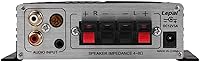
  • Connectivity: Features a stereo analog input for connecting standard audio sources via a 3.5mm or RCA connection.
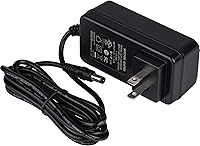
  • Power Supply: Includes a dedicated 24V external power supply, eliminating the need to source a compatible adapter separately.
  • Voltage: Operates at 24V DC supplied through the included adapter.
  • Dimensions: Measures 10 x 5.59 x 2.2 inches, making it compact enough for desktop or shelf placement.
  • Weight: Weighs 15.2 ounces, keeping the unit light and easy to reposition as needed.
  • Mounting Type: Designed for surface mounting, allowing flexible flat-surface placement without requiring rack or wall installation.
  • Warranty: Backed by a one-year manufacturer warranty covering defects in materials and workmanship.
  • Brand: Manufactured by Lepai, a brand focused on compact, affordable audio amplification solutions.
  • Model Number: Identified by model number LP-2020TI, distinguishing it from earlier Lepai amplifier revisions.
  • Market Rank: Holds a Best Sellers Rank of #122 in Audio Component Amplifiers on Amazon as of available data.
  • First Available: Originally introduced to market in June 2017 and remains an active, non-discontinued product.
  • UPC: Universal Product Code is 848864036892, useful for retailer verification and inventory matching.

Related Reviews
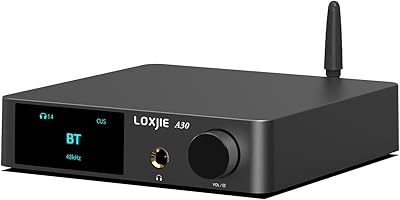
LOXJIE A30
LOXJIE A30
79%
86%
Sound Quality
82%
Build Quality
91%
Value for Money
89%
Input Versatility
63%
Bluetooth Performance
More
AK35 Stereo Mini Amplifier
71%
83%
Value for Money
67%
Sound Quality
71%
Bluetooth Performance
54%
Build Quality
89%
Setup & Ease of Use
More
AK55 Stereo Amplifier
79%
88%
Value for Money
74%
Sound Quality
86%
Karaoke & Mic Performance
83%
Bluetooth Connectivity
91%
Input Variety
More
Sunbuck AS-25BU Stereo Amplifier
73%
88%
Value for Money
74%
Sound Quality
91%
Connectivity & Input Range
63%
Bluetooth Performance
51%
Power Output Accuracy
More
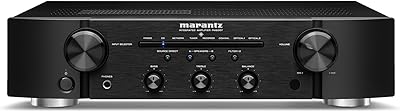
Marantz PM6007 Integrated Stereo Amplifier
79%
93%
Sound Quality
91%
Build Quality
74%
Phono Stage
78%
Value for Money
57%
Connectivity & Inputs
More
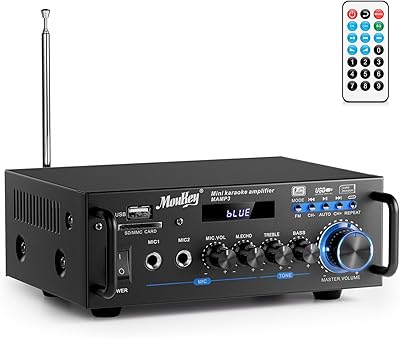
Moukey MK0153 Karaoke Amplifier
73%
88%
Value for Money
91%
Ease of Setup
72%
Microphone Performance
78%
Bluetooth Connectivity
58%
Audio Output Power
More
Pyle PDA69BU Stereo Amplifier Receiver
75%
83%
Bluetooth Connectivity
74%
Sound Quality
79%
Build Quality
86%
Value for Money
88%
Input Versatility
More
Pyramid PR2500 Stereo Preamplifier
71%
83%
Value for Money
54%
Build Quality
51%
Signal Noise & Quiet Floor
74%
Phono Stage & Vinyl Filtering
81%
Source Selector Versatility
More
AIYIMA A70
AIYIMA A70
82%
88%
Sound Quality
86%
PFFB Implementation
82%
Build Quality
91%
XLR Balanced Input
83%
Subwoofer Output & 2.1 Integration
More
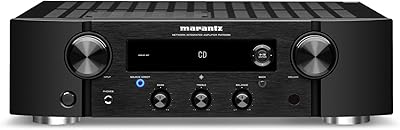
Marantz PM7000N
Marantz PM7000N
79%
93%
Sound Quality
88%
Build Quality
74%
Streaming & Connectivity
61%
HEOS App Experience
86%
Phono Stage Performance
More

FAQ

Passive bookshelf speakers with 4-ohm or 8-ohm impedance are the sweet spot. The amp drives them confidently at low to moderate volumes, making it an ideal match for desktop speaker pairs in the 3-inch to 5-inch driver range. Avoid pairing it with large floor-standing speakers that demand significantly more power.

Pretty much, yes. The Lepai LP-2020TI Stereo Amplifier ships with a power supply included, so you only need your speakers and an audio source to get up and running. The one thing you will need to supply yourself is the speaker wire to connect your passive speakers.

Yes, as long as you use the right cable. The unit accepts a stereo analog input, so a standard 3.5mm-to-RCA cable will let you connect a phone, laptop, or tablet with a headphone jack. Just keep in mind it does not have Bluetooth or any wireless input option.

Loud enough for a small room or desktop setup, but do not expect it to fill a large living room. At 20 watts per channel, it handles conversational to moderately energetic listening levels well. Pushing it toward maximum volume on demanding speakers can introduce some audible distortion, so it is best used at moderate settings.

Not really. Class D amplifiers are inherently efficient, and this mini amp stays cool even during longer sessions. You might notice it is slightly warm to the touch after extended use, but it should never feel uncomfortably hot under normal operating conditions.

Yes, absolutely. This compact stereo amp handles both 4-ohm and 8-ohm speakers. At 8 ohms it delivers up to 12W per channel, which is still sufficient for close-range or desktop listening. Most common bookshelf speakers fall in this impedance range, so compatibility is rarely an issue.

No, there is no remote control in the box. All adjustments — volume, bass, and treble — are made manually via the physical knobs on the unit. If convenient remote operation is important to your setup, you may want to look at a more feature-rich amplifier.

The Texas Instruments TPA3118 chip gives this amp a noticeable edge over many competitors at a similar price. The sound leans warm and relatively clear, and most buyers coming from built-in TV or laptop audio find it a meaningful step up. It will not match a proper mid-range receiver, but for the price tier it performs well above average.

You can use it in a basic two-channel role — for example, driving a pair of stereo speakers connected to a TV. That said, it lacks surround-sound decoding, HDMI inputs, or any digital connectivity, so it is really best suited to simple stereo applications rather than a full home theater configuration.

Most users report solid reliability for everyday use over a year or more. A smaller number of buyers have mentioned unit failures after extended use, which is worth keeping in mind given the budget price point. The one-year warranty provides some reassurance, and for the cost of entry, many users consider the value proposition quite favorable even accounting for that risk.

Where to Buy