Overview

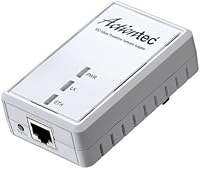
The Actiontec PWR511K01 500Mbps Powerline Network Adapter Kit takes a straightforward approach to a persistent home networking headache: getting a reliable wired connection into rooms where running Ethernet cable simply isn't practical. The kit ships as two units that talk to each other over your home's existing electrical wiring, with no router reconfiguration required and no installation disc to track down. It sits in a mid-range price bracket, above bare-bones budget options but below the newer HomePlug AV2 adapters that have since pushed throughput higher. Worth noting upfront — this hardware launched in 2012, so buyers comparing specs against current offerings should factor that context in.

Features & Benefits

These wall-plug network adapters operate on the HomePlug AV standard, rated at a theoretical ceiling of 500 Mbps — though real-world speeds depend heavily on your home's wiring quality and circuit layout, so expect something more modest in practice. Each unit carries a single Ethernet port: plug one near your router, connect the other wherever you need access, and you're up and running. Pushbutton pairing handles security automatically, applying 128-bit AES encryption without manual configuration. The compact wall-plug form factor keeps the setup tidy, avoiding extra cables on the floor. For most people, the whole process takes under five minutes.

Best For

This powerline adapter kit earns its place in homes where Wi-Fi simply isn't cutting it. Renters who can't drill through walls to run cable are the obvious fit, but it also suits gamers and streamers who need a steady, low-latency connection in a back bedroom or finished basement. Older smart TVs and gaming consoles with weak wireless receivers benefit the most — one unit sits near the router, the other goes wherever the device lives. Wi-Fi dead zones behind thick masonry walls or across multiple floors are exactly where this kind of setup tends to outperform wireless by a meaningful margin.

User Feedback

The Actiontec HomePlug set carries a 3.5-star average across nearly 600 ratings — a score that reflects two very different owner experiences. Buyers who are happy with it tend to praise the effortless plug-in setup and noticeably steadier speeds for HD streaming compared to their previous wireless situation. Critics point to inconsistent performance in homes with older electrical wiring, where real throughput can fall well short of expectations. A recurring complaint involves heat buildup during prolonged use, and a subset of reviewers report unit failures after a year or two. Long-term durability, more than any feature gap, appears to be the dividing line between satisfied and disappointed owners.

Pros

  • Zero-configuration setup gets both units connected and running in under five minutes.
  • Works through walls, floors, and hard-to-reach areas where Wi-Fi consistently fails.
  • Each unit uses a standard Ethernet port, so virtually any wired device connects instantly.
  • Built-in 128-bit AES encryption activates with a single button press — no app or password needed.
  • The compact wall-plug form factor keeps things tidy with no extra cables on the floor.
  • Eliminates the buffering and mid-stream dropouts that plague wireless connections in distant rooms.
  • A solid, low-effort fix for renters who cannot drill walls or run permanent cable.
  • Reduces ping instability for online gaming when wiring conditions are favorable.

Cons

  • Real-world speeds fall well short of the 500 Mbps rating in most home environments.
  • Performance is highly unpredictable in older homes or across separate electrical circuits.
  • Multiple user reports flag unit failures within one to two years of regular use.
  • Both adapters run noticeably warm during sustained use, which raises long-term reliability concerns.
  • Plugging either unit into a power strip or surge protector can significantly degrade signal quality.
  • The included documentation offers little help when setup does not go smoothly.
  • Hardware design dates to 2012, putting it behind current HomePlug AV2 alternatives in raw capability.
  • No second Ethernet port on either unit means you can connect only one device per adapter.

Ratings

Our AI rating engine analyzed verified global buyer reviews for the Actiontec PWR511K01 500Mbps Powerline Network Adapter Kit, actively filtering out incentivized, bot-generated, and spam submissions to surface what real owners actually experienced. The resulting scores reflect a product with a clear and useful purpose that nonetheless carries some meaningful limitations depending on where and how it is installed. Strengths and frustrations are represented in equal measure across each category below.

Ease of Setup
88%
Most buyers had both units running within minutes — plug one in near the router, connect the Ethernet cable, plug the second unit in the target room, and the pair finds each other automatically. No login portals, no driver discs, and no network credentials to enter made this especially accessible for non-technical users.
A small number of users reported that the units failed to auto-pair on the first attempt and required a manual reset using the pushbutton, which is not well documented in the included instructions. Those unfamiliar with network troubleshooting found that step confusing.
Real-World Speed Performance
61%
39%
In homes with newer electrical wiring on a single circuit, users streaming 1080p video or playing online games reported noticeably steadier throughput than their previous Wi-Fi setup delivered. For moderate bandwidth tasks, the connection felt reliably solid day to day.
The 500 Mbps figure is a theoretical ceiling that most users never approached. Buyers in older homes or those whose router and destination outlet sit on different electrical circuits reported speeds that fell significantly short of expectations, sometimes barely outperforming a weak wireless signal.
Connection Stability
74%
26%
For HD streaming to smart TVs and consoles in rooms where Wi-Fi kept dropping, these wall-plug network adapters delivered the kind of consistent connection that wireless simply could not sustain through thick walls or across floors. Several reviewers specifically noted the elimination of mid-stream buffering.
Stability proved inconsistent across different homes. Users with aging or complex wiring reported occasional dropouts that required unplugging and replugging a unit to restore the link. The experience was reliable enough for many, but not universally predictable.
Build Quality & Durability
53%
47%
The compact plastic casing fits neatly into a standard wall outlet without blocking the adjacent socket in most configurations. The physical footprint is genuinely unobtrusive, and the pushbutton feels adequately responsive for a device you interact with rarely.
Long-term durability drew the sharpest criticism in the review pool. A notable share of buyers reported unit failures within one to two years of regular use, with one adapter in the pair dying while the other continued working. The casing also runs noticeably warm during extended operation, which concerned some users.
Value for Money
67%
33%
For buyers who needed a quick wired extension without running cable and found the setup worked well in their home, the price felt fair given the immediate improvement over Wi-Fi dead zones. The two-unit kit format means no extra purchase is needed to get started.
Given that this hardware design dates to 2012 and newer HomePlug AV2 adapters now offer higher throughput at comparable prices, the value proposition has weakened over time. Buyers who experienced speed or reliability issues felt the price was hard to justify against better-performing modern alternatives.
Security
79%
21%
The built-in 128-bit AES encryption activates through a simple pushbutton press, which is a meaningful layer of protection for traffic traveling over shared electrical wiring in apartment buildings or multi-unit dwellings. Setup requires no password entry or app configuration.
The encryption only activates if the user manually triggers the pairing button — units left in default mode may operate without it enabled, which some technically aware buyers flagged as a potential oversight for security-conscious households.
Compatibility
82%
18%
The standard Ethernet port on each unit makes this powerline adapter kit broadly compatible with virtually any wired device — smart TVs, gaming consoles, desktop PCs, Blu-ray players, and DVRs all connected without issue. Buyers appreciated not needing a specific brand ecosystem.
A handful of users noted minor compatibility quirks when the adapters were used alongside certain older routers, requiring a reboot of the router to fully establish the network link. These cases were infrequent but suggest the kit is not entirely plug-and-play in every router environment.
Interference & Circuit Sensitivity
48%
52%
In straightforward home setups where both units share the same electrical circuit, interference was rarely reported as a significant issue. Users in newer builds with clean wiring generally experienced the expected level of performance without signal degradation.
This is arguably the kit's most unpredictable variable. Power strips, surge protectors, and heavy appliances on the same circuit were repeatedly linked to degraded performance in user reports. Homes with split-phase wiring or circuit breakers separating floors saw the sharpest throughput drops.
Heat Management
51%
49%
Under light to moderate use — occasional streaming or general web browsing — the units stayed at an acceptable temperature and drew no complaints. The wall-plug form factor does allow some passive airflow around the casing.
During sustained use, such as long gaming sessions or continuous HD streaming, multiple reviewers described the adapters becoming uncomfortably warm to the touch. While no widespread reports of heat-related failure surfaced, it added a background concern for buyers running them continuously.
Physical Design & Size
77%
23%
The slim profile means the adapter occupies only the single outlet it is plugged into in most standard socket configurations, which users in tight spaces genuinely appreciated. It does not protrude dramatically from the wall.
In some European-style or recessed outlet setups, the form factor caused minor clearance issues. A few users also noted that the white casing showed scuff marks and discoloration after extended use, which is a minor aesthetic gripe rather than a functional one.
Documentation & Support
55%
45%
The initial out-of-box experience requires so little configuration that most buyers never needed to consult the manual at all. For straightforward installations, the lack of documentation is barely noticeable.
When issues did arise — failed auto-pairing, speed problems, or a unit dropping off the network — the included documentation offered little guidance. Users who needed troubleshooting help found online resources for this specific model limited, and Actiontec support responses were described as slow by several reviewers.
Range Across Floors
63%
37%
In single-story homes or between adjacent floors sharing the same circuit, the Actiontec HomePlug set performed adequately for most streaming and browsing tasks. Several buyers specifically bought it to reach a basement or garage and found it worked as intended.
Multi-floor installations where the circuit paths diverge were where performance dropped most sharply. Users trying to bridge two floors in larger homes reported that throughput degraded to the point where a Wi-Fi extender became a comparable or even preferable alternative.
Latency for Gaming
71%
29%
Online gamers who switched from Wi-Fi to this powerline adapter kit in favorable wiring conditions reported a reduction in ping spikes and a more consistent connection during competitive play. The wired path inherently eliminates some of the jitter associated with wireless interference.
In homes where the electrical circuit path between the two units was long or complex, latency improvements were marginal. A few users reported that wireless gaming actually felt smoother in their setup, suggesting wiring topology can undercut the expected advantage of a wired powerline connection.

Suitable for:

The Actiontec PWR511K01 500Mbps Powerline Network Adapter Kit is a practical choice for renters and homeowners who need a wired network connection in a room where running Ethernet cable through walls simply is not an option. It works especially well in newer homes with clean, single-circuit electrical wiring, where the signal path between the two adapters is short and uninterrupted. Gamers and streamers who have been living with a Wi-Fi dead zone in a back bedroom, basement, or garage will find this a meaningful upgrade — the wired path eliminates the kind of random packet loss and interference that wireless connections suffer in those locations. Households with older smart TVs, set-top boxes, or gaming consoles that have weak built-in wireless adapters benefit most, since any Ethernet-enabled device connects instantly without additional configuration. If your primary goal is eliminating buffering during HD video playback or reducing ping spikes during online gaming, and you live in a home where the electrical wiring is relatively modern, this powerline adapter kit can deliver exactly that with almost no setup effort.
Not suitable for:

Buyers expecting the Actiontec PWR511K01 500Mbps Powerline Network Adapter Kit to deliver anywhere close to its rated 500 Mbps ceiling in real-world conditions are likely to be disappointed — that figure is a theoretical maximum under ideal lab conditions, not a practical target. Anyone living in an older home with aging or complex wiring, or in a multi-floor setup where the two outlets sit on different electrical circuits, should approach this kit with genuine caution, as throughput can drop sharply in those scenarios. Power-hungry households where surge protectors, heavy appliances, or multiple circuit breakers sit between the two units will see further degradation. Buyers who need a long-term, heavy-duty networking solution should also consider that this hardware design is now well over a decade old, and current HomePlug AV2 adapters offer meaningfully higher throughput at comparable price points. Finally, anyone who needs consistent gigabit-level speeds for 4K streaming, large file transfers, or a busy home office would be better served by a newer generation of powerline adapter or, ideally, a direct Ethernet run.

Specifications

  • Networking Standard: Operates on the HomePlug AV standard, which uses your home's existing electrical wiring to carry network traffic between the two units.
  • Throughput: Rated at a theoretical maximum of 500 Mbps, though actual speeds in real-world home environments will typically fall well below that ceiling depending on wiring quality and circuit layout.
  • Kit Contents: Each purchase includes two identical wall-plug adapter units, each with a single Ethernet port, ready to pair out of the box.
  • Interface: One standard Ethernet port per unit allows a direct wired connection to any Ethernet-enabled device such as a TV, console, PC, or DVR.
  • Security: Supports 128-bit AES encryption, activated via a physical pushbutton on the unit rather than through any software or web interface.
  • Setup Method: Plug-and-play pairing requires no installation software, no configuration discs, and no changes to your existing router settings.
  • Form Factor: Compact wall-plug design measures 2.2 x 1.25 x 3.4 inches and plugs directly into a standard electrical outlet without requiring a separate power cable.
  • Weight: Each unit weighs 6.4 ounces, making the complete two-unit kit lightweight and easy to reposition between outlets as needed.
  • Color: Units are finished in white, suitable for blending into most standard home outlet environments without drawing attention.
  • Compatible Devices: Works with any device that has an Ethernet port, including gaming consoles, smart TVs, Blu-ray players, DVRs, desktop computers, and network switches.
  • Memory Type: Incorporates DRAM for internal packet buffering and signal processing between the two networked units.
  • Manufacturer: Designed and produced by Actiontec Electronics, a US-based networking hardware company with a focus on broadband and home connectivity products.
  • Model Number: The official model designation is PWR511K01, which identifies this specific two-unit 500 Mbps HomePlug AV kit within Actiontec's product line.
  • Release Date: This product was first made available in May 2012, predating the HomePlug AV2 generation that has since become the current industry standard.
  • Data Protocol: Uses Ethernet as its data link protocol on the device-facing port, ensuring broad compatibility across consumer and prosumer networking equipment.
  • Power Source: Each unit draws power directly from the wall outlet it is plugged into, with no external power adapter or USB connection required.

Related Reviews
Netgear XAVB5001 Powerline Network Adapter Kit
70%
88%
Ease of Setup
51%
Real-World Speed Performance
73%
Connection Stability
58%
Electrical Outlet Compatibility
67%
Value for Money
More
Netgear XETB1001 Powerline Network Adapter Kit
68%
88%
Ease of Setup
51%
Real-World Speed
67%
Connection Stability
58%
Value for Money
74%
Compatibility
More
Actiontec PWR514K01 Powerline Network Adapter Kit
73%
91%
Ease of Setup
88%
Multi-Device Connectivity
57%
Real-World Throughput
74%
Connection Stability
69%
Value for Money
More
Linksys Powerline AV 1-Port Network Adapter Kit (PLEK400)
84%
93%
Setup & Installation
85%
Performance (Speed/Connectivity)
88%
Build Quality & Design
81%
Reliability & Stability
90%
Compatibility with Devices
More
D-Link Powerline AV Network Adapter Kit DHP-307AV
81%
83%
Performance
90%
Ease of Setup
78%
Reliability
70%
Speed Consistency
88%
Security (Encryption)
More
NETGEAR Powerline Adapter Kit PLP2000-100PAS
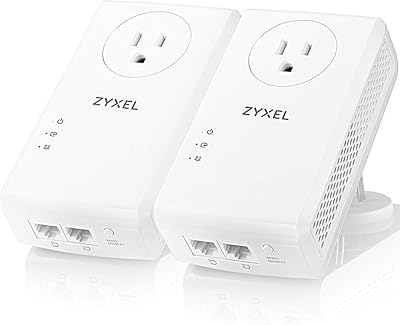
74%
91%
Ease of Setup
67%
Real-World Speed Performance
78%
Network Reliability & Stability
74%
Build Quality & Durability
88%
Pass-Through Outlet Design
More
Zyxel PLA5456 AV2000 Powerline Adapter Kit
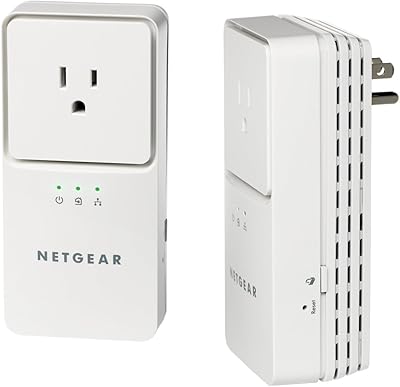
74%
91%
Ease of Setup
67%
Real-World Throughput
74%
Network Stability
61%
Hardware Reliability
88%
Port Configuration
More
TP-Link TL-PA411KIT Powerline Network Adapter Kit
78%
94%
Ease of Setup
61%
Real-World Speed Performance
83%
Build Quality & Durability
88%
Compatibility
91%
Physical Footprint
More
NETGEAR Powerline AV+ 200 Adapter Kit XAVB2501
82%
86%
Performance
92%
Ease of Setup
82%
Connectivity Reliability
78%
Speed Stability
88%
Value for Money
More
TRENDnet TPL-423E2K Powerline 1300 AV2 Adapter Kit
75%
88%
Ease of Setup
63%
Real-World Data Speed
74%
Connection Stability
91%
Pass-Through Outlet
67%
Build Quality & Durability
More

FAQ

No, you do not need to touch your router at all. Plug one unit into an outlet near your router and connect it with an Ethernet cable, then plug the second unit into any outlet in the room where you need connectivity. The two adapters find each other automatically and your device connects through standard Ethernet.

In most real-world homes, no. The 500 Mbps figure is a theoretical maximum under ideal lab conditions. Actual throughput depends heavily on the age and quality of your home's electrical wiring, the length of the circuit path between the two outlets, and whether both units share the same circuit. Speeds anywhere from 50 to 150 Mbps are more realistic for typical installations, which is still sufficient for HD streaming and online gaming.

It is strongly recommended that you plug both units directly into a wall outlet rather than through a power strip or surge protector. The filtering components inside surge protectors can interfere with the powerline signal and cause a significant drop in performance or prevent the units from pairing at all.

Performance can degrade considerably if the router-side adapter and the remote adapter are on separate circuits, which often happens when trying to bridge two different floors or sections of a house. In some cases the units will still connect but at reduced speeds; in others they may fail to pair reliably. This is the most common cause of disappointing results with powerline adapters in general.

The Actiontec PWR511K01 500Mbps Powerline Network Adapter Kit includes 128-bit AES encryption to protect traffic traveling over the powerline. To activate it, press the pairing button on both units within a short window. Without this step, traffic may be unencrypted, so it is worth taking the thirty seconds to enable it, especially in apartments or townhomes with shared electrical infrastructure.

Yes, the HomePlug AV standard supports networks with more than two adapters on the same electrical system. You would need to purchase a compatible additional adapter — ideally one that also supports HomePlug AV — and pair it with the existing units using the pushbutton method. Keep in mind that adding more units shares the available bandwidth across all of them.

Some warmth during operation is expected, as the units draw power continuously and process data actively. That said, a number of owners have reported the adapters running noticeably hot during sustained use like long gaming sessions or continuous streaming. Ensuring the outlet is not in an enclosed space and that airflow around the unit is not blocked can help. If a unit becomes hot enough to be uncomfortable to touch, that is worth monitoring as it may be a sign of stress on the hardware.

Any device with a standard Ethernet port will work — smart TVs, PlayStation and Xbox consoles, desktop PCs, Blu-ray players, DVRs, network-attached storage devices, and even secondary routers or access points. If your device only has Wi-Fi and no Ethernet port, you would need a separate adapter to use it with this kit.

This is an area where owner feedback is mixed. Many users report years of trouble-free operation, but a meaningful number have flagged unit failures occurring within one to two years of regular use. Given that this hardware line has been on the market since 2012, the long-term reliability picture is clearer than for newer products — and it suggests keeping a receipt or warranty documentation handy if longevity is a priority.

Since both units in the kit use the HomePlug AV standard, they are technically interoperable with other HomePlug AV-certified adapters from different manufacturers. In practice, mixing brands can sometimes result in slightly lower performance or minor pairing quirks. For best results, it is generally easier to stick with matched units from the same product family, particularly for the initial setup.

Where to Buy