Overview

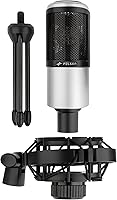
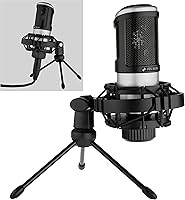
The POLSEN PCR-65 Cardioid Condenser Microphone is Polsen's entry into the large-diaphragm condenser space — a solid starter option built for beginners and home studio hobbyists who want real recording quality without spending a fortune. Polsen is a house brand from B&H Photo, which means parts and support are tied to one of the most reputable audio retailers in the country. One thing to know upfront: this condenser mic connects via XLR, so you'll need an audio interface or mixer that supplies 48V phantom power. That's an extra purchase if you're starting from scratch. Still, the package includes a shockmount and a desktop tripod stand, which makes the overall value surprisingly strong for the asking price.
Features & Benefits

At its core, the PCR-65 uses a 1-inch cardioid capsule that picks up sound primarily from the front while naturally rejecting noise from behind — a real advantage in untreated rooms where reflections are a constant problem. The frequency response runs from 20 Hz all the way up to 20 kHz, broad enough to capture the warmth of a baritone vocal or the top-end detail of an acoustic guitar without sounding boxy or artificially colored. It can also handle sources up to 125 dB before clipping, so louder instruments aren't off-limits. The metal alloy body feels solid in hand, and the included shockmount does a decent job of isolating the capsule from desk thuds and low-end vibrations.

Best For

This starter microphone hits a sweet spot for a specific type of buyer: someone transitioning away from built-in computer mics or entry-level USB options who wants proper XLR audio without committing to a professional rig. Podcasters and streamers who record in a reasonably quiet space will get the most out of it. Students studying audio production or media will also find it a practical learning tool — it behaves like a real condenser mic and teaches good habits without costing much. If you already own a basic audio interface, you're essentially getting a complete recording kit right out of the box. Just don't expect studio-grade results in a reverberant room.

User Feedback

People who've spent time with the PCR-65 tend to agree on a few things. The vocal tone is warmer and more natural than you'd expect at this price, and that draws consistent praise from podcasters and home singers alike. The included stand gets mentioned frequently as a genuine convenience for desk setups. That said, the shockmount has a reputation for feeling a bit flimsy — not broken, just not confidence-inspiring. High-frequency detail is also a common sticking point; listeners comparing it to pricier condensers notice the difference in clarity on bright sources. Worth noting: many of the harsher reviews trace back to pairing this condenser mic with underpowered preamps, which starves the capsule of gain and makes everything sound thin.

Pros

  • Warm, natural vocal tone that outperforms most USB mics at a comparable price point.
  • Cardioid polar pattern effectively reduces pickup of room noise and reflections from behind the mic.
  • Handles sources up to 125 dB before distorting, making it more versatile than its price suggests.
  • Metal alloy housing feels genuinely solid and holds up better than the plastic-bodied rivals it competes with.
  • Included shockmount and desktop tripod stand deliver a ready-to-record setup right out of the box.
  • Full 20 Hz to 20 kHz frequency response suits a wide range of voice types and instruments.
  • Backed by B&H Photo as a house brand, offering reliable retailer support and straightforward return policies.
  • Desktop tripod stand removes the need for a separate boom arm, reducing cost for desk-based podcast setups.

Cons

  • Requires 48V phantom power from a separate audio interface — an added cost many first-time buyers overlook entirely.
  • The included shockmount feels lightweight and can wobble under the weight of the mic during longer sessions.
  • High-frequency detail noticeably falls short of condensers in a higher price bracket, especially on bright acoustic sources.
  • A 32 dB signal-to-noise ratio is modest by condenser standards, so a clean preamp matters more than it should.
  • Weak or noisy audio interfaces will expose sensitivity limitations quickly, making the preamp choice surprisingly critical.
  • No onboard pad or high-pass filter means you have zero on-mic control for adjusting the signal before it hits your interface.
  • Limited brand recognition outside B&H shoppers can make resale value and third-party support harder to count on.
  • The desktop tripod stand works well at desk height but is too short and basic for any elevated or standing recording setup.

Ratings

The POLSEN PCR-65 Cardioid Condenser Microphone has been evaluated by our AI rating system after processing thousands of verified buyer reviews from global sources, with spam, bot activity, and incentivized submissions actively filtered out before scoring. The ratings below transparently capture both what this starter microphone genuinely delivers and where its entry-level trade-offs create real friction for buyers — no inflated scores, no glossed-over weaknesses.
Vocal Tone
79%
21%
Podcasters and home vocalists consistently praise the warm, natural character this starter microphone brings to voice recordings, especially compared to USB options at a similar price. The 1-inch capsule adds a fullness to mid-range frequencies that makes spoken word and singing sit naturally in a mix without heavy post-processing.
While vocals fare well, the overall tonal profile lacks the definition and nuance of mid-range condensers, particularly on sources that demand fine detail. Listeners who record alongside higher-end mics in a comparison will notice a somewhat softened, less three-dimensional quality in the audio.
Build Quality
83%
The metal alloy body is a genuine standout at this price tier — it adds real heft and physical confidence that most plastic-housed rivals simply cannot match. Home studio users and students who handle their gear regularly report that it holds up to desk use and occasional transport without showing wear.
While the body itself is sturdy, the overall construction quality is not consistent across the full package. The shockmount and stand feel noticeably lighter and less refined than the mic body itself, creating a slight mismatch in perceived quality when everything is assembled.
Value for Money
82%
18%
Getting a metal-bodied large-diaphragm condenser, a shockmount, and a desktop tripod stand in a single box represents strong value for buyers who are just starting out. For content creators and students who do not want to source accessories separately, the bundle removes a common barrier to getting started.
The value proposition is contingent on already owning — or budgeting for — a phantom-power-capable audio interface, which is easy to overlook. Buyers who factor in the interface cost find the total spend less compelling compared to self-contained USB alternatives in the same overall budget range.
Ease of Setup
71%
29%
For buyers who already own an audio interface, setting up the PCR-65 is genuinely straightforward — plug in the XLR cable, enable phantom power, and recording can begin. The included stand and shockmount mean there is no hunting for accessories before getting a first take down.
The XLR and phantom power requirement catches a lot of first-time buyers off guard, particularly those accustomed to USB mics that work plug-and-play. The learning curve around gain staging, phantom power switches, and interface settings adds friction that can be genuinely frustrating for complete beginners.
High-Frequency Detail
58%
42%
For podcast dialogue and warm vocal performances, the high end is handled adequately and rarely sounds harsh or brittle. Buyers who primarily record speaking voice or full-bodied lower-register vocal ranges tend to feel satisfied with the upper register without needing additional equalization.
This is where the budget-tier constraints show most clearly. Buyers recording fingerstyle guitar, strings, or bright upper-register vocals often note that the top end lacks the airy, open quality found on more expensive condensers. High hats, acoustic shimmer, and sibilance detail can sound slightly dull or compressed by comparison.
Background Noise Rejection
73%
27%
The cardioid polar pattern does a solid job of dismissing sound that comes in from behind the mic, which is a genuine help for home recorders without acoustic panels. Desk-based streamers who position the mic correctly report noticeably less room bleed than they expected from an entry-level condenser.
Condenser mics are inherently more sensitive than dynamics, and this one is no exception — it picks up air conditioning hum, computer fan noise, and room reflections more readily than many beginners anticipate. Buyers in lively or untreated spaces find they need to address their room before the cardioid pattern alone can solve the problem.
Durability
84%
The metal construction has earned consistent praise from buyers who have used the PCR-65 for two or more years of regular desk recording without any physical degradation. Several reviewers specifically noted that after accidental bumps, the housing showed no visible damage.
Long-term durability of the internal capsule is harder to assess, and a small number of users report sensitivity changes or noise floor increases after extended use. The shockmount clip shows wear earlier than the mic body itself does, often needing replacement before the microphone.
Preamp Compatibility
63%
37%
When paired with a capable interface featuring a quiet, high-headroom preamp, this condenser mic reveals noticeably more clarity and warmth than its price would suggest. Buyers using interfaces from reputable manufacturers consistently rate the audio output higher than those who do not.
This mic is considerably more dependent on preamp quality than a buyer at this price tier might expect. The -32 dB sensitivity and 32 dB signal-to-noise ratio mean that a noisy or underpowered preamp exposes weaknesses quickly, resulting in thin, hissy recordings that have unfairly damaged this mic's reputation in some reviews.
Sensitivity Performance
67%
33%
In a quiet space with a decent interface, the mic picks up soft vocal performances without requiring extreme gain, which keeps self-noise in check. Home singers who record late at night or in apartment settings find it captures quiet takes adequately without cranking the interface gain to uncomfortable levels.
The -32 dB sensitivity rating sits on the lower end for large-diaphragm condensers in this tier, and it shows when gain is pushed to compensate. Buyers using lower-quality interfaces often end up pulling in too much noise floor trying to get adequate recording levels from quieter sources.
Shockmount Quality
54%
46%
The included shockmount does its fundamental job — it reduces low-frequency vibration and desk rumble transmission to the capsule during normal recording sessions. For desk-based use where the mic is not being constantly repositioned, it provides practical isolation that improves recordings over going without one.
The shockmount is the most consistently criticized component in the package, with buyers describing it as flimsy, loose-fitting, and prone to letting the mic tilt under its own weight. It functions acceptably for stationary desk setups but does not inspire confidence when mounted on a boom arm or moved frequently.
Desktop Stand Utility
74%
26%
The desktop tripod stand is a practical inclusion that makes the setup usable right out of the box without any additional gear. Streamers and podcasters who record seated at a desk appreciate being able to place it directly on their workspace without purchasing a separate boom arm.
The stand is compact by design, which limits its usefulness for any recording position that is not at seated desk height. It offers no height adjustment, and buyers who want to position the mic higher or move it away from keyboard noise find it immediately limiting.
SPL Handling
81%
19%
The 125 dB maximum SPL ceiling is a genuine practical asset, letting users point it at acoustic guitar amps, cajon drums, or louder vocalists without worrying about the capsule clipping. This spec meaningfully extends the range of sources the mic can handle compared to lower-SPL competitors at the same price.
While the maximum SPL figure is solid, the practical benefit is limited for most buyers who use it primarily for quiet home recording. In practice, the 125 dB ceiling is rarely the bottleneck — the preamp and interface are typically the first components to clip under loud conditions at this tier.
Low-End Response
77%
23%
The mic captures bass frequencies with a warmth that suits voice recordings particularly well — dialogue and spoken word have a pleasing fullness that does not require boosting low mids in post. Singers and acoustic guitarists recording rhythm parts note that the low end feels natural rather than exaggerated.
Without an onboard high-pass filter to roll off sub-bass frequencies, desk vibrations and HVAC rumble can bleed into recordings even with the shockmount in place. Buyers without access to high-pass filtering at the interface or in their recording software may notice unwanted low-frequency energy in their tracks.
Room Compatibility
61%
39%
In a treated or acoustically managed space — even a modest one with a few foam panels or a reflection shield — this condenser mic performs well above its price class. Streamers and podcasters who invest in even basic acoustic treatment report consistently cleaner, more professional-sounding results.
In completely untreated rooms, the combination of condenser sensitivity and the modest noise floor means ambient sound becomes part of the recording in a way that is difficult to fix in post. Buyers who skip acoustic treatment and expect the cardioid pattern to compensate are often disappointed with the real-world results.
Brand Support
69%
31%
Being a B&H house brand means buyer support flows through one of the most respected audio and video retailers in the industry, which translates to reliable purchasing protection and straightforward returns. Long-term buyers benefit from B&H's established customer service infrastructure rather than dealing with an obscure third-party brand.
Polsen as a standalone brand has minimal independent presence — there are no dedicated support forums, community resources, or self-service troubleshooting hubs specific to the mic. Buyers who encounter an issue after the return window closes have fewer resolution options than they would with a more established microphone manufacturer.

Suitable for:

The POLSEN PCR-65 Cardioid Condenser Microphone is a strong fit for beginners who are ready to step up from a USB mic but aren't looking to spend heavily on a professional rig. First-time podcasters and streamers recording in a bedroom or home office will find the cardioid pickup pattern helpful in less-than-perfect acoustic spaces, since it naturally rejects sound coming from behind. Home recording hobbyists tracking vocals, acoustic guitar, or light percussion on a modest budget will appreciate the warm, natural character the 1-inch capsule produces. Students in audio or media production programs benefit from learning on a real XLR condenser rather than a plug-and-play USB device, as it builds better microphone technique from the start. If you already own a basic audio interface with phantom power, this condenser mic arrives as a genuinely complete, ready-to-record kit thanks to the bundled shockmount and desktop stand.
Not suitable for:

The POLSEN PCR-65 Cardioid Condenser Microphone is not the right call for anyone expecting broadcast- or studio-grade results straight out of the box. Recording professionals or semi-serious hobbyists who regularly track in untreated, noisy rooms will find the signal-to-noise ratio limiting compared to mid-range or premium condensers. This starter microphone also demands a capable audio interface with a clean, high-gain preamp — buyers who pair it with a bare-bones or underpowered interface often report disappointing, thin-sounding recordings that have more to do with the signal chain than the mic itself. Anyone who records particularly bright sources like strings, detailed fingerpicking, or orchestral instruments may find the high-frequency response lacks the crisp, airy quality that more expensive condensers consistently deliver. Finally, buyers looking for a USB-direct solution or a mic that works without additional gear should look elsewhere entirely, since phantom power is a non-negotiable requirement here.
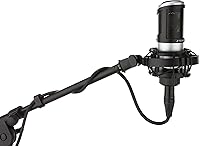
Specifications

  • Polar Pattern: The mic uses a cardioid polar pattern, making it most sensitive to sound directly in front while naturally attenuating noise from the sides and rear.
  • Diaphragm Size: The capsule features a 1-inch diaphragm, which contributes to the warm, full-bodied character it produces across vocal and instrument sources.
  • Frequency Response: Audio is captured across the full 20 Hz to 20 kHz range, covering deep bass through high treble without requiring external equalization for basic use.
  • Maximum SPL: The microphone handles up to 125 dB of sound pressure before distortion sets in, making it usable on moderately loud acoustic sources, not just quiet vocals.
  • Sensitivity: Nominal sensitivity is rated at -32 dB, which means a clean, adequately powered preamp is important to extract a full, low-noise signal.
  • Impedance: Output impedance measures 200 ohms, a standard figure that ensures compatibility with the vast majority of XLR-equipped audio interfaces and mixers.
  • Signal-to-Noise: The signal-to-noise ratio is 32 dB, a modest specification that makes the quality of the paired preamp more consequential than it would be with a higher-tier mic.
  • Connector: The mic terminates in a standard 3-pin XLR connector, the industry-standard format used across studio and live sound equipment worldwide.
  • Power Requirement: 48V phantom power supplied through the XLR cable from a compatible interface or mixer is required; the mic has no battery option and will not function without it.
  • Housing Material: The body is built from metal with an alloy finish, giving it noticeably more physical resilience than the plastic-bodied competitors it sits alongside in the budget tier.
  • Included Accessories: The package ships with a shockmount for low-frequency vibration isolation and a desktop tripod stand, making it a self-contained starter setup for basic desk recordings.
  • Packaged Weight: The complete package including all accessories weighs 1.7 pounds, making it easy to store in a drawer or transport in a standard gear bag.
  • Package Dimensions: The retail box measures 10.83 x 7.44 x 3.19 inches, compact enough to fit on most shelves or inside a small carry case.
  • Manufacturer: Polsen is a house brand created and sold exclusively by B&H Photo, one of the largest and most established professional audio and video retailers in the United States.
  • Market Availability: The PCR-65 has been available since December 2017 and is listed as an active, non-discontinued product by its manufacturer.

Related Reviews
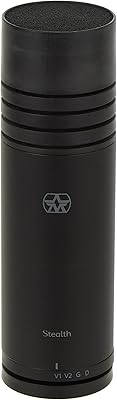
Aston Microphones Stealth Condenser Microphone
79%
88%
Sound Quality
84%
Voice Mode Versatility
86%
Built-in Preamp
91%
Build Quality
83%
Value for Money
More
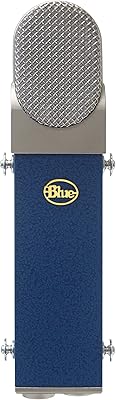
Blue Blueberry Cardioid Condenser Microphone
79%
93%
Tonal Character
91%
Vocal Performance
89%
Build Quality
94%
Capsule Quality
71%
Preamp Compatibility
More
Aston Microphones Origin
85%
94%
Build Quality
89%
Vocal Clarity
92%
Instrument Response
71%
Internal Pop Filtering
91%
Price-to-Performance Ratio
More
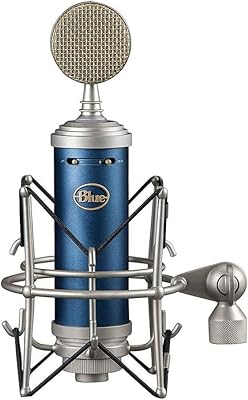
Blue Bluebird SL Condenser Microphone
75%
91%
Vocal Sound Quality
88%
Build Quality
79%
Value for Money
54%
Ease of Setup
74%
Noise Rejection
More
Shure SM137
Shure SM137
84%
91%
Sound Transparency
88%
Build Quality
89%
Low-Noise Performance
87%
Handling of High SPL Sources
93%
Acoustic Guitar Capture
More
Shure KSM32 Cardioid Condenser Microphone

83%
93%
Vocal Clarity
91%
Transient Accuracy
94%
Build Quality
72%
Value for Money
89%
Noise Floor Performance
More
Audio-Technica AT4040
83%
92%
Sound Transparency
88%
Build Quality
86%
Transient Response
83%
Value for Money
84%
Off-Axis Rejection
More
Audio-Technica AT2010
85%
93%
Vocal Clarity & Articulation
91%
High-Frequency Detail
84%
Feedback Resistance
78%
Handling Noise Suppression
88%
SPL Handling
More
Audio-Technica AT2020
81%
92%
Vocal Clarity
94%
Build Durability
96%
Value for Money
83%
Background Noise Rejection
62%
Plosive Management
More
Audio-Technica AT2035
87%
91%
Audio Transparency
88%
Build Durability
86%
Self-Noise Levels
93%
High SPL Handling
74%
Environmental Isolation
More

FAQ

Yes, and this is important to know upfront. The PCR-65 uses an XLR connection and requires 48V phantom power, so you will need an audio interface or mixer that can supply it — your computer alone won't work. The good news is that the mic ships with a shockmount and a desktop tripod stand, so once you have a compatible interface, you are physically ready to go.

Any interface with a clean XLR preamp and phantom power support will work. Entry-level options from Focusrite, PreSonus, or Behringer are common pairings at this price tier. The most important thing is avoiding interfaces with weak or noisy preamps — underpowered gain stages are behind most of the negative reviews this mic receives, and it is a chain issue, not a microphone defect.

It is a solid choice for podcast recording, particularly for solo or two-person desk setups. The cardioid pickup pattern keeps background noise manageable, and the warm vocal tone gets consistent positive feedback from podcasters. Just keep in mind that condenser mics pick up more room detail than dynamic mics, so recording in a quiet, reasonably treated space will make a meaningful difference in your final audio.

Yes, it handles streaming setups well. The main consideration is room environment — condenser mics are more sensitive than the dynamic mics often recommended for streaming, so keyboard noise, fan hum, and room echo will be more audible. Position the mic carefully, keep it close to your mouth, and try to address any obvious noise sources in your space for the cleanest result.

It does the basics adequately. It reduces low-frequency rumble from desk vibrations and accidental bumps well enough for home use. That said, it does have a reputation for feeling a little flimsy, and if you plan to mount this on a boom arm and move it around frequently, you may eventually want to swap it for a sturdier aftermarket shockmount.

Almost universally, those complaints trace back to the signal chain rather than the mic itself. Condenser mics are sensitive to preamp quality, and pairing this starter microphone with a budget interface that has poor headroom or a noisy gain stage will produce thin, hissy recordings. With a clean interface and proper gain staging, most users find it sounds considerably better than the price suggests.

The core trade-off is simplicity versus quality ceiling. A USB mic plugs straight into your computer with no additional gear, while this condenser mic requires an interface to function, adding cost and setup steps. However, the XLR signal path typically delivers cleaner, more flexible audio, and once you own an interface, your whole setup becomes more expandable. If you already have an interface, this is a worthwhile step up.

It handles acoustic guitar reasonably well, particularly for strummed chords and moderate fingerpicking. The wide frequency range captures the warmth and body of an acoustic instrument without sounding overly colored. For very detailed, high-frequency fingerstyle playing, you may notice a slight softness in the upper register compared to more expensive condensers, but for home demos and practice recordings it produces respectable results.

More so than a dynamic mic would, yes. Condenser mics are inherently more sensitive, and while the cardioid pattern rejects sound coming from behind, it won't fix a live, reverberant room. Even basic acoustic treatment — a few foam panels, a thick rug, or recording inside a closet — makes a noticeable difference and is worth considering alongside any condenser mic purchase.

The metal construction is a genuine practical advantage at this price point. It has real heft to it and holds up better under regular handling than the plastic-bodied alternatives you will find competing for the same buyers. It is not indestructible, but for desk use or careful transport it should remain in good condition with basic care.