Overview

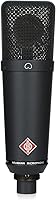
The Neumann TLM 193 Large-Diaphragm Condenser Microphone represents one of the more enduring entries in Neumann's celebrated catalog — a German-engineered studio mic that has held its ground since 2001 without needing a rebrand or refresh to stay relevant. That kind of longevity says something. Built with a matte black finish and the solid construction you would expect from a manufacturer with Neumann's reputation, it feels serious the moment you pick it up. This is not a microphone you buy on a whim; it is a deliberate purchase made by engineers and vocalists who want a cardioid condenser they can grow into rather than out of.
Features & Benefits

The TLM 193's double-membrane capsule spans 49mm and captures the full audible spectrum with accuracy that holds up under critical playback. What that means practically is that recordings come back sounding open and dimensional rather than thin or compressed. The self-noise performance is where this mic genuinely stands apart — an 84 dB signal-to-noise ratio means the background hiss that plagues cheaper condensers is essentially a non-issue, which matters enormously when recording quiet acoustic instruments or delicate vocal passages. It connects via XLR, draws phantom power from your interface, and works with virtually any studio setup. No batteries, no dongles, no drama.

Best For

This large-diaphragm mic is built for people who take recording seriously. Vocalists and voice-over artists will appreciate its transparent, uncolored capture — it presents the voice as it is rather than adding flattering sheen the way some condensers do. Acoustic guitar, piano, strings — anything where tonal honesty matters more than excitement — are natural fits. Home studio owners who have invested in acoustic treatment and want a reference-quality microphone they will not need to replace in five years will find real value here. It also performs well in broadcast and podcast applications where clean, articulate audio is non-negotiable. This is not a beginner's first mic; it rewards experience.

User Feedback

With a 4.5-star average across a modest number of ratings — typical for gear at this professional tier where the buyer pool is smaller — the consensus leans strongly positive. Owners consistently point to natural, unprocessed sound as the reason they chose it over alternatives that add artificial brightness or presence peaks. The quiet noise floor gets called out repeatedly as a real-world win, not just a spec on a sheet. On the other side, a few buyers note the cardioid-only design means no figure-eight or omni options, which matters if you need flexibility. And critically, this Neumann condenser is unforgiving in poorly treated rooms — it captures everything, including what you would rather not hear.

Pros

  • Exceptionally low self-noise keeps recordings clean even on quiet sources like acoustic guitar or soft vocals.
  • Natural, uncolored sound character means less corrective processing needed after tracking.
  • Solid German build quality gives it a durability and premium feel that holds up over years of studio use.
  • Full frequency capture up to 20 kHz produces open, detailed recordings that translate well across playback systems.
  • Cardioid polar pattern effectively rejects off-axis sound, reducing bleed from nearby sources in the room.
  • XLR connectivity works with virtually every audio interface, mixer, and preamp on the market.
  • Phantom-powered operation keeps the signal path simple with no battery management required.
  • A track record dating back to 2001 means this is well-understood, well-respected gear — not a gamble.
  • The TLM 193 holds its resale value well compared to many competitors in the professional condenser category.
  • Compact enough at under three pounds to mount comfortably on standard studio stands without counterweight issues.

Cons

  • Cardioid-only design rules out figure-eight and omni polar patterns, limiting recording versatility.
  • Highly sensitive to room acoustics — performs poorly without proper acoustic treatment in place.
  • No included shockmount or case at this price point is a frustrating omission that adds to the total cost.
  • Requires a quality preamp to perform at its best; a weak or noisy preamp will undermine the investment.
  • Single mono output means you will need two units for true stereo recording setups, doubling the spend.
  • The premium price tier makes it a difficult recommendation for anyone still developing their recording fundamentals.
  • Limited polar pattern options make it less adaptable for engineers who need one mic to handle many different situations.
  • Phantom power dependency means it will not work with recorders or interfaces that lack 48V phantom power support.
  • With only a small number of published ratings, real-world feedback is thinner than lower-priced, mass-market alternatives.
  • Buyers expecting a plug-and-play improvement may be disappointed if the rest of their chain is not already solid.

Ratings

Our AI-generated scores for the Neumann TLM 193 Large-Diaphragm Condenser Microphone were produced by analyzing verified buyer reviews from multiple global markets, with spam, bot-generated, and incentivized feedback actively filtered out before scoring. The results reflect a balanced picture — where this mic genuinely excels and where real users ran into limitations. Both sides of that story are captured honestly in the categories below.

Sound Transparency
94%
Buyers consistently describe the TLM 193 as one of the most honest-sounding mics they have owned — vocals and acoustic instruments come through without artificial brightness or low-end inflation. Engineers tracking lead vocals particularly appreciate that what they hear in the room is faithfully reproduced on playback.
That same transparency can be unforgiving on vocalists who rely on a mic's natural coloration to flatter their tone. A small number of users found the neutral character too clinical for certain pop or R&B vocal styles that benefit from a more hyped presence peak.
Self-Noise Performance
91%
The exceptionally low noise floor is one of the most frequently praised aspects across all verified reviews. Voice-over artists recording quiet dialogue and engineers capturing delicate acoustic guitar passages both noted that background hiss essentially disappears from the signal — something that makes a real difference in post-production cleanup time.
While the self-noise is outstanding, a few users pointed out that a weak or budget preamp can undermine this advantage entirely by introducing noise at the gain stage. The mic rewards a quality signal chain, which means the full benefit is not accessible to everyone out of the box.
Build Quality
88%
The matte black metal body feels genuinely substantial and well-engineered — not the kind of mic that wobbles on a stand or feels hollow when handled. Multiple reviewers specifically mentioned how the finish holds up over years of regular studio use without chipping or showing wear.
A handful of buyers noted that for this investment level, the absence of an included protective case feels like a corner cut. Transporting the mic without dedicated storage puts unnecessary risk on a capsule that demands careful handling.
Polar Pattern Versatility
54%
46%
The cardioid pattern is well-executed and does its job reliably — off-axis rejection is strong enough that bleed from nearby instruments in the same room is kept well under control during tracking sessions.
The cardioid-only design is the most cited limitation in critical reviews. Engineers who occasionally need figure-eight for mid-side recording or omni for room mics cannot get that from the TLM 193, and at this price point, several competitors offer multi-pattern flexibility as standard.
Room Sensitivity
61%
39%
In a properly treated recording environment, this large-diaphragm mic rewards the investment in acoustics by capturing every detail with precision. Users with dedicated studio spaces or well-treated home rooms consistently report exceptional results that justify the cost.
In untreated or reflective spaces, the same sensitivity that makes this mic shine becomes a liability — room flutter, HVAC rumble, and environmental noise are captured with the same accuracy as the intended source. Several buyers recording in spare bedrooms expressed frustration that their room, not the mic, was the weak link.
Compatibility
89%
The standard XLR connection means this Neumann condenser works with essentially every audio interface, mixing console, and preamp on the market without any adapters or workarounds. Setup is straightforward for anyone with an existing studio signal chain.
The phantom power requirement means it will not work with recorders or portable setups that lack 48V support. For the small number of users who work with older gear or minimal field recording rigs, this is a practical blocker.
Value for Money
73%
27%
Buyers who approach this as a long-term studio investment rather than a transactional purchase tend to rate the value favorably — particularly those who have owned it for several years and noted strong resale value and continued relevance in a shifting market.
For buyers expecting transformative results without an already solid signal chain and treated room, the value proposition weakens considerably. Some reviewers felt the premium price was not fully justified given the cardioid-only limitation and the lack of included accessories.
Vocal Recording Performance
92%
Professional vocalists and voice-over artists rate the TLM 193 very highly for its ability to capture the nuance and texture of a voice without masking imperfections or adding unwanted color. Broadcast professionals in particular highlight how clean and articulate spoken word recordings sound directly out of the chain.
Singers who prefer a warmer or more flattering character — the kind of pleasing midrange lift common in some vintage-style condensers — occasionally find the neutral response less exciting to record through, even if the technical quality is not in question.
Acoustic Instrument Capture
87%
Acoustic guitar, classical strings, and piano recordings made with this mic receive consistent praise for sounding realistic and three-dimensional. The wide frequency response captures the full body of an instrument without exaggerating any particular range.
For stereo instrument recording such as grand piano or a full acoustic ensemble, a single unit is not sufficient — two would be needed, which doubles the cost considerably. This limits its practical reach for engineers who work regularly in stereo configurations.
Ease of Setup
83%
There is very little to configure — connect via XLR, enable phantom power, and record. Experienced users appreciated the straightforward operation that gets signal flowing quickly without menus, switches, or driver installations.
The microphone-only package requires buyers to source their own stand, shockmount, and pop filter before a first recording session is even possible. For newcomers expecting a ready-to-use setup, that gap is an inconvenient and sometimes costly surprise.
Longevity & Reliability
93%
The TLM 193 has been on the market since 2001 without being discontinued or superseded, which is a strong signal of engineering confidence and lasting relevance. Buyers who have owned units for five or more years consistently report no degradation in performance or build integrity.
No significant reliability complaints surfaced in verified reviews, though the sensitivity of any large-diaphragm condenser capsule to moisture and physical shock means care in storage and transport is non-optional over the long run.
Preamp Dependency
66%
34%
With a quality preamp in the chain, the TLM 193 produces recordings that need minimal processing — the gain structure works well and the mic does not demand extreme amounts of gain to achieve a usable signal level.
The mic's performance ceiling is heavily gated by preamp quality in a way that cheaper, less sensitive condensers are not. Users pairing it with entry-level interface preamps reported that they were not hearing the mic at its best, leading to some disappointment relative to expectations.
Brand Trust & Heritage
96%
Neumann's reputation in professional audio is essentially unimpeachable, and buyers noted real confidence in knowing they were purchasing from a manufacturer with decades of proven engineering behind every product. That heritage makes the purchase feel safer and better supported.
The brand's premium positioning can create elevated expectations that occasionally outpace even the mic's genuine strengths. A small number of reviewers admitted they expected a more dramatic, immediately audible difference compared to their previous mic — which speaks more to expectation management than product shortcoming.
Podcast & Broadcast Suitability
81%
19%
For podcasters and broadcasters who record in a treated space and want their audio to stand out from the crowd, this mic delivers broadcast-ready clarity without the listener needing to hear any extra processing. The clean signal translates well across headphones, speakers, and streaming compression.
The investment is harder to justify for hobbyist podcasters or those recording in typical home environments where a mid-range dynamic mic would often be a more practical and forgiving choice at a fraction of the cost.

Suitable for:

The Neumann TLM 193 Large-Diaphragm Condenser Microphone is built for people who have moved past the experimentation phase and know exactly what they need from a studio microphone. Professional vocalists recording in treated spaces will find its honest, uncolored capture flattering without being artificially enhanced — it presents a voice as it actually sounds, which is what serious engineers want to work with. Voice-over artists and broadcast professionals benefit from the exceptionally quiet noise floor, which keeps recordings clean even on the most demanding projects where background hiss simply cannot be edited around. Acoustic instrument recording is another strong suit; when tonal accuracy matters more than excitement or exaggeration, this large-diaphragm mic delivers a natural representation that holds up under critical listening. Home studio owners who have already invested in acoustic treatment and want a reference-grade microphone that will not feel limiting two or three years from now will find this a genuinely rewarding long-term purchase.

Not suitable for:

The Neumann TLM 193 Large-Diaphragm Condenser Microphone is not the right call for everyone, and being honest about that matters more than making a sale. Beginners recording in untreated bedrooms or living rooms should think carefully — this mic's sensitivity and accuracy work against you in a reflective or noisy environment, capturing every flaw the room has to offer. If you need polar pattern flexibility, such as figure-eight for mid-side recording or omni for room mics, the cardioid-only design is a genuine limitation that no amount of quality can work around. Buyers on a tight budget who are still building out the rest of their signal chain would likely get more overall improvement by spending that money on acoustic treatment or a better preamp first. And anyone who needs a mic for live performance or frequent location work might find this a fragile and expensive choice for unpredictable environments.

Specifications

  • Microphone Type: Large-diaphragm condenser microphone designed for professional studio recording applications.
  • Polar Pattern: Cardioid (unidirectional), focused on capturing sound directly in front while rejecting off-axis noise and room reflections.
  • Capsule Design: Double-membrane capsule construction with a 49mm diameter for wide, accurate frequency sensitivity.
  • Frequency Response: Captures the full audible spectrum from 20 Hz to 20 kHz with consistent accuracy across the range.
  • Signal-to-Noise Ratio: 84 dB signal-to-noise ratio, indicating an exceptionally low self-noise floor for a clean, hiss-free recording signal.
  • Output Impedance: 50 Ohm output impedance, compatible with standard professional preamp and interface inputs.
  • Connectivity: Standard 3-pin XLR output connector, compatible with professional audio interfaces, mixing consoles, and preamps.
  • Power Source: Requires 48V phantom power supplied via XLR from a compatible audio interface, mixer, or standalone phantom power supply.
  • Channels: Single-channel mono output; one microphone captures one audio signal at a time.
  • Item Weight: 2.65 pounds (approximately 1.2 kg), appropriate for standard studio boom arms and microphone stands.
  • Capsule Diameter: 49mm diaphragm diameter, consistent with large-diaphragm condenser standards for warmth and sensitivity.
  • Color & Finish: Matte black finish applied to a solid metal body with build quality consistent with Neumann's German manufacturing standards.
  • Compatible Devices: Works with audio interfaces, mixing consoles, laptops, tablets, and desktop computers via an appropriate XLR-to-interface connection.
  • Included Contents: Microphone body only; no shockmount, pop filter, or carrying case is included in the standard package.
  • Manufacturer: Designed and manufactured by Neumann, headquartered in Berlin, Germany, with a production history dating back decades.
  • Model Number: Official model designation is TLM-193, first made available in October 2001 and still in active production.
  • UPC: Universal Product Code is 615104083813, useful for verifying authenticity when purchasing from third-party sellers.
  • Discontinued Status: Not discontinued by the manufacturer; the TLM-193 remains an actively supported product in Neumann's current lineup.

Related Reviews
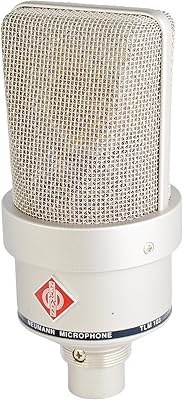
Neumann TLM 103 Large-Diaphragm Condenser Microphone
88%
96%
Sound Transparency
94%
Self-Noise Performance
93%
Build Quality
91%
SPL Handling & Headroom
83%
Sensitivity & Preamp Friendliness
More
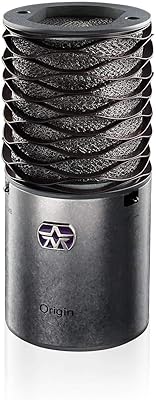
Aston Microphones Origin
85%
94%
Build Quality
89%
Vocal Clarity
92%
Instrument Response
71%
Internal Pop Filtering
91%
Price-to-Performance Ratio
More
Aston Microphones Spirit Large-Diaphragm Condenser Microphone
85%
93%
Sound Quality
96%
Build Quality
89%
Polar Pattern Versatility
88%
Built-in Pop Filter
84%
Value for Money
More
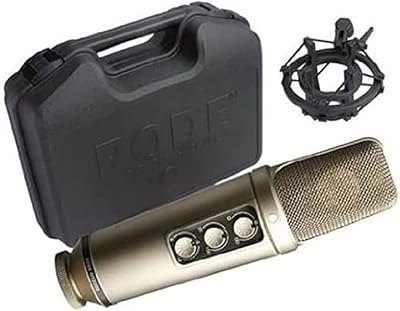
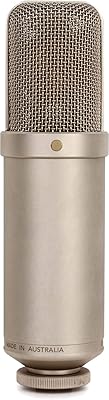
Rode NT2000 Large-Diaphragm Condenser Microphone
82%
94%
Polar Pattern Versatility
91%
Control Flexibility
89%
Sound Quality
66%
Build Quality
93%
Warranty & Long-Term Value
More
MXL 2003A Large-Diaphragm Condenser Microphone
77%
78%
Sound Character
61%
Self-Noise Level
82%
Build Quality
84%
Value for Money
86%
Included Accessories
More
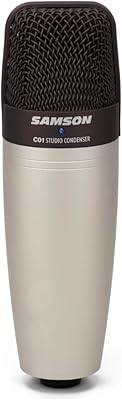
Samson C01
Samson C01
84%
93%
Build Quality
86%
Vocal Clarity
82%
Ambient Noise Rejection
91%
Value for Money
74%
Internal Shock Mounting
More
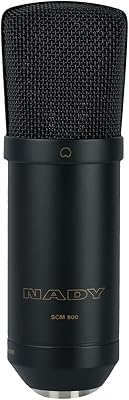
Nady SCM-800 Large Diaphragm Condenser Microphone
71%
74%
Sound Quality
81%
Build Quality
83%
Value for Money
57%
Ease of Setup
71%
Noise Performance
More
Rode NTK
Rode NTK
77%
94%
Vocal Tone & Warmth
91%
Self-Noise & Signal Clarity
88%
Build Quality & Durability
54%
Stand & Mounting Requirements
61%
Ease of Setup
More
Lewitt LCT 440 Pure
Lewitt LCT 440 Pure
89%
94%
Vocal Clarity
97%
Self-Noise Performance
91%
Build Quality
88%
Acoustic Instrument Capture
93%
Value for Money
More
Rode NT1-A
Rode NT1-A
89%
93%
Acoustic Clarity
97%
Self-Noise Performance
89%
Build Durability
94%
Bundle Value
86%
High SPL Handling
More

FAQ

No, the Neumann TLM 193 Large-Diaphragm Condenser Microphone ships with the microphone body only. You will need to purchase a shockmount, pop filter, and any cabling separately. Neumann makes a compatible shockmount, but several third-party options also fit well at lower price points.

Most decent audio interfaces will get you up and running, but the TLM 193 genuinely rewards a clean, low-noise preamp. Its sensitivity means it will expose any preamp hiss or coloration in your signal chain. Budget interfaces with weaker preamp stages can bottleneck what this mic is capable of, so ideally pair it with something mid-range or above.

Yes, this large-diaphragm mic runs entirely on 48V phantom power — there are no batteries involved. Most audio interfaces and mixing consoles have a phantom power button or switch, often labeled 48V. Just make sure it is enabled before you start recording; the mic will not operate without it.

It depends heavily on your room. The TLM 193 is very sensitive and will pick up reflections, hum, and background noise that cheaper mics might partially mask. In a well-treated space with acoustic panels and bass traps, it performs beautifully. In a bare, reflective bedroom, you may be disappointed by how much of the room ends up in your recordings.

Absolutely, and it will produce broadcast-quality audio that stands out immediately. That said, it is worth asking whether the investment makes sense for your use case. If audio fidelity is central to your brand and you already have a decent interface and treated space, the TLM 193 is an excellent long-term choice for spoken word work.

A cardioid pattern picks up sound primarily from directly in front of the mic and progressively rejects sound coming from the sides and rear. In practice, this means less room noise and less bleed from other sources in the same space. It is ideal for focused single-source recording like vocals or a solo instrument, but it does mean you cannot switch to figure-eight or omni patterns if you need them later.

Yes, and those are among its strongest applications. The honest, uncolored frequency response does not exaggerate or soften anything — acoustic instruments come through as they actually sound. For piano in particular, you would likely want a second unit for stereo recording, since this Neumann condenser is a mono microphone.

Check the UPC (615104083813) and verify the seller's credentials before purchasing. Neumann products sold through authorized dealers come with proper documentation and manufacturer warranty support. If the price seems significantly below market rate, that is a red flag worth investigating before committing.

Keep the capsule free from moisture and do not blow directly into it during use — always use a pop filter. For the exterior body, a dry or very slightly damp cloth is fine for wiping down the metal casing. Store it in a protective case or padded bag when not in use, ideally somewhere with stable temperature and low humidity to protect the capsule long-term.

The TLM 193 occupies a specific niche: a high-transparency, low-coloration large-diaphragm condenser aimed at engineers who want the mic to stay out of the way of the source. Some competitors at similar price points offer multiple polar patterns or a more flattering presence boost, which can suit certain vocal styles better. The TLM 193 prioritizes accuracy over personality, which is either exactly what you want or not what you are after — and knowing that distinction is the most important part of the buying decision.

Where to Buy