Nady SCM-800 Large Diaphragm Condenser Microphone
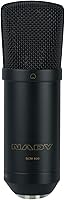
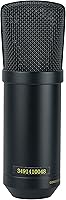
Nady SCM-800 Large Diaphragm Condenser Microphone — image 1
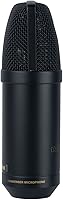
Nady SCM-800 Large Diaphragm Condenser Microphone — image 2
Nady SCM-800 Large Diaphragm Condenser Microphone — image 3
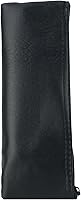
Nady SCM-800 Large Diaphragm Condenser Microphone — image 4
Nady SCM-800 Large Diaphragm Condenser Microphone — image 5
71%
29%

Overview

The Nady SCM-800 Large Diaphragm Condenser Microphone has been quietly holding its ground in the entry-level studio mic space since 2004 — a long run that speaks to its staying power among budget-conscious recordists. The brass housing and internal shock mounting give it a noticeably sturdier feel than you'd expect at this price, avoiding the hollow plastic construction common to cheaper alternatives. One important caveat for newcomers: the SCM-800 uses an XLR connection and requires phantom power from an audio interface or mixer. It won't work straight out of the box without that supporting gear. With a cardioid polar pattern, it's designed for focused, single-source recording in reasonably treated spaces.

Features & Benefits

At its core, the SCM-800 runs a true condenser capsule paired with a transformerless FET preamp — a combination that keeps self-noise low and gives the signal a clean, open quality. The large diaphragm design adds warmth in the low-mids, which can be flattering for male vocals and acoustic instruments alike. Its 70 dB signal-to-noise ratio and full 20 Hz to 20 kHz frequency response are solid numbers for this price bracket. The cardioid pattern does a reasonable job rejecting room reflections from the sides and rear, which helps in untreated spaces — though it's no miracle worker. The brass body construction also dampens mechanical vibration better than lighter plastic alternatives.

Best For

This large diaphragm mic hits a sweet spot for home studio beginners who already own an audio interface and want to move beyond USB mics without spending a lot. Vocalists recording demos, podcasters who prioritize voice clarity over pristine broadcast quality, and acoustic guitarists tracking rough cuts will all find it capable for those needs. Content creators doing voiceovers or narration will likely appreciate the warmth it adds. That said, it's not the right tool for professional tracking sessions or any context where the engineer will scrutinize every decibel. Keep in mind: you'll need a separate audio interface, pop filter, and mic stand — none of which come in the box.

User Feedback

Across its roughly 67 ratings, this Nady condenser lands at 4 stars — a score that feels honest given what reviewers actually say. The most consistent praise is for vocal warmth, with several buyers noting they were genuinely surprised by the tone for the money. On the other side, a recurring complaint involves the included mount, which many describe as flimsy enough to warrant replacing with a third-party shock mount right away. Sensitivity to room acoustics comes up frequently too — this mic rewards a treated space and struggles noticeably in live, reflective rooms. A handful of users also mention that a noisy or underpowered phantom power source can introduce hiss, so a clean preamp signal matters.

Pros

  • Large diaphragm design delivers genuine low-mid warmth that flatters vocals well beyond what USB mics typically offer.
  • Transformerless FET preamp keeps self-noise low and dynamic range wide for this price bracket.
  • Precision-turned brass body feels substantially more durable than plastic-bodied competitors at a similar price point.
  • Internal shock mounting reduces mechanical vibration pickup without requiring an immediate third-party upgrade.
  • Cardioid polar pattern does a solid job rejecting off-axis reflections in moderately treated recording spaces.
  • Compatible with any standard phantom-powered interface or mixer, keeping setup options flexible and future-proof.
  • Buyers frequently cite vocal warmth as a genuine and pleasant surprise relative to the asking price.
  • Has held a 4-star average across 67 ratings, suggesting consistent satisfaction over a long product lifespan.
  • A well-established model on the market since 2004, with a broad community knowledge base and easy troubleshooting resources.
  • Well-suited for spoken word, narration, and podcasting use cases where tone and clarity matter more than technical perfection.

Cons

  • The included physical mount feels flimsy to many buyers — budget for a quality third-party shock mount from day one.
  • Requires phantom power from an external interface or mixer; absolute beginners may not realize this until after purchase.
  • Noticeably sensitive to room acoustics — untreated, reflective spaces will expose its limitations quickly and clearly.
  • A low-quality or noisy phantom power source can introduce audible hiss that undermines recording quality significantly.
  • No accessories beyond the basic mount are included; a pop filter, XLR cable, and mic stand all add to the total cost.
  • Single mono XLR output means no stereo recording capability, no built-in USB option, and no direct headphone monitoring.
  • Gain staging on the connected interface matters — recordings can turn harsh or thin if input levels are not carefully managed.
  • At this performance tier, investing in basic acoustic treatment will likely yield more improvement than the mic itself can offer.

Ratings

Based on AI analysis of verified buyer feedback from around the world — with spam, bot-generated, and incentivized reviews actively filtered out — the Nady SCM-800 Large Diaphragm Condenser Microphone earns a nuanced rating that reflects both its genuine strengths and its real limitations. Scores across all categories are calibrated to reflect how this mic actually performs in typical home studio, podcast, and content creation scenarios, not against unrealistic professional benchmarks. Buyers can expect a transparent picture here: the categories where it over-delivers for the price are scored accordingly, as are the areas where consistent buyer frustrations have surfaced.

Sound Quality
74%
26%
Buyers recording vocals or acoustic guitar at home consistently report a warmth they did not expect at this price point. The large diaphragm adds body to the low-mids, making voices sound fuller in demos and podcast episodes compared to typical USB alternatives.
In untreated rooms, the detailed pickup works against you — room flutter and reflections become part of the recording. Serious critical listening also reveals frequency limitations that more expensive condensers handle more gracefully, so expectations need to stay calibrated to the entry-level tier.
Build Quality
81%
19%
The precision-turned brass body is a genuine differentiator at this price — it feels noticeably more solid than the plastic-shell alternatives that crowd this segment. Several long-term owners report the housing showing no wear after years of regular home studio use, which is reassuring for the investment.
While the body itself holds up, the external mounting hardware included in the box is a weak point that users consistently call out as the most budget-feeling component. The internal shock mounting works as intended, but the adapter hardware connecting the mic to a stand feels underengineered relative to the mic body.
Value for Money
83%
For a buyer who needs a capable large diaphragm condenser without a large outlay, this large diaphragm mic offers a genuinely competitive feature set — transformerless FET preamp, brass construction, and a full 20 Hz to 20 kHz frequency response — at a price that makes entry-level recording accessible.
The value proposition depends heavily on context: if you still need to purchase an audio interface, pop filter, cable, and stand, the true cost is considerably higher. Competing mics at a similar price point have grown stronger in recent years, so value is not automatic — it requires honest comparison shopping.
Ease of Setup
57%
43%
For anyone already working with an XLR audio interface, getting this mic running is a straightforward process — plug in, enable phantom power, and adjust gain. Experienced home studio users report zero friction in getting a usable signal within minutes of unboxing.
Complete beginners face a steeper learning curve than the box implies. The mic requires phantom power from a separate interface or mixer, and without that gear — which is not included — it simply will not produce any signal, regularly surprising first-time buyers expecting something closer to a USB plug-and-play experience.
Noise Performance
71%
29%
The transformerless FET preamp design contributes to a respectable noise floor for an entry-level condenser, and a 70 dB signal-to-noise ratio is a competent specification for home recording. Users tracking voice and acoustic guitar in quieter rooms generally report clean, low-hiss results when paired with a quality interface.
Performance is noticeably dependent on the quality of the phantom power source — a noisy or budget-tier preamp will add audible hiss that the mic itself cannot compensate for. Buyers using low-end interfaces sometimes report frustrating background noise that is difficult to isolate as a mic issue versus a signal chain issue.
Vocal Clarity
77%
23%
The warm low-mid character of this large diaphragm mic works particularly well for spoken word content — podcast hosts and voiceover artists repeatedly describe it as adding a natural fullness that makes recorded voices sound less thin and more broadcast-ready than comparable USB microphones.
Clarity in the upper-mid range — where consonants and vocal articulation live — can sound slightly softened compared to more precisely tuned condensers at higher price points. Singers with naturally bright or sibilant voices may find the upper frequencies need careful EQ work in the mix.
Room Sensitivity
56%
44%
In a carpeted bedroom or small treated studio, the cardioid pattern does a reasonable job of focusing on the source and reducing pickup from side-wall reflections. Users recording in semi-treated spaces with soft furnishings consistently report more usable takes than those working in harder, more reflective environments.
True condenser capsules capture ambient sound with indiscriminate efficiency, and this mic is no exception — live or untreated rooms will surface every reflection and background noise in the recording. Several buyers discovered this limitation only after tracking full sessions, making it one of the more frequently discussed frustrations in reviews.
Accessories & Packaging
43%
57%
The box does include a basic mounting adapter, which is enough to physically attach the mic to a standard stand for an initial test session. Some buyers appreciate that the mic itself is well-protected during shipping, with no reported incidents of transit damage to the capsule or housing.
The included mount is consistently rated as the weakest element of the package — many reviewers describe it as feeling flimsy and borderline unusable for regular studio work. Beyond the mount, there is no XLR cable, no pop filter, and no carrying case, meaning first-time buyers face a meaningfully higher total cost to get fully operational.
Compatibility
82%
18%
Because it uses a standard XLR connection, this Nady condenser works with virtually any phantom-powered audio interface, mixer, or preamp on the market — from budget USB interfaces to professional recording consoles. That universal compatibility gives buyers flexibility to upgrade their signal chain over time without replacing the mic.
The XLR-only output means there is no direct USB connectivity, which excludes users without an audio interface from using it altogether. It is also mono-only, limiting it to single-source applications and requiring additional hardware planning for anyone exploring stereo or multi-mic recording.
Polar Pattern
76%
24%
The cardioid pattern does a competent job of pulling focus onto the primary source and reducing pickup from the sides and rear, which is genuinely useful when recording in a home studio with moderate ambient noise. Solo vocalists and podcast hosts tend to find the front-focused pickup natural and easy to work with during sessions.
The fixed cardioid pickup offers no pattern switching — buyers needing figure-eight or omnidirectional capabilities for interview-style or room ambience recording will need a different microphone entirely. Side rejection performs adequately but could be tighter in strict off-axis listening comparisons.
Longevity
79%
21%
The brass body and internal shock mounting give the SCM-800 a structural robustness that holds up well over time — buyers who have owned it for several years consistently describe the housing as solid with no degradation. The fact that this model has remained in production since 2004 speaks to a level of real-world reliability.
Condenser capsules in general are more sensitive to humidity, dust, and physical shock than dynamic mics, requiring mindful storage and occasional desiccant use in humid environments. The mounting hardware, not the body, tends to be the first component to show wear or failure under regular use conditions.
Acoustic Guitar Use
72%
28%
The large diaphragm warmth translates naturally to acoustic instruments — fingerpickers and chord-strummers recording at home find that positioning the mic around the 12th fret captures a balanced tone without the overly boomy proximity effect that plagues smaller capsules pointed directly at the soundhole.
In untreated recording spaces, the mic's sensitivity picks up room reflections alongside the guitar, which can muddy tracks that require post-production clarity. For professional acoustic tracking with high standards, the upper-frequency resolution falls short of what purpose-built small-diaphragm condensers typically deliver.
Podcast & Voiceover
78%
22%
For spoken word applications, this large diaphragm mic earns consistent praise — its warm cardioid pickup is well-matched to the needs of podcast hosts and narrators who want more vocal depth than a USB headset provides. Several podcast-focused reviewers specifically note it performing favorably against mics in higher price brackets for voice recording.
Podcasters recording in acoustically live home offices or kitchens will encounter challenges, as the mic readily captures background HVAC noise, fan hum, and echo from hard surfaces. Without some basic room treatment, even strong vocal performances can require significant noise reduction in post, which affects final audio quality.

Suitable for:

The Nady SCM-800 Large Diaphragm Condenser Microphone is a practical choice for hobbyist recordists, podcasters, and content creators who already own — or are ready to purchase — a basic XLR audio interface with phantom power. Home studio vocalists laying down demos, singer-songwriters tracking acoustic guitar in a carpeted room, and podcasters looking to upgrade from a USB mic will all find it a capable tool for those specific needs. Narrators, YouTubers, and voice-over artists who want warmer, more textured audio without committing to a high-dollar setup will also get solid mileage from the SCM-800. It rewards buyers who have at least a semi-treated recording space and a clean preamp behind it — that combination is where this mic genuinely punches above its weight.

Not suitable for:

Anyone expecting a plug-and-play experience should stop here: the Nady SCM-800 Large Diaphragm Condenser Microphone requires an external audio interface or mixer supplying stable phantom power, and it will not function connected directly to a computer. Buyers who record in live, untreated rooms should also think carefully — this mic is notably sensitive to room acoustics, and reflective spaces will expose its limitations in ways that no amount of post-processing will fully fix. It is not suited for professional commercial studio work or any critical tracking session where engineers expect broadcast-grade performance, as higher-priced condensers in more competitive tiers will outperform it under close scrutiny. Keep in mind that the included mounting hardware has drawn consistent criticism, and beginners should also expect to budget separately for a pop filter, microphone stand, and XLR cable — none of which are included in the box.

Specifications

  • Mic Type: Large diaphragm true condenser capsule engineered for enhanced low-frequency sensitivity and warm, detailed audio reproduction.
  • Polar Pattern: Cardioid (unidirectional) pickup pattern focuses on sound directly in front of the mic while rejecting off-axis noise from the sides and rear.
  • Connector: Standard 3-pin XLR output for connection to any compatible audio interface, mixer, or preamp.
  • Power Requirement: Requires external phantom power, typically 48V, supplied through the XLR connection by a compatible audio interface or mixer.
  • Internal Preamp: Transformerless FET (field-effect transistor) preamp circuit designed to maintain a low noise floor and wide dynamic range.
  • Signal-to-Noise: Signal-to-noise ratio of 70 dB, indicating low self-noise relative to the level of the captured audio signal.
  • Frequency Range: Frequency response spans 20 Hz to 20 kHz, covering the complete range of human hearing from deep lows to the upper treble.
  • Body Material: Precision-turned brass housing provides structural durability and helps dampen external mechanical vibrations before they reach the capsule.
  • Shock Mounting: Internal rugged shock mounting system reduces handling noise and vibration transmitted through the mic stand or boom arm.
  • Dimensions: Body measures 1.99″ x 1.99″ x 5.94″ (width x depth x height), sized comparably to other standard large diaphragm condensers.
  • Weight: Weighs 11.8 oz, compatible with most standard desktop boom arms and floor mic stands without counterbalance issues.
  • Output Channels: Single-channel mono output only; stereo recording requires a second microphone and a two-channel interface.
  • Compatibility: Works with audio interfaces, mixers, and amplifiers that supply phantom power via a standard XLR input.
  • In the Box: Includes the microphone and a basic mounting adapter; XLR cable, pop filter, and mic stand are not included and must be purchased separately.
  • Color: Finished in black with a professional studio appearance consistent with standard condenser mic aesthetics.
  • Model Number: Manufacturer model designation is SCM-800, produced by Nady Systems Inc. under their studio microphone line.
  • Available Since: Originally introduced in December 2004, making it one of the longer-running entry-level studio condensers currently on the market.

Related Reviews
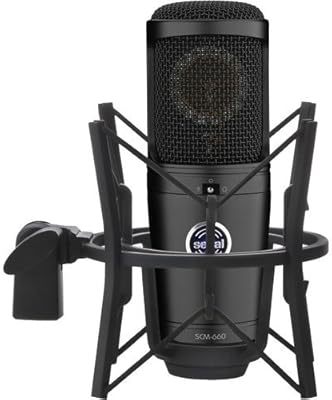
Senal SCM-660 Large-Diaphragm Condenser Microphone
71%
83%
Sound Quality
91%
Polar Pattern Versatility
86%
Build Quality
78%
Noise Performance
88%
SPL Handling
More
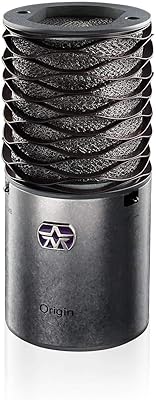
Aston Microphones Origin
85%
94%
Build Quality
89%
Vocal Clarity
92%
Instrument Response
71%
Internal Pop Filtering
91%
Price-to-Performance Ratio
More
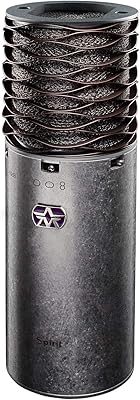
Aston Microphones Spirit Large-Diaphragm Condenser Microphone
85%
93%
Sound Quality
96%
Build Quality
89%
Polar Pattern Versatility
88%
Built-in Pop Filter
84%
Value for Money
More
Samson C01
Samson C01
84%
93%
Build Quality
86%
Vocal Clarity
82%
Ambient Noise Rejection
91%
Value for Money
74%
Internal Shock Mounting
More
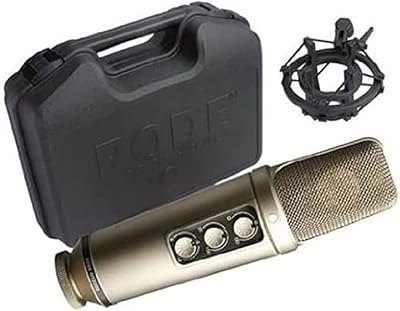
MXL 2003A Large-Diaphragm Condenser Microphone
77%
78%
Sound Character
61%
Self-Noise Level
82%
Build Quality
84%
Value for Money
86%
Included Accessories
More
Rode NT2000 Large-Diaphragm Condenser Microphone
82%
94%
Polar Pattern Versatility
91%
Control Flexibility
89%
Sound Quality
66%
Build Quality
93%
Warranty & Long-Term Value
More
Rode NTK
Rode NTK
77%
94%
Vocal Tone & Warmth
91%
Self-Noise & Signal Clarity
88%
Build Quality & Durability
54%
Stand & Mounting Requirements
61%
Ease of Setup
More
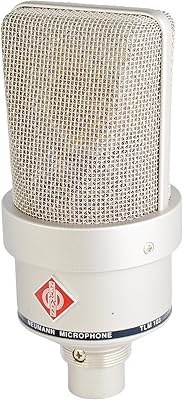
Neumann TLM 103 Large-Diaphragm Condenser Microphone
88%
96%
Sound Transparency
94%
Self-Noise Performance
93%
Build Quality
91%
SPL Handling & Headroom
83%
Sensitivity & Preamp Friendliness
More
Neumann TLM 193 Large-Diaphragm Condenser Microphone
82%
94%
Sound Transparency
91%
Self-Noise Performance
88%
Build Quality
54%
Polar Pattern Versatility
61%
Room Sensitivity
More
Rode NT1-A
Rode NT1-A
89%
93%
Acoustic Clarity
97%
Self-Noise Performance
89%
Build Durability
94%
Bundle Value
86%
High SPL Handling
More

FAQ

Yes — the SCM-800 requires an XLR audio interface or mixer that provides phantom power, none of which is included in the box. You will also need a separate XLR cable, a mic stand, and ideally a pop filter if you are recording vocals. Factor those additional costs into your total budget before purchasing.

It works fine with USB audio interfaces as long as those interfaces include an XLR input with phantom power — which most entry-level options like the Focusrite Scarlett or PreSonus AudioBox do. The mic connects via XLR only, so a USB interface with an XLR preamp is the bridge you need.

It is worth being realistic here: true condenser mics are sensitive by design, which means they pick up room reflections, echo from bare walls, and ambient noise alongside your intended source. You do not need a professional booth, but a carpeted room with soft furnishings will produce noticeably better results than a hard, live space. Acoustic panels or even heavy curtains make a real difference with this type of mic.

The large diaphragm condenser capsule in this mic delivers warmer low-mids and a more natural frequency response than most USB capsules at a comparable price can match. The tradeoff is that you need an audio interface to use it, which adds upfront cost — but that interface also gives you the flexibility to use any other XLR mic you buy down the road.

It works well for podcasting if you pair it with a basic XLR interface and record in a reasonably quiet space. The warm cardioid pickup is well-suited to spoken voice, and the 70 dB signal-to-noise ratio keeps background noise manageable. Just keep in mind that podcast listeners notice room echo quickly, so some basic acoustic treatment will go a long way.

Standard 48V phantom power is the target, which is what virtually every modern audio interface and mixer provides by default. Always confirm that the phantom power switch on your interface is toggled on before troubleshooting any missing or weak signal — it is a very common oversight for first-time users.

The included mount is functional for occasional use, but it is consistently one of the most noted weak points in buyer reviews — many describe it as feeling flimsy or imprecise. If you plan to use this mic regularly, a third-party shock mount designed for standard large diaphragm condensers is a practical early upgrade worth budgeting for.

Yes, and it handles acoustic guitar reasonably well in a semi-treated space. The large diaphragm adds warmth that suits both strummed chords and fingerpicking. Positioning toward the 12th fret rather than directly at the soundhole tends to give the most balanced result, avoiding the boomy low-end proximity effect.

The most common cause is a noisy or low-quality preamp stage on the connected interface, or phantom power that is not fully stable. Try reducing the gain on your interface and moving the mic closer to the source rather than compensating with more input gain. If the hiss persists, testing with a different interface can help isolate whether the issue is the mic or the preamp.

The SCM-800 is not discontinued — Nady Systems has kept it in production since its 2004 launch, and it remains widely available through major retailers. That long market presence means there is a solid community of users with troubleshooting experience, and Nady's direct support is available for warranty or technical concerns.

Where to Buy