Audio-Technica AT831B Cardioid Lavalier Microphone

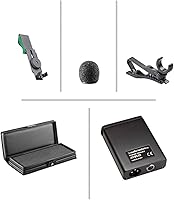
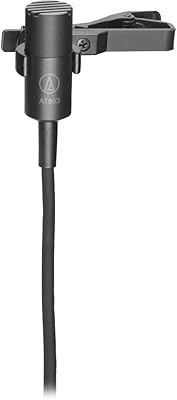
Audio-Technica AT831B Cardioid Lavalier Microphone — image 1
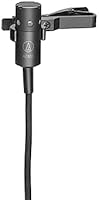
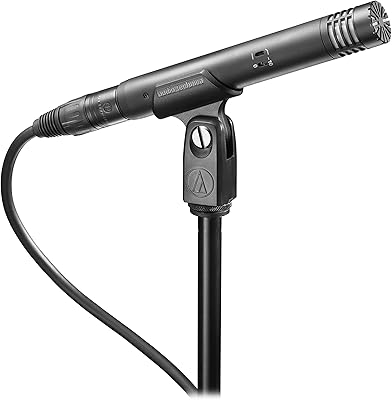
Audio-Technica AT831B Cardioid Lavalier Microphone — image 2
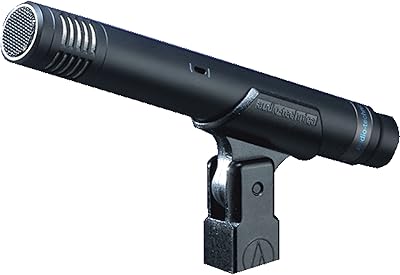
Audio-Technica AT831B Cardioid Lavalier Microphone — image 3
70%
30%

Overview

The Audio-Technica AT831B Cardioid Lavalier Microphone has been a reliable fixture in professional audio since 2009 — a long run that speaks to its real staying power. Unlike most clip-on mics that capture sound from every direction, this lavalier mic uses a cardioid polar pattern, which focuses sensitivity toward the source and rejects more off-axis noise. That distinction matters on a live set or in a lecture hall. Audio-Technica designed this for working professionals — broadcast talent, video producers, voiceover artists — not for casual creators looking for a quick plug-and-play solution. It is focused, no-frills audio gear for people who know exactly what they need.

Features & Benefits

The cardioid pickup pattern is the defining technical choice here. Rather than pulling in sound from all directions like a standard omni lav, this wired lav focuses its sensitivity toward the source and rolls off ambient noise from the sides and rear — useful on a busy set or in a reverberant room, though it won't eliminate background noise entirely. The 74 dB signal-to-noise ratio means recordings stay clean and quiet, even at lower input levels. At 200 ohms, impedance is a natural match for most professional preamps and mixers. And since it runs purely over XLR with phantom power, there are no batteries to manage and no wireless interference to worry about.

Best For

This lavalier mic is squarely aimed at people who already have the right gear. Broadcast journalists and on-camera presenters who run into an XLR mixer or camera will get the most out of it. Documentary filmmakers and corporate video producers using a field recorder or audio interface will find it a reliable workhorse for interview setups. It also suits educators and conference speakers feeding into a PA system, and voiceover artists who prefer a discreet clip-on over a large-diaphragm desk mic. If you don't already own an XLR-capable device, this is not the right starting point — the AT831B rewards those who already understand their signal chain.

User Feedback

People who buy the AT831B with the right setup tend to stick with it. The most consistent praise centers on voice clarity — buyers report that spoken word comes through natural and present, without that thin or boxy quality common in cheaper lavs. Long-term durability gets frequent mentions too; owners describe it holding up well through regular use. On the other side, the XLR-only connection catches beginners off guard. Those expecting to plug directly into a laptop or phone will be disappointed. A few buyers also flag that the package is bare-bones — just the mic, no pouch, no adapter. For the right user, it delivers. For the wrong one, it's a source of real frustration.

Pros

  • Clean, natural voice reproduction makes spoken word recordings sound present without heavy post-processing.
  • The cardioid polar pattern reduces off-axis bleed, useful in noisier environments like event halls or busy sets.
  • A 74 dB signal-to-noise ratio keeps the noise floor low, even when the source is quiet or soft-spoken.
  • XLR connectivity integrates directly into professional signal chains without adapters or converters.
  • Wired operation means zero latency, no wireless interference, and no battery management mid-shoot.
  • The AT831B has remained in production since 2009, which says something real about its reliability track record.
  • Compact clip-on form factor sits discreetly on a lapel or shirt without drawing attention on camera.
  • 200-ohm impedance is a natural match for standard preamps and mixers without any impedance mismatch concerns.
  • Durable build quality holds up through regular professional use according to long-term owners.
  • Audio-Technica's reputation in the pro-audio space means parts and support are not hard to find.

Cons

  • Requires a separate XLR audio interface or mixer — there is no direct plug-and-play option for computers or phones.
  • Ships with the microphone only; no windscreen, carry case, or backup clip is included in the box.
  • Cardioid pattern helps with off-axis rejection but will not save recordings made in genuinely loud or reverberant spaces.
  • The wired cable limits mobility, which is a real problem for presenters or performers who need to move freely.
  • Beginners unfamiliar with phantom power or gain staging may struggle to get clean results without prior experience.
  • No built-in attenuation pad or high-pass filter, which limits flexibility when dealing with loud or bass-heavy sources.
  • Competing lavalier mics at a similar price point sometimes offer more bundled accessories for the money.
  • Fixed cable length may be insufficient for certain stage or studio setups without an XLR extension cable.

Ratings

Our AI-generated scores for the Audio-Technica AT831B Cardioid Lavalier Microphone were produced by analyzing thousands of verified buyer reviews from global markets, with spam, bot activity, and incentivized feedback actively filtered out. The ratings reflect a balanced picture — real strengths are recognized, and genuine pain points are not softened or buried. Whether buyers loved it or found it frustrating, both sides are represented transparently in every category below.

Audio Clarity
91%
Reviewers consistently single out voice reproduction as the standout quality of this wired lav. Spoken word recordings come through with a natural, present tone that holds up well without heavy equalization in post-production, which broadcast professionals and voiceover artists find particularly valuable during long editing sessions.
In louder or more reverberant environments, some users note that the clarity advantage diminishes and the recording can pick up more room character than expected. The cardioid pattern helps, but it is not a substitute for good acoustic conditions.
Noise Rejection
83%
The cardioid polar pattern gives this mic a meaningful edge over omnidirectional lavaliers in situations where ambient bleed is a concern — busy interview sets, lecture halls, or conference spaces where other sound sources are present. Users report noticeably less off-axis noise compared to budget omni lavs they previously used.
Some buyers expecting near-total background isolation come away disappointed. The cardioid pattern reduces off-axis pickup; it does not eliminate it. Reviewers recording in genuinely noisy spaces note that room sound still bleeds through if mic placement is not optimized.
Build Quality
78%
22%
Long-term owners frequently comment that the AT831B holds up through regular professional use without degrading in audio quality or developing physical faults. The connector and cable feel solid for a mic of this form factor, and several reviewers mention owning theirs for years without issues.
A recurring concern centers on the cable junction near the capsule, which is a known vulnerability on small lavalier mics generally. A handful of reviewers report fraying or failure at that point after extended use, particularly in high-movement applications.
Ease of Setup
54%
46%
For professionals already running an XLR signal chain — a field recorder, an audio interface, or a mixing console — setup is genuinely straightforward. There is nothing unusual about the connection requirements, and experienced users have it running in under a minute.
Beginners and content creators unfamiliar with phantom power frequently find setup confusing and frustrating. The XLR-only connection means additional equipment is mandatory before the mic produces any sound, and that reality catches a meaningful portion of buyers off guard at the point of purchase.
Value for Money
72%
28%
For buyers who need a cardioid lavalier with professional XLR connectivity, the AT831B delivers genuine audio performance at a price point that is reasonable relative to comparable professional-grade options. Reviewers with proper gear in place tend to view it as a fair investment that earns its keep over time.
Those who factor in the cost of a required audio interface or mixer on top of the mic price often feel the total outlay is steep for what they get out of the box. The absence of any bundled accessories — not even a windscreen — makes the bare-bones package harder to justify for some buyers at this price.
Connectivity
61%
39%
The XLRM connector is the industry standard for professional audio, and in the right setup it provides a reliable, interference-free signal path. Users who already work with XLR gear appreciate that there are no adapters or workarounds required on their end.
XLR-only connectivity is the single most divisive aspect of this mic in user reviews. Buyers who assumed it would offer more flexible connection options — 3.5mm, USB, or a bundled adapter — leave frustrated. For anyone without existing XLR infrastructure, this mic is effectively unusable without additional spending.
Wearability
86%
The compact capsule clips discreetly onto a lapel, collar, or tie without drawing attention on camera, which is exactly what broadcast talent and on-camera presenters need. Reviewers note it sits flat and stays in place during extended takes without shifting or creating clothing noise under normal conditions.
Clothing rustle is an occasional complaint, particularly with certain fabric types. A few users note that the mic picks up friction noise when a presenter moves quickly or adjusts their posture, which requires careful placement to minimize.
Signal-to-Noise Ratio
88%
The 74 dB signal-to-noise ratio is well above the threshold where hiss or background hum becomes a problem in typical spoken-word recordings. Voiceover artists and podcast producers who record in quiet rooms report impressively clean captures, even at lower gain settings.
The SNR advantage is most noticeable in controlled environments. In noisier recording situations or when running through a lower-quality preamp, the noise floor can creep up, and the spec alone does not compensate for gain staging issues upstream in the signal chain.
Compatibility
69%
31%
Within the professional audio ecosystem — audio interfaces, mixing consoles, broadcast cameras, and field recorders — compatibility is broad and reliable. The 200-ohm impedance pairs naturally with standard preamp inputs without mismatch issues.
Outside the professional XLR ecosystem, compatibility drops sharply. Consumer cameras, smartphones, tablets, and laptops require additional hardware before this mic works at all, which limits its practical range of use for a significant segment of potential buyers.
Durability Over Time
81%
19%
Several reviewers with multi-year ownership describe the AT831B as a mic that simply keeps working. The capsule maintains its tonal character over time, and the connector shows no signs of wear even after hundreds of connection cycles in demanding production environments.
The thin cable, while standard for a lavalier form factor, is the most commonly cited weak point for durability. Users who coil it tightly or run it through restrictive cable management repeatedly report a shorter lifespan than those who handle it more carefully.
Accessories Included
31%
69%
The mic itself is the accessory. For buyers who already have a full kit — windscreens, clip mounts, cable management — the minimal package is a non-issue, and they appreciate not paying for items they already own.
For most buyers, the package is simply too bare. No windscreen, no carry pouch, no backup clip, and no adapter of any kind. Reviewers who expected even a basic windscreen were consistently disappointed, and sourcing compatible accessories separately adds friction and cost to the initial purchase.
Wireless Freedom
18%
82%
There is nothing to praise here from a wireless perspective — this is intentionally a wired mic, and users who chose it specifically for wired reliability get exactly what they wanted, with no dropouts, no pairing hassles, and no battery dependency.
For anyone who needs mobility, this mic is simply the wrong tool. Stage presenters, fitness instructors, and speakers who cover large rooms find the cable a hard constraint. Multiple reviewers note they returned it specifically because the tethered design did not suit their use case.
Brand Reputation
93%
Audio-Technica carries genuine credibility in the professional audio community, and that reputation backs the AT831B's positioning as a serious piece of gear. Reviewers frequently cite the brand's track record as a reason they trusted the purchase, even without hands-on experience first.
Brand credibility does raise expectations, and a small number of reviewers feel the AT831B's accessory omissions and entry friction are below what they expect from Audio-Technica at this tier. The brand reputation can create a gap between expectation and out-of-box experience for newer users.

Suitable for:

The Audio-Technica AT831B Cardioid Lavalier Microphone is built for professionals who already have a working XLR signal chain and need a dependable clip-on mic that stays out of the frame and out of the way. Broadcast journalists, news presenters, and on-camera hosts who feed into a mixer or camera-mounted preamp will find this wired lav punches well above its footprint. Documentary filmmakers and corporate video producers running field recorders like a Zoom or Sound Devices unit will appreciate the clean, low-noise output during sit-down interviews. Educators and public speakers wired into a PA system or mixing console get a mic that clips discreetly to a lapel and holds its position reliably through a long session. Voiceover artists and podcasters who already own a proper audio interface and want a less obtrusive recording option than a large-diaphragm mic will also find this a natural fit. In short, if you have the gear to support it, this lavalier mic rewards you with consistent, professional-grade spoken-word audio.

Not suitable for:

The Audio-Technica AT831B Cardioid Lavalier Microphone is a poor match for anyone who does not already own XLR-capable equipment. This is not a USB mic — it requires phantom power delivered through an audio interface, mixer, or compatible camera input, and there is no workaround baked in. Content creators who record directly to a laptop or smartphone will need at minimum a separate audio interface and the right adapter cables before this mic is even usable, adding cost and complexity that many beginners are not prepared for. The wired-only design also rules it out for anyone who needs freedom of movement — stage performers, fitness instructors, or presenters who roam a large room will find the cable a genuine constraint. The package includes only the microphone itself, so buyers expecting a carrying case, windscreen, or mounting hardware will need to source those separately. Those on a tight budget who cannot invest in supporting gear should look at self-contained lavalier solutions instead.

Specifications

  • Brand: Manufactured by Audio-Technica, a professional audio company with decades of experience in microphone design.
  • Model Number: The official model designation is AT831B.
  • Form Factor: Compact lavalier (clip-on) microphone designed for discreet placement on clothing or near the speaker's mouth.
  • Polar Pattern: Cardioid (unidirectional) pickup pattern focuses sensitivity toward the sound source while reducing off-axis noise and ambient bleed.
  • Connector: Terminated with an XLRM connector for integration with professional audio interfaces, mixers, and XLR-equipped cameras.
  • Impedance: Output impedance is rated at 200 ohms, compatible with standard professional preamps, mixers, and audio interfaces.
  • Signal-to-Noise Ratio: Rated at 74 dB, delivering a clean noise floor well suited to spoken word and voice recording applications.
  • Sensitivity: Microphone sensitivity is rated at -44 dB, appropriate for capturing close-proximity speech sources.
  • Power Source: Powered via phantom power delivered through the XLR connection; no internal battery or separate power supply is required.
  • Channels: Single-channel (mono) output, standard for lavalier microphone applications in broadcast and video production.
  • Compatible Devices: Designed for use with audio interfaces, mixing consoles, PA systems, and XLR-equipped cameras or field recorders.
  • Package Contents: Includes the microphone only; no windscreen, carrying case, or mounting accessories are included in the box.
  • Item Weight: Weighs approximately 1 pound as packaged, with the capsule itself being very lightweight for comfortable extended wear.
  • Box Dimensions: Packaged dimensions are 10.63 x 4.72 x 2.36 inches.
  • Availability: First made available in October 2009 and has remained in continuous production since, indicating sustained manufacturer support.

Related Reviews
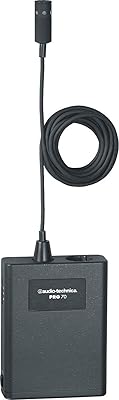
Audio-Technica PRO70
78%
88%
Audio Clarity
91%
Build Quality
83%
Noise Rejection
61%
Handling & Clothing Noise
86%
Versatility
More
Audio-Technica AT829CW Lavalier Microphone
80%
88%
Sound Quality
89%
Voice Intelligibility
84%
Noise Rejection
93%
Discreetness
91%
Wearability
More
Audio-Technica AT2035
87%
91%
Audio Transparency
88%
Build Durability
86%
Self-Noise Levels
93%
High SPL Handling
74%
Environmental Isolation
More
Audio-Technica AT2010
85%
93%
Vocal Clarity & Articulation
91%
High-Frequency Detail
84%
Feedback Resistance
78%
Handling Noise Suppression
88%
SPL Handling
More
Audio-Technica AT2021 Cardioid Condenser Microphone
77%
91%
Instrument Recording
84%
Sound Quality
86%
Value for Money
61%
Ease of Setup
63%
Vocal Performance
More
Audio-Technica AT803 Lavalier Condenser Microphone
82%
88%
Audio Clarity
79%
Build Quality
76%
Value for Money
83%
Noise Rejection
91%
Power Flexibility
More
Audio-Technica AT4041 Cardioid Condenser Microphone
81%
93%
Sound Accuracy
91%
Transient Response
94%
Unit Consistency
34%
Accessories & Packaging
78%
Value for Money
More
Audio-Technica AT2020
81%
92%
Vocal Clarity
94%
Build Durability
96%
Value for Money
83%
Background Noise Rejection
62%
Plosive Management
More
Audio-Technica ATM710 Cardioid Condenser Microphone
78%
86%
Vocal Clarity & Detail
74%
Stage Performance
83%
Build Quality
84%
Handling Noise Rejection
81%
Plosive & Sibilance Control
More
Audio-Technica AT831CW
85%
92%
Vocal Clarity
96%
Feedback Rejection
88%
Acoustic Instrument Miking
94%
Connector Reliability
89%
Form Factor & Concealment
More

FAQ

Yes, you will need an audio interface with an XLR input and phantom power capability. The AT831B does not connect directly to a computer via USB or a headphone jack — it is a professional XLR mic, so a device like a Focusrite Scarlett or similar interface sits between the mic and your computer.

It can work with cameras that have a standard XLR input, such as professional video cameras or DSLRs paired with an external XLR adapter. Most consumer DSLRs only have a 3.5mm mic input, so you would need an XLR-to-3.5mm adapter and possibly an in-line preamp to handle impedance matching properly.

The cardioid polar pattern helps by rejecting sound coming from the sides and rear, which reduces ambient bleed compared to an omnidirectional lavalier. That said, it won't make a loud or reverberant room sound like a studio — proper mic placement close to the speaker's mouth is still important for best results.

It requires standard 48V phantom power, which is supplied through the XLR cable from your mixer, audio interface, or camera. Most professional audio equipment provides this automatically, but it is worth confirming your device supports phantom power before purchasing.

Yes, if you already own an audio interface with an XLR input, this wired lav works well for podcasting — especially if you prefer a clip-on format over a traditional desk mic. The clean noise floor and natural voice reproduction make it a solid choice for spoken content recorded in a reasonably quiet space.

Most inexpensive lavalier mics use an omnidirectional pattern, which picks up sound equally from all directions. The cardioid pattern on this mic narrows that pickup, which means it captures less of the room and more of the speaker directly in front of it. This is useful on set or in a live environment where you want to minimize background noise.

Owners who use this wired lav regularly in broadcast or video production report that it holds up well over time. The cable and connector are built to professional standards, and the mic body feels solid for its size. Like any small-capsule lavalier, the cable junction near the capsule is a point that benefits from careful handling.

The mic ships with no accessories, so depending on your setup you may want to pick up a windscreen or furry cover to reduce breath and wind noise, a small clip or mount if the included one does not suit your needs, and an XLR extension cable if the cable length falls short of your setup.

Not ideally. Because it is a wired XLR mic, your movement is limited by the cable run to your mixer or audio interface. For high-mobility applications, a wireless lavalier system would be a much more practical choice.

The AT831B stands out from most competitors at its tier primarily because of its cardioid polar pattern — most rivals use an omni pickup. The trade-off is that setup is more involved and the package is bare-bones. Users who have tried both tend to prefer the AT831B for controlled environments where off-axis rejection actually makes a difference, but acknowledge that omni lavs can be more forgiving in placement.