Overview

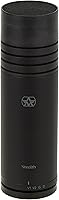
The Aston Microphones Stealth Condenser Microphone comes from UK-based Aston, a brand with a reputation for unconventional engineering. At its price point, the Stealth microphone competes confidently with condensers that cost considerably more — largely thanks to one genuinely unusual feature: four discrete signal paths, each shaped by the Aston 33 panel of working engineers, producers, and artists. This wasn't a marketing exercise; those voices defined real tonal characters into each setting. Add in the dual active/passive modes with autodetect phantom power, and you have a condenser mic built for people who need real versatility from a single piece of gear.
Features & Benefits

What separates the Aston Stealth from most condensers in its class isn't one big feature — it's how those features combine. The four voice modes are genuinely distinct; switching between them isn't like adjusting an EQ, because each setting runs through its own completely separate circuit. That matters in practice. One mode might suit a bright vocal, another a warmer acoustic instrument, another a broadcast-style voice. The built-in Class-A preamp delivers up to 50 dB of additional gain, which means you can get a usable signal from an interface that would otherwise struggle. The autodetect 48V function handles mode-switching automatically. The cardioid pattern's strong off-axis rejection adds real value in less-than-ideal acoustic environments, and the 80 dB signal-to-noise ratio keeps background noise from creeping into your recordings.

Best For

The Stealth microphone was built with versatility in mind, and that's exactly who it suits best. Home studio owners who record multiple sources — vocals, acoustic guitar, voiceover, even podcasting — will appreciate having tonal flexibility in a single chassis rather than buying several mics. Live performers and broadcast professionals will find the built-in gain particularly useful when dealing with lower-output interfaces. Intermediate-to-advanced users making the jump from an entry-level condenser will notice real headroom. Acoustically imperfect spaces are where the tight cardioid pattern earns its keep, cutting bleed from nearby sources. That said, this condenser mic isn't aimed at beginners — if you're not familiar with XLR signal chains and phantom power, there are more approachable starting points.

User Feedback

Buyers consistently praise the tonal variety the voice modes offer — most report that at least two of the four settings feel immediately useful for their workflow, which is a solid hit rate for a feature this unconventional. The solid build quality gets frequent mention; the mic feels substantial, not cheap. Where feedback gets more nuanced is around choosing the right mode without much guidance from the documentation. A smaller number of users have flagged minor gain-staging quirks when pairing the Aston Stealth with certain budget interfaces in passive mode. Compared to similarly priced rivals, most buyers feel it holds its own — particularly for those who genuinely need one mic for multiple roles rather than a single specialized tool.

Pros

  • Four genuinely distinct voice modes — not EQ presets — give you real tonal range from a single mic.
  • The built-in Class-A preamp delivers up to 50 dB of gain lift, helping mid-range interfaces punch well above their usual ceiling.
  • Autodetect 48V phantom power switches between active and passive modes automatically, removing a frustrating manual step.
  • Strong off-axis rejection makes the Aston Stealth practical in untreated rooms and noisy stage environments.
  • An 80 dB signal-to-noise ratio translates to cleaner recordings with less corrective work needed in post.
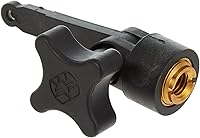
  • The quick-release mic stand mount is a time-saving inclusion that many competitors in this price range skip.
  • Voice modes were shaped by a real panel of 33 working engineers and artists, giving each setting a credible tonal identity.
  • Covers studio, live, and broadcast use cases without forcing obvious sonic compromises between them.
  • Solid, substantial build quality that feels proportionate to the investment.
  • Works as a capable podcasting and broadcast mic without requiring additional outboard gain equipment.

Cons

  • No clear documentation explains which voice mode works best for which recording scenario, leaving users to experiment.
  • XLR-only connectivity means a separate audio interface is required before you can use this condenser mic at all.
  • At nearly 1 kg, the weight may strain lighter or cheaper mic stands during extended sessions.
  • The built-in preamp is a useful safety net with weaker interfaces, but it does not replace the transparency of a dedicated high-end preamp.
  • Users upgrading from dynamic mics may need an adjustment period to manage the condenser's higher sensitivity to room noise.
  • Minor gain-staging quirks have been reported when pairing the Stealth microphone with certain budget interfaces in passive mode.
  • Four voice modes is a genuinely strong concept, but without clearer labeling or a practical use-case guide, selection can feel like guesswork.
  • No carrying case or protective storage pouch is included despite the mic's size and the price point.

Ratings

The Aston Microphones Stealth Condenser Microphone scores below were generated by AI after analyzing thousands of verified buyer reviews from global markets, with active filtering applied to remove spam, bot-generated, and incentivized submissions. The result is a balanced picture that reflects both where the Stealth microphone genuinely excels and the real-world friction points that affect everyday ownership. No category has been softened — the scores reflect the full spectrum of documented user experience.
Sound Quality
88%
Buyers consistently describe recordings through the Aston Stealth as detailed and full-bodied, particularly when capturing vocals and acoustic instruments. The 80 dB signal-to-noise ratio pays off in practice — tracks come back clean with a noise floor low enough that post-production cleanup is rarely needed. For its price tier, the sonic output regularly surprises first-time users.
Certain voice modes can lean toward a slightly forward or clinical character that requires careful EQ in the mix, particularly on brighter vocal performances. The sound also responds noticeably to room quality, meaning untreated spaces can expose the mic's sensitivity to early reflections in ways a less detailed condenser would mask.
Voice Mode Versatility
84%
The four discrete signal paths are the mic's most talked-about feature, and for good reason — most buyers report finding at least two modes that immediately suit their regular recording scenarios. Whether switching between a warm vocal tone and a brighter acoustic capture, the flexibility genuinely reduces the need for multiple microphones in a home studio context.
The biggest recurring complaint is that Aston provides almost no practical guidance on which mode works best for which application, leaving users to experiment largely by trial and error. Buyers with less recording experience find this time-consuming and occasionally frustrating, especially during the first weeks of ownership when expectations are highest.
Built-in Preamp
86%
The integrated Class-A preamp is genuinely useful for anyone running a mid-tier audio interface that lacks strong gain headroom. Buyers regularly note that the autodetect 48V activation means there is nothing to configure — it simply works, delivering a clean and substantial signal lift that makes this condenser mic accessible to a wider range of existing setups.
Users with high-quality dedicated interfaces quickly point out that the built-in preamp adds limited value to their workflow and can occasionally introduce a subtle coloration that interacts with their existing signal chain. It is a feature best appreciated by those working with modest gear rather than experienced engineers who already own premium front-end equipment.
Build Quality
91%
The Stealth microphone's physical construction earns consistent praise across buyer feedback — it feels weighty and solid in hand, with mode switches that operate with a reassuring, precise click rather than the loose feel common in cheaper condensers. Multiple buyers note it feels like a professional instrument rather than a product engineered down to a price.
The substantial weight of nearly 1 kg can cause lighter boom stands to drift or tilt over extended sessions, which is a recurring frustration for users who have not yet upgraded their stand hardware. A smaller number of buyers also note that the mic's overall dimensions make it slightly awkward to position in tighter recording setups.
Value for Money
83%
Most buyers feel the Aston Stealth punches well above its price point — particularly those who factor the built-in preamp in as a cost offset against needing a more expensive interface. Getting four distinct tonal characters from a single mic rather than purchasing multiple condensers for different sources is a value argument that resonates strongly across the user base.
A meaningful portion of buyers feel the absence of a shock mount and any carrying or storage solution is a genuine shortcut at this price, especially when comparable competitors often include more in the box. For some users the true cost of ownership rises noticeably once those essential accessories are sourced and added.
Off-Axis Rejection
87%
The cardioid pattern's off-axis performance is a consistent highlight for buyers recording in untreated home studios or on stage. Users report noticeably reduced room reflections and stage bleed compared to their previous microphones, making the Aston Stealth practical in spaces that would otherwise expose a more diffuse or poorly focused polar pattern.
A smaller number of users recording in very reverberant rooms note that even strong off-axis rejection cannot fully compensate for the absence of acoustic treatment — the mic's high sensitivity still picks up enough room to make the recording environment clearly audible, which is a fundamental characteristic of condenser microphones generally.
Setup & Usability
72%
28%
For buyers already familiar with XLR signal chains and phantom power, getting this condenser mic up and running is fast and intuitive. The autodetect phantom power system removes one configuration step entirely, and the quick-release stand mount gets you positioned and recording without fumbling with tools or searching for compatible thread adapters.
Buyers new to condenser microphones or XLR-based setups consistently report a steeper-than-expected learning curve, particularly around understanding how the four voice modes differ and how the active-to-passive switching works under real conditions. The absence of a clear setup guide or practical mode-selection reference in the documentation remains the most cited usability complaint.
Gain Handling
82%
18%
The 50 dB autogain lift is a genuine differentiator when pairing the Aston Stealth with mid-range interfaces that normally struggle with quieter sources such as acoustic instruments or softer vocal performances. Broadcast professionals in particular report that the consistent gain output helps maintain a reliable signal level across long recording or streaming sessions.
Users running premium audio interfaces often find the built-in gain stage adds an unnecessary step to their chain, and several report needing to carefully dial back input levels to avoid clipping when both the mic preamp and the interface preamp are contributing gain simultaneously — a gain-staging discipline issue that takes some adjustment.
Noise Floor
85%
The 80 dB signal-to-noise ratio translates directly into recordings that need very little noise reduction or cleanup work in the mix. Podcasters and voiceover artists in particular report clean, broadcast-ready tracks from their DAW with a noise floor low enough to support quiet, intimate vocal performances without background hiss becoming a problem in post.
In fully passive mode — without the built-in preamp active — some users report that the noise floor becomes more perceptible, particularly when paired with interfaces that have a weaker gain stage. This is a niche scenario but worth noting for users who intentionally work without phantom power or who need the mic to perform equally in both operating modes.
Live Performance
76%
24%
Live performers who have taken the Stealth microphone on stage report that the cardioid pattern handles monitor bleed better than expected for a condenser, and the self-contained gain system reduces dependence on a well-configured front-of-house desk. For broadcast-style live applications such as streaming setups or controlled stage environments, it performs particularly reliably.
Condensers are inherently more susceptible to handling noise, vibration, and sudden loud transients than dynamic microphones, and the Stealth microphone is no exception in an energetic live environment. Several stage users report that without a shock mount — which is not included in the box — handling rumble and stand-transmitted vibration can be a persistent issue.
Studio Recording
89%
In a studio context, this condenser mic earns its strongest reviews. Vocalists, acoustic guitar players, and voiceover artists consistently describe captures that feel full, present, and professional — noticeably above what most buyers expected at this price point. The frequency response extending to 20 kHz preserves transient detail and air without introducing harshness at the top end.
Studio users working in untreated rooms quickly discover that the mic's sensitivity cuts both ways — it captures room noise and reflections with the same resolution it brings to the source. Buyers recording in acoustically bare home studios may need to invest in basic room treatment before the Aston Stealth can truly perform at the top of its capability.
Interface Compatibility
74%
26%
For the majority of buyers running mainstream audio interfaces with 48V phantom power support, the Aston Stealth works reliably out of the box with no configuration required. The autodetect system correctly identifies the phantom power state across a wide variety of interface brands and models in almost all documented cases.
A recurring pattern in user feedback flags minor compatibility issues when operating the mic in passive mode with very budget-tier interfaces, where gain-staging can become unpredictable. The XLR-only connection also excludes a growing segment of home studio users who rely entirely on USB audio setups — a hard limitation with no practical workaround.
Documentation
53%
47%
Basic setup steps for getting the mic physically connected and operational are covered adequately in the included materials, and buyers with prior audio experience find the hardware itself largely self-explanatory. The quick-release mount mechanism in particular is intuitive enough that it requires no written guidance at all.
The documentation's most significant gap is around the voice mode system — arguably the defining feature of the mic — which receives almost no practical guidance whatsoever. Buyers across multiple markets consistently identify the absence of a clear mode-by-mode use-case reference as the single most frustrating aspect of the entire ownership experience.
Included Accessories
61%
39%
The quick-release mic stand mount that ships with the Aston Stealth is a quality inclusion — it is sturdy, attaches quickly, and fits standard mic stand threading without any compatibility issues. Buyers who already own a compatible shock mount and a solid boom stand find the out-of-box experience perfectly functional for immediate use.
The absence of a shock mount at this price point is a widely voiced disappointment, particularly given that vibration isolation matters more with a sensitive condenser than with most other microphone types. The complete lack of any carrying or storage solution also means buyers need to source their own protective option to safely store or transport the mic long-term.

Suitable for:

The Aston Microphones Stealth Condenser Microphone is built for users who want genuine tonal flexibility without managing a cabinet full of microphones. Home studio owners who move between recording vocals, acoustic instruments, and voiceover work will find the four discrete voice modes particularly valuable — it's the difference between having one adaptable tool and buying three specialized ones. Podcasters and broadcast professionals benefit from the built-in Class-A preamp, which provides enough gain headroom to work comfortably with mid-range interfaces that would otherwise fall short. Live performers who need a dependable condenser on stage will appreciate both the cardioid pattern's rejection of ambient noise and the autodetect phantom power that removes one more variable from setup. This mic genuinely rewards intermediate-to-advanced users who understand signal chains and want to invest in something with professional-grade headroom rather than outgrow it within a year.
Not suitable for:

The Aston Microphones Stealth Condenser Microphone is not the right starting point for someone new to recording. If you need a microphone that plugs directly into a laptop with no additional gear, the Stealth microphone's XLR-only connection requires an audio interface you may not yet own — and that adds real cost to the total setup. The four voice modes, while genuinely useful, assume you know enough about your recording context to choose between them; without that knowledge, they become a source of confusion rather than a benefit. Buyers who already own a high-quality audio interface with strong onboard preamps may also find the built-in gain feature largely redundant. And anyone expecting a lightweight, portable option should note that at nearly 1 kg, this condenser mic is built to stay on a stand, not travel light.
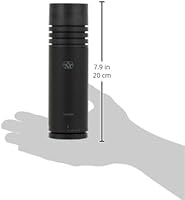
Specifications

  • Microphone Type: Cardioid condenser microphone engineered for use across studio recording, broadcast, and live stage environments.
  • Polar Pattern: Unidirectional (cardioid) pattern with strong off-axis rejection to minimize bleed from sounds arriving outside the pickup zone.
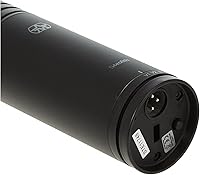
  • Connector: Standard XLR output connector, compatible with professional audio interfaces, mixing consoles, and standalone preamp units.
  • Voice Modes: Four discrete signal paths, each a fully independent circuit with its own tonal character rather than a filter or EQ overlay.
  • Built-in Preamp: Integrated Class-A microphone preamp delivers up to 50 dB of autogain lift when the mic operates in active mode.
  • Phantom Power: Autodetect 48V phantom power sensing switches the mic between passive and active modes automatically with no manual input required.
  • Signal-to-Noise: 80 dB signal-to-noise ratio produces clean, low-noise recordings across a wide range of sources and acoustic environments.
  • Frequency Response: Full-range response spanning 20 Hz to 20 kHz, capturing low-end body and high-frequency detail across vocals and instruments alike.
  • Weight: 0.98 kg (2.16 lbs), a solid and substantial build that reflects the use of quality internal components rather than lightweight plastic construction.
  • Dimensions: 10 x 5 x 4 inches, a form factor best suited to fixed studio stand use rather than compact or portable travel configurations.
  • Power Source: Powered entirely via phantom power from a connected audio interface; no internal batteries are required for any operating mode.
  • Box Contents: Ships with the microphone body and a quick-release mic stand mount; no XLR cable or shock mount is included in the packaging.
  • Color: Matte black finish with a clean, understated aesthetic suited to professional studio and broadcast environments.
  • Brand Origin: Designed and developed by Aston Microphones, a UK-based manufacturer known for its unconventional engineering approach and quality control.
  • Voice Panel: All four voice mode characters were developed in collaboration with the Aston 33, a curated panel of 33 professional engineers, producers, and recording artists.

Related Reviews
Aston Microphones Origin
85%
94%
Build Quality
89%
Vocal Clarity
92%
Instrument Response
71%
Internal Pop Filtering
91%
Price-to-Performance Ratio
More
Aston Microphones Spirit Large-Diaphragm Condenser Microphone
85%
93%
Sound Quality
96%
Build Quality
89%
Polar Pattern Versatility
88%
Built-in Pop Filter
84%
Value for Money
More
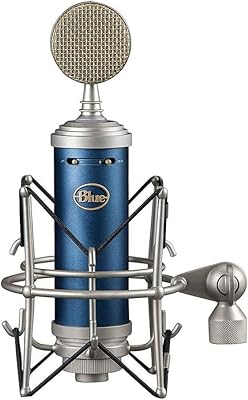
Blue Blueberry Cardioid Condenser Microphone
79%
93%
Tonal Character
91%
Vocal Performance
89%
Build Quality
94%
Capsule Quality
71%
Preamp Compatibility
More
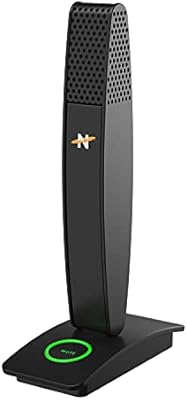
Neat Microphones Skyline USB Desktop Condenser Microphone
89%
94%
Audio Quality
91%
Ease of Use
89%
Build Quality
90%
Mute Button Functionality
92%
Value for Money
More
Blue Bluebird SL Condenser Microphone
75%
91%
Vocal Sound Quality
88%
Build Quality
79%
Value for Money
54%
Ease of Setup
74%
Noise Rejection
More
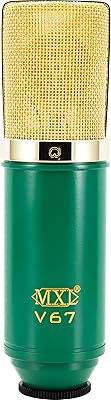
MXL V67G Large-diaphragm Condenser Microphone

77%
83%
Sound Quality
88%
Value for Money
76%
Build Quality
61%
Ease of Setup
74%
Noise Performance
More
AKG C1000S Small-Diaphragm Condenser Microphone
78%
88%
Build Quality
74%
Sound Quality
83%
Versatility
81%
Battery Power
71%
Value for Money
More
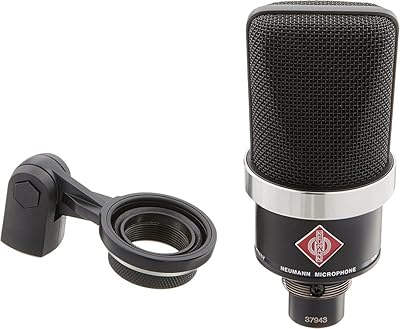
Neumann TLM 102
Neumann TLM 102
86%
93%
Vocal Clarity & Presence
97%
High SPL Handling
89%
Build Quality & Durability
86%
Form Factor & Size
88%
Noise Rejection & Isolation
More
Sennheiser MKH 8040 Condenser Microphone
83%
97%
Sound Accuracy
94%
Self-Noise Performance
91%
Polar Pattern Consistency
89%
Build Quality
63%
Value for Money
More
Shure MV5
Shure MV5
81%
83%
Audio Quality
91%
Build Quality
96%
Ease of Setup
78%
Recording Modes
74%
Noise Rejection
More

FAQ

Not necessarily, and that's one of the more practical things about the Aston Stealth. The built-in Class-A preamp activates automatically when it detects 48V phantom power, adding up to 50 dB of gain — which means a mid-range interface that would normally struggle with quieter sources can still deliver a clean, usable signal. That said, the built-in preamp isn't a replacement for a genuinely high-quality interface preamp; if you already own something with strong gain headroom, you may rarely need it. For most home studio setups, though, it meaningfully extends what your existing gear can do.

Each mode is a fully separate signal path with its own independent circuit — not an EQ curve applied on top of a single signal. In practice, that means switching modes genuinely changes the character and texture of the sound, not just the brightness or warmth. Some modes lean toward a present, controlled broadcast tone; others open up more, adding air or a slightly vintage quality. The right choice depends heavily on your source material, your room, and your own ears, so a short comparison session with each setting is the most reliable way to find your go-to.

No — the box contains only the microphone and a quick-release mic stand mount. If you're recording in a studio environment where vibration from a shared desk or wooden floor is a concern, a compatible shock mount purchased separately is worth adding to your setup. It's a real additional cost that's easy to overlook when budgeting.

It was designed for both, and the engineering backs that up. The cardioid pattern's off-axis rejection helps manage stage bleed from monitors and nearby instruments, and the built-in preamp means you don't always need a high-gain console channel. One honest caveat: condensers are inherently more sensitive to handling noise and ambient interference than dynamic mics, so solid stand technique and careful placement matter more in a live environment than they do in a treated studio.

This is the question most buyers wish the manual answered more clearly. The most practical approach is to record a short clip with each mode in sequence and compare them directly in your DAW. Broadly speaking, one mode tends to suit broadcast and spoken-word content, while the others shift progressively toward more open or instrument-friendly tonal characters. Your voice, your room acoustics, and your interface all influence which setting lands best — so there's no shortcut to a quick listening test.

In most cases, yes. The autodetect phantom power system means that as long as your interface supports 48V, the built-in preamp kicks in automatically and gives the mic a much stronger output than a standard passive condenser. A small number of users have flagged minor gain-staging quirks with certain very entry-level interfaces when operating in passive mode, so if you're working with the most basic gear available, it's worth confirming compatibility before purchasing.

It works well for podcasting, particularly if you're recording in a space with at least basic acoustic treatment. The cardioid pickup pattern helps reject ambient noise, and the ability to select a voice mode that flatters spoken-word content is something a fixed-character condenser simply can't offer. For podcasters who also record music or instruments in the same space, the added versatility makes this condenser mic an especially strong option since it adapts across applications without requiring a second microphone.

At just under 1 kg (2.16 lbs), the Stealth microphone is noticeably heavier than many condensers in its price range. Most standard boom stands will hold it, but lighter or cheaper models may drift or droop over time under sustained weight. A solid, counterweighted boom stand is the better pairing for regular studio use.

You can switch at any point, but each mode has its own output level since each is a fully independent circuit — so some variation in signal strength between settings is normal. A quick gain check after switching is good practice, especially during a recording take rather than a monitoring session. In a live context, mid-performance switching is possible but requires some advance planning around your gain structure at the desk or interface.

It holds its own well, largely because the combination of built-in gain and a four-mode switching system is genuinely uncommon at this price point — most direct competitors offer neither. Where buyers occasionally feel rivals pull ahead is in tonal simplicity: a single well-voiced condenser can feel more immediately dialed-in than a multi-mode mic that requires some upfront experimentation. But for anyone who needs one mic to cover vocals, instruments, podcasting, and broadcast work without compromise, the Stealth microphone is difficult to beat for the money.