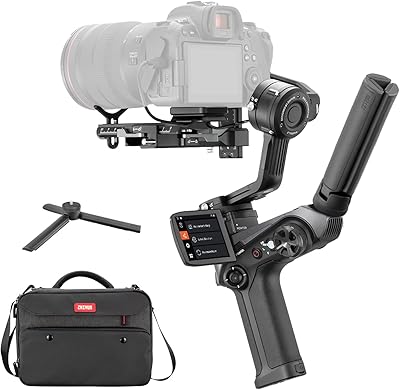
Zhiyun Crane 2S 3-Axis Gimbal Stabilizer
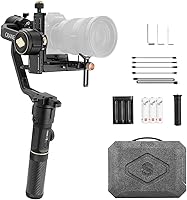
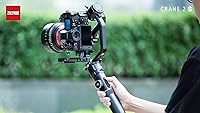
Overview
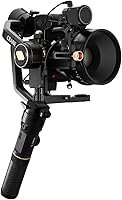
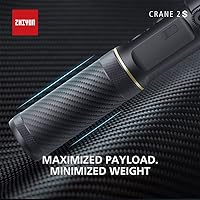
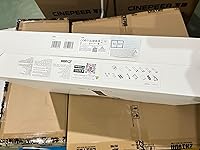
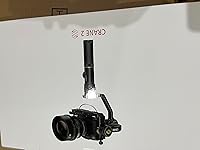
The Zhiyun Crane 2S 3-Axis Gimbal Stabilizer entered a crowded professional stabilizer market in mid-2020 with a clear target user in mind: filmmakers pushing heavier cameras like full-frame mirrorless bodies and cinema rigs that lighter consumer gimbals simply can't handle reliably. Built around a carbon fiber handle, it has a solid, premium feel in hand — dense but not flimsy, purposeful rather than flashy. That said, at 4.14 lb without a battery and folding down to roughly 17.83 inches, this is not a lightweight travel companion. It's a workhorse stabilizer built for shooters who already know what they need and are willing to climb a learning curve to get it.
Features & Benefits
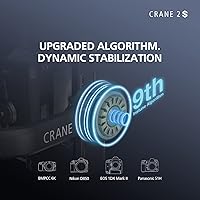
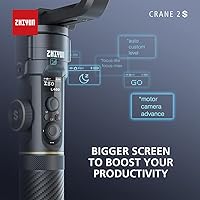
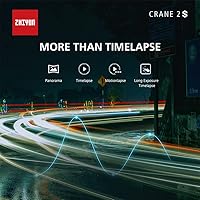
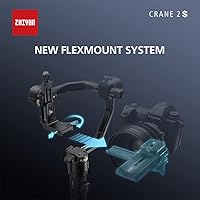
What separates the Crane 2S from older or lighter stabilizers is how Zhiyun reworked the motor control algorithms to handle genuinely heavy payloads — think the BMPCC 6K or Panasonic S1H mounted and balanced without constant fighting or drift. The six shooting modes, from a basic pan-follow to the acrobatic Vortex and snappy Go mode, cover enough real-world scenarios that most shooters won't hit a wall creatively. The 0.96″ OLED display is a practical improvement over the tiny screens on earlier models, making on-the-fly menu changes faster between setups. Three built-in extension screw holes let you attach a monitor, microphone, or follow focus without jury-rigging adapters. Just note that TransMount Image Transmission — which enables remote focus and zoom control — is a separate purchase, not included in the box.
Best For
This stabilizer makes the most sense for working video professionals — cinematographers, documentary shooters, and event videographers who regularly use larger camera bodies and can't afford the jitter of a lesser rig mid-take. If your workflow involves frequent accessory changes, on-set monitoring, or focus pulling during live shots, this gimbal has the architecture to support all of that. It's also a logical step up for videographers who've outgrown a lighter consumer model and need a higher payload ceiling without switching brands entirely. Users already in the Zhiyun ecosystem will find the TransMount compatibility particularly useful, assuming they're willing to invest in that additional system.
User Feedback
With a 4.1 out of 5 rating across 122 reviews, the Crane 2S earns genuine respect — but it's not without friction. Users consistently praise the stabilization under load, noting it holds steady with heavier cameras where comparable gimbals struggle. Build quality and the axis-locking mechanism also draw positive mentions, particularly from shooters who transport the rig frequently. On the other side, initial setup complexity comes up often — balancing a heavy body on this stabilizer takes patience, and the advanced modes aren't intuitive without time spent in the manual. A handful of users also flag battery duration as a concern during long shooting days. The OLED screen gets modest appreciation — useful, but not transformative.
Pros
- Handles heavy DSLR and cinema-style cameras with steady, reliable motor performance across varied shooting conditions.
- Six distinct shooting modes cover everything from basic follow shots to advanced 360-degree Vortex moves.
- Carbon fiber handle gives the rig a premium, confidence-inspiring feel during extended professional use.
- The two-phase axis locking system keeps arms firmly in place during transport, protecting both the gimbal and mounted gear.
- Three built-in extension screw holes make it practical to build out a full accessory rig without custom adapters.
- The 0.96″ OLED display makes cycling through menus noticeably faster compared to earlier Zhiyun models.
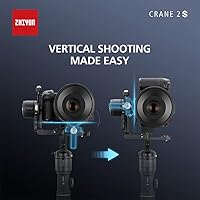
- Vertical mounting support is included natively, useful for creators producing content for mobile-first platforms.
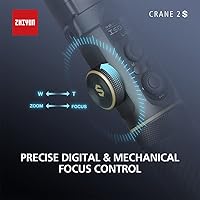
- TransMount ecosystem compatibility opens up meaningful remote focus and zoom control for narrative production workflows.
- Solid build quality holds up well to the physical demands of regular on-location professional use.
Cons
- Initial balancing with heavier camera bodies is time-consuming and genuinely frustrating for new users.
- Advanced shooting modes require significant practice before they produce usable, professional-quality footage.
- Battery life under full load with heavy rigs falls noticeably short during all-day or multi-session shoots.
- Motor noise at or near maximum payload can bleed into on-camera audio in quiet shooting environments.
- The TransMount Image Transmission System — needed for remote focus and monitoring — is sold separately, adding unexpected cost.
- Total rig weight with a heavy camera and accessories causes real arm fatigue during extended solo handheld operation.
- Some plastic components around the arm joints feel inconsistent with the otherwise premium carbon fiber construction.
- Switching between different camera bodies frequently means re-balancing each time, which disrupts fast-paced shooting schedules.
- The OLED screen, while improved, remains small enough that navigating deep menus with gloves or large hands is awkward.
Ratings
The scores below reflect an AI-driven analysis of verified global user reviews for the Zhiyun Crane 2S 3-Axis Gimbal Stabilizer, with spam, bot-generated, and incentivized feedback actively filtered out to protect integrity. Each category is scored based on patterns surfaced from real buyer experiences across multiple markets, capturing both where this stabilizer genuinely excels and where it consistently falls short. Nothing is glossed over — the pain points carry the same weight as the praise.
Stabilization Performance
Build Quality
Setup & Balancing
Ease of Use & Learning Curve
Motor Power & Payload Handling
OLED Display & Interface
Axis Locking Mechanism
Accessory Mounting & Expandability
Battery Life
TransMount Compatibility
Portability & Weight
Shooting Mode Variety
Value for Money
Vertical Mounting Support
Suitable for:
The Zhiyun Crane 2S 3-Axis Gimbal Stabilizer is built squarely for working video professionals who regularly shoot with heavier camera bodies and cannot afford instability in their footage. Cinematographers pairing it with cinema-grade cameras like the BMPCC 6K or full-frame mirrorless bodies like the Panasonic S1H will find the motor power and payload handling genuinely reassuring. Documentary and event videographers who need to switch between shooting modes quickly — without stopping to dig through app menus — will appreciate having six accessible modes on a single device. Studio and set environments benefit especially from the three accessory mounting points, which allow a practical multi-accessory rig without improvised rigging solutions. Videographers who have already outgrown a lighter consumer gimbal and need a higher payload ceiling will find this stabilizer a logical and meaningful upgrade, particularly if they are already within the Zhiyun product ecosystem.
Not suitable for:
The Zhiyun Crane 2S 3-Axis Gimbal Stabilizer is a poor fit for beginners or casual content creators who expect a plug-and-play experience straight out of the box. The balancing process alone can take 30 minutes or more with an unfamiliar camera body, and the learning curve for advanced modes like Vortex or Full-Range POV is steep enough that inexperienced operators risk more unusable footage than usable material early on. Solo shooters working long days — weddings, full-day events, extended documentary runs — should also think carefully, as the combined weight of the gimbal and a mounted camera rig causes real arm fatigue over time, and battery life under heavy motor load falls short of all-day demands. Buyers drawn to the idea of remote focus pulling or live monitoring should know upfront that the TransMount Image Transmission System is a separate purchase and adds meaningful additional cost to the total investment. Smartphone videographers or those using lightweight mirrorless bodies with kit lenses will be paying for far more stabilizer than they actually need.
Specifications
- Stabilization Axes: The gimbal uses a 3-axis motorized stabilization system to counteract pitch, roll, and yaw movement simultaneously during handheld shooting.
- Gimbal Weight: Without battery installed, this stabilizer weighs 4.14 lb (approximately 1.88 kg), which increases meaningfully once a camera body and accessories are mounted.
- Folded Dimensions: In its folded, transport-ready configuration, the unit measures 17.83″ (l) x 9.06″ (w) x 2.68″ (h).
- Handle Material: The main handle is constructed from carbon fiber, contributing to structural rigidity while keeping the handle section lighter than comparable aluminum alternatives.
- Display: A 0.96″ OLED screen is built into the unit, allowing direct access to the full menu system and mode switching without requiring a paired smartphone app.
- Shooting Modes: Six operational modes are available: Pan Following, Locking, Following, Full-Range POV, Vortex, and Go mode, each suited to different camera movement styles.
- Axis Lock: The 3rd-generation axis locking mechanism uses a two-phase locking design that secures all three arms independently to prevent movement during storage or transit.
- Extension Points: Three standard extension screw holes are positioned on the rig to accommodate third-party accessories such as monitors, directional microphones, or follow focus systems.
- Vertical Mounting: The gimbal natively supports vertical camera mounting for portrait-orientation video without requiring any additional adapter hardware.
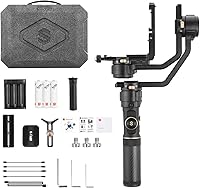
- Battery Configuration: One set of batteries is included in the standard package; the Combo version ships with two battery sets for extended field use.
- Compatible Devices: The stabilizer is designed for use with DSLR and mirrorless camera systems, including large-body cinema cameras such as the BMPCC 6K and Panasonic S1H.
- Ecosystem Support: The unit is compatible with Zhiyun's TransMount Image Transmission System, which enables remote focus pulling, zoom control, and parameter adjustment when purchased separately.
- Brand & Origin: Manufactured by Zhiyun (Zhi Yun Tech), a Chinese stabilizer specialist with an established product line spanning consumer to professional-grade gimbals.
- Release Date: The Crane 2S was first made available in August 2020, positioning it as an upgrade to the original Crane 2 with revised motors and an updated locking system.
- Market Ranking: The unit holds a Best Sellers Rank of approximately #570 in the Professional Video Stabilizers category on Amazon, reflecting a consistent mid-tier commercial footprint.
- User Rating: Based on 122 verified reviews, the stabilizer carries an aggregate rating of 4.1 out of 5, indicating strong but not universal satisfaction among buyers.
Related Reviews
ZHIYUN Crane 4 Combo 3-Axis Gimbal Stabilizer
Zhiyun Weebill S
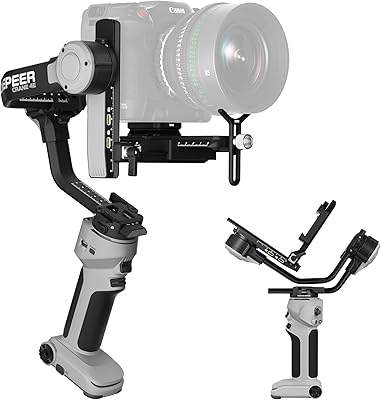
ZHIYUN Crane 4E Camera Gimbal Stabilizer
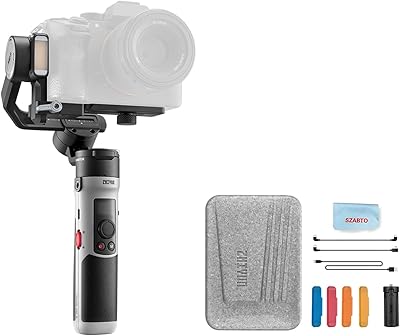
Zhiyun Crane M2S Camera Gimbal Stabilizer
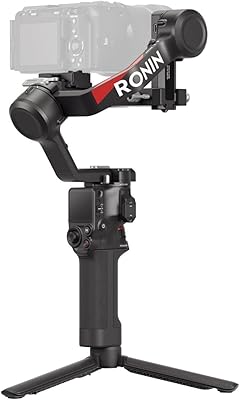
DJI RS 4 Gimbal Stabilizer
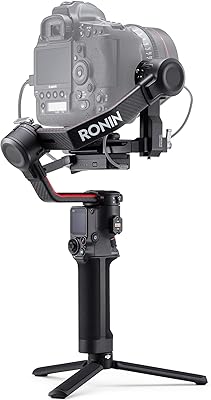
DJI RS 2 3-Axis Gimbal Stabilizer
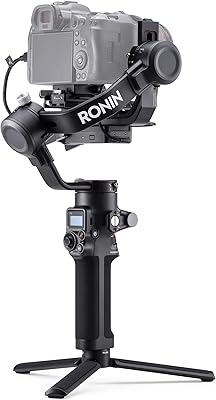
DJI RSC 2 Pro Combo 3-Axis Gimbal Stabilizer
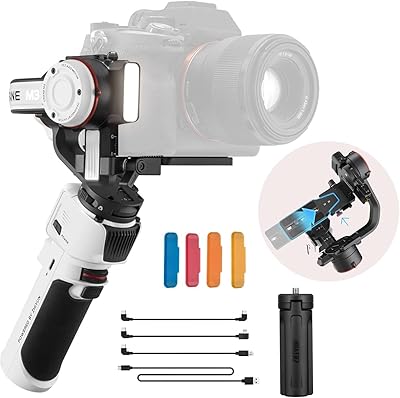
Zhiyun Crane M3 3-Axis Gimbal Stabilizer
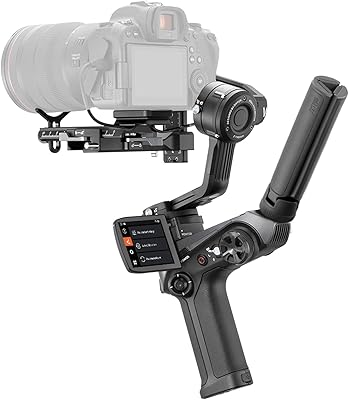
ZHIYUN Weebill 2 3-Axis Gimbal Stabilizer