Overview

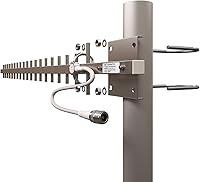
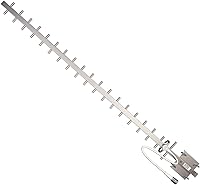
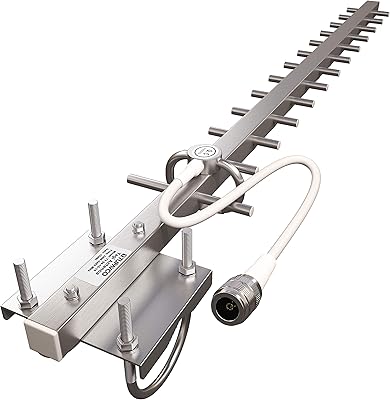
The Tupavco TP513 17dBi Yagi WiFi Antenna is a specialized outdoor directional antenna built for one job: pushing a 2.4GHz WiFi signal across long distances where a standard router simply gives up. A Yagi antenna works by focusing radio energy into a narrow beam rather than broadcasting in all directions — think of it like a flashlight versus a bare bulb. That focused approach is what makes this directional WiFi antenna useful for bridging two fixed points, not for blanket coverage. It draws no external power, relying entirely on passive RF physics. On the market since 2012, this is a proven design, not an experiment — but it does expect a technically confident user.
Features & Benefits

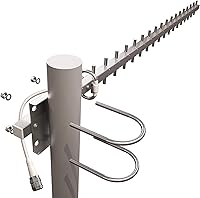
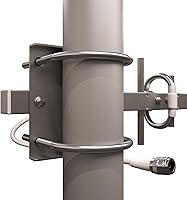
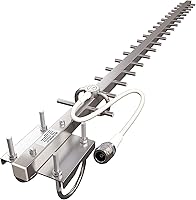
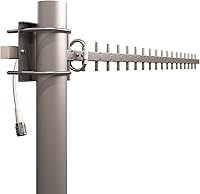
The TP513 packs a 17dBi gain into a housing that measures just 5×2×36 inches and weighs under 1.5 pounds — impressively compact for what it delivers. That gain is channeled into a tight beam of 25° horizontally and 24° vertically, which means the signal travels far but requires careful pointing. The 2.4GHz band is the right choice here; it handles obstacles and distance better than 5GHz, making it practical for outdoor runs between buildings. One important note upfront: the N-Female pigtail connector is standard but may require an adapter for your specific router or access point, so check compatibility before ordering. Mounting hardware ships in the box.

Best For

This Yagi antenna shines in scenarios where WiFi needs to travel in one fixed direction over a significant stretch of open ground. Rural property owners are an obvious fit — extending coverage from a house to a barn, workshop, or gate is a classic use case. IT installers bridging two buildings on a campus will find the gain spec genuinely useful rather than aspirational. Outdoor security camera setups and IoT sensor links are another strong match, particularly where running cable is impractical. It also works well as a directional upgrade for anyone who has hit the wall with omnidirectional antennas and needs a more focused solution for a fixed remote point.

User Feedback

Across more than 400 ratings landing at a 4.0 average, the pattern is fairly consistent: buyers who install this directional WiFi antenna with a clear line of sight between endpoints tend to be satisfied with real-world reach. Build quality gets frequent mention — the weatherproof housing holds up through wet winters and harsh sun without obvious degradation. Where frustration surfaces, it usually comes down to alignment. The beam is narrow by design, and getting it precisely aimed takes patience; a degree or two off can noticeably hurt performance. A smaller group flags gain variability when obstacles enter the path, which is expected physics, not a defect. Solid, but not foolproof.

Pros

  • 17dBi gain delivers genuine long-distance reach for fixed point-to-point wireless links.
  • Weatherproof, corrosion-resistant housing holds up reliably through harsh outdoor conditions year-round.
  • Passive design means no power cable to run — one less thing to manage during installation.
  • At under 1.5 pounds, this Yagi antenna is light enough to mount without heavy-duty hardware.
  • Operates on 2.4GHz, which handles obstacles and distance better than 5GHz in outdoor scenarios.
  • Mounting hardware is included, so you are not hunting for brackets before you can get started.
  • A long market track record since 2012 suggests the design is stable and not prone to surprise failures.
  • Compact 36-inch form factor is easy to manage on a standard outdoor pole mount.
  • Buyers consistently praise the build quality as feeling solid and appropriately rugged for the price.
  • The N-Female connector is an industry-standard interface, giving you broad compatibility with networking gear.

Cons

  • Precise beam alignment is mandatory — even a small aiming error noticeably degrades signal quality.
  • An adapter is often needed to connect the N-Female pigtail to common routers or access points, adding extra cost.
  • Real-world range depends heavily on line-of-sight; trees, buildings, or terrain can sharply reduce effective distance.
  • Covers 2.4GHz only, making it incompatible with 5GHz-only or dual-band-only networking setups.
  • The mounting pole itself is not included, which is an extra purchase many buyers do not anticipate.
  • Solo installation is awkward — aiming a narrow-beam antenna accurately is much easier with a second person.
  • Gain variability reported by some users points to sensitivity to even partial obstructions in the signal path.
  • Not suitable for coverage in multiple directions; buying two units is the only workaround for multi-point setups.

Ratings

Our AI rating system analyzed verified global buyer reviews for the Tupavco TP513 17dBi Yagi WiFi Antenna, actively filtering out incentivized, bot-generated, and low-quality feedback to surface what real users actually experienced. The scores below reflect both the genuine strengths that keep buyers satisfied and the friction points that have frustrated a meaningful portion of purchasers. Nothing is glossed over — this breakdown is designed to help you decide whether this directional WiFi antenna fits your specific situation.

Signal Gain Performance
83%
In clear line-of-sight conditions, the 17dBi gain delivers on its core promise — buyers consistently report stable connections across several hundred feet to well over a quarter mile. For rural bridging between a home and an outbuilding, the real-world signal improvement over stock antennas is substantial and immediately noticeable.
Performance drops noticeably when even partial obstructions enter the path, and a small subset of users report inconsistent gain that suggests sensitivity to environmental variables beyond just distance. The narrow beam means any misalignment compounds this issue quickly.
Build Quality
88%
The housing earns consistent praise from buyers who have left the TP513 mounted through full winters and harsh summer heat. The corrosion-resistant materials hold up without the cracking or fading that cheaper outdoor antennas often show after a single season outdoors.
A small number of buyers noted that the mounting clamps, while functional, feel slightly underbuilt relative to the antenna housing itself. In high-wind environments, a more robust clamping system would inspire more confidence during long-term outdoor use.
Weatherproofing
86%
Rain, cold, and UV exposure are handled well by this directional WiFi antenna — field reports from users in the Pacific Northwest, upper Midwest, and coastal areas all point to consistent performance through wet and freezing conditions. The sealed housing keeps internal components protected without any additional weatherproofing effort from the installer.
The antenna body itself is solid, but the pigtail connector junction is a weak point that buyers should proactively seal with self-amalgamating tape. Water ingress at an unsealed connector is a known failure mode for outdoor RF installations regardless of brand, and Tupavco does not include sealing tape in the box.
Ease of Alignment
54%
46%
Once properly aimed, the antenna holds its position well and the narrow beam does exactly what it is supposed to do — concentrate signal precisely toward the target. Users who took the time to align carefully, often using a signal meter app, report that the effort pays off in noticeably stronger throughput.
This is the single most common frustration across user reviews. A 25-degree horizontal beam leaves almost no margin for error, and even a couple of degrees of drift can cut signal strength significantly. Solo installation is particularly awkward — getting it aimed correctly while simultaneously checking signal strength is a two-person job that many buyers underestimated.
Connector Compatibility
61%
39%
The N-Female connector is a legitimate industry standard used across professional outdoor networking gear, and buyers with existing outdoor access points or prosumer routers often find it connects directly without any extra hardware. For IT professionals, this is a non-issue.
For the majority of home users whose routers use RP-SMA connectors, an adapter purchase is essentially mandatory and is not mentioned prominently enough before buying. Several frustrated reviews trace back entirely to this compatibility gap discovered only after unboxing, leading to delays and additional shipping costs.
Installation Experience
71%
29%
The antenna is light enough that a single person can physically mount it on a standard outdoor pole without help, and the included mounting hardware covers most common pole diameters. The straightforward physical design means there are no complicated assembly steps before you get to the alignment stage.
Beyond the physical mounting, the setup process assumes a level of networking knowledge that not all buyers have. There are no detailed instructions for configuring the router or access point side of the equation, which leaves less experienced users to figure out the software configuration on their own.
Value for Money
79%
21%
At its price point, the TP513 competes well against similarly specified antennas that cost considerably more. Buyers who needed a reliable outdoor directional antenna for a barn or secondary building link generally feel the investment was justified given the performance they achieved.
The hidden cost of a connector adapter — sometimes nearly a quarter of the antenna price depending on the cable needed — means the true out-of-pocket cost is higher than the listing price suggests. Buyers who factor in this extra purchase sometimes feel the value proposition is less clear.
Long-Range Reliability
76%
24%
For fixed installations with genuine line of sight, the connection stability reported by buyers is strong — many describe running security cameras or remote access points continuously without the dropouts they experienced with omnidirectional setups. This is where the TP513 earns its keep.
Reliability degrades meaningfully when foliage, terrain, or seasonal changes affect the signal path. Users in wooded areas or locations where trees grow between endpoints have noted that summer leaf growth alone can reduce what was a solid winter connection to an unreliable one.
Antenna Durability Over Time
81%
19%
The antenna has been on the market since 2012, and buyers who have owned it for multiple years are not uncommon in the review pool. Long-term users generally report no hardware failures attributable to the antenna itself, which speaks to a construction approach built for longevity rather than planned obsolescence.
Pigtail cable flexibility can stiffen in very cold climates over time, and repeated flexing during repositioning or seasonal maintenance may eventually stress the connector junction. This is a category-wide issue with outdoor RF pigtails rather than a specific flaw, but it is worth noting for installations in extreme cold.
Mounting Hardware Quality
67%
33%
Having mounting hardware included at all is a genuine plus — many competing antennas ship without any brackets and expect buyers to source their own. The clamps work on a reasonable range of pole sizes and get the antenna securely attached without specialized tools.
The included brackets are functional but basic, and buyers mounting in exposed or high-wind locations have supplemented them with additional hardware for peace of mind. The mounting pole itself is not included, which surprises some buyers who expect a more complete kit at this price.
2.4GHz Band Suitability
77%
23%
Choosing 2.4GHz for a long-range outdoor antenna is the right call, and buyers with setups spanning large properties benefit from the band's superior ability to maintain signal through partial obstructions and across longer distances compared to 5GHz alternatives.
The 2.4GHz band is more congested in suburban and semi-urban environments, and buyers in these areas sometimes struggle with interference from neighboring networks. Additionally, the bandwidth ceiling of 2.4GHz is a real limitation for use cases that demand high throughput alongside long range.
Product Documentation
48%
52%
The physical specifications are clearly labeled, and for experienced networking professionals the antenna requires no hand-holding — the connector type and gain figures tell them everything they need to know to get started quickly.
For buyers without a technical background, the included documentation is genuinely thin. There is no guidance on how to aim the antenna, how to choose the right adapter, or how to configure the router side of the link, which leads to a frustrating experience for a significant portion of the buyer base.
Packaging & Unboxing
72%
28%
The antenna arrives well protected and the physical presentation is clean and professional. Mounting hardware is organized rather than loose, which makes inventory-checking at unboxing straightforward and reduces the chance of missing small components.
Nothing in the packaging proactively flags the adapter situation before the buyer goes looking for a cable to connect the antenna. A simple compatibility note included in the box could prevent a large share of the frustration reflected in negative reviews.

Suitable for:

The Tupavco TP513 17dBi Yagi WiFi Antenna is the right tool for anyone who needs to send a stable wireless signal in one fixed direction across a meaningful stretch of open space. Rural property owners are the most obvious fit — if you need connectivity in a barn, workshop, or outbuilding a few hundred feet from your main router, this directional WiFi antenna gives you a focused, weatherproof solution that a mesh node or range extender simply cannot match. IT professionals handling point-to-point wireless bridges between separate buildings on a campus or business property will appreciate the 17dBi gain and durable outdoor housing. Hobbyists running outdoor security cameras or remote IoT sensors at fixed locations also get strong value here, particularly when trenching cable is off the table. Anyone who has already tried omnidirectional antennas and hit their limits will find the TP513 a logical, well-established next step.
Not suitable for:

The Tupavco TP513 17dBi Yagi WiFi Antenna is not the right pick for buyers expecting a simple, plug-and-play experience. Because it focuses signal into a narrow 25-degree beam, even a small misalignment during installation can tank your performance — this requires patience, a willing-to-tinker mindset, and ideally a second person to help aim while you monitor signal strength. It covers only the 2.4GHz band, so if your setup depends on 5GHz for higher throughput at closer ranges, this antenna will not help. The N-Female pigtail connector is standard in the networking world but is not universally compatible, meaning many buyers will need to purchase an adapter separately before they can connect it to their router or access point. It is also a poor choice for anyone needing broad, multi-direction coverage — a Yagi is inherently a one-direction tool, and trying to use it as a general-purpose antenna will only lead to frustration.
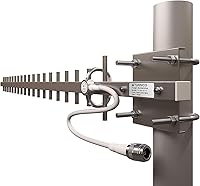
Specifications

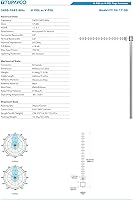
  • Antenna Gain: This directional WiFi antenna delivers 17dBi of gain, concentrating signal energy for long-distance point-to-point wireless links.
  • Frequency Band: Operates exclusively on the 2.4GHz radio frequency band, which provides stronger obstacle penetration and longer range than 5GHz.
  • Horizontal Beamwidth: The horizontal beamwidth is 25°, producing a tightly focused signal cone that requires careful directional alignment during installation.
  • Vertical Beamwidth: The vertical beamwidth is 24°, similarly narrow and designed to maximize gain over distance rather than coverage area.
  • Connector Type: Uses an N-Female pigtail connector, a widely adopted standard in outdoor networking equipment that may require an adapter for some routers.
  • Dimensions: The antenna measures 5×2×36 inches, making it a slender, pole-friendly form factor suitable for most standard outdoor mounts.
  • Weight: At 1.25 pounds, the TP513 is light enough to install on a standard pole without requiring heavy-duty mounting infrastructure.
  • Power Source: Fully passive — the antenna requires no external power supply and operates purely through the physics of focused RF signal collection.
  • Mount Type: Designed for outdoor pole mounting, with all necessary mounting hardware included in the box; a mounting pole must be sourced separately.
  • Housing Material: The outer housing is weatherproof and built from corrosion-resistant materials, rated for permanent outdoor installation in variable climates.
  • Color: Finished in silver and white, giving the antenna a neutral, unobtrusive appearance suitable for most outdoor installation environments.
  • Wireless Standard: Certified for 2.4GHz Radio Frequency wireless communication, compatible with the vast majority of consumer and prosumer WiFi routers and access points.
  • Manufacturer: Designed and sold by Tupavco LLC, a networking hardware brand that has offered this antenna model continuously since August 2012.
  • Model Number: The official model designation is TP513, which should be used when sourcing compatible adapters, cables, or replacement mounting hardware.
  • ASIN: The Amazon Standard Identification Number for this product is B008Z4I7WQ, useful for verifying you are purchasing the correct listing.

Related Reviews
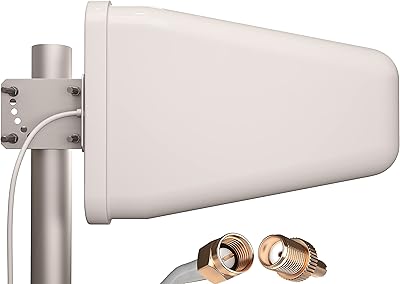
Tupavco TP514 Yagi Directional Antenna
73%
83%
Signal Improvement
54%
Ease of Setup
86%
Build Quality
78%
Value for Money
74%
Compatibility
More
NextG USB-Yagi 11N Long Range WiFi Antenna 2200mW
78%
89%
WiFi Range & Signal Strength
83%
Compatibility with Systems
72%
Ease of Setup
85%
Build Quality
80%
Portability & Design
More
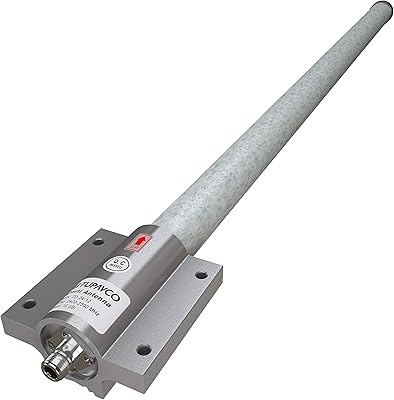
Tupavco TP551 WiFi Outdoor Omni Antenna 12dB 2.4GHz
85%
88%
Performance
90%
Durability
84%
Ease of Installation
89%
Signal Range
92%
Weatherproofing
More
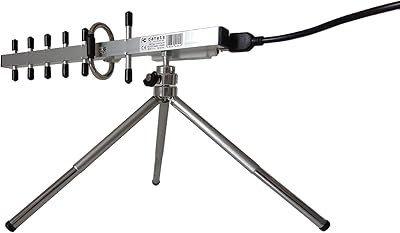
Tupavco TP512 15dBi 2.4GHz Outdoor Directional WiFi Antenna
84%
89%
Signal Range & Performance
94%
Durability & Build Quality
75%
Ease of Setup
87%
Value for Money
80%
Compatibility & Flexibility
More
Sirio Antenna SY27-3 3 Elements Yagi Antenna 26.5-30 MHz
86%
93%
Signal Strength
88%
Build Quality
80%
Ease of Installation
91%
Durability
90%
Range & Coverage
More
RCA ANT751E Yagi HDTV Antenna
85%
88%
Reception Quality
90%
Durability
85%
Installation Ease
89%
Signal Range
82%
App Integration (Signal Finder)
More
McDuory UHD-3968 Outdoor Yagi TV Antenna
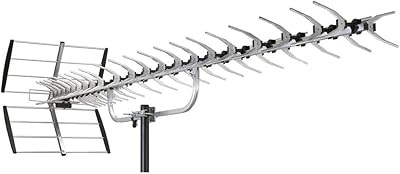
73%
78%
Signal Reception
51%
Range Accuracy
88%
Ease of Assembly
74%
Build Quality
81%
Value for Money
More
Stellar Labs 91-Element Yagi Antenna
80%
88%
Signal Performance
91%
Build Quality
75%
Ease of Installation
89%
Durability in Harsh Conditions
83%
Range and Coverage
More
PBD HJK544 Outdoor Yagi TV Antenna
76%
83%
Signal Reception
89%
UHF Performance
61%
VHF Performance
78%
Build Quality
81%
Weather Resistance
More
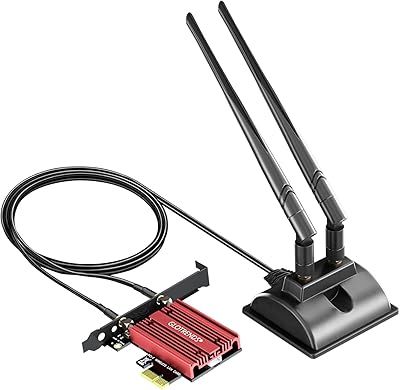
GLOTRENDS WiFi 7 PCIe Card with Extension Antenna
85%
93%
Performance & Speed
89%
Signal Coverage
87%
Installation Ease
91%
Compatibility with Windows 11
92%
WiFi 7 Compatibility
More

FAQ

The antenna itself is compatible with virtually any router or access point that has an external antenna port, but the connector type matters. The TP513 uses an N-Female pigtail connector, which is standard in outdoor networking gear but is not the same as the RP-SMA connectors found on most home routers. You will likely need a short adapter cable — check your router's antenna port type before ordering so you are not caught off guard.

Realistically, several hundred feet to roughly a quarter mile under good conditions — but that number depends heavily on having a clear, unobstructed line of sight between the two endpoints. Trees, buildings, hills, and even heavy rain can noticeably reduce effective range. Do not expect the best-case figures to apply if there are obstacles in the path.

If you want a true two-way wireless bridge — where both ends can send and receive — you need one directional antenna at each building, both pointed at each other. A single antenna only improves reception at one end. For a basic setup where one end transmits and the other just receives a signal, one may suffice, but bidirectional links require a matched pair.

The physical mounting is straightforward — it is lightweight and the hardware is included. The tricky part is alignment. Because the beam is only about 25° wide, pointing it even slightly off-target can significantly hurt performance. Having a second person help while you monitor signal strength in real time makes the process much easier and less frustrating.

Yes, the housing is built to handle outdoor conditions — rain, cold, and direct sun included. Users who have had it mounted for extended periods generally report no visible degradation in the housing or hardware. That said, like any outdoor electronics installation, keeping cable connections sealed and protected from moisture at the junction points is good practice regardless of how weatherproof the antenna itself is.

You technically can, but it makes very little sense. This Yagi antenna is designed for long outdoor runs between fixed points, and indoors the narrow beam and high gain would cause more interference issues than it solves. For indoor signal improvement, a standard omnidirectional antenna or a mesh system is a far better fit.

Only 2.4GHz. If your router or access point is running exclusively on 5GHz, this directional WiFi antenna will not be compatible with that band. The 2.4GHz limitation is a real consideration for setups that depend on higher throughput — 2.4GHz tops out at lower speeds than 5GHz, though it handles distance and obstacles much better.

The mounting hardware — clamps and brackets — is included, but the pole itself is not. A standard 1- to 2-inch diameter outdoor mast or pipe works well; these are widely available at hardware stores. Make sure whatever you use is sturdy enough to hold the antenna steady in wind, since movement will cause the narrow beam to drift off target.

Yes. The antenna is a passive RF component — it has no firmware of its own and does not care what software your router runs. As long as the physical connector matches up (with an adapter if needed), it will work with any router, including those running DD-WRT, OpenWrt, Tomato, or stock firmware.

An omnidirectional antenna spreads signal in all directions around it, like a bare light bulb — useful for general coverage but weak over long distances. A Yagi antenna focuses that same energy into a narrow beam pointed in one direction, like a flashlight. You trade broad coverage for concentrated, long-range reach. If your goal is a fixed link to one specific distant location, the Yagi approach wins. If you need to cover a room or building in multiple directions, stick with omnidirectional.

Where to Buy