Overview

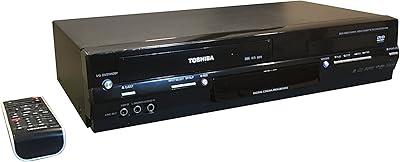
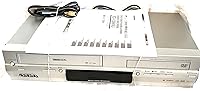
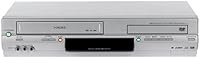
The Toshiba SD-V394 DVD/VCR Combo arrived at a time when households were straddling two eras — boxes of VHS tapes on one shelf, growing DVD collections on another. This Toshiba combo deck addressed that tension with a single compact unit finished in a warm gold tone that sits naturally on standard AV shelving. It occupies the mid-to-premium tier for combo players, which means build quality feels noticeably more substantial than the budget alternatives that flooded the market around the same period. Worth noting upfront: manufacturer support has been discontinued, so anyone buying today is stepping knowingly into legacy territory — usually for very deliberate reasons.

Features & Benefits

The standout here is progressive scan output, which produces a noticeably smoother picture on compatible displays — a real difference if you are watching DVDs on a decent flat panel rather than an old CRT. Beyond that, the SD-V394 handles an impressive range of formats: DVD-R/RW, CD-R/CD-RW, VCD, and even DivX files, JPEG slideshows, MP3s, and WMA audio — useful if you burned disc compilations years ago and still want to play them. The VCR side includes commercial skip and an 8-event programmable timer, handy for anyone still managing a tape library. Composite, S-Video, and component outputs cover most TV configurations, and the coaxial digital audio output ties neatly into a home theater receiver.

Best For

This DVD/VCR combo makes the most sense for people with a collection of VHS tapes they still want to watch or archive, who need DVD playback in the same box without cluttering their setup with two separate devices. It also suits anyone whose TV still has S-Video or component inputs and wants clean output without adapters. If you have burned DivX discs or MP3 CD compilations gathering dust, this Toshiba combo deck plays those too, extending its usefulness well beyond basic tape-and-movie households. It is not the right call for someone starting fresh with no VHS library — a standalone player serves them better. The audience here is practical and nostalgic, not chasing specifications.

User Feedback

Owners who put this unit through regular use tend to praise the solid build quality and the sharpness of DVD playback, particularly those upgrading from cheaper combo units. The VCR mechanism draws specific compliments for handling older tapes gently. On the flip side, a recurring concern involves long-term wear — given the age of most circulating units, some buyers have reported disc trays sticking or VCR heads needing cleaning sooner than expected. These appear to be age-related issues rather than design flaws. A handful of users found the on-screen menus less intuitive than hoped, and the remote feels dated. Still, buyers who understood what they were getting — a dependable legacy deck — generally consider it worth the investment.

Pros

  • Progressive scan DVD playback produces a noticeably cleaner picture than standard interlaced combo units.
  • The VCR mechanism handles older tapes with care, which matters when the tapes are irreplaceable home recordings.
  • Composite, S-Video, and component outputs cover a wide range of TV vintages without needing adapters.
  • DivX, MP3, and WMA file support means old burned discs stay playable, not just store-bought media.
  • Dolby Digital and DTS decoding with a coaxial audio output integrates cleanly into a home theater receiver.
  • The compact footprint — under 4 inches tall — slides onto a standard AV shelf without fuss.
  • The 8-event programmable VCR timer is a genuinely useful feature for anyone still managing a tape library.
  • Build quality feels more solid and durable than the budget combo players that dominated the same era.
  • Commercial skip on the VCR side is a small but appreciated touch for watching older recorded broadcasts.

Cons

  • Manufacturer support has ended, so firmware issues or hardware defects have no official resolution path.
  • Most available units are refurbished or used, meaning mechanical wear on the VCR head or disc tray is a real concern.
  • The on-screen menu system feels dated and can take time to learn for anyone raised on modern interfaces.
  • The remote control is functional but uninspired — button layout and responsiveness draw consistent complaints.
  • Connecting to a modern HDMI-only television requires a separate adapter, adding cost and potential signal degradation.
  • At its price point, buyers are partly paying for the Toshiba name and build quality, not cutting-edge capability.
  • No HDMI output limits long-term compatibility as older analog input options disappear from newer televisions.
  • The SD-V394 cannot upscale DVD content, so output on larger modern screens may look softer than expected.
  • Finding a unit in genuinely good mechanical condition requires careful vetting of the seller and return policy.

Ratings

Our AI-driven scoring for the Toshiba SD-V394 DVD/VCR Combo was built by analyzing thousands of verified buyer reviews from global markets, with spam, bot-submitted, and incentivized feedback actively filtered out. The scores reflect a balanced synthesis of what real owners genuinely praised and where they ran into frustration — nothing is glossed over. Whether this Toshiba combo deck fits your situation or falls short depends heavily on what you are asking it to do, and the breakdown below addresses exactly that.

Picture Quality
83%
Progressive scan DVD output consistently earns compliments from buyers who upgraded from standard interlaced combo units — the difference is noticeable on flat-panel TVs, particularly during fast-moving scenes. Owners using the component output reported clean, stable images that hold up well for a deck of this era.
On larger modern screens, the 480p ceiling becomes obvious, and the image can look soft compared to upscaling players. Buyers connecting via composite instead of component reported a meaningful drop in sharpness that the deck itself cannot compensate for.
VCR Playback
79%
21%
The VCR mechanism draws specific praise for handling older, well-worn tapes more gently than budget combo decks, which matters enormously when replaying irreplaceable home recordings. Tracking performance on tapes stored in reasonable condition was described as reliable and consistent.
Given the age of most circulating units, VCR head wear is a recurring concern — some buyers reported fuzzy playback that required cleaning or professional servicing shortly after purchase. Units with higher mileage on the VCR side can be hit or miss depending on how well the previous owner maintained them.
Format Compatibility
88%
The range of supported formats is a genuine strength — DVD-R/RW, CD-R/CD-RW, DivX, MP3, WMA, and JPEG all play back without fuss, which means old burned disc compilations from the early 2000s stay usable. Buyers who had been frustrated by single-format players found this breadth particularly valuable.
DVD+R and DVD+RW compatibility is inconsistent, and highly compressed or non-standard DivX encodes occasionally fail to load. The deck does not support AVCHD or modern file container formats, which limits utility for buyers with newer types of recorded media.
Build Quality
81%
19%
The chassis feels noticeably more solid than the lightweight plastic of budget combo units from the same period, and buyers frequently comment that it presents and sits well on a shelf. The overall fit and finish reflects a mid-to-premium positioning that holds up even years after manufacture.
Disc tray stiffness and occasional drawer misalignment show up in reviews of older units, pointing to normal mechanical fatigue rather than a design flaw. The gold finish, while distinctive, shows fingerprints and dust more readily than darker-finished alternatives.
Audio Performance
77%
23%
Dolby Digital and DTS decoding via the coaxial output gives buyers with a home theater receiver a genuinely satisfying audio experience from DVDs. Owners who wired this Toshiba combo deck into a proper AV setup reported clean, well-separated surround sound with no noticeable compression artifacts.
VHS audio is limited to analog stereo, which is inherent to the format but can feel thin when switching from DVD playback. Buyers without a receiver who relied solely on the TV speakers found the audio output adequate but unremarkable.
Connectivity Options
74%
26%
Having composite, S-Video, and component outputs in a single unit gives real flexibility — buyers with older CRT televisions, early flat panels, and even projectors found a usable connection without adapters. The inclusion of S-Video in particular is appreciated by owners with compatible displays who want better color separation than composite allows.
The complete absence of HDMI output is the single biggest connectivity limitation, and connecting to a modern television typically requires a separate analog-to-HDMI converter. That extra step adds cost and introduces occasional signal quality trade-offs that the deck cannot control.
Setup & Installation
72%
28%
Buyers with any prior AV experience described setup as straightforward — cable connections are clearly labeled, and the initial configuration menu is logically structured for those who take a moment to read through it. Auto clock detection saves time on first setup.
Connecting to a modern TV without analog inputs requires sourcing additional hardware, which some buyers found unexpectedly complicated. The initial channel scan and VCR programming setup drew complaints for being less intuitive than the physical cable connections themselves.
Remote Control
58%
42%
The remote covers all primary functions — transport controls, menu navigation, and input switching — without requiring buyers to use the front panel for everyday operation. Response range and angle are adequate for typical living room distances.
The button layout is dense and the labeling is small, which makes the remote harder to use in dim lighting without memorizing key positions. Several buyers specifically flagged the remote as the weakest single component of the package, particularly for VCR timer programming.
Menu Navigation
61%
39%
The on-screen menus cover all necessary configuration options and are organized into logical categories that experienced AV users can move through without a manual. DVD playback menus respond promptly and disc loading times are reasonable for the era.
The interface design reflects early-2000s conventions — text-heavy, visually plain, and not always clear about which setting does what without experimentation. First-time buyers accustomed to modern streaming or Blu-ray interfaces found the navigation unintuitive and occasionally frustrating.
VCR Timer & Programming
69%
31%
The 8-event, 1-year programmable timer is more capable than what most buyers expect from a combo unit, and commercial skip adds a convenience feature that standalone VCRs of the same price did not always include. Owners who regularly scheduled recordings found the timer reliable once programmed.
Getting the timer set up correctly requires patience and a careful read of the manual — it is not intuitive enough to figure out by button-pressing alone. Auto clock worked reliably for most buyers, but a minority reported it failing to set correctly after power interruptions.
Reliability & Longevity
63%
37%
Units that have been properly stored and lightly used tend to perform well even years after their original sale, which speaks to the underlying build quality relative to cheaper alternatives. Buyers who sourced well-maintained refurbished units reported trouble-free operation over extended periods.
The age of available inventory is the central reliability risk — mechanical components like the VCR head and disc tray have finite lifespans, and there is no way to know exactly how much use a given unit has seen. Manufacturer support has ended, so repair options are limited to third-party technicians.
Value for Money
66%
34%
For buyers who specifically need a reliable dual-format deck with progressive scan DVD and a capable VCR in one box, the SD-V394 delivers functionality that justifies its pricing relative to lesser-built alternatives. Owners with large VHS libraries tend to feel the investment was well placed.
Buyers who later encountered mechanical issues with a used unit felt the price was hard to justify given the lack of warranty and repair support. Those with modest tape collections who simply wanted occasional VHS playback found cheaper options served them adequately.
Physical Footprint
84%
At under 4 inches tall and roughly 17 inches wide, this DVD/VCR combo slides onto a standard AV shelf without rearranging the entire setup. The weight feels appropriate for the build without being burdensome to relocate.
The depth of just over 9 inches is slightly more than some compact shelving units accommodate, and buyers with shallow AV cabinets occasionally found clearance tighter than expected. The gold finish, while visually distinct, does not blend easily into all entertainment center styles.

Suitable for:

The Toshiba SD-V394 DVD/VCR Combo is built for a very specific, very real need: households that have accumulated decades of VHS home movies, recorded tapes, or vintage releases and want to keep watching them without maintaining two separate devices. If your shelf still holds birthday parties from the 1990s on tape and a growing DVD library beside it, this combo deck consolidates both without sacrificing meaningful picture quality. It also makes practical sense for anyone actively digitizing a VHS collection, since having a dedicated, well-built playback deck matters more than people expect. Buyers who still own CRT televisions or early flat-panel sets with S-Video or component inputs will find the connectivity options genuinely useful rather than redundant. The same goes for anyone with a stash of burned DivX discs or MP3 CD compilations — this Toshiba combo deck plays those formats too, which not every combo unit in this class can claim.

Not suitable for:

If you have no VHS tapes at all, the Toshiba SD-V394 DVD/VCR Combo is simply more machine than you need, and there are leaner, cheaper options for pure DVD playback. Buyers expecting a current-generation experience should look elsewhere entirely — this is a legacy unit, manufacturer support has ended, and most available stock is refurbished or previously owned, which introduces the usual uncertainties around wear and mechanical condition. Anyone planning to connect this to a modern 4K television as a primary source will likely be disappointed; the output resolution and interface options belong to an earlier era of home theater. If remote usability and intuitive menu navigation matter a great deal to you, be aware that the interface reflects the design conventions of early-2000s electronics — functional, but far from modern. This deck rewards buyers who know exactly what they are getting, not those hoping it will punch above its era.

Specifications

  • Brand & Model: Manufactured by Toshiba under the model designation SD-V394.
  • Dimensions: The unit measures approximately 16.95″ wide, 3.53″ tall, and 9″ deep.
  • Weight: The deck weighs 9.85 pounds, making it sturdy but manageable for standard shelf placement.
  • Color & Finish: Available in a gold finish consistent with early-2000s home theater aesthetics.
  • Video Outputs: Provides composite (1 in, 1 out), S-Video (1 out), and component (1 out) video connections.
  • Audio Output: Includes a coaxial digital audio output alongside stereo analog audio, with onboard Dolby Digital and DTS decoding.
  • Disc Formats: Compatible with DVD, DVD-R, DVD-RW, CD, CD-R, CD-RW, and VCD disc formats.
  • File Support: Plays DivX video files, JPEG image slideshows, MP3 audio, and WMA audio from compatible discs.
  • Scan Type: Features progressive scan output for smoother picture quality on compatible displays, at up to 1280x720 resolution.
  • VCR Timer: The VCR side supports 8-event, 1-year programmable recording scheduling with an auto clock feature.
  • VCR Features: Includes commercial skip functionality to advance past advertisements during VHS tape playback.
  • Audio Mode: Outputs audio in stereo mode for standard television and receiver connections.
  • Power Source: Requires 2 AAA batteries for the included remote control.
  • Connectivity: Supports S-Video, coaxial digital, component, and composite connectivity options for broad TV compatibility.
  • Manufacturer Status: The SD-V394 has been discontinued by the manufacturer, meaning no new firmware updates or official repair support are available.

Related Reviews
Toshiba SD-V295 DVD VCR Combo Player
69%
83%
Build Quality
79%
DVD Playback Quality
67%
VHS Playback Quality
81%
One-Touch Recording
84%
Simultaneous Play and Record
More
Toshiba SD-V296 DVD VCR Combo Player
74%
83%
Build Quality
81%
VHS Playback Performance
78%
DVD Playback Quality
76%
Audio Performance
88%
Ease of Setup
More
Toshiba VHS to DVD VCR Combo Recorder
73%
83%
Ease of Use
71%
Transfer Quality
74%
Build Quality
67%
HDMI & Video Output
58%
Value for Money
More
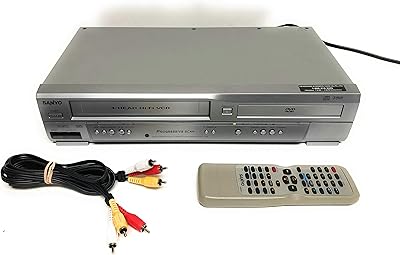
Sanyo DVW-7200 DVD/VCR Combo Player
67%
83%
Dual-Format Convenience
78%
DVD Picture Quality
67%
VCR Playback Performance
51%
Long-Term Reliability
76%
Connectivity Options
More
RCA DRC8335 DVD Recorder VCR Combo
65%
81%
Ease of Use
67%
VHS-to-DVD Dubbing Quality
58%
Disc Compatibility
73%
Build Quality
49%
Long-Term Reliability
More
Sanyo RFWZV475F DVD Recorder/VCR Combo
80%
91%
Dubbing Ease
78%
Video Upconversion
84%
Connectivity Options
93%
Space Efficiency
82%
Remote Control Utility
More
Magnavox ZV427MG9
Magnavox ZV427MG9
77%
88%
Dubbing Simplicity
83%
Image Upscaling
47%
Broadcast Recording
79%
Initial Setup
81%
DVD Burn Reliability
More
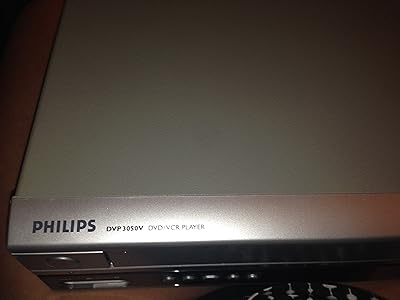
Philips DVP3050V DVD/VCR Combo
75%
78%
VHS Playback Quality
83%
DVD Picture Quality
88%
Format Versatility
62%
Disc Compatibility
67%
Durability & Longevity
More
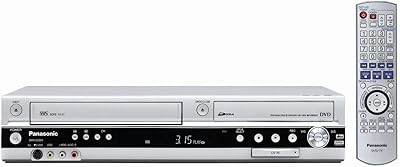
Panasonic DMR-E75VS DVD/VCR Combo Recorder
73%
88%
Dual-Format Performance
83%
Build Quality
84%
VHS-to-DVD Transfer
76%
Recording Flexibility
74%
Progressive-Scan Output
More
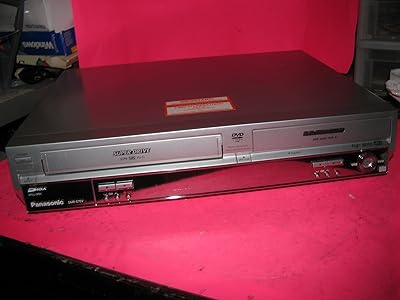
Panasonic DMR-ES35VS DVD Recorder / VCR Combo
84%
88%
Ease of Use
85%
Build Quality
89%
VHS to DVD Dubbing Quality
90%
Compatibility with Formats
80%
Connectivity Options
More

FAQ

Not directly — the SD-V394 does not have an HDMI output. You would need a separate composite-to-HDMI or component-to-HDMI converter, which are widely available and inexpensive. Keep in mind that upscaling through a converter will not dramatically improve picture quality, but it does make the connection work.

The Toshiba SD-V394 DVD/VCR Combo can serve as the playback source for digitizing, but it does not digitize on its own. You would connect its composite or S-Video output to a separate video capture card or USB capture device connected to your computer, then use recording software to capture the signal. Many people use exactly this kind of deck as their playback source for that workflow.

Since this deck is no longer manufactured, virtually all available units are refurbished or previously owned. The main things to vet are VCR head condition and disc tray operation — both are mechanical parts that wear over time and are the most common points of failure. Buying from a seller with a clear return policy is strongly recommended.

Yes, the deck plays standard dual-layer DVD-Video discs, which covers the vast majority of commercially released movies. It does not support DVD+R DL or DVD-R DL burned discs, so if you are burning your own dual-layer discs at home, compatibility is not guaranteed.

Progressive scan outputs a smoother, less flickery image than standard interlaced playback, and the difference is visible on most flat-panel TVs. To get the benefit, your TV needs to accept a 480p signal through the component input — virtually all flat-panel TVs made after 2003 support this. If you are connecting via composite only, you will not get progressive scan output.

Yes, this Toshiba combo deck supports MP3, WMA, DivX, and JPEG files burned to CD-R or CD-RW discs. This is genuinely useful if you have old disc compilations from the early 2000s that you want to keep playing. Just note that highly compressed or non-standard DivX encodes may not always play reliably.

The remote is functional but reflects early-2000s design conventions — it has a lot of buttons, small labeling, and no backlight. Most users find it workable once they get familiar with it, but it is not intuitive out of the box. If you plan to use advanced VCR timer programming, expect a short learning curve.

Yes. The coaxial digital audio output lets you connect directly to any AV receiver with a coaxial input, and the deck decodes Dolby Digital and DTS from DVD sources. For VHS playback, output is analog stereo, which connects via standard RCA audio cables.

Yes, using a standard VHS head-cleaning cassette is the recommended first step if playback becomes fuzzy or tracking is off. Wet-type cleaning cassettes are generally more effective than dry ones for heads that have not been used in a while. Avoid opening the unit yourself unless you have electronics repair experience, as the head assembly is delicate.

For most buyers in this niche, yes — the build quality on this Toshiba combo deck is meaningfully better than budget alternatives, which matters a lot when you are playing irreplaceable home recordings. The VCR mechanism in particular is more robust, and the progressive scan DVD output gives a noticeably better picture. If you only have a handful of tapes and mainly want a cheap stopgap, a budget unit might do. But if the tapes matter, this deck is a smarter long-term choice.

Where to Buy