Overview

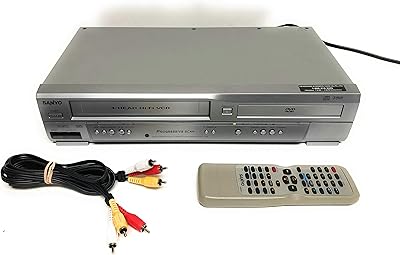
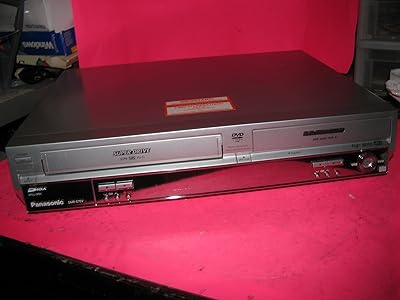
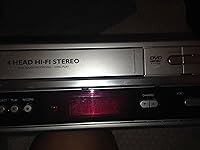
The Philips DVP3050V DVD/VCR Combo is one of those rare devices that actually earns its place in an entertainment cabinet rather than collecting dust after a week. It bridges two formats that millions of households still rely on — VHS tapes full of irreplaceable memories and DVDs that remain a solid way to watch films without streaming. The silver casing looks clean and reasonably sturdy for its class. Progressive scan support is a genuine plus for anyone connecting to a modern flatscreen. This dual-format unit has been around since 2005, and that longevity alone says something about its staying power. It is not for everyone, but for the right buyer, it fills a real gap.

Features & Benefits

The Philips combo player handles more formats than most buyers expect going in. Beyond VHS and DVD, it reads CDs, MP3 discs, and Photo CDs — so a single box replaces what used to require two or three separate devices on a shelf. The Hi-Fi VCR component is worth calling out specifically; it reproduces tape audio with noticeably more depth than the flat, tinny sound of a standard mono VCR. Progressive scan, in plain terms, means the image is drawn all at once rather than in alternating lines — the result is a visibly smoother picture on any compatible TV. At just over seven pounds and fitting neatly into standard AV shelving, the physical setup is completely painless.

Best For

This DVD/VCR combo makes the most sense for households that never fully moved on from VHS — not out of stubbornness, but because home recordings on tape simply cannot be replaced by streaming. Parents and grandparents rewatching old birthdays and school plays will find real value here. It also works well in a secondary room or smaller living space where running two separate players is impractical. Buyers who have had bad experiences with no-name combo units will appreciate the engineering reliability the Philips name brings. If you occasionally receive or lend VHS tapes and want to keep that option open, this dual-format unit handles it without compromise.

User Feedback

Owners of the Philips combo player frequently mention picture quality as a strong point — particularly how well the progressive scan output holds up on modern flatscreens. The on-screen menus get positive marks for being straightforward, which matters when the device is used by someone less comfortable with technology. On the other side, VCR head wear is a recurring concern among long-term users; like any mechanical tape component, heavy regular use will eventually require cleaning or servicing. Some buyers have also noted inconsistent results with burned CDR discs, so pressed media is the safer choice for reliable playback. Overall, feedback points to a product that performs well when treated with reasonable care.

Pros

  • Handles VHS tapes and DVDs from a single device, removing the need for two separate players.
  • Hi-Fi VCR audio is a genuine step up from the flat sound of older mono VCR decks.
  • Progressive scan output produces noticeably smoother DVD images on compatible flatscreen TVs.
  • Reads multiple disc formats including CD, MP3, and Photo CD — more versatile than it first appears.
  • Compact enough to fit standard AV shelving without taking over the cabinet.
  • Philips engineering behind both the laser and tape mechanism adds a layer of reliability you rarely get from budget combo brands.
  • Setup is straightforward with an included remote — no proprietary accessories or complicated pairing required.
  • On-screen menus are accessible enough for users who are not comfortable with complex electronics.
  • Ranked among the top DVD-VCR combos still available, which reflects consistent buyer satisfaction over time.
  • A practical solution for preserving access to irreplaceable home recordings without investing in a separate digitizing setup.

Cons

  • VCR head wear is a real long-term concern — heavy tape use will eventually require cleaning or professional servicing.
  • Burned CDR and non-standard DVD discs can produce unreliable playback results.
  • At over 21 inches wide, the footprint is larger than a slim modern disc player.
  • Being a 2005-era product line means finding replacement parts or repair support may grow harder over time.
  • No HDMI output — connection options are limited to older analog and component video interfaces.
  • The dual-mechanism design means two potential failure points instead of one.
  • Not ideal for high-volume daily tape use, as the mechanical VCR components have a finite lifespan under regular stress.
  • Buyers expecting modern streaming integration or smart features will find none here.
  • Remote functionality, while usable, lacks the refinement of current-generation player remotes.

Ratings

The scores below for the Philips DVP3050V DVD/VCR Combo were generated by our AI system after analyzing verified buyer reviews from multiple global markets, with spam, bot activity, and incentivized feedback actively filtered out. Ratings reflect real-world usage patterns across a wide range of households — from everyday tape rewatching to secondary-room setups — ensuring both genuine strengths and recurring frustrations are accurately represented. Where this dual-format unit excels and where it falls short are captured transparently in each category score.

VHS Playback Quality
78%
22%
The Hi-Fi stereo VCR deck genuinely stands apart from standard mono alternatives. Buyers rewatching home recordings from the 1980s and 1990s consistently report that voices and background music come through with surprising warmth and clarity. For households with a meaningful tape library, the audio fidelity improvement alone makes this a worthwhile consideration.
Picture quality on older tapes is naturally limited by the VHS format itself, and some users note slight color bleeding on well-worn cassettes. Long-term, the mechanical heads require periodic cleaning to maintain consistent output, and a tape left inside a neglected deck can cause tracking issues that are difficult to fully correct.
DVD Picture Quality
83%
Progressive scan output makes a visible difference when playing DVDs on a modern flatscreen — motion looks smoother and subtitle text is cleaner compared to older interlaced players. Buyers who upgraded from a basic DVD player frequently comment on noticeably improved sharpness during action scenes and nature documentaries.
Output is capped at 480p standard definition, so on larger screens above 55 inches the limitations become apparent compared to Blu-ray or upscaling players. There is no digital enhancement processing, meaning the source quality of the disc sets the absolute ceiling for what appears on screen.
Format Versatility
88%
Few single devices in this category handle as many formats as the Philips combo player — VHS, DVD, VCD, CD, MP3 discs, and Photo CD are all supported out of the box. For households consolidating an entertainment shelf, replacing three or four separate players with one tidy unit has genuine practical appeal.
Despite the broad format support, there is no USB input or SD card slot for playing digital media files from flash drives or memory cards, which limits modern media flexibility. Streaming services are completely outside the scope of this hardware, so a separate device is still needed for on-demand content.
Disc Compatibility
62%
38%
Commercial pressed DVDs, CDs, and VCDs play without issue, and MP3 disc support works reliably for home-burned audio discs using standard CDR media at common bitrate settings. Photo CD support is a genuine extra that lets buyers display digital photo collections on a TV without any additional hardware.
Burned DVD-R and DVD-RW discs are where compatibility becomes unreliable — users report that certain brands of blank media simply will not load, and older scratched discs trigger skipping even when a dedicated player handles them without trouble. This is a known limitation of the laser assembly's read tolerance on non-pressed media.
Durability & Longevity
67%
33%
Buyers who use the player regularly but not excessively — a few tapes per week alongside occasional DVD viewing — report that the unit holds up well over multi-year ownership. The Philips engineering behind both mechanisms is noticeably more robust than off-brand combo players, which often develop tracking issues within the first year.
VCR heads wear down with use and require periodic cleaning to maintain picture quality, which is an ongoing maintenance cost buyers should factor in before purchasing. DVD laser assemblies also degrade over time, and given the product's age, finding compatible replacement components is becoming progressively harder and more expensive.
Audio Performance
81%
19%
The Hi-Fi VCR component delivers stereo audio that holds up well even on tapes recorded decades ago, and DVD audio output through the analog stereo jacks is clean and well-balanced for living room listening. Buyers using the player with a modest stereo receiver report sound quality that exceeded their expectations for a combo unit.
Dolby Digital and DTS decoding is not handled internally — the player passes the bitstream through a digital output, requiring an external AV receiver for true surround sound. Buyers expecting plug-and-play surround from the included analog cables will only get two-channel stereo, which is adequate for casual viewing but not immersive.
Ease of Setup
84%
Getting this player running takes under ten minutes for most buyers, even those who describe themselves as non-technical. The included remote covers all core functions clearly, and the initial TV output configuration is guided by a simple on-screen menu that walks through resolution and audio settings without requiring the manual.
Connecting to a television with only HDMI inputs requires a separate adapter not included in the box, which some buyers find unexpectedly inconvenient. The manual could also be more detailed about audio output configuration for buyers pairing this dual-format unit with an external AV receiver or soundbar.
Build Quality
76%
24%
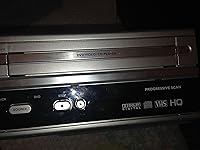
The silver chassis feels solid for a combo unit of this type, and the front-panel controls have a reassuring tactile feel rather than the flimsy buttons found on budget alternatives. The disc tray opens smoothly, the tape slot accepts cassettes without resistance, and nothing rattles during playback.
After extended use, some buyers report that the disc tray mechanism can develop a slight hesitation before fully extending, which points to normal plastic gear wear over time. The casing also attracts fingerprints and dust more readily than matte-finish competitors, requiring more frequent wiping to maintain a clean appearance.
Progressive Scan Performance
86%
On a compatible flatscreen, the progressive scan output makes a real and visible difference — particularly during fast-moving scenes where standard interlacing normally produces a combing effect on horizontal edges. Buyers who upgraded from an older interlaced player specifically mention cleaner, more stable images during film playback as a standout improvement.
The benefit of progressive scan is most apparent on screens of 40 inches or larger; on smaller bedroom TVs the difference is difficult to notice without direct comparison. Output remains standard definition regardless of scan mode, so even with progressive enabled, the player cannot compete with HD or upscaling sources on large displays.
Menu Navigation
77%
23%
The on-screen interface is genuinely approachable, with clear category labels and a logical flow that lets buyers adjust settings or switch between media formats without consulting the manual. Several reviewers specifically mention setting up the player for elderly relatives who found the menu structure easy to follow independently.
Menu responsiveness can feel sluggish compared to modern players — there is a noticeable delay between button presses and on-screen changes that some users find mildly irritating during repeated navigation. The visual design of the menus is also dated, though this is an aesthetic issue rather than a functional one.
Remote Usability
71%
29%
The remote layout is logical and uncluttered, making casual daily use comfortable — switching between VHS and DVD mode, navigating menus, and controlling playback are all handled without memorizing button combinations. Less tech-savvy buyers particularly appreciate that the primary controls are large and clearly labeled.
The remote lacks backlighting, making it difficult to use in a darkened room without fumbling. Some buyers also note that the response range requires pointing the remote fairly directly at the unit, which becomes mildly frustrating when the player is tucked inside a closed-front AV cabinet.
Connectivity Options
54%
46%
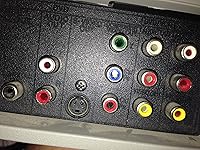
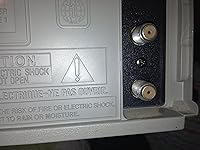
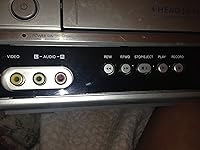
The unit covers the standard analog connection types expected for its generation — composite video, component video, and analog stereo audio outputs are all present, sufficient for connecting to older televisions or AV receivers still in active use. A coaxial digital audio output also handles bitstream pass-through for external decoders.
The complete absence of HDMI is a real limitation when connecting to any television purchased in the last decade, requiring an external adapter that adds cost and can introduce slight signal degradation. There is also no optical digital audio output, limiting compatibility with newer soundbars and receivers that lack coaxial inputs.
Value for Money
69%
31%
For buyers who genuinely need both VHS and DVD playback in a single unit from a trusted brand, this combo offers a combination that would otherwise require two separate devices and extra shelf space. The Hi-Fi VCR upgrade over basic alternatives adds real perceived value for tape-heavy households.
At its current price point, the cost is harder to justify for buyers who only occasionally use VHS tapes, since a dedicated DVD player and a used VCR can be sourced separately for considerably less. The age of the product line also means you are paying for proven but dated technology rather than anything updatable.
Physical Design
74%
26%
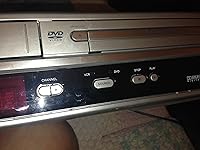
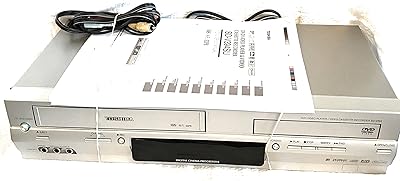
The silver finish gives the unit a clean, understated look that sits comfortably alongside other AV equipment without drawing attention to itself. The front-panel layout is well-organized — tape and disc slots are clearly separated, and control buttons are grouped logically for day-to-day operation without hunting.
At 21.2 inches wide and 7.2 inches tall, the unit is noticeably larger than a standalone DVD player, which can be a genuine issue in smaller setups with limited shelving depth. The all-plastic casing, while adequate, does not have the premium weight or tactile feel that the Philips brand name might initially suggest.

Suitable for:

The Philips DVP3050V DVD/VCR Combo was built for a very specific kind of household, and it delivers well for exactly that audience. If you have a collection of VHS tapes — home recordings of family events, old films, or anything else that simply does not exist in digital form — this is one of the cleanest ways to keep watching them without hunting down a separate aging VCR. It works equally well for anyone who wants to consolidate their living room setup, replacing a standalone DVD player and a VCR with a single, tidy unit that fits on a standard AV shelf. Grandparents and parents who are not particularly tech-savvy will appreciate the straightforward menus and the fact that it just works without complicated configuration. It is also a sensible pick for a guest room or secondary TV space where keeping things simple and space-efficient matters more than having the latest technology.

Not suitable for:

Buyers who no longer own any VHS tapes and are purely looking for a DVD or disc player will find the Philips DVP3050V DVD/VCR Combo unnecessarily complex and oversized for their needs — a dedicated DVD player would serve them better and cost less. Anyone expecting 4K, Blu-ray, or high-definition output should look elsewhere entirely; this unit tops out at 480p progressive scan, which is standard-definition territory by today's measures. If you need to play a large volume of burned CDR or non-standard DVD discs regularly, compatibility can be hit or miss, which makes it a poor fit for that workflow. The mechanical nature of the VCR component also means buyers who expect heavy daily tape use over many years may face maintenance costs down the line. Finally, those who prioritize the absolute latest in audio-video technology will find this dual-format unit simply does not belong in that conversation.

Specifications

  • Brand: Manufactured by Philips, a Netherlands-based electronics company with decades of consumer audio-video hardware experience.
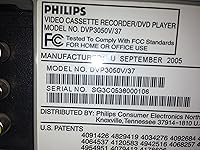
  • Model Number: The official model designation is DVP3050V/37, used for parts lookup, support inquiries, and firmware references.
  • Color & Finish: The unit ships in a silver finish, consistent with mid-to-premium AV equipment styling of its era.
  • Dimensions: The chassis measures 21.2 x 13.5 x 7.2 inches, sized to fit standard AV cabinet shelving without modification.
  • Weight: The unit weighs 7.7 pounds, which is typical for a dual-mechanism combo player housing both a DVD laser and a VCR tape deck.
  • VCR Type: The integrated VCR is a Hi-Fi model, meaning it records and reproduces stereo audio from VHS tapes with significantly better fidelity than standard mono decks.
  • Disc Formats: Supported optical disc formats include DVD, VCD, CD, MP3 discs, and Photo CD, covering the most common physical media formats in consumer use at time of launch.
  • Tape Format: The VCR component supports standard VHS tapes for both playback and recording, with Hi-Fi stereo audio decoding.
  • Video Output: The player outputs 480p progressive scan video, which renders a noticeably smoother image on compatible televisions compared to standard 480i interlaced output.
  • Progressive Scan: Progressive scan is supported for DVD playback, drawing each frame in full rather than in alternating half-frame passes, reducing motion blur on flat-panel displays.
  • Remote Control: A remote control is included in the box and requires two AA batteries, which are not included in the package.
  • Power Source: The unit is powered via a standard AC wall connection with no proprietary or external power brick required.
  • Availability Date: This model was first made available for purchase in May 2005, making it one of the longer-running SKUs in the DVD-VCR combo category.
  • Category Rank: The unit holds a rank of approximately #54 in the DVD-VCR Combos category on Amazon, reflecting sustained buyer interest over many years.
  • Manufacturer Status: As of the most recent product data, Philips has not officially discontinued this model, meaning it remains available through authorized retail channels.

Related Reviews
Magnavox ZV427MG9
Magnavox ZV427MG9
77%
88%
Dubbing Simplicity
83%
Image Upscaling
47%
Broadcast Recording
79%
Initial Setup
81%
DVD Burn Reliability
More
Toshiba SD-V394 DVD/VCR Combo
73%
83%
Picture Quality
79%
VCR Playback
88%
Format Compatibility
81%
Build Quality
77%
Audio Performance
More
Sanyo DVW-7200 DVD/VCR Combo Player
67%
83%
Dual-Format Convenience
78%
DVD Picture Quality
67%
VCR Playback Performance
51%
Long-Term Reliability
76%
Connectivity Options
More
RCA DRC8335 DVD Recorder VCR Combo
65%
81%
Ease of Use
67%
VHS-to-DVD Dubbing Quality
58%
Disc Compatibility
73%
Build Quality
49%
Long-Term Reliability
More
Toshiba VHS to DVD VCR Combo Recorder
73%
83%
Ease of Use
71%
Transfer Quality
74%
Build Quality
67%
HDMI & Video Output
58%
Value for Money
More
Sanyo RFWZV475F DVD Recorder/VCR Combo
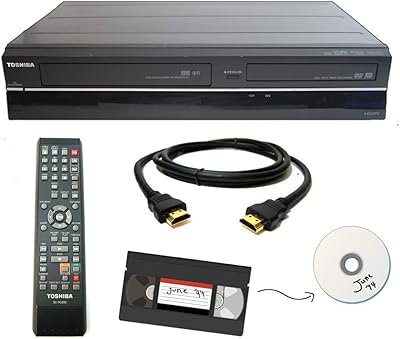
80%
91%
Dubbing Ease
78%
Video Upconversion
84%
Connectivity Options
93%
Space Efficiency
82%
Remote Control Utility
More
Toshiba SD-V295 DVD VCR Combo Player
69%
83%
Build Quality
79%
DVD Playback Quality
67%
VHS Playback Quality
81%
One-Touch Recording
84%
Simultaneous Play and Record
More
Toshiba SD-V296 DVD VCR Combo Player
74%
83%
Build Quality
81%
VHS Playback Performance
78%
DVD Playback Quality
76%
Audio Performance
88%
Ease of Setup
More
Panasonic DMR-ES35VS DVD Recorder / VCR Combo
84%
88%
Ease of Use
85%
Build Quality
89%
VHS to DVD Dubbing Quality
90%
Compatibility with Formats
80%
Connectivity Options
More
Panasonic DMR-E75VS DVD/VCR Combo Recorder
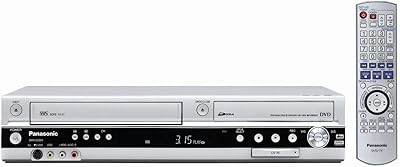
73%
88%
Dual-Format Performance
83%
Build Quality
84%
VHS-to-DVD Transfer
76%
Recording Flexibility
74%
Progressive-Scan Output
More

FAQ

This is a common sticking point. The Philips combo player does not have an HDMI output — it uses older analog connections such as composite and component video. To connect it to a TV with only HDMI ports, you will need a separate composite-to-HDMI or component-to-HDMI adapter, which are widely available and inexpensive. Picture quality through an adapter will be acceptable but not crisp by modern standards.

Yes, this dual-format unit supports dubbing between formats, meaning you can record DVD content to a VHS tape or transfer VHS content to another recording device connected via its outputs. Keep in mind that copy-protected commercial DVDs will block dubbing attempts due to Macrovision encoding, so this works best with home recordings or unprotected content.

Compatibility with burned discs can be inconsistent on this player, which is a known limitation of older optical drives. Pressed commercial DVDs work reliably, but home-burned discs — particularly DVD-RW or cheap off-brand DVD-R media — may not load or may skip. If disc-burned content is central to your use case, test with a pressed disc first and manage expectations on burned media.

The clearest signs are a blurry or snowy picture on VHS playback, distorted audio, or tapes that play for a few seconds and then stop. A VCR head cleaning cassette — available at most electronics retailers — can resolve early-stage buildup. If cleaning does not help, the heads themselves may be worn, which typically requires a technician to service or replace them.

It can be part of a digitizing workflow, but the player itself does not digitize tapes on its own. You would need to connect its video output to a separate video capture card or USB capture device connected to a computer. The Hi-Fi VCR component is actually a plus here because it gives you better source audio to work with during the capture process.

Not at all. Buyers consistently note that the menu system is fairly intuitive and accessible even for people who are not comfortable with technology. Basic functions like format selection, play, and setup adjustments are clearly labeled. If someone in your household struggled with previous players, this one is unlikely to cause the same frustration.

Laser assemblies in DVD players do wear out over time, especially with heavy use. Replacement laser units for older Philips models are available through third-party electronics parts suppliers, and a competent repair technician can usually swap them. That said, given the age of this product line, sourcing exact replacement parts may become more difficult over the coming years, so it is worth factoring that into a long-term ownership decision.

The player is capable of passing Dolby Digital audio from DVDs through its digital audio output to a compatible AV receiver or soundbar. For full surround sound, you will need an external decoder — the unit itself does not decode multi-channel audio internally. Standard stereo output works out of the box without any additional equipment.

Yes, this dual-format unit supports MP3 discs and Photo CD, so you can burn a disc of music files or digital photos and play them directly. The Photo CD support makes it handy for displaying holiday photos or family images on a TV without needing a laptop or streaming device. Just burn your files to a standard CDR and the player will recognize them.

The on-screen setup menu includes basic picture adjustment options such as brightness and color settings for video output. These adjustments can help compensate for the natural color fade that occurs in older VHS tapes. For more significant restoration or enhancement, you would need to use video editing software after capturing the tape content to a computer.

Where to Buy