Overview

The Rockville REQ42-B Dual 21-Band Graphic Equalizer has been quietly holding its ground in a crowded market since 2014 — and that kind of staying power says something. Finding a rack-mountable graphic EQ at this price is genuinely rare; most options either cost significantly more or sacrifice the dual-channel design that makes stereo shaping practical. With 21 bands per channel covering the full 20Hz–20kHz range, you get real granularity over your sound. That said, keep expectations grounded — this is a prosumer-tier tool, built for home studios, mobile DJs, and small venue operators, not high-end mastering suites.
Features & Benefits

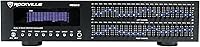
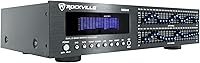
The REQ42-B gives you independent left and right channel control — which matters more than it sounds when you are trying to correct room imbalances or fine-tune a stereo mix. RCA stereo inputs and a record output handle most home and DJ setups cleanly, and the front-panel selector switch makes source switching quick. The 3.5mm MP3 input up front is a small but genuinely useful touch for plugging in a phone or media player on the fly. Blue LED sliders and a multi-color display stay readable in dim rooms, while the dual VU meters give you a clear, real-time picture of your output levels.

Best For

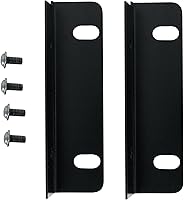
This graphic EQ is a natural fit for home studio owners who want frequency-level control without committing to expensive outboard gear. Mobile DJs will appreciate the rack-ready form factor — the standard 19-inch chassis slots into a road rack without drama, and the removable brackets let you set it flat on a table when needed. It also works well for musicians dialing in a rehearsal PA or taming a problematic room. Even home theater enthusiasts have found value here, using it to shape tone within an AV rack. If you have been living with just a receiver's basic tone controls and want something more precise, this rack-mount equalizer delivers that step up.

User Feedback

Buyers consistently call out the build quality as a pleasant surprise — the black metal chassis feels more substantial than expected at this price. The LED sliders and VU meters draw particular praise; people love having a visual reference that actually works in low-light DJ booths or dim studio corners. On the critical side, some users note a slight noise floor increase at higher gain settings, which is fairly typical for budget-tier analog EQs and worth knowing upfront. The RCA-only connectivity is another recurring point — if your setup relies on XLR connections, you will need adapters. Overall, the sentiment leans positive: solid value, minor compromises.

Pros

  • Rack-mountable 19-inch form factor slides into a standard DJ or studio rack with no modifications needed.
  • Dual 21-band channels give you independent stereo control, which is surprisingly rare at this price point.
  • Blue LED sliders and a multi-color display stay readable in dark DJ booths and dim studio spaces.
  • Dual VU meters provide real-time output monitoring, making it easier to catch and avoid clipping.
  • Removable rack brackets let you use this graphic EQ flat on a desk or table when a rack is not available.
  • The front-panel 3.5mm input is a genuinely handy touch for quickly connecting a phone or portable player.
  • Build quality consistently surprises buyers — the metal chassis feels more solid than the price suggests.
  • Has maintained steady sales and positive reception since 2014, which speaks to its reliability over time.
  • Covers the full 20Hz to 20kHz frequency range, giving you control across the entire audible spectrum.

Cons

  • RCA-only connectivity limits compatibility with XLR-based professional gear without additional adapters.
  • Background noise can creep up noticeably when pushing higher gain settings, which matters in quieter recording environments.
  • No balanced outputs means the unit is not well suited for longer cable runs in live sound setups.
  • Signal transparency at the budget price tier is acceptable but not on par with mid-range or pro EQ units.
  • The unit is relatively deep at 12 inches, which may be a tight fit in compact or shallow rack cases.
  • No built-in bypass switch makes A/B comparison between processed and flat signal less straightforward.
  • At 6.5 pounds, it is manageable but not particularly lightweight for frequent transport to gigs.
  • Users who need digital connectivity or USB integration will find nothing of the sort here — this is a purely analog unit.

Ratings

Our AI-generated scores for the Rockville REQ42-B Dual 21-Band Graphic Equalizer were produced by analyzing thousands of verified buyer reviews from global markets, with spam, bot activity, and incentivized feedback actively filtered out. The result is an honest, data-driven breakdown that reflects both what users genuinely love about this rack-mount equalizer and where it falls short in real-world use. Every category below — strengths and pain points alike — is represented transparently so you can make a fully informed decision.
Value for Money
91%
Buyers consistently flag this as one of the strongest arguments for the REQ42-B — getting a dual-channel, rack-mountable graphic EQ with this feature set at a budget price is genuinely unusual. Most users in the home studio and DJ space feel they are getting considerably more than they paid for, especially compared to similarly priced single-channel alternatives.
A small subset of buyers who expected professional-grade signal transparency were disappointed, feeling the price implied a performance level that the unit does not quite reach. For that audience, the value calculation shifts once they realize the noise floor limitations at higher gain settings.
Build Quality
83%
The black metal chassis consistently draws positive reactions from first-time buyers who expected a plasticky feel at this price point. The front panel feels solid under the hands, and the slider mechanisms move smoothly without the wobble or looseness that budget gear sometimes brings.
A few users have noted that the slider caps feel slightly lightweight, and over time with heavy use — particularly for mobile DJs who gig regularly — some have reported minor rattling from the chassis after extended transport. It is durable, but not roadworthy in the way a premium unit would be.
Ease of Installation
88%
Rack installation is straightforward for anyone familiar with standard 19-inch setups — the ears are pre-attached and align cleanly with most rack cases. Users who opted for desktop placement found removing the brackets simple, and the unit sits flat without wobbling.
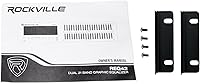
A handful of users without prior rack experience found the manual instructions sparse and had to rely on online resources to figure out signal routing through the RCA connections. The setup is not complicated, but the documentation could be more beginner-friendly.
Audio Performance
67%
33%
For home listening, DJ monitoring, and small PA applications, the REQ42-B delivers clearly audible and useful EQ adjustments across its frequency range. Users tuning out boomy bass in a small room or adding presence to a vocal mix reported that the unit does exactly what they need.
Signal transparency is the recurring weak point — at higher boost settings, a noise floor increase becomes noticeable, particularly in quieter recordings or sensitive monitoring environments. This is a known limitation of analog graphic EQs at this price tier, and serious recordists will likely hear the difference compared to higher-end units.
Connectivity
61%
39%
The front-panel 3.5mm input is a practical touch that many DJ and home audio users appreciate, allowing quick plug-in from a phone or laptop without rerouting rear cables. The RCA input and record output cover the most common home and DJ signal chains cleanly.
The RCA-only design is the most frequently mentioned frustration in user feedback, particularly among buyers who work with XLR-based mixers, amplifiers, or stage equipment. Adapters solve the problem technically, but the lack of any balanced output means signal integrity can suffer over longer cable runs — a real issue in live sound contexts.
Visual Feedback & Display
89%
The blue LED sliders and multi-color frequency display are among the most praised features in user reviews, especially from DJs working in dark booths or musicians on dimly lit stages. The dual VU meters provide a quick, readable reference for output levels that users find genuinely useful rather than decorative.
A small number of users felt the LED brightness was slightly too intense in very dark environments, causing minor eye strain during extended sessions. There is also no dimmer or display brightness control, which would have been a welcome addition for studio use where ambient light is carefully managed.
Channel Control & EQ Precision
84%
Having 21 independent bands per channel gives users meaningful control over the stereo field — something that single-channel or 10-band units simply cannot match. Home studio users noted that being able to cut a problem frequency on only one channel without affecting the other was a practical advantage for room correction.
Some users pointed out that the center-detent feel on the sliders is not particularly strong, making it slightly harder to reset a band to flat by feel alone in a live setting. You generally need to look at the display rather than rely on tactile feedback.
Portability & Size
72%
28%
At 6.5 pounds, the REQ42-B is light enough that mobile DJs regularly transport it without complaint, and the rack-mount format means it integrates into rolling cases without any custom fitting. Users who own road racks find it easy to include on a regular basis.
The 19-inch width and 12-inch depth make it genuinely large for desk or tabletop placement — several users noted it dominated their workspace once the rack brackets were removed. For anyone without a dedicated rack, the footprint requires deliberate planning.
Signal Routing Flexibility
69%
31%
The front-panel source selector switch is a small but well-received feature, letting users flip between the rear RCA source and the front 3.5mm input without reaching around the back of the unit. Users with mixed signal sources — say, a turntable and a phone — appreciated the quick-switching convenience.
Beyond that input switch, routing options are fairly limited. There is no effects loop, no mono sum option, and no bypass switch for A/B comparison between processed and unprocessed signal — all features that more experienced users tend to miss once they start working with this graphic EQ regularly.
Noise Floor
58%
42%
At nominal, near-center slider positions, the noise floor is acceptable for DJ monitoring and home listening, where a modest amount of ambient sound already masks low-level hiss. Most casual users in those contexts never flag it as a problem.
Push the sliders toward their upper limits and the self-noise becomes clearly audible in headphone monitoring or close-field studio setups. This is the most technically limiting aspect of the unit and the one most likely to frustrate buyers who need clean signal at high gain levels.
Longevity & Reliability
79%
21%
The product has been on the market since 2014 without being discontinued, and a meaningful portion of reviewers mention owning the unit for multiple years without hardware failures. That kind of durability track record at this price point is reassuring.
Some longer-term users have reported that slider contacts can develop intermittent crackling after several years of regular use, particularly if the unit is transported frequently. This is not universal, but it is worth noting for buyers who plan to use it heavily over the long term.
Compatibility with Existing Gear
64%
36%
For buyers with RCA-based home audio systems, AV receivers, or consumer DJ gear, compatibility is plug-and-play and requires no additional hardware. The unit handles standard line-level signals from these sources without any configuration.
Anyone running an XLR-dominant setup — which includes most professional live sound rigs and semi-pro recording interfaces — will need adapters and will end up with an unbalanced signal path regardless. That limitation narrows the unit's practical compatibility more than the feature list alone would suggest.
Setup Documentation
55%
45%
The physical layout of the front panel is intuitive enough that many users with prior audio experience set the unit up correctly without consulting the manual at all. The labeled frequency points on the sliders make the basic operation self-explanatory.
The included documentation is thin and has drawn criticism from beginners who needed clearer guidance on signal chain integration. Several users mentioned turning to YouTube tutorials to understand how to properly loop the EQ into their receiver or mixer, which should not be necessary for a product at any price.

Suitable for:

The Rockville REQ42-B Dual 21-Band Graphic Equalizer is a strong pick for anyone who needs hands-on frequency control without stepping into professional-grade pricing territory. Home studio hobbyists will find the dual-channel design genuinely useful for correcting room acoustics or shaping a stereo mix with more precision than a receiver's tone controls ever allow. Mobile DJs are probably the most natural fit — the rack-mountable chassis integrates cleanly into a standard road setup, and the front-panel MP3 input means plugging in a backup device takes seconds. Musicians running small PA systems in rehearsal rooms or community venues can also put this graphic EQ to good work, rolling off problem frequencies or adding presence to a vocal mix. Even home theater enthusiasts looking to fine-tune their audio chain will find it a practical and affordable addition to an AV rack.
Not suitable for:

The Rockville REQ42-B Dual 21-Band Graphic Equalizer is not the right tool for professional studio engineers or live sound engineers working with industry-standard XLR-based signal chains — the RCA-only connectivity will create friction, requiring adapters that can introduce their own signal concerns. At higher gain settings, some users have noticed a modest increase in background noise, which may be tolerable in a DJ booth but becomes a real issue in quiet recording environments where signal transparency is non-negotiable. This rack-mount equalizer also lacks the balanced outputs and ultra-low noise floor that serious recording applications demand, so anyone chasing pristine, transparent audio for professional releases should look at a higher-tier unit. If your setup is heavily XLR-dependent or you are mixing in a professional live sound context, the connectivity limitations alone make this a difficult fit.
Specifications

  • Model Number: The unit is officially designated as the REQ42-B, as labeled on the front panel and manufacturer documentation.
  • Equalizer Type: Dual-channel analog graphic equalizer with 21 bands per channel for independent left and right frequency adjustment.
  • Frequency Range: Each channel covers the full audible spectrum from 20Hz to 20kHz across its 21 frequency bands.
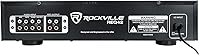
  • Inputs: Connectivity includes RCA stereo input and a front-panel 3.5mm auxiliary input for portable media devices.
  • Outputs: A dedicated RCA stereo record output allows the processed signal to be routed to a recording device or amplifier.
  • Front Panel Switch: A front-panel source selector switch lets you toggle between the rear RCA input and the front 3.5mm input.
  • Level Monitoring: Dual analog VU meters provide real-time output level monitoring across both channels simultaneously.
  • Display & Indicators: Blue LED sliders and a multi-color LED frequency display provide clear visual feedback, even in low-light environments.
  • Rack Compatibility: The chassis follows the standard 19″ rack-mount format and ships with removable brackets for desktop placement.
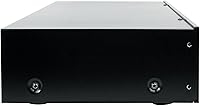
  • Dimensions: The unit measures 19 x 12 x 6 inches, fitting a standard two-unit rack space in depth and height.
  • Weight: The REQ42-B weighs 6.5 pounds, making it manageable for transport while still feeling solidly constructed.
  • Chassis Material: The enclosure is built from black-finished metal, contributing to its durability and better-than-expected rigidity.
  • Power Requirements: The unit operates on standard 110V AC power and is intended for use in North American electrical environments.
  • Connector Type: All primary audio connections use RCA (phono) connectors; no XLR or TRS balanced connections are included.
  • Market Availability: This product has been continuously available since July 2014 and is not listed as discontinued by the manufacturer.

Related Reviews

Rockville REQ20 Dual 10-Band Graphic Equalizer
70%
83%
Value for Money
58%
Build Quality
62%
Signal Clarity
87%
Ease of Setup
66%
Slider Feel & Precision
More
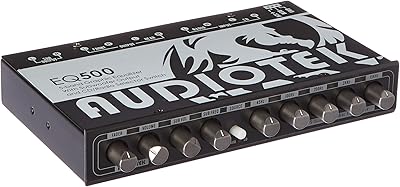
Audiotek At-eq500 5-Band Graphic Equalizer
84%
88%
Audio Performance
91%
Ease of Use
89%
Bass Control
60%
Build Quality
87%
Sound Clarity
More
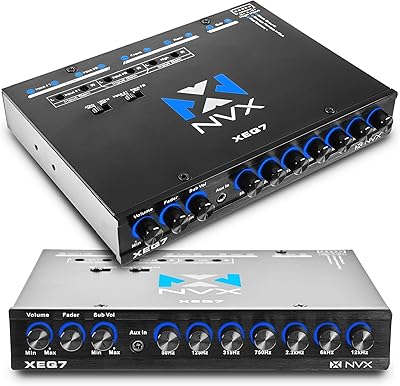
NVX XEQ7 7-Band Graphic Equalizer
86%
87%
Sound Performance
92%
Ease of Installation
90%
Bass Control
83%
Build Quality
88%
Connectivity Options
More
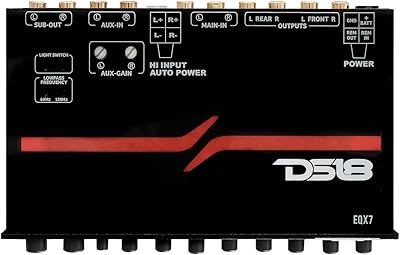
DS18 EQX7 7-Band Graphic Equalizer
85%
88%
Sound Quality
90%
Bass Performance
82%
Ease of Installation
85%
Build Quality
87%
Frequency Range
More
Stratux Dual Band ADS-B Aviation Receiver
80%
88%
Signal Reception
91%
Value for Money
63%
Ease of Setup
89%
App Compatibility
71%
AHRS Performance
More
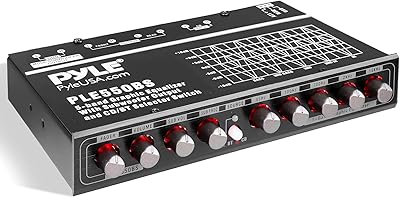
Pyle PLE550BS 5-Band Bluetooth Car Equalizer
74%
88%
Value for Money
83%
Sound Quality Improvement
79%
Bluetooth Performance
86%
Subwoofer Integration
54%
Build Quality
More
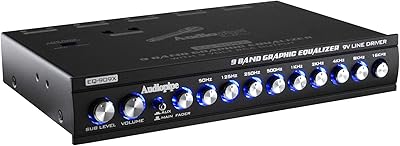
Audiopipe EQ-909X 9-Band Car Graphic Equalizer
80%
91%
Ease of Installation
88%
Signal Clarity
74%
Build Quality
93%
Value for Money
86%
Subwoofer Control
More
Gravity GR-EQ9 7-Band Graphic Equalizer
82%
89%
Sound Quality
85%
Ease of Installation
90%
Bass Control
80%
Build Quality
82%
User Interface
More
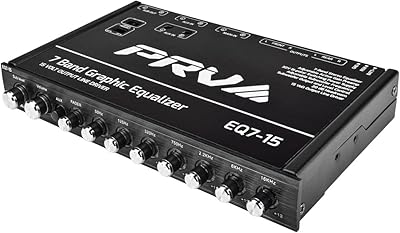
PRV AUDIO EQ7-15 7 Band Graphic Equalizer
83%
91%
Sound Performance
85%
Ease of Installation
80%
Build Quality
88%
Ease of Use
92%
Value for Money
More
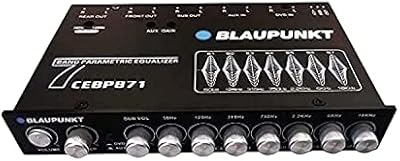
Blaupunkt CEBP871 7-Band Car Audio Graphic Equalizer
86%
89%
Sound Quality
91%
Ease of Installation
85%
Customization Options
87%
Input Versatility
82%
Build Quality
More

FAQ

Yes, as long as your receiver has RCA inputs and outputs, you can loop the REQ42-B into your signal chain without any adapters. Just run a pair of RCA cables from your receiver's tape output into the EQ input, and from the EQ output back into the receiver's tape return or auxiliary input.

Absolutely — there is a 3.5mm input on the front panel specifically for that purpose. You can plug in your phone, laptop, or any portable media player and run audio through the EQ without touching the rear RCA connections. It is a handy feature for quick setups.

Yes, it follows the standard 19-inch rack-mount format, so it will slot into any standard rack case without modification. The rack ears are included and already attached, though you can remove them if you prefer to set it flat on a surface.

At normal operating gain levels, most users find the noise floor acceptable for DJ and home audio use. However, if you push the gain sliders significantly above center, some hiss can creep in — this is fairly typical behavior for analog EQs at this price tier and is worth keeping in mind if you are using it in a quiet recording environment.

Not directly — the unit only has RCA connections, so you would need RCA-to-XLR adapter cables to interface with professional gear. These adapters are inexpensive and widely available, but be aware that the signal remains unbalanced on the EQ side, which can matter over longer cable runs.

Each channel has 21 bands, which gives you a separate slider for each major frequency point from 20Hz all the way up to 20kHz. Compared to a 10-band EQ, that extra resolution lets you make much more precise adjustments — for example, cutting a specific problem frequency in a room without affecting the ones right next to it.

Yes, the rack brackets are removable, and the unit sits flat on a desk or table once they are off. It is a fairly large footprint at 19 inches wide, so make sure you have the surface space for it before assuming it will tuck neatly into a small area.

It works well for that application if your home theater receiver or amplifier uses RCA connections. You can use this rack-mount equalizer to adjust the tonal balance of your system to better suit your room — for instance, taming excessive bass buildup or adding a bit more presence to dialogue frequencies.

The VU meters give you a live read of your output levels on both channels at a glance. Practically speaking, they help you catch situations where the signal is running too hot before it causes audible distortion or clipping downstream in your amplifier or powered speakers.

It is a solid entry point. The sliders are clearly labeled by frequency, the VU meters give you immediate visual feedback on what your adjustments are doing, and the overall layout is intuitive enough that you do not need a deep technical background to start using it effectively. Just move a slider up to boost a frequency, down to cut it, and listen to how it affects your sound.

Where to Buy