Overview

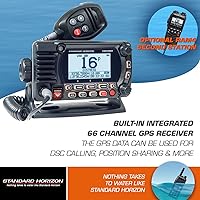
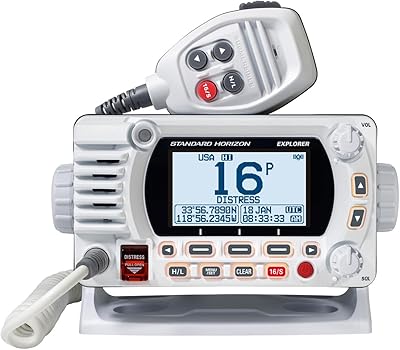
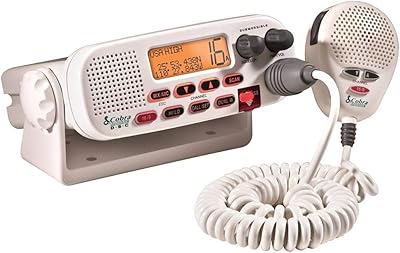
The Standard Horizon GX1850 Fixed Mount VHF Radio sits in a comfortable middle ground — capable enough for serious coastal work, without the price premium of a flagship unit. What separates the GX1850 from basic fixed-mounts is its NMEA 2000 connectivity, which lets it communicate directly with chartplotters and other networked instruments at the helm. Add submersible waterproofing and a full 25W output, and you have a radio built for conditions that would punish lesser hardware. This isn't an entry-level unit dressed up in marketing language — it's a genuinely capable piece of marine communications gear aimed squarely at the serious recreational boater.
Features & Benefits

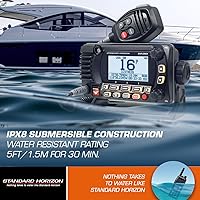
The NMEA 2000 integration is the headline feature — plug this fixed-mount VHF into your existing onboard network and it can share position data with your chartplotter without running separate wiring. All 16 international channels are covered, including dedicated weather channels and CH16, the distress frequency no offshore sailor should be without. The submersible rating goes well beyond typical splash resistance, which matters when spray is hammering the helm. Talking range tops out at 36 miles, though real-world performance depends heavily on antenna height and atmospheric conditions — expect 15 to 20 miles in typical coastal use. At 10 x 7 x 4 inches, the GX1850 fits standard helm cutouts without drama.

Best For

This Standard Horizon radio makes the most sense for coastal and inland boaters who already have, or plan to build, a NMEA 2000 network at the helm. If you're stepping up from a basic radio that lacks DSC or network connectivity, this is a natural upgrade path. It also suits sailors and powerboat owners who want genuine submersible durability without paying for a color touchscreen or built-in AIS they may not actually need. What it won't satisfy is the boater who wants everything in one box — no AIS receiver, no color display here. For anyone focused on reliable helm integration on a coastal cruiser or bluewater prep build, it covers the core essentials well.

User Feedback

Owners consistently point to easy installation and clean audio quality as standout positives — most report a straightforward mounting and wiring process, even for DIY installs. DSC functionality draws solid marks too, with buyers noting it behaves reliably under real conditions. The criticisms that surface repeatedly center on the menu system, which takes time to learn and feels less intuitive than some competing units, and the absence of a built-in AIS receiver that some buyers only noticed post-purchase. A few also mention that NMEA 2000 hookup may require an additional T-piece or connector depending on existing network hardware. Overall, buyer satisfaction skews positive, with most feeling the radio delivers strong value for its market tier.

Pros

  • NMEA 2000 integration lets the GX1850 communicate with chartplotters and onboard instruments right out of the box.
  • Submersible waterproofing holds up in genuinely harsh conditions, not just light spray.
  • Full 25W output and all 16 international channels ensure solid coastal communication coverage.
  • DSC functionality works reliably and is straightforward to configure for most boaters.
  • Compact dimensions fit standard helm panels without requiring custom modifications.
  • Installation is DIY-friendly, with most owners reporting a clean, uncomplicated setup process.
  • Audio clarity gets consistent praise, even in noisy cockpit environments.
  • 12V DC compatibility means no special electrical work for the vast majority of marine installations.
  • Strong overall value for a mid-range radio with genuine network connectivity built in.

Cons

  • No built-in AIS receiver, which is an increasingly expected feature at this price point.
  • Menu navigation has a noticeable learning curve that some users find frustrating early on.
  • NMEA 2000 hookup may require purchasing additional connectors or a T-piece not included in the box.
  • Stated 36-mile talking range is a best-case figure; real-world coastal performance is typically considerably shorter.
  • No color display or touchscreen interface, which may feel dated compared to some competing units.
  • Plastic housing, while functional, does not inspire the same confidence as metal-bodied alternatives in heavy-use scenarios.
  • Warranty documentation included in the package has been described by buyers as vague and lacking in detail.
  • Boaters without an existing NMEA 2000 network will not benefit from the radio's primary differentiating feature.

Ratings

The scores below for the Standard Horizon GX1850 Fixed Mount VHF Radio were generated by AI after analyzing verified buyer reviews from multiple global sources, with spam, bot-submitted, and incentivized feedback actively filtered out. Each category reflects the honest consensus of real owners — coastal sailors, powerboat operators, and marine electronics installers — capturing both what this radio does well and where it falls short. Strengths and frustrations are weighted equally, so the scores tell the full story.

NMEA 2000 Integration
83%
Boaters who already run a NMEA 2000 network at the helm find this feature genuinely useful — plugging the radio into an existing backbone takes minutes, and position data flows to the chartplotter without any extra wiring gymnastics. For those building out a connected helm, this integration alone justifies the step up from a basic fixed-mount.
Buyers who do not already have a NMEA 2000 network often discover that additional connectors, T-pieces, and drop cables are required but not included. A handful of owners also noted that getting the network handshake working correctly with certain older chartplotters took more troubleshooting than expected.
Audio Clarity
88%
Clear, loud audio is one of the most consistently praised aspects across owner reviews. Boaters running in open cockpits or in rough conditions note that transmissions come through crisply even with wind and engine noise in the background, which is exactly what you need when communication actually matters.
A small number of users reported that the speaker output, while clear, is not quite loud enough at maximum volume in high-noise environments like planing powerboats at speed. An external speaker connection helps in those situations, but it is an extra step some buyers did not anticipate needing.
Waterproofing & Durability
86%
The submersible rating earns real confidence from owners who sail in exposed conditions — multiple reviewers specifically mentioned surviving cockpit flooding events or heavy spray without any radio failure. Unlike basic splash-resistant units, this one holds up when conditions get serious rather than just inconvenient.
The plastic housing, while adequate for normal marine use, does attract some skepticism from buyers accustomed to more ruggedized competitors. Surface scuffing and UV fading have been noted by a few long-term owners in consistently sunny climates, though these are cosmetic rather than functional issues.
DSC Functionality
84%
Digital Selective Calling works reliably and is straightforward to activate once the initial configuration is done — most owners connect a GPS source via NMEA 2000 and the position-embedded distress function operates exactly as intended. Buyers upgrading from radios without DSC consistently cite this as a meaningful safety improvement.
Initial DSC setup requires entering an MMSI number, which some first-time DSC users found confusing without external guidance. The manual covers the process but is not especially user-friendly for those who have never programmed a DSC radio before.
Ease of Installation
82%
18%
The majority of owners report a clean, uncomplicated installation process — standard wiring connections, a sensible mounting footprint, and a panel cutout that fits most existing helm openings without modification. DIY installers with basic marine wiring experience generally finish the job in under two hours.
The microphone bracket and cable management could be better thought out; a few installers noted that routing the mic cable neatly on certain helm layouts required improvising. NMEA 2000 integration adds complexity for first-timers who have never worked with that network before.
Menu Navigation
61%
39%
Once owners invest time learning the menu structure, most describe it as logical and consistent — functions are where you expect them after a period of familiarity. Boaters who spend regular time aboard adapt relatively quickly and stop noticing the initial friction.
The menu system is one of the most frequently cited frustrations in owner reviews. Navigating to less-used functions feels unnecessarily layered compared to competing units from Garmin or Icom, and the button feedback is not always decisive enough to confirm inputs quickly in choppy conditions.
Transmission Range
71%
29%
In real-world coastal conditions with a properly installed mast antenna, owners report solid vessel-to-vessel range in the 15 to 20 mile bracket, and reliably reaching Coast Guard shore stations at distances beyond that. For the coastal and inland scenarios this radio is designed for, that is genuinely sufficient.
The stated 36-mile maximum creates expectation problems — a number of buyers expressed disappointment when real-world performance came in well below that figure, not realizing the spec assumes ideal line-of-sight conditions with optimal antenna placement. Managing this expectation upfront would save frustration.
Value for Money
79%
21%
Owners who use the NMEA 2000 connectivity and DSC features consistently feel the radio delivers fair value for the price tier, particularly when compared to stepping up to a flagship unit for features they would not fully use. For a mid-range upgrade, the capability-to-cost ratio lands well.
Buyers who purchase primarily for basic VHF communication without using the NMEA 2000 feature sometimes feel the premium over a simpler radio is harder to justify. The absence of AIS and a color display also makes a few owners question whether the pricing is as competitive as it could be.
AIS Capability
28%
72%
This is not a category where the radio earns points — no built-in AIS is a deliberate design choice at this price tier, and buyers who research the spec sheet in advance know what they are getting.
The lack of any AIS receiving capability is the single most common source of post-purchase disappointment in owner reviews, particularly among sailors who assumed AIS was standard at this price point. Adding a separate AIS receiver adds cost and helm complexity that some buyers were not planning for.
Channel Coverage
91%
All 16 international marine channels are present and correctly programmed, including CH16 for distress, NOAA weather channels, and CH22A for direct Coast Guard contact. Owners confirm that weather alert monitoring works reliably in the background, which is a practical advantage on passages where conditions can shift.
There are no meaningful gaps in channel coverage to criticize — this is a category where the radio simply delivers what is expected of any properly built marine VHF. A few international users noted minor regional channel configuration steps, but nothing that required significant effort.
Display Readability
66%
34%
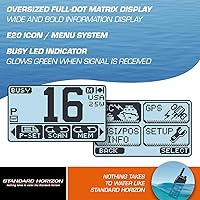
The monochrome display is clear and readable in typical daylight conditions, with adjustable backlighting that works well for night-time helm use. Most owners find the essential channel and status information easy to read at a glance in normal operating conditions.
In direct, harsh sunlight — particularly on open water in the tropics or mid-summer — glare on the display can make reading difficult without repositioning yourself. The lack of a color display also makes the interface feel dated compared to newer competitors offering more visually rich screens.
Microphone Quality
77%
23%
The included handheld microphone delivers clear voice transmission and receives consistently positive feedback from other vessel operators and Coast Guard stations. Most owners do not feel the need to replace it, which is not always the case with bundled microphones at this price point.
The mic housing feels slightly lightweight in hand, and the coiled cord has been described by some users as shorter than ideal for larger helm setups. A longer standard cord or an optional extension would be a welcome addition that Standard Horizon does not include.
Weather Alerting
81%
19%
NOAA weather alert monitoring functions reliably in the background and triggers an audible alarm when broadcasts are issued — a feature that coastal boaters in weather-prone regions specifically call out as reassuring. It works without any additional hardware or subscription service.
The alert tone is functional but not particularly loud, which means it can be missed in a noisy engine compartment or when the crew is active on deck. An adjustable alarm volume setting would make this feature more dependable in real-world sailing scenarios.
GPS Compatibility
74%
26%
When connected to a GPS source via NMEA 2000, the radio correctly embeds position data into DSC distress calls and handles the data handshake reliably across a range of compatible devices. Owners who set this up properly report that it functions exactly as intended without ongoing maintenance.
GPS integration is entirely dependent on having a compatible external source — there is no internal GPS, and without one, the DSC position feature is inactive. A few buyers were surprised to discover this dependency after purchase, expecting the radio to handle positioning independently.

Suitable for:

The Standard Horizon GX1850 Fixed Mount VHF Radio is a strong fit for coastal and inland boaters who want a dependable, network-capable radio without climbing into premium price territory. If you already run a NMEA 2000 backbone at the helm — connecting a chartplotter, depth sounder, and other instruments — this fixed-mount VHF slots into that ecosystem cleanly, sharing position and vessel data without extra wiring headaches. Sailors and powerboat operators upgrading from a bare-bones radio will notice an immediate jump in capability, particularly with full DSC functionality and reliable all-channel coverage including CH16. The submersible waterproofing is a genuine advantage for open cockpit boats or any vessel where spray and weather are routine rather than exceptional. Anyone building out a serious helm communications setup on a mid-sized cruiser, sailboat, or coastal powerboat will find the GX1850 covers the practical essentials at a price point that makes sense.
Not suitable for:

The Standard Horizon GX1850 Fixed Mount VHF Radio is not the right choice for boaters who want an all-in-one solution with built-in AIS receiving capability — that feature simply is not here, and if AIS target display matters to you, you will need to budget for a separate receiver or a higher-tier radio. Buyers expecting a modern touchscreen interface or color display will also be disappointed; the controls are functional but traditional, and the menu system has a learning curve that frustrates some users accustomed to more intuitive layouts. If your vessel does not have an existing NMEA 2000 network, you will not get full value from one of its headline features, and adding that infrastructure carries additional cost and effort. Bluewater offshore sailors planning extended passages who want maximum redundancy and integrated AIS in a single unit should look at the next tier up rather than trying to work around this radio's limitations.
Specifications

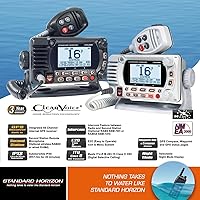
  • Brand: Manufactured by Standard Horizon, a well-established name in marine communications equipment.
  • Model: The unit is designated model GX1850B, the black variant of the GX1850 series.
  • Product Type: Fixed-mount VHF marine radio designed for permanent helm installation on recreational and coastal vessels.
  • Output Power: Transmits at 25W, which is the standard maximum output class for fixed-mount marine VHF radios.
  • Frequency Range: Covers 156–174 MHz, encompassing all standard international marine VHF channels.
  • Channels: Supports all 16 international marine channels, including CH16 for distress and CH22A for the US Coast Guard.
  • Talking Range: Rated to a maximum of 36 miles under ideal line-of-sight conditions with a properly installed antenna.
  • Connectivity: Equipped with NMEA 2000 interface for integration with compatible chartplotters and onboard instrument networks.
  • Waterproofing: Rated submersible, meaning it is built to withstand temporary immersion rather than surface splash alone.
  • Voltage: Operates on 12V DC, compatible with standard marine electrical systems found on the vast majority of recreational boats.
  • Dimensions: The unit measures 10 x 7 x 4 inches, fitting most standard helm panel cutouts without major modification.
  • Package Dimensions: Shipped in a box measuring 9.88 x 7.36 x 3.94 inches for planning installation space and storage.
  • Weight: The radio body weighs 16 ounces, keeping helm panel load minimal.
  • Package Weight: Complete packaged weight is 1.57 kilograms, inclusive of all included accessories and packaging materials.
  • Housing Material: Constructed from plastic housing, balancing weight savings with adequate protection for marine helm environments.
  • Color: Available in black, which suits most helm panel aesthetics and reduces visible weathering over time.
  • DSC: Includes Digital Selective Calling (DSC) functionality, enabling automated distress signaling when connected to a GPS source.
  • AIS: No built-in AIS receiver is included; a separate AIS device is required for target tracking on this unit.
  • Display: Features a monochrome display without color or touchscreen capability, using traditional button-based controls.
  • Warranty: Standard Horizon includes a manufacturer warranty with this radio; buyers should confirm specific terms directly with the manufacturer at time of purchase.

Related Reviews
Standard Horizon HX40 VHF Marine Radio
86%
88%
Range & Performance
92%
Build Quality & Durability
95%
Waterproofing
89%
Ease of Use
72%
Battery Life
More
Standard Horizon HX890NB VHF/GPS Radio
86%
91%
Performance in Marine Environments
93%
Build Quality and Durability
82%
Ease of Use
88%
Battery Life
94%
Waterproofing and Submersion
More
Standard Horizon GX1800G Fixed Mount VHF Radio
81%
91%
GPS & DSC Integration
83%
Transmit Range & Power
88%
Build & Waterproofing
67%
Display Readability
74%
Ease of Installation
More
ICOM M424G Fixed Mount VHF Radio
81%
93%
DSC & GPS Accuracy
91%
Audio Clarity
88%
AquaQuake Performance
89%
Waterproofing & Durability
61%
Installation Experience
More
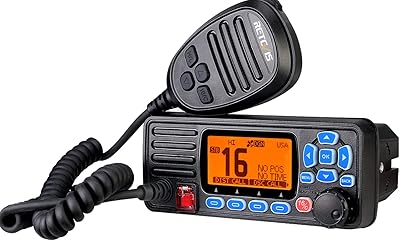
Standard Horizon HX210 Handheld Marine VHF Radio
85%
93%
Waterproof Protection
86%
Build Quality
88%
Battery Life
79%
Charging System
71%
Transmit Range
More
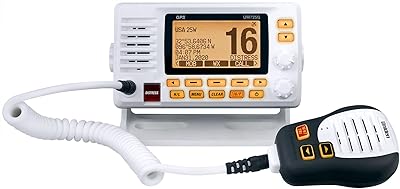
Retevis RA27 Fixed Mount Marine Radio
77%
88%
Value for Money
83%
DSC & Emergency Performance
76%
GPS Accuracy
87%
Ease of Installation
67%
Audio Clarity
More
Uniden MHS75 VHF Marine Radio
89%
94%
Waterproof Performance
85%
Range & Signal Strength
88%
Battery Life
90%
Ease of Use
91%
Build Quality
More
Uniden UM725G Marine VHF Radio
79%
93%
Display Clarity
91%
Built-in GPS
88%
DSC Functionality
86%
Audio Quality
84%
Ease of Installation
More
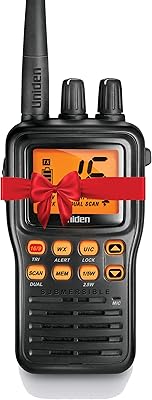
Uniden UM435BK Fixed Mount VHF Marine Radio
80%
93%
Waterproofing & Weather Resistance
88%
Audio Clarity & Reception
84%
Ease of Installation
91%
Channel Coverage & Compatibility
82%
Value for Money
More
Cobra MR HH150 FLT VHF Marine Radio
85%
87%
Performance
92%
Build Quality
79%
Battery Life
88%
Ease of Use
91%
Waterproofing & Durability
More

FAQ

It works perfectly fine as a standalone radio even without a NMEA 2000 network. The NMEA 2000 port is there if you want to integrate it with a chartplotter or other instruments, but you are not required to use it. All core VHF and DSC functions operate independently.

You will typically need a NMEA 2000 T-connector, a short drop cable, and termination resistors if your network is not already fully terminated. These are standard NMEA 2000 accessories available from most marine electronics suppliers and are not included in the box. If you are building a network from scratch, factor in those additional parts.

No, this radio does not have a built-in AIS receiver, so it cannot display AIS targets on its own. If AIS awareness is important to you, you would need to add a dedicated AIS receiver to your setup, or consider a higher-tier radio that bundles AIS into the unit.

Standard Horizon rates the GX1850 as submersible to JIS8 standards, which generally means it can handle temporary immersion in up to about 1 meter of water for a short period. For practical purposes, this means it will survive a wave washing over the helm or brief contact with water, which is the scenario most boaters actually face.

The 36-mile figure is a best-case, line-of-sight maximum typically achieved with a well-positioned mast-mounted antenna under ideal atmospheric conditions. In typical coastal use with a standard antenna, realistic range is usually in the 15 to 20 mile range for vessel-to-vessel communication. Range to shore-based stations or the Coast Guard tends to be better given their antenna height advantage.

Most boaters with basic wiring confidence handle this installation themselves without much trouble. You will need to run power leads, mount the head unit, and route the antenna cable — all standard tasks for a fixed-mount radio swap. The NMEA 2000 connection adds a step but is not complicated if you are already familiar with the network. If this is your first fixed-mount installation, the manual is reasonably clear, though watching an online walkthrough beforehand never hurts.

DSC distress calls will transmit without GPS, but the radio will not be able to include your position in the distress signal unless it has a GPS source connected. For the position data to be embedded automatically, you need to connect a GPS receiver via NMEA 2000 or NMEA 0183, or manually enter your coordinates. Connecting GPS is strongly recommended for proper distress functionality.

This is an area where the GX1850 gets mixed feedback from buyers. The menus are logical once you learn them, but the layout is not as immediately intuitive as some competing units from Garmin or Icom. Most users report that after a few days of use, navigation becomes second nature — but plan on spending some time with the manual during initial setup rather than expecting it to be obvious.

Yes, the submersible rating makes it a reasonable choice for open cockpit sailboats where water ingress is a real scenario. Many sailors fit the GX1850 specifically because basic splash-resistant radios are not adequate for bluewater or offshore sailing conditions. Just make sure your mounting location and cable entry points are also properly sealed, since the radio itself can only do so much if water finds another path in.

Yes, the GX1850 supports NOAA weather channel monitoring and can be set to scan weather channels in the background while you operate on other channels. It also supports weather alert functionality, which triggers an audible alarm when a NOAA weather alert is broadcast — a useful feature for coastal passages where conditions can change quickly.

Where to Buy