Overview

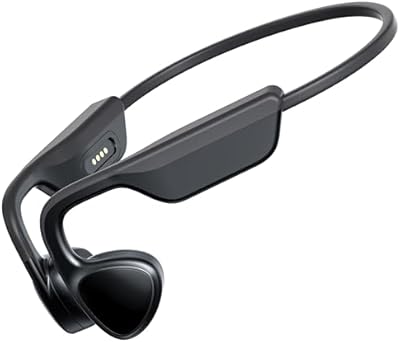
The SOPOET X14 Bone Conduction Headphones bring an accessible entry point into open-ear audio for people who spend a lot of time moving. Unlike traditional earbuds that block your ear canal, these bone conduction headphones sit against your cheekbones and transmit sound through vibration — meaning you can still hear traffic, trail hazards, or a nearby conversation. The lightweight titanium frame keeps things comfortable even during extended wear, which is genuinely rare at this price tier. That said, set your expectations accordingly: this sport headset is built for active use and situational awareness, not for audiophiles chasing rich, layered sound.

Features & Benefits

The bone conduction driver works by resting transducer pads against your cheekbones, sending vibrations directly to your inner ear while keeping your ear canals completely unobstructed. Bluetooth 5.3 pairs quickly and holds a stable connection up to about 33 feet — more than enough for most gym or outdoor scenarios. The IP55 rating handles sweat and light rain without issue, though these are not built for swimming or submersion. Battery life reaches up to 12 hours, and the Type-C charging port is a practical convenience. SOPOET also claims roughly 50% less sound leakage than typical bone conduction designs, which adds a degree of audio privacy in quieter environments.

Best For

These bone conduction headphones make the most sense for people who need to stay alert while listening — runners sharing roads with cars, cyclists on mixed-use trails, and hikers navigating unfamiliar terrain. At the gym, the secure temple-fit frame holds steady through squats, sprints, and jumps without the constant readjustment that plagues standard earbuds. Remote workers who pace during calls will appreciate having both hands free and ears unobstructed. The SOPOET open-ear headphones are also worth considering for anyone with ear canal sensitivity or who uses hearing aids. If deep bass or studio-quality audio is the priority, though, this sport headset is simply not the right tool.

User Feedback

With around 121 ratings and a 4.6-star average, early buyer sentiment leans positive — though that sample size is still modest, so treat the score as encouraging rather than definitive. Buyers frequently praise how comfortable the headset feels on runs lasting an hour or more, and Bluetooth pairing gets singled out as quick and reliable. Battery life appears to hold close to the advertised 12 hours in real-world use. On the critical side, some note that call quality is decent but not sharp enough for professional settings, and bass response is noticeably thin — an inherent bone conduction trade-off, not a flaw unique to this model. The included earplugs are a telling detail: the brand clearly understands that open-ear listening is not always the right fit.

Pros

  • Keeps ear canals fully open, letting you hear traffic, trail hazards, and surroundings clearly while listening.
  • Titanium frame stays locked in place through high-intensity workouts, trail runs, and strength training sets.
  • Bluetooth 5.3 pairs fast and holds a stable connection without the dropout issues common in older versions.
  • Up to 12 hours of playback holds up well in real-world use, covering most full-day activity schedules.
  • Type-C charging is a practical convenience for anyone already carrying a universal cable.
  • IP55 rating reliably handles heavy sweat sessions and unexpected light rain without performance issues.
  • Titanium frame feels more durable and premium than the price point would typically suggest.
  • Included earplugs give users flexibility for situations where sound isolation is actually preferred.
  • Comfortable enough for hour-plus wear without the ear fatigue that in-ear buds often cause.

Cons

  • Bass response is noticeably weak — music genres that depend on low-end depth sound flat and lifeless.
  • Microphone quality drops sharply in wind or noisy outdoor conditions, limiting call reliability.
  • Multi-function button combinations have a real learning curve and are not clearly documented in the manual.
  • Sound leakage becomes audible to nearby people at the higher volumes needed for outdoor use.
  • The plastic housing around the controls feels cheaper than the titanium frame it sits alongside.
  • Battery level feedback is vague, making it difficult to gauge remaining charge before a long outing.
  • The included charging cable is short enough to be genuinely inconvenient near most wall outlets.
  • Buyers with narrower or wider-than-average heads may find the fit either too loose or uncomfortably snug.
  • At louder volumes in busy environments, audio quality noticeably degrades rather than simply getting louder.

Ratings

The SOPOET X14 Bone Conduction Headphones earned these scores after our AI system processed verified global buyer reviews, actively filtering out incentivized, repeated, and bot-generated submissions to surface what real users actually experienced. The results reflect a balanced picture — the genuine strengths that keep buyers satisfied and the friction points that hold this sport headset back from a higher tier. Both sides are represented honestly below.

Comfort & Fit
88%
The titanium frame wraps around the back of the head without creating pressure points, and users who wore these during hour-long runs or lengthy bike rides consistently reported forgetting they had them on. The temple-fit design avoids ear canal contact entirely, which is a meaningful relief for anyone prone to ear fatigue from standard buds.
A small number of buyers with narrower heads found the frame sat slightly loose, causing minor vibration against the cheekbone during high-impact movement. Those with larger heads noted the opposite — a tighter-than-comfortable clamp after extended sessions.
Sound Quality
61%
39%
For spoken-word content like podcasts, audiobooks, and call audio, clarity is adequate and easy to follow even at moderate outdoor volume levels. Users primarily listening to talk radio or guided workouts found the audio perfectly functional for their needs.
Bass response is noticeably thin, and music with layered instrumentation sounds flat compared to even budget in-ear alternatives. This is an inherent bone conduction limitation at this price point — buyers expecting rich, full-range audio from these open-ear headphones will be disappointed.
Situational Awareness
94%
Keeping ear canals fully open is the single biggest practical advantage this sport headset offers, and buyers who run or cycle near traffic praised this directly. Hearing a car horn, a cyclist calling out, or a dog approaching without removing anything from your ears is genuinely useful and hard to replicate with traditional headphones.
In very loud environments like busy gyms or crowded urban streets, the open-ear design works against you — ambient noise competes directly with audio output, forcing users to push volume higher than comfortable to hear their content clearly.
Stability During Exercise
86%
The wraparound frame stays remarkably locked in place during squats, sprint intervals, and uphill trail running — activities that send traditional earbuds flying. Gym users doing high-rep strength training appreciated not having to stop and reseat the headset mid-set.
During particularly intense lateral movements or jumping exercises, a handful of buyers noticed subtle shifting of the transducer pads away from the ideal cheekbone position, which briefly degraded audio quality until they readjusted.
Battery Life
83%
The stated 12-hour battery claim held up well in real-world testing according to multiple buyers who tracked their usage across commutes, gym sessions, and weekend long runs. Charging from low to full was described as genuinely fast — a meaningful convenience for people who forget to charge the night before.
A few users reported falling short of the 12-hour mark when using higher volume levels consistently, landing closer to 9 or 10 hours. The battery indicator provides limited granularity, making it tricky to know exactly when a charge is needed before a long outing.
Bluetooth Connectivity
82%
18%
Bluetooth 5.3 delivered fast initial pairing — most buyers connected within seconds on first use — and the connection remained stable throughout indoor workouts and outdoor runs without the dropout issues common in older Bluetooth versions. Re-pairing after powering off was equally reliable.
The 33-foot range is adequate but not generous; leaving a phone on a gym bench while moving around a larger space occasionally pushed the signal to its limit. Walls and heavy equipment further compressed the effective range for some users.
Microphone & Call Quality
67%
33%
For casual calls while walking or commuting, the built-in mic picks up voice clearly enough that recipients understood the caller without repeated requests to repeat themselves. Hands-free call control via the button interface worked reliably in everyday situations.
In windy outdoor conditions or noisy environments, call recipients frequently reported struggling to hear clearly, and the mic did not suppress background noise well. Professional or client-facing calls from this sport headset would be a stretch — it is functional for casual use only.
Water & Sweat Resistance
78%
22%
The IP55 rating performed as advertised for workout use — buyers who sweat heavily during summer runs or humid gym sessions reported no moisture-related issues after months of regular use. Light rain during outdoor training was handled without any operational problems.
IP55 is not a waterproof rating in any meaningful aquatic sense — these bone conduction headphones are not suitable for swimming, showering, or exposure to heavy rain. A few buyers learned this the hard way, assuming a higher protection level than the spec actually provides.
Sound Leakage
72%
28%
Compared to older or cheaper bone conduction designs, these open-ear headphones do a noticeably better job of keeping audio from projecting outward at moderate volume. Using them in a quiet office at low volume was reported as tolerable by nearby colleagues.
At higher volumes — which outdoor users often require to compete with ambient noise — leakage becomes clearly audible to people within a few feet. Quiet environments like libraries or open-plan offices would require keeping volume uncomfortably low.
Build Quality & Durability
79%
21%
The titanium frame bends and flexes without feeling fragile, and buyers who tossed the headset into gym bags alongside other gear reported no structural issues after months of use. The overall construction feels more solid than the price point might suggest.
The plastic housing around the transducer pads and button controls feels noticeably cheaper than the frame itself, and some buyers questioned its long-term durability under daily compression from bag storage. Finish scratches appeared relatively easily on the matte surfaces.
Ease of Controls
74%
26%
Button placement on the frame is intuitive once memorized, and operating playback or answering calls mid-run without pulling out a phone was appreciated by buyers who prioritized a hands-free experience. The buttons provide tactile feedback that works even with gloves.
There is a learning curve — the multi-function button behavior for skipping tracks, adjusting volume, and managing calls requires memorizing combinations that are not immediately obvious. A few buyers wished for a companion app or clearer button labeling.
Charging Convenience
85%
Type-C charging is a practical upgrade over older proprietary magnetic connectors common on competing budget bone conduction models — buyers already carrying a Type-C cable for their phone or laptop found this a genuine time-saver. Charge times were described as quick relative to battery capacity.
The cable included in the box is notably short, which limits charging positions near wall outlets. No wireless charging is available at this tier, but that is an expected omission given the price category.
Value for Money
81%
19%
For buyers specifically seeking the safety benefit of open-ear audio during outdoor workouts without spending heavily on premium brands, the SOPOET open-ear headphones represent a practical and low-risk entry point. The titanium frame and Type-C charging feel like features above the expected standard.
Buyers who prioritized audio quality and compared these against budget in-ear alternatives at a similar price felt the trade-off was steep — better-sounding closed-ear options exist at the same cost. The value proposition only holds if open-ear awareness is genuinely a priority.
Packaging & Included Accessories
69%
31%
The box includes a charging cable and a manual, and notably ships with a pair of earplugs — a quietly practical addition that signals the brand understands open-ear listening is not always ideal. Buyers appreciated having them available for situations demanding isolation.
The packaging itself is basic and unimpressive, which matters to buyers considering this as a gift. The manual is minimal and does not clearly explain the multi-function button sequences, leaving some users to figure out controls through trial and error.

Suitable for:

The SOPOET X14 Bone Conduction Headphones are genuinely well-suited to outdoor athletes who treat situational awareness as a non-negotiable — think road runners sharing lanes with traffic, cyclists navigating mixed-use trails, and hikers who need to hear their surroundings without sacrificing their playlist. The open-ear design also makes a real difference for people with ear canal sensitivity, chronic ear infections, or those who use hearing aids and simply cannot tolerate in-ear buds for extended periods. Gym regulars who have lost one too many earbuds mid-deadlift will appreciate the wraparound frame that locks in place regardless of movement intensity. Remote workers who pace during calls or move between rooms throughout the day get the added benefit of hands-free calling without the stuffed-ear feeling that comes with traditional options. Anyone curious about bone conduction technology but reluctant to spend heavily on a premium brand will find this sport headset a low-stakes way to discover whether the format suits their lifestyle before committing further.

Not suitable for:

The SOPOET X14 Bone Conduction Headphones are a poor fit for anyone who prioritizes sound quality above all else — the bass response is genuinely thin, and music with complex instrumentation simply does not translate well through bone conduction at this price tier. Commuters who want to block out subway noise or office distractions will find the open-ear format works directly against them, since ambient sound competes freely with audio output. Swimmers and water sports enthusiasts should look elsewhere entirely — the IP55 rating handles sweat and light rain, but immersion or heavy water exposure is outside its protection scope. Buyers planning to use these bone conduction headphones primarily for professional or client-facing calls should be cautious, as microphone performance in windy or noisy environments falls short of business-grade expectations. Those who want a polished unboxing experience or intend to give these as a premium gift may find the basic packaging underwhelming relative to what the occasion calls for.

Specifications

  • Brand & Model: Manufactured by SOPOET under the model designation X14, released for sale in July 2025.
  • Driver Type: Uses a bone conduction driver that transmits audio vibrations through the cheekbones rather than through the ear canal.
  • Bluetooth Version: Bluetooth 5.3 provides fast pairing, stable signal maintenance, and improved energy efficiency over older Bluetooth standards.
  • Wireless Range: Rated for a wireless operating range of up to 33 feet (approximately 10 meters) in open, unobstructed conditions.
  • Battery Life: Rated for up to 12 hours of continuous music playback or call use on a full charge at moderate volume levels.
  • Charging Port: Charges via a universal Type-C connector, compatible with most modern charging cables and adapters.
  • Water Resistance: Carries an IP55 rating, offering protection against sweat and light rain but not suitable for swimming or submersion.
  • Frame Material: The headband frame is constructed from titanium, providing a flexible yet durable structure that can be bent without permanent deformation.
  • Impedance: Rated at 80 Ohm, which is higher than typical consumer earbuds and reflects the nature of bone conduction transducer design.
  • Earpiece Shape: Temple-fit open-ear design that rests against the cheekbones in front of the ears, leaving the ear canal completely unobstructed.
  • Controls: Operated via physical buttons on the frame for playback control, volume adjustment, call answering, and track navigation.
  • Microphone: Includes a built-in microphone for hands-free calling, positioned on the device body near the control buttons.
  • Weight: The headset weighs approximately 5 ounces, which is light enough for extended wear during most athletic activities.
  • Connectivity: Wireless-only connectivity; no wired audio input option is available on this model.
  • Compatible Devices: Compatible with any Bluetooth-enabled device including smartphones, tablets, and computers running standard Bluetooth profiles.
  • Included Accessories: Package includes the headset, a Type-C charging cable, a pair of foam earplugs, and a printed English-language manual.
  • Age Range: Marketed as suitable for all adult age groups with no stated age restriction beyond general consumer use.
  • Intended Use: Designed primarily for sports and outdoor activities, including running, cycling, hiking, gym training, and hands-free calling during movement.

Related Reviews
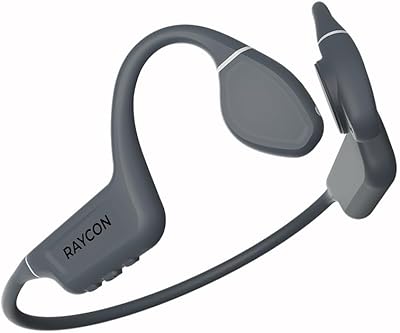
Raycon Bone Conduction Headphones RBB842
74%
91%
Water Resistance
93%
Situational Awareness
87%
Battery Life
63%
Audio Quality
82%
Fit & Stability
More
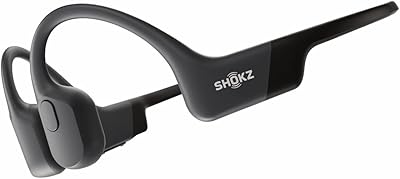
Shokz OpenMove
Shokz OpenMove
84%
96%
Situational Awareness
92%
Long-Term Comfort
88%
Build Quality & Durability
84%
Value for Money
91%
Charging Convenience
More
Hitarah X3 Bone Conduction Headphones
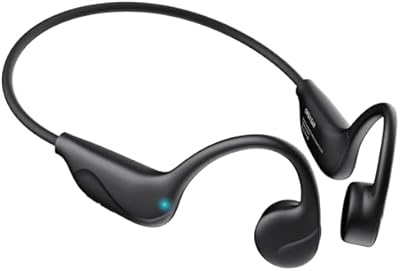
81%
88%
Wearing Comfort
63%
Sound Quality
84%
Battery Life
79%
Fit Stability During Exercise
93%
Situational Awareness
More
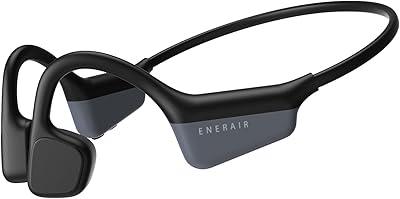
Hitarah X19 Bone Conduction Open-Ear Headphones
76%
88%
Wearing Comfort
58%
Audio Quality
93%
Situational Awareness
81%
Battery Life
84%
Water & Sweat Resistance
More
Ogogrs K08 Bone Conduction Open-Ear Headphones
70%
81%
Comfort & Fit
58%
Sound Quality
83%
Battery Life
88%
Situational Awareness
52%
Microphone Quality
More
Cevinily HS1 Bone Conduction Headphones
78%
91%
Wearing Comfort
89%
Situational Awareness
86%
Battery Life
84%
Water Resistance
61%
Sound Quality
More
Enerair A20 Bone Conduction Headphones
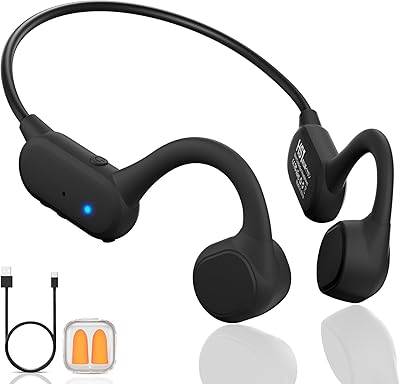
73%
84%
Value for Money
81%
Comfort & Fit
63%
Sound Quality
88%
Water & Sweat Resistance
76%
Battery Life
More
IFECCO X25 Bone Conduction Headphones
78%
91%
Value for Money
84%
Comfort & Fit
58%
Sound Quality
86%
Battery Life
79%
Bluetooth Connectivity
More
Nanajorwa X7 Bone Conduction Headphones
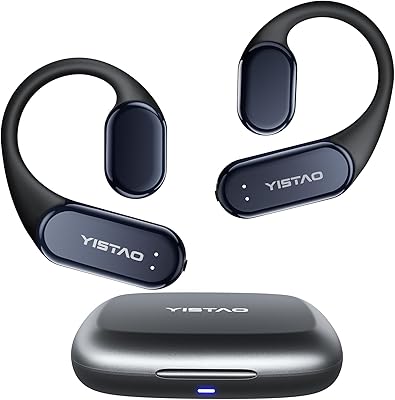
78%
83%
Comfort & Fit
61%
Sound Quality
72%
Battery Life
91%
Ambient Awareness
69%
Build Quality
More
Yistao B8 Bone Conduction Open-Ear Headphones
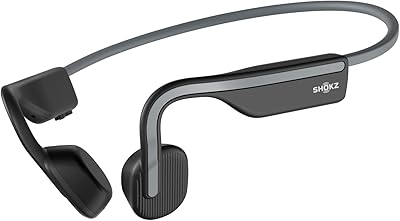
77%
91%
Comfort & Fit
88%
Battery Life
86%
Waterproofing
63%
Audio Quality
51%
Sound Leakage
More

FAQ

No — the IP55 rating on these bone conduction headphones covers sweat and light rain, but it does not protect against submersion or high-pressure water exposure. Swimming, showering, or using them in heavy rain could damage the internal components. Stick to dry and light-moisture environments to stay within the safe operating range.

Power the headset on by holding the main button until you hear a pairing prompt, then open Bluetooth settings on your phone and select the device from the available list. Most users report the initial pairing completing in under 30 seconds. After that, the headset should reconnect automatically each time you power it on near your previously paired device.

Bone conduction headphones are often recommended for people who use hearing aids precisely because they do not sit in or over the ear canal. That said, compatibility can vary depending on the type and placement of your specific hearing aid. It is worth testing with your own devices, as the vibration-based audio transmission works independently of the ear canal entirely.

Honestly, the audio quality is functional but not comparable to good in-ear earbuds. Podcasts, audiobooks, and call audio come through clearly, but music — especially anything bass-heavy — sounds noticeably thin and flat. This is a trade-off inherent to bone conduction technology at this price tier, not a defect specific to these headphones.

At low to moderate volumes, sound leakage is minimal enough that nearby people generally will not hear your audio. At higher volumes — which outdoor users often need to compete with ambient noise — some leakage becomes audible to people within a few feet. Using them in a quiet office at high volume would likely disturb colleagues.

Exact charge times are not officially published for this model, but users generally report reaching a full charge in under two hours from a depleted state using a standard Type-C charger. The Type-C port means you can use the same cable you likely already carry for your phone, which makes topping up before a workout straightforward.

This is actually one of the strongest use cases for this sport headset. Because your ear canals stay completely open, you can hear traffic, other cyclists, and road sounds clearly while still listening to music or navigation audio. Many cyclists specifically seek out bone conduction designs for exactly this reason, and the stable wraparound frame handles road vibration well.

The titanium wraparound frame grips the back of the head and holds the transducer pads against the cheekbones without relying on ear canal pressure to stay put. Most users doing high-intensity training report the headset staying secure through burpees, sprints, and jump movements. A small number of people with narrower head profiles noticed slight shifting during very vigorous lateral movement.

You can, and the basic call experience during walking or light jogging is adequate for casual conversations. However, the built-in microphone struggles in windy or loud environments — people on the other end of the call may have difficulty hearing you clearly at higher outdoor noise levels. For quick, casual calls on the move they work fine; for extended professional calls, results will vary.

Nothing is wrong — the earplugs are an intentional accessory. Bone conduction headphones are designed to keep your ears open, but there are situations where you might actually want some sound isolation, like working in a noisy environment while still using the headset. The earplugs let you block ambient sound manually while the audio still reaches you through vibration. It is a thoughtful addition that acknowledges the open-ear format is not always what every situation calls for.