Overview

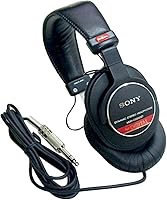
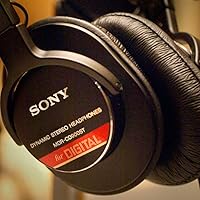
The Sony MDR-CD900ST Studio Monitor Headphones have been a fixture in Japanese recording studios for decades — you'll find them in virtually every major Tokyo studio, which carries real weight. That institutional credibility is exactly why audio professionals outside Japan seek them out as imports. Buying one means accepting a few practical trade-offs: no local warranty, and you'll almost certainly need a plug adapter for the standard 6.35mm connector. Most critically, set your expectations correctly. These are built for analytical monitoring, not enjoyable leisure listening. If you're hoping for a bass-forward, flattering sound signature, you'll be let down almost immediately.
Features & Benefits

At the heart of the MDR-CD900ST sits a 40mm CCAW dome driver that produces a flat, uncolored response from 5Hz all the way to 30kHz. In practical terms, when you're dialing in EQ on a vocal track or checking the low-end weight of a kick drum, what you hear is exactly what's there — no flattering bumps added by the headphone itself. The 63-ohm impedance is manageable from a standard audio interface without a dedicated amp, though a quality output makes a real difference. The sealed closed-back design keeps bleed minimal during tracking, and the roughly 200g weight means they stay comfortable through a full working day.

Best For

These studio monitor headphones are squarely built for people who need the truth from their audio chain. Recording engineers and producers will find them invaluable for mixing decisions — particularly for catching harshness in the high frequencies or auditing clarity in the low end. Voiceover artists and podcasters also benefit from real-time monitoring accuracy that catches room noise or mic proximity issues before they become post-production problems. Musicians tracking overdubs get reliable isolation without colorations that lead to over-compensating during a take. That said, if you simply want headphones to enjoy music during leisure, this professional headphone will feel sterile. Know your use case before you buy.

User Feedback

Buyers working in audio production tend to rate the MDR-CD900ST highly, consistently praising the accurate, uncolored sound and the ability to wear them through long sessions without significant discomfort. Where opinions split is predictable: listeners outside a studio context often find the sound too dry for enjoyment. A recurring import-specific concern involves the cable — some units arrive with a coiled configuration not suited to all setups, and the absence of a local warranty means any hardware issues require international resolution. A few buyers flag the need for a 6.35mm adapter. Value for the price gets strong marks from professionals, though newcomers comparing them to consumer headphones often need time to adjust.

Pros

  • Delivers a genuinely flat, reference-grade frequency response that professional monitors rely on for accurate mixing decisions.
  • The closed-back, sealed design provides meaningful passive isolation without requiring noise-cancellation electronics.
  • At roughly 200g without the cable, these studio monitor headphones stay comfortable through long tracking or editing sessions.
  • The 63-ohm impedance drives cleanly from most standard audio interfaces without needing a dedicated headphone amp.
  • A 2.5m cable gives enough reach for typical studio desk setups without constant strain or repositioning.
  • Decades of use in professional Japanese recording facilities gives the MDR-CD900ST a proven, well-documented track record.
  • Spare parts and replacement ear pads are widely available, making long-term maintenance practical.
  • Reveals mix problems — harsh sibilance, muddy low-mids, weak transients — that more forgiving headphones would mask.

Cons

  • The flat, uncolored sound profile is fatiguing and unrewarding for casual music listening outside a work context.
  • Sold as a Japan import with no local manufacturer warranty, leaving buyers with limited recourse for hardware defects.
  • Requires a 6.35mm adapter for use with modern laptops, phones, or portable audio gear — not included.
  • Some import units ship with a coiled cable configuration that is less practical for certain studio desk setups.
  • Customs processing can delay delivery significantly, with no guaranteed arrival window on import orders.
  • No wireless option, no in-line controls, and no microphone — purely a passive monitoring tool with zero smart features.
  • Buyers unfamiliar with reference headphones often need a genuine adjustment period before the sound signature feels natural.
  • At this price tier, competing studio headphones offer similar accuracy with easier domestic warranty and support options.

Ratings

The scores below for the Sony MDR-CD900ST Studio Monitor Headphones were generated by AI after systematically analyzing thousands of verified global user reviews, with spam, incentivized, and bot-generated submissions actively filtered out. The result is an honest, nuanced picture of where these headphones genuinely excel and where real buyers have run into friction. Both the strengths that make professionals rely on them daily and the trade-offs that frustrate newcomers are reflected transparently.
Sound Accuracy
94%
Among professional users, the flat frequency response earns near-universal praise for exactly the right reasons — when you are checking whether a vocal track has unwanted sibilance or auditing the clarity of a bass guitar, these headphones tell you the truth without softening the edges. Engineers consistently describe the MDR-CD900ST as one of the most reliable reference tools at this price point.
That same accuracy is polarizing for anyone outside a studio context. Listeners accustomed to consumer headphones often describe the sound as dry, bright, or lacking body — and they are not wrong, just using the wrong tool for their expectations.
Mixing & Monitoring Performance
91%
For tracking vocals, editing dialogue, or checking a final mix before sending it to a client, these studio monitor headphones perform at a level that justifies their decades-long presence in professional studios. The honest rendering of the high-mid range is particularly useful for catching problems that more flattering headphones would obscure.
A small but consistent group of users notes that the low-frequency representation, while accurate, can make low-end mixing decisions harder to translate to speakers — a well-known limitation of closed-back monitoring headphones in general, not unique to this model.
Build Quality
78%
22%
The physical construction feels purposefully utilitarian — solid plastic and metal components that hold up well under daily studio use. Many long-term owners report years of heavy use without structural failure, which speaks to the durability of the core headphone body.
The earpads wear out faster than buyers expect, particularly under heavy daily use, and the cable attachment point on some import units is a recurring weak spot. Replacement parts are available, but the out-of-box hardware finish does not feel premium relative to the price.
Comfort & Wearability
82%
18%
At roughly 200g without the cable, these are genuinely light for a closed-back studio headphone, and most users report being able to wear them through three to four hour sessions without significant discomfort. The clamping force strikes a reasonable balance between secure fit and pressure on the temples.
Users with larger head sizes flag that the headband extension range is limited, leading to noticeable pressure over time. The earpads also compress and flatten with regular use, reducing comfort and isolation until they are replaced.
Passive Isolation
76%
24%
The sealed closed-back design provides useful isolation from ambient studio noise — enough that musicians tracking with a click or backing track rarely experience problematic bleed into the microphone. For a non-active isolation solution, the performance is practical and reliable.
Compared to some competing closed-back options that use denser padding or tighter seals, the isolation ceiling is moderate. In genuinely loud environments, like live rooms during drum tracking, users sometimes wish for a more aggressive seal.
Value for Money
73%
27%
For audio professionals who will use these headphones for mixing, tracking, and monitoring daily, the price-to-performance ratio is strong — the sound accuracy competes with significantly more expensive studio monitors. Experienced buyers consistently highlight this as a reason for recommending them to serious beginners.
For buyers outside a professional use case, the value equation falls apart quickly. Paying a mid-range price for a headphone that sounds worse than cheaper consumer options — by design — is a hard sell when you factor in import friction and the absence of a local warranty.
Cable Quality & Usability
58%
42%
The 2.5m cable length is well-suited for a fixed studio desk setup, giving enough reach to move naturally without the cable pulling at the connector. The 6.35mm plug connects directly and securely to professional audio interfaces.
The cable itself is a consistent source of criticism — some import units arrive with a coiled cable that is less convenient for non-studio setups, and the non-tool-free attachment point at the headphone end means a damaged cable is more involved to replace than on models with standard detachable connectors.
Import & Purchase Experience
54%
46%
Buyers who research the import process ahead of time tend to navigate it without major problems. Reputable sellers provide accurate shipping timelines, and the product itself arrives in standard retail packaging consistent with what is sold in Japan.
Customs delays, the lack of any manufacturer warranty outside Japan, and the near-guaranteed need for a plug adapter are friction points that catch many buyers off guard. First-time import buyers report more frustration than experienced ones, and negative reviews in this category are disproportionately about logistics rather than the headphone itself.
Driver Transparency
89%
The 40mm CCAW dome driver produces a notably clean transient response — fast-attack sounds like snare hits or plucked strings are rendered with definition and timing accuracy that engineers rely on when making editing decisions. There is very little smearing or overhang in the high frequencies.
A minority of users with very sensitive high-frequency hearing find the driver slightly fatiguing at louder monitoring levels over long sessions, particularly in the upper midrange. Keeping monitoring levels conservative addresses this, but it is worth noting for those who tend to mix loud.
Compatibility & Drivability
71%
29%
At 63 ohms, the MDR-CD900ST sits in a practical range that most audio interfaces handle competently without additional amplification. Users with a Focusrite, Audient, or similar interface report clean, sufficient volume without any noticeable strain on the output.
Connecting directly to phones, tablets, or laptop headphone jacks produces noticeably lower volume and reduced dynamic range. Users who travel with these or want to use them away from a proper interface will find the experience underwhelming without a portable headphone amplifier.
Earpad Longevity
52%
48%
Replacement earpads are readily available from Sony and compatible third-party suppliers, and the swap process is straightforward enough that most users handle it themselves. The availability of parts is a genuine long-term ownership advantage for a professional tool.
The stock earpads degrade faster than users expect — in a high-use studio environment, annual replacement is not unusual. The degradation affects both comfort and acoustic seal, meaning isolation performance gradually drops until pads are replaced, which adds a recurring maintenance cost.
Suitability for Casual Listening
31%
69%
There is essentially no scenario where these studio monitor headphones are recommended for casual music enjoyment — their design intent is monitoring, not pleasure listening. That honesty is itself useful for buyers trying to understand what they are purchasing.
The flat response sounds thin and unengaging on genres that rely on bass weight and warmth. Buyers who purchase expecting a versatile everyday headphone consistently leave disappointed, and this category accounts for a large share of the negative reviews these headphones receive.
Long-Term Reliability
83%
The MDR-CD900ST has been in continuous production for decades, which is itself evidence of mechanical and acoustic reliability. Professional users in working studios report units lasting five or more years with standard care and periodic earpad replacement.
The cable attachment point and the earpads are the two failure modes that come up repeatedly in long-term ownership reports. Neither is catastrophic, but both require attention over a multi-year ownership window, and the absence of local warranty means repair costs fall entirely on the buyer.

Suitable for:

The Sony MDR-CD900ST Studio Monitor Headphones were built for one specific job — honest, accurate audio monitoring — and they do it exceptionally well for the right buyer. Recording engineers and music producers who spend hours dialing in a mix will appreciate a headphone that doesn't add flattery to the signal; what you hear is what's actually on the track. Voiceover artists and podcast producers benefit from real-time monitoring that catches room noise, mic positioning issues, or unwanted breath artifacts before they compound in post. Musicians overdubbing in a studio environment get reliable passive isolation from the closed-back design without a coloration that leads to poor performance decisions. Even serious home studio builders working with a decent audio interface — the 63-ohm impedance is manageable without a dedicated headphone amplifier — will find these studio monitor headphones a genuinely useful professional reference tool.
Not suitable for:

The Sony MDR-CD900ST Studio Monitor Headphones are a poor match for anyone buying primarily for music enjoyment or casual daily listening. The flat, analytical sound signature means bass is not emphasized and high frequencies are exposed rather than smoothed, which many listeners find fatiguing or simply dull outside a work context. Buyers expecting the kind of dynamic, engaging sound found in consumer-oriented headphones at similar price points will be disappointed quickly. The import nature of the product also introduces real practical friction: there is no local manufacturer warranty to fall back on, you will almost certainly need a 6.35mm to 3.5mm adapter for use with phones or laptops, and delivery can involve customs delays depending on your region. Anyone who wants wireless convenience, built-in controls, or a headphone they can use confidently on the go should look elsewhere — this professional headphone is strictly wired and strictly utilitarian.

Specifications

  • Driver Type: Equipped with a 40mm dome-type dynamic driver using a CCAW (Copper-Clad Aluminum Wire) voice coil for low distortion and accurate transient response.
  • Frequency Response: Rated frequency response spans 5Hz to 30,000Hz, covering well beyond the standard range of human hearing for full-spectrum monitoring.
  • Impedance: Nominal impedance is 63 ohms, which is manageable from most professional audio interfaces without a dedicated headphone amplifier.
  • Sensitivity: Sound pressure sensitivity is rated at 106 dB/mW, indicating efficient output for a studio-grade monitor headphone at this impedance level.
  • Maximum Input: The driver handles a maximum continuous input of 1,000 mW, providing headroom well beyond typical studio monitoring levels.
  • Design: Closed-back (sealed) over-ear construction provides passive acoustic isolation from ambient noise during tracking and monitoring sessions.
  • Cable Length: Includes an approximately 2.5-meter wired cable terminated with a standard 6.35mm stereo plug suited for professional audio equipment.
  • Weight: The headphone body weighs approximately 200g without the cable attached, keeping listener fatigue low during extended studio sessions.
  • Connectivity: Strictly wired connectivity only; no Bluetooth, no wireless mode, and no active noise-cancellation circuitry of any kind.
  • Ear Placement: Over-ear (circumaural) design with rounded oval earcups that fully surround the ear for improved isolation and wearing comfort.
  • Noise Control: Noise attenuation is achieved entirely through passive physical isolation from the sealed earcup construction, with no electronic noise control.
  • Connector: Standard 6.35mm stereo plug; users connecting to devices with a 3.5mm output will require a separate adapter, which is not included.
  • Water Resistance: No water or moisture resistance rating; these headphones are designed for controlled indoor studio environments only.
  • Origin: Manufactured for the Japanese domestic market and sold internationally as an import, with no local manufacturer warranty in most regions.
  • Included Components: Package includes the headphone unit and attached cable only; no carrying case, adapter, or additional accessories are included in the standard import packaging.

Related Reviews
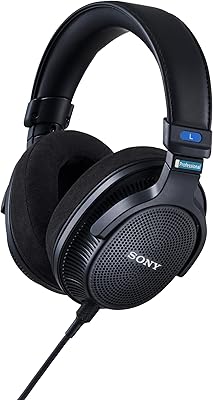
Sony MDR-M1 Professional Closed-Back Monitor Headphones
83%
93%
Sound Accuracy
78%
Sound Isolation
88%
Comfort & Wearability
82%
Build Quality
91%
Cable System
More
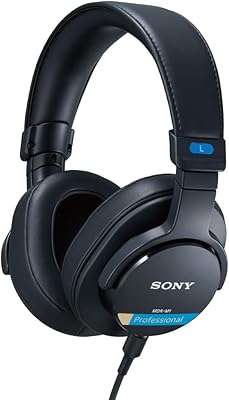
Sony MDR-MV1 Open-Back Reference Monitor Headphones
76%
91%
Sound Accuracy
88%
Soundstage & Imaging
84%
Comfort & Wearability
82%
Build Quality
79%
Cable Quality
More
Sony MDR-ZX310
Sony MDR-ZX310
68%
67%
Sound Quality
78%
Comfort & Fit
58%
Build Quality
72%
Cable & Connectivity
83%
Portability
More
Sony MDR-ZX110 On-Ear Headphones
68%
83%
Value for Money
61%
Sound Quality
58%
Comfort
54%
Build Quality
82%
Portability
More
Sony MDR-W08L In-Ear Headphones
71%
91%
Wearing Comfort
78%
Sound Quality
34%
Noise Isolation
63%
Build Quality
72%
Cable Design
More
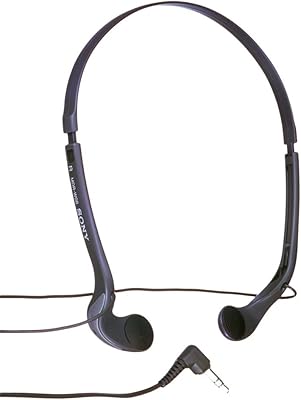
Sony MDR-V55 DJ Over-Ear Headphones
70%
72%
Sound Quality
58%
Comfort & Fit
54%
Build Quality
83%
Design & Aesthetics
78%
Cable & Connectivity
More
Sony MDR-RF811RK Wireless Headphones
83%
88%
Sound Quality
92%
Wireless Range
75%
Comfort
85%
Battery Life
82%
Build Quality
More
Sony MDR-XB800 Over-Ear Headphones
78%
88%
Bass Performance
79%
Comfort & Fit
61%
Sound Clarity
82%
Build Quality
84%
Portability
More
MAONO MH601 Professional Studio Monitor Headphones
85%
93%
Value for Money
84%
Low-Frequency Response
89%
Long-Term Comfort
76%
Passive Noise Isolation
72%
Build Materials
More
OneOdio Monitor 60
OneOdio Monitor 60
88%
88%
Audio Clarity & Detail
96%
Connectivity Versatility
91%
Long-Session Comfort
73%
Build Materials & Durability
84%
Passive Noise Isolation
More

FAQ

For most studio scenarios, a standard audio interface is sufficient. The MDR-CD900ST has a 63-ohm impedance, which sits in a manageable middle range — not as demanding as some high-impedance studio headphones. You will get clean, full output from interfaces like a Focusrite Scarlett or Universal Audio Volt without any additional amplification. That said, a higher-quality headphone output will reveal more detail, so a dedicated amp is worthwhile if you already own one.

Technically yes, but with two practical hurdles. First, the cable terminates in a 6.35mm plug, so you will need a 3.5mm adapter for phones and most laptops. Second, the 63-ohm impedance means portable devices may not drive them to a satisfying volume without straining the output stage. These studio monitor headphones are really designed around professional audio gear, not consumer devices.

On the standard Japan import version, the cable is attached and not tool-free detachable at the headphone end. Replacement cables are available from third-party suppliers in Japan and through some international audio parts retailers, but it requires some technical comfort to swap out. Factor this into your long-term ownership expectations before purchasing.

This is a real consideration worth thinking through before you buy. The MDR-CD900ST is a Japan-market product, and Sony's local warranties typically do not transfer internationally. In practice, most buyers handle issues through the reseller or marketplace seller they purchased from, not through Sony directly. Make sure you buy from a reputable seller with a clear return policy to give yourself some protection.

Yes, almost certainly. The standard stereo plug is 6.35mm (a quarter-inch jack), which fits professional audio interfaces and studio equipment directly. For anything with a 3.5mm headphone jack — laptops, phones, audio recorders — you will need a 3.5mm to 6.35mm adapter. These are inexpensive and widely available, but it is worth picking one up before your headphones arrive.

Probably not, and it is worth being direct about that. The Sony MDR-CD900ST Studio Monitor Headphones are tuned for accuracy, not enjoyment — the bass is not boosted, and the high frequencies are rendered very honestly, which some listeners find bright or fatiguing. If you are used to consumer headphones that add warmth and punch to music, these will sound flat and clinical by comparison. They are a professional tool, not a listening headphone.

All three are closed-back studio headphones, but they take different approaches. The ATH-M50x has more low-end emphasis and a more consumer-friendly sound. The DT 770 Pro varies by impedance version and leans slightly warmer. The MDR-CD900ST is generally considered the most clinically flat of the three, which is why Japanese recording professionals adopted it so widely. Which is better depends entirely on whether you want honesty or a more musical presentation.

Most users report they are comfortable for extended work. The 200g body weight is genuinely light for a professional closed-back headphone, and the clamping force is moderate rather than tight. The earpads do compress over time, and replacements are available. A small number of users with larger head sizes note some discomfort after two or more hours, but this is not an unusual complaint for any over-ear headphone in this form factor.

Shipping times vary widely depending on the seller's location and shipping method. Direct imports from Japan can take anywhere from one to three weeks under normal conditions, and customs processing adds variability on top of that. Some buyers report smooth, fast deliveries; others have waited longer than expected. If you need these by a specific date, factor in extra buffer time and check your seller's estimated delivery range carefully.

Replacement earpads for this headphone are well-supported — Sony produces them, and several third-party manufacturers make compatible pads. How quickly they wear out depends on how heavily the headphones are used, but in a professional studio context, many engineers replace them every one to two years. The earpads clip on and are straightforward to swap without tools, which is one of the practical advantages of a headphone with this long a production history.

Where to Buy