Overview

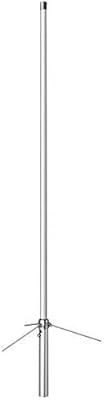
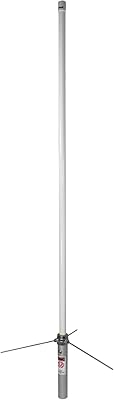
The Solarcon IMAX-2000 Vertical Base Station Antenna has been a fixture in the CB and 10-meter ham community since the late 1990s, and it still earns its place in conversations about serious base station setups. Built as a 24-foot fiberglass vertical that breaks into three manageable 8-foot sections, it sits comfortably in the mid-to-premium tier — more capable than budget whips, without the complexity of a beam or yagi. Worth knowing upfront: Solarcon updated the packaging under the MAX-2000 name, but the antenna itself is the same proven design. If you are a casual operator looking for a modest bump in signal, this base station vertical may simply be more antenna than you need.
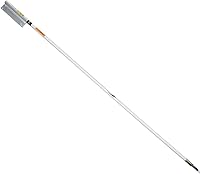
Features & Benefits

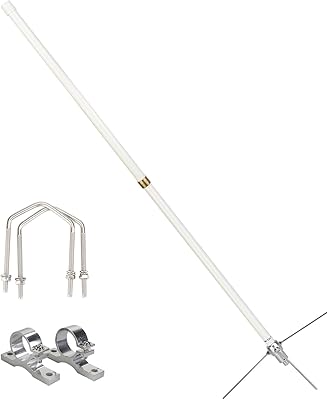
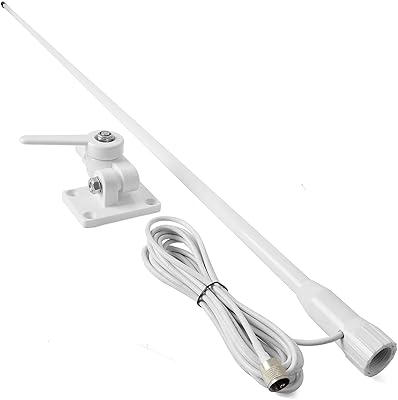
At the core of what makes the IMAX-2000 worth considering is its 5/8-wave design, which produces 5.1 dBi of gain. In practical terms, that means your signal gets pushed lower toward the horizon rather than wasted skyward — and on flat terrain, that translates directly to more usable range. The three-section assembly is straightforward with no specialized tools required, and the included heavy-duty mounting plate is genuinely built for outdoor permanence, not just fair-weather installations. Bandwidth covers well above and below standard CB channels, making it equally capable on export frequencies and 10-meter ham. For operators running amplifiers, the 5,000-watt power handling leaves real electrical headroom.

Best For

This fiberglass CB antenna makes the most sense for operators running a fixed base station who want the best range a vertical can realistically deliver. Think rural properties, farms, truck stops, or anyone relying on CB for practical long-distance daily communication. 10-meter ham operators on a tighter budget will also find genuine value here, since frequency coverage extends comfortably into that band without needing a separate antenna. It is equally well-suited for anyone running or planning to run higher power levels, as the electrical ratings leave plenty of margin. Where it falls short: apartment installs, temporary setups, or operators expecting a plug-and-play experience with zero tuning required.

User Feedback

Owners consistently report a noticeable range improvement over shorter verticals, and the build quality draws steady praise — fiberglass that holds up through years of outdoor exposure without obvious degradation. Assembly is described as manageable by most, though a second pair of hands helps when working at height. The honest criticism worth taking seriously: SWR tuning is not plug-and-play. Some units arrive needing real adjustment time, and a handful of buyers have noted unit-to-unit variation. The wider community is clear that coax quality and proper grounding are prerequisites, not afterthoughts — cut corners there and performance will disappoint regardless of how well the antenna is mounted. A few buyers were also caught off guard by the updated MAX-2000 packaging labeling.

Pros

  • 5/8-wave design pushes the radiation angle lower toward the horizon, directly improving ground-level range.
  • At 5.1 dBi gain, this fiberglass CB antenna outperforms standard 1/4-wave verticals by a meaningful margin.
  • Three 8-foot sections make transport and storage manageable for a 24-foot antenna.
  • Broad bandwidth covers export and 10-meter ham frequencies without retuning for a separate band.
  • 5,000-watt power handling leaves real headroom for operators running amplifiers.
  • Heavy-duty mounting hardware is built for permanent outdoor installation, not occasional use.
  • The IMAX-2000 has been in production for decades, meaning installation knowledge and community support are easy to find.
  • Fiberglass construction holds up well through years of outdoor exposure with minimal maintenance.
  • 14,500-volt insulation rating adds meaningful protection in lightning-prone environments when properly grounded.
  • Compatible with the IMAXGPK ground plane kit for non-elevated installations where a natural ground plane is absent.

Cons

  • SWR tuning is not optional — arriving expecting zero adjustment work will lead to disappointment.
  • Some buyers report unit-to-unit variation, suggesting quality control is not perfectly consistent.
  • A 24-foot vertical is a real physical commitment; unsuitable for compact properties or restricted installations.
  • The ground plane kit costs extra and is genuinely necessary for many ground-level mounting situations.
  • Recent packaging rebranding to MAX-2000 has caused confusion for buyers trying to verify they received the correct product.
  • Coax quality significantly impacts performance, meaning total installation cost is higher than the antenna price alone.
  • No instructions are included for first-time builders expecting step-by-step guidance on tuning or grounding.
  • At this price point, minor build inconsistencies reported by a subset of buyers feel harder to overlook.
  • Taller antennas in this category can be unwieldy to raise solo, especially on rooftop mounts without a helper.

Ratings

Our AI rating engine analyzed verified owner reviews from across the globe for the Solarcon IMAX-2000 Vertical Base Station Antenna, filtering out incentivized, bot-generated, and duplicate submissions to surface what genuine operators actually experience. The scores below reflect a transparent picture — where this base station vertical genuinely excels and where real buyers have run into friction. Strengths and pain points are weighted equally so you can make an informed call before purchasing.

Signal Performance
88%
Operators upgrading from shorter 1/4-wave or mobile-style verticals consistently report a clear, noticeable improvement in working distance — particularly across open farmland, highways, and rural terrain. The low-angle radiation pattern of the 5/8-wave design is well-matched to ground-level CB communication.
Performance gains are highly dependent on installation quality: coax choice, ground plane setup, and mounting height all affect realized results significantly. A handful of operators in dense or hilly environments report more modest improvements than expected.
Build Quality
83%
The fiberglass construction holds up well through years of outdoor exposure — rain, UV, and temperature swings included. Most long-term owners report no cracking, delamination, or structural failure even after several seasons mounted on exposed rooftops or farm buildings.
A subset of buyers have noted minor inconsistencies between units, including slight variations in fitting tolerances at the section joints. The mounting hardware, while solid overall, shows some corrosion susceptibility at connector points if not treated proactively.
Ease of Assembly
79%
21%
The three-section design means no single piece is unmanageable, and threading the segments together requires no special tools. Most operators report completing the physical assembly in well under an hour, even on a first attempt.
Raising a fully assembled 24-foot antenna into its final mounted position is where things get awkward — solo installs are possible but genuinely difficult on a rooftop. Included instructions are minimal, leaving first-time installers to lean heavily on community guides.
SWR Tuning
63%
37%
Operators with tuning experience report getting the SWR down to 1.5:1 or better without excessive effort, and the adjustable design does give you the flexibility to dial in your target channels precisely. The tuning range is wide enough to cover CB through 10-meter ham without being locked to a single sweet spot.
For newcomers, SWR tuning is a real friction point — and it is not optional. Some units arrive requiring more adjustment than others, suggesting factory calibration is inconsistent. Without a dedicated SWR meter, this antenna simply cannot be set up correctly.
Durability & Longevity
86%
Multiple owners report running this fiberglass CB antenna continuously for five or more years on exposed outdoor mounts with no meaningful degradation in signal quality or physical condition. The fiberglass resists UV breakdown far better than comparable PVC-jacketed alternatives in the same price range.
The weakest durability link is the mounting hardware and connector area rather than the antenna body itself — corrosion at the SO-239 base is a recurring long-term complaint, especially in coastal or high-humidity climates. Periodic inspection and connector treatment extend service life noticeably.
Frequency Versatility
84%
Coverage extending above and below the standard CB band makes this base station vertical genuinely useful for export frequencies and 10-meter ham operation without needing a separate antenna. Operators who split time between CB and ham radio find real value in that dual-use capability.
It is fundamentally a CB and 10-meter antenna — operators hoping to stretch it further into HF bands will find performance drops off considerably outside its design range. It is not a substitute for a proper multi-band HF vertical if that is your primary need.
Power Handling
91%
The 5,000-watt rating and 14,500-volt insulation give amplifier-running operators real confidence that the antenna is not the limiting factor in their setup. Reports from operators pushing higher power levels describe stable, consistent performance without signs of thermal stress.
Very few buyers actually push anywhere near the rated power ceiling, so for most casual operators this headroom goes unused. The high rating is a genuine advantage for the right user but adds little practical value for standard CB use without amplification.
Mounting & Installation
74%
26%
The included heavy-duty mounting plate is sturdier than what ships with many competing antennas and provides a stable base for permanent mast or roof installations. Operators in moderately windy regions report no movement or flex issues after proper installation.
The mounting process demands a suitable structure and some physical effort — this is not an antenna you improvise onto a fence post. Buyers without a prepared mast or roof anchor point often underestimate the additional hardware and labor involved before the antenna goes up.
Ground Plane Requirement
58%
42%
When the optional IMAXGPK ground plane kit is used, operators report a meaningful improvement in SWR consistency and overall signal stability, particularly for ground-level and low-elevation mounts. The kit is purpose-designed for this antenna and integrates cleanly.
The ground plane kit is sold separately, which surprises buyers who assume the antenna is complete out of the box. For many installation scenarios it is effectively a required purchase rather than an optional add-on, raising the true cost of ownership beyond the antenna price alone.
Value for Money
77%
23%
For a permanent base station setup where maximum range from a vertical antenna matters, the IMAX-2000 delivers performance that justifies its mid-to-premium price point over the long run. Owners who have run it for years tend to view it as a sound investment relative to cheaper antennas that required replacement.
Factor in the ground plane kit, quality coax, connectors, and a mast if needed and the total outlay climbs well above the antenna sticker price. Casual or occasional users getting less use from the performance headroom will find the overall cost harder to justify.
Coax & Connector Compatibility
81%
19%
The standard SO-239 base connector is universally compatible with PL-259-terminated coax, which is what the vast majority of CB and HF ham operators already have on hand. No adapters or special terminations are needed for typical installations.
The quality of the SO-239 connector itself has drawn occasional criticism for looser-than-ideal fit with some coax assemblies. Operators using premium low-loss coax report that a secure, weatherproofed connection at the feedpoint requires extra attention during installation.
Wind Load Resistance
78%
22%
Operators in the Great Plains and other high-wind regions report stable performance with the antenna remaining upright and undamaged through sustained wind events when properly mounted. The fiberglass material flexes slightly rather than resisting rigidly, which helps in gusts.
A 24-foot vertical creates real leverage on its mounting point, and some installers in exposed locations report needing to add a mid-point guy wire for added security in severe weather. The antenna itself is not the failure point — inadequate mounting structure typically is.
Packaging & Labeling Clarity
51%
49%
Once buyers are aware of the IMAX-2000 to MAX-2000 rebranding, confirming they have the right antenna is straightforward. The physical product itself is identical across both naming conventions, so there is no functional confusion once it is in hand.
The rebranding has caused genuine confusion at the point of purchase, with some buyers uncertain whether they received the correct item or a substitute. The lack of clear cross-reference labeling on the updated packaging is a recurring complaint that Solarcon has not fully resolved.
Community & Support Resources
87%
Few CB and ham antennas at this price tier have the depth of community knowledge behind them that the IMAX-2000 carries. Decades of forum posts, installation guides, and tuning tips from experienced operators make it much easier for new buyers to get set up correctly.
Official documentation from Solarcon is thin — the included instructions do not cover tuning procedures, ground plane setup, or troubleshooting in any meaningful depth. Buyers who are not comfortable seeking out third-party resources online may struggle to get the most from this antenna.

Suitable for:

The Solarcon IMAX-2000 Vertical Base Station Antenna is purpose-built for operators who run a permanent fixed base station and want the best range a vertical fiberglass antenna can realistically deliver. If you rely on CB radio for practical daily communication across open land — farming operations, ranches, rural homesteads, or truck stop dispatch — this is the class of antenna that earns its keep. It also fits naturally into the 10-meter ham radio world, offering solid gain coverage on that band without requiring a second dedicated antenna. Operators who push higher power levels, including those running amplifiers on export frequencies, will appreciate the generous electrical headroom built into this base station vertical. Buyers who value a long-production-run design with a large, active community of installers and tuners will find decades of real-world knowledge available to draw on.

Not suitable for:

The Solarcon IMAX-2000 Vertical Base Station Antenna is a poor match for anyone expecting a quick plug-and-play installation with no tuning involved. At 24 feet, it demands a stable mast or roof mount, meaningful coax runs, and proper grounding — none of which are afterthoughts. Apartment dwellers, renters, or anyone without a suitable permanent outdoor mounting location should look elsewhere. Casual or occasional CB users who simply want a bit more range over a stock mobile antenna will likely find this antenna more involved and more expensive than their situation justifies. Operators on tightly compact properties where a 24-foot vertical creates line-of-sight or zoning complications will also want to reconsider. And if you have never tuned SWR before and have no test equipment, budget for a basic SWR meter before committing.

Specifications

  • Antenna Type: 5/8-wave vertical fiberglass design optimized for low-angle radiation and improved ground-level range.
  • Total Height: Assembled antenna reaches 24 feet, providing the physical aperture needed for meaningful gain at CB and 10-meter frequencies.
  • Section Count: Three 8-foot fiberglass segments thread together for assembly and separate for transport or storage.
  • Gain: Rated at 5.1 dBi, representing a measurable improvement over standard 1/4-wave verticals in the same frequency range.
  • Power Handling: Rated for up to 5,000 watts, providing substantial headroom for operators using linear amplifiers on export or ham frequencies.
  • Voltage Insulation: Insulated to 14,500 volts, reducing risk in high-RF environments and offering a margin of safety during nearby electrical events.
  • Frequency Coverage: Covers the full CB band (26–27 MHz range) plus frequencies above and below, including export channels and the 10-meter ham band.
  • SWR Tuning: Adjustable SWR tuning is built in, requiring the operator to trim and tune on installation rather than relying on a fixed factory setting.
  • Mounting Hardware: Includes a heavy-duty mounting plate engineered for permanent mast or roof installation with resistance to sustained wind loads.
  • Ground Plane: Compatible with the separately sold IMAXGPK ground plane kit, which is recommended for installations that lack a natural elevated ground plane.
  • Material: Fiberglass construction throughout the radiating elements, chosen for weather resistance and long-term outdoor durability.
  • Color: White finish reduces heat absorption and blends reasonably well with typical rooftop or mast installations.
  • Weight: Complete antenna assembly weighs 6 pounds, making solo handling feasible during installation with the right ladder setup.
  • Manufacturer: Designed and produced by Solarcon, a U.S.-based antenna manufacturer with a long track record in the CB and amateur radio market.
  • Model Designation: Originally released and widely known as the IMAX-2000; current packaging carries the MAX-2000 name, though the antenna design remains unchanged.
  • Connector Type: Uses a standard SO-239 (UHF female) base connector, compatible with the PL-259 coax terminations common in CB and HF ham installations.
  • Coax Requirement: Low-loss 50-ohm coaxial cable is strongly recommended, as cable quality has a direct impact on realized performance at the feedpoint.

Related Reviews
UAYESOK UA-CB6200 20ft CB Base Station Antenna

74%
83%
Signal Performance
78%
SWR & Tuning
74%
Build Quality
86%
Ease of Installation
81%
Weather Resilience
More
HYS 144/430MHz Dual-Band Base Station Antenna
77%
83%
RF Performance
78%
Build Quality
88%
Ease of Setup
81%
Weatherproofing
62%
Mounting Hardware
More
Hustler 5BTV 5-Band Vertical Ham Radio Antenna
75%
91%
Multiband Coverage
83%
Build Quality
62%
Installation Experience
58%
80-Meter Performance
86%
40-Meter Performance
More
Diamond Antenna X30A Dual-Band Base Antenna
80%
91%
Signal Performance
88%
Build Quality
86%
Weatherproofing
84%
Ease of Installation
89%
SWR Consistency
More
Yealink W70B Phone Base Station
84%
91%
Call Quality
70%
Ease of Setup
88%
Voice Clarity
87%
Reliability
92%
Security Features
More
Solarcon A-99CK Fiberglass Base Station Antenna
78%
88%
Signal Performance
83%
Build Quality
84%
Ease of Assembly
67%
SWR Tuning
81%
Durability & Weather Resistance
More
Tram 1477 Dual-Band VHF/UHF Base Antenna

79%
91%
Ease of Setup
78%
RF Performance
83%
Build Quality
86%
Value for Money
67%
Connector Quality
More
UAYESOK VHF Marine Base Antenna 48 Inch
87%
87%
Performance at Sea
92%
Durability in Harsh Conditions
91%
Installation Ease
89%
Signal Range and Clarity
85%
Compatibility with Marine Radios
More
Galaxy DX-2547 AM/SSB CB Base Station
75%
86%
SSB Performance
82%
AM Audio Clarity
61%
Build Quality
73%
Ease of Setup
69%
Value for Money
More
Retevis GMRS Base Antenna 7.2dBi 462-467MHz
85%
93%
Signal Clarity
88%
Ease of Installation
90%
Build Quality
91%
Durability in Outdoor Conditions
85%
Range Performance
More

FAQ

Yes, they are the same product. Solarcon updated the packaging and model labeling to MAX-2000, but the antenna design, specifications, and components are unchanged from the original IMAX-2000. If you ordered one expecting the other, you have the right item.

It depends on your installation height. If the antenna is mounted high on a mast or roof with metal structure beneath it, you may get acceptable results without one. For ground-level or low-elevation installations on a non-metallic surface, the IMAXGPK ground plane kit is not optional — skipping it will hurt performance noticeably. Most installers recommend budgeting for it unless your mounting situation naturally provides a ground plane.

Threading the three 8-foot sections together is straightforward and does not require special tools. The challenge is raising a 24-foot antenna into position — that part is much easier with a second person. Solo installs are possible but awkward, especially on a rooftop or elevated mast.

Most operators report getting the SWR down to 1.5:1 or better on their target channels with careful tuning. Getting there takes patience and a decent SWR meter — do not attempt to run power through this antenna before checking and adjusting. If your SWR stays stubbornly high after adjustment, check your coax connections and ground plane situation before assuming the antenna is defective.

It works on 10 meters. The bandwidth extends comfortably above the CB band into the 28–29 MHz range, which covers 10-meter ham frequencies. Many operators run it on both without retuning, though it is worth verifying SWR on your specific 10-meter operating frequencies after initial setup.

The 5/8-wave design and 5.1 dBi gain deliver a tangible improvement over standard 1/4-wave verticals. In open terrain, most operators report noticeably longer working distances, particularly on flat ground where low-angle radiation matters most. It is not a miracle antenna — terrain, local RF noise, and coax quality all play a role — but the upgrade from a shorter vertical is real and consistently reported.

The fiberglass construction handles rain, UV exposure, and temperature cycling well. Multiple long-term owners report running the Solarcon IMAX-2000 Vertical Base Station Antenna for five or more years with no structural issues. The mounting hardware is the more critical variable — make sure your mast connections are tight and corrosion-resistant, as that is where most weather-related failures originate.

For runs under 50 feet, quality RG-8X or RG-8 coax works well. For longer runs, LMR-400 or equivalent low-loss 50-ohm cable is worth the cost. Cheap or aged coax is one of the most common reasons operators are disappointed with this fiberglass CB antenna after installation — the antenna cannot compensate for losses in a bad feedline.

Yes. The 5,000-watt power rating and 14,500-volt insulation give it real headroom for amplified setups. Just ensure your coax, connectors, and ground plane are all rated and installed appropriately for higher power operation — the antenna itself is not the weak link in those configurations.

The included mounting plate is built for permanent outdoor use and handles normal wind loads well. That said, a 24-foot vertical creates meaningful leverage on whatever structure it is attached to. Make sure your mast or mounting point is rated for the load, especially if you are in a region prone to high winds or ice accumulation. Some installers add a guy wire near the midpoint for added stability in exposed locations.

Where to Buy