Overview

The Shure WL185 Cardioid Condenser Lavalier Microphone has been a go-to clip-on mic for working professionals since its introduction in 2004 — a longevity that speaks for itself in an industry where gear comes and goes quickly. Built exclusively for use with Shure TA4F-equipped bodypack transmitters, this lavalier mic is not a standalone solution; it is one component of a larger wireless system, and that distinction matters before you buy. Where it sets itself apart from typical lavs is the cardioid polar pattern — rather than picking up sound from all directions, it focuses on the source directly in front of it, offering better rejection of ambient noise and stage wash.
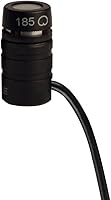
Features & Benefits

The condenser capsule inside the WL185 is what gives it that open, natural sound quality — you get clear vocal reproduction whether you are addressing a conference room or projecting across a theater stage. A 65 dB signal-to-noise ratio keeps background hiss impressively low in controlled environments, and the included foam windscreen handles breath noise and light air movement without muffling the top end. The mic itself is compact and light enough to clip discreetly under a collar or lapel and stay comfortable through a two-hour performance or presentation. For live sound engineers, the single-channel signal path means fewer variables and a more predictable, reliable rig night after night.

Best For

This clip-on condenser is squarely aimed at professionals who are already invested in the Shure wireless ecosystem. If you are a vocalist, actor, or corporate presenter using a TA4F-compatible bodypack, this lavalier mic is a natural, well-matched choice. It performs particularly well in environments where feedback is a genuine concern — houses of worship, live theater, and corporate event stages where monitor levels run high. The cardioid pattern is also a strong fit for broadcast and film where ambient noise rejection matters. What it is not built for is casual or home use; without a compatible transmitter, this mic simply cannot function, so beginners or hobbyists should look elsewhere.

User Feedback

Across 169 ratings averaging 4.5 out of 5 stars, the pattern in user reviews is clear: people who bought this lavalier mic for the right system love it. Audio clarity and vocal naturalness are the most consistently praised qualities, and multiple reviewers mention how easily the discreet clip tucks under clothing for long shows. The honest caveats worth knowing: placement discipline matters with a cardioid lav — if the mic slips off-axis, you will notice dropout. A smaller number of buyers flag cable durability near the connector as a concern over heavy touring use. And predictably, a handful of negative reviews come from buyers who did not realize upfront that a compatible Shure bodypack is required.

Pros

  • Natural, open vocal sound that holds up well across speech and singing in live environments.
  • The cardioid pattern actively rejects off-axis noise, reducing feedback risk on louder stages.
  • Discreet black finish and compact form factor make it easy to hide under a shirt collar or jacket lapel.
  • Included foam windscreen handles breath pops and light air movement without dulling the high end.
  • 65 dB signal-to-noise ratio keeps the audio floor clean and quiet during controlled presentations.
  • Secure clip holds position reliably through an active performance without constant readjustment.
  • Been in production since 2004, which means replacement parts, user knowledge, and support are widely available.
  • Integrates cleanly into existing Shure wireless rigs without adding complexity to the signal path.
  • Consistently strong user ratings across a meaningful sample size reflect real-world durability and performance.

Cons

  • Completely non-functional without a compatible Shure TA4F bodypack transmitter — no transmitter, no audio.
  • Cardioid pickup pattern demands careful mic placement; even a slight shift off-axis can cause audible dropout.
  • Some users have reported cable wear near the TA4F connector after extended heavy touring use.
  • System-dependent design means total cost is high once a compatible wireless transmitter and receiver are included.
  • Not a fit for standard XLR mixing boards or USB recording setups without a purpose-built Shure wireless system.
  • Omnidirectional lavs offer more forgiving pickup for untrained or moving speakers — this mic does not.
  • Limited to a single channel, which may frustrate engineers working more complex multi-mic wireless configurations.
  • Buyers who misread compatibility requirements account for a notable share of negative reviews, creating a skewed perception of the product.

Ratings

Our AI rating engine analyzed verified buyer reviews for the Shure WL185 Cardioid Condenser Lavalier Microphone from multiple global sources, actively filtering out incentivized, bot-generated, and duplicate submissions to surface genuine user sentiment. The scores below reflect both what this clip-on condenser genuinely excels at and where real buyers have run into friction — nothing is glossed over.
Audio Clarity
91%
Across live stage, classroom, and house-of-worship settings, users consistently describe the sound as open and natural rather than thin or processed. The condenser capsule picks up vocal nuance that dynamic lavs at a similar price point typically flatten out, making speech intelligibility noticeably better in full-range playback systems.
A small number of users working in acoustically reflective spaces noted that the mic captures room ambience more readily than expected for a cardioid, which can make audio sound slightly roomy if the gain is pushed too high on the transmitter.
Feedback Rejection
88%
The cardioid polar pattern earns consistent praise from live sound engineers who have swapped this in to replace omni lavs in monitor-heavy stage setups. Presenters in rooms with ceiling speakers also report far fewer feedback incidents once mic placement is dialed in correctly.
The feedback advantage only holds when placement is maintained — if the mic slips sideways or faces away from the source during a performance, the rejection pattern breaks down and the benefit is partially lost. It requires a more disciplined setup routine than a forgiving omni lav.
Wearability & Comfort
86%
The mic element is light enough that most performers completely forget it is there after the first few minutes, even through a two-hour theater production or corporate event. Multiple reviewers specifically mention wearing it clipped under a collared shirt for full-day conference events without any discomfort.
The cable length, while adequate for most bodypack positions, occasionally gets flagged as slightly awkward to route cleanly under fitted or tailored clothing without visible bunching. Users with very lightweight or thin fabric shirts also note that the clip can pull at the material under the weight of the cable.
Compatibility & Setup
61%
39%
For users already running a Shure TA4F-equipped wireless system, setup is genuinely plug-and-play — connect, set transmitter gain, clip on, and go. The connector is solid and seats firmly without wobble, which reduces the risk of mid-show signal drops from a loose connection.
The single biggest driver of negative reviews is compatibility confusion: many buyers do not realize until the mic arrives that a Shure TA4F bodypack transmitter is non-negotiable for this mic to function at all. There is no adapter path to a standard XLR or USB input, making this a frustrating and expensive mistake for unprepared buyers.
Clip & Attachment
85%
The included tie clip holds position well on a range of fabric weights and collar types, and several reviewers working in theater productions note that even after full-cast staging rehearsals with significant movement, the mic stayed pointed in the right direction without constant repositioning.
The clip mechanism, while functional, is not the most refined piece of hardware at this level — a handful of users working with heavier costume materials or thick lapels note that it does not grip as firmly as third-party replacement clips available from professional audio suppliers.
Signal-to-Noise Performance
87%
In controlled acoustic environments like boardrooms, recording stages, and broadcast sets, the 65 dB SNR keeps the noise floor clean enough that even quiet passages in speech come through without distracting hiss. Sound engineers mixing for in-ear monitors in particular appreciate the low self-noise during soft vocal passages.
In noisier live environments with high ambient SPL, the SNR advantage becomes less audible in practice, and the mic performs similarly to several competing lavs in its class. Users expecting studio-grade silence in loud venues will need to manage expectations around what any live lavalier can realistically achieve.
Windscreen Performance
83%
The foam windscreen that ships with the WL185 handles everyday breath pops and the light air movement you encounter indoors reliably well, which is exactly what most presenters and vocalists need in a controlled venue. It stays seated on the capsule securely and does not noticeably roll off the high-frequency air.
Outdoor events expose the limits of the included foam fairly quickly — even moderate breeze causes audible wind noise that the stock windscreen cannot suppress. Users performing or presenting outdoors regularly will need to invest in a dedicated furry lav cover for reliable results in open-air conditions.
Build Quality
74%
26%
The mic capsule housing feels solid for its size, and the TA4F connector seating is firm and confidence-inspiring during live use. For indoor professional environments — stages, lecterns, broadcast studios — the construction holds up to the demands of regular use without issue.
The cable, particularly the section nearest the TA4F connector, is the weak point flagged most often by touring users who subject the mic to daily pack-and-go cycles. Over months of heavy road use, stress fractures near that junction have been reported by a minority of buyers, though careful handling largely avoids the problem.
Cable Durability
69%
31%
For users in stable, low-wear environments — resident house-of-worship audio teams, fixed corporate AV installations, or occasional-use presenters — the cable holds up without complaints over many months of use. Careful storage and gentle handling dramatically reduce wear over time.
Touring performers and rental inventory managers flagged cable longevity near the connector as a recurring concern, particularly when the mic is repeatedly coiled tightly and packed in a case. Compared to heavier-duty Shure alternatives designed for touring, the WL185 cable assembly is the component most likely to need eventual replacement.
Discreetness
89%
The matte black finish and slim capsule profile make this one of the easier lavs to hide under a range of clothing types, which is a meaningful practical advantage for broadcast talent and theater performers where visible mics break the visual illusion. Reviewers in TV production specifically mention how well it disappears on camera.
Against very light-colored or white garments, the black cable can remain faintly visible even when routed carefully, which is a limitation shared by all single-color lavs. A beige or white color variant would expand its suitability for formal or bridal performance applications.
Value for Money
78%
22%
For buyers already invested in the Shure wireless ecosystem, the WL185 represents a well-priced professional component — the audio quality and brand reliability deliver a credible return on that investment compared to third-party lav alternatives at a similar price. It holds its value well in the used market too.
Evaluated in isolation, the price feels steep for a mic that requires an additional transmitter and receiver before it produces a single note of audio. Buyers new to wireless systems who factor in total system cost quickly realize the WL185 is just one piece of a considerably larger expense.
Placement Sensitivity
66%
34%
When correctly positioned and secured, the cardioid pattern delivers consistent, level audio that engineers can depend on through a full performance without fader-riding. Users who take the time to learn proper lav placement techniques report a noticeably more stable mix compared to omni alternatives in challenging rooms.
The cardioid pattern punishes sloppy placement more than an omni lav would — a mic that has shifted sideways under a shirt collar can drop several dB off-axis, creating an inconsistent mix that is difficult to correct at the board. For untrained or first-time lav users, this characteristic requires a real learning curve.
System Integration
84%
Within a Shure wireless rig, the WL185 integrates without fuss — gain structure, frequency response, and connector fit all behave predictably across different Shure bodypack transmitter series, which simplifies setup for engineers managing multiple mic inputs across a production.
Outside of the Shure TA4F ecosystem, integration is simply not possible without purpose-built third-party adapters, and even those solutions introduce potential signal degradation. The closed compatibility design is a deliberate trade-off that suits existing Shure users well but creates a hard wall for anyone outside that ecosystem.

Suitable for:

The Shure WL185 Cardioid Condenser Lavalier Microphone is the right tool for professionals who are already operating within the Shure wireless ecosystem and need a reliable, low-profile lav to complete their rig. If you are a vocalist, actor, or public speaker regularly clipping a mic to a lapel before walking onto a stage, this clip-on condenser delivers the kind of clean, natural vocal reproduction that makes a real difference over a long show. It is particularly well-suited to environments where feedback is a persistent challenge — houses of worship with loud monitor mixes, corporate event stages, and live theater productions where the mic needs to stay consistent through two hours of movement. Educators and conference presenters who need a hands-free option that disappears under clothing will also find the WL185 fits that brief well. Audio engineers maintaining or upgrading an existing Shure wireless setup will appreciate how predictably it integrates without complicating the signal chain.
Not suitable for:

If you do not already own a Shure TA4F-equipped bodypack transmitter, the Shure WL185 Cardioid Condenser Lavalier Microphone is not a practical purchase — it physically cannot connect to anything else, and there is no adapter workaround that makes sense at this level. Podcasters, home studio recordists, and content creators looking for a plug-and-play USB or standard XLR lavalier should look at entirely different product categories. The cardioid polar pattern, while an advantage in loud environments, also introduces a real placement sensitivity that makes this a poor fit for users who cannot or will not monitor mic position carefully during use — a shifted clip mid-performance can cause audible dropout. Buyers on a tight budget who are just entering the world of wireless audio will likely find the total system cost prohibitive once a compatible transmitter and receiver are factored in. And despite some misleading category tags, this is not a gaming or karaoke microphone in any practical sense.

Specifications

  • Polar Pattern: Cardioid (unidirectional) pickup pattern focuses on sound directly in front of the capsule while rejecting off-axis noise from the sides and rear.
  • Capsule Type: Condenser capsule design provides high sensitivity and natural frequency response well suited to close-mic vocal and speech applications.
  • Connector: Terminated with a Shure TA4F (TQG) 4-pin mini connector, compatible exclusively with Shure TA4F-equipped wireless bodypack transmitters.
  • Frequency Response: The mic reproduces audio across a 20 Hz to 20 kHz range, covering the full spectrum of human speech and vocal performance.
  • Sensitivity: Audio sensitivity is rated at -15 dBV/Pa, providing a strong output signal for clear pickup in typical speech and vocal applications.
  • Signal-to-Noise: Signal-to-noise ratio of 65 dB keeps the noise floor low in controlled acoustic environments, resulting in clean, hiss-free audio.
  • Form Factor: Lavalier (clip-on) form factor allows discreet placement on a collar, lapel, or tie for hands-free use during performances and presentations.
  • Windscreen: Foam windscreen is included in the box to reduce breath pops and light wind interference when the mic is worn close to the mouth.
  • Color: Available in black, allowing the mic to blend discreetly against dark clothing, collars, and stage costumes.
  • Cable Material: The mic body and cable assembly are constructed for professional stage use, with the connector housing finished in a durable molded casing.
  • Item Weight: Packaged item weight is 6.72 oz, with the mic element itself being light enough for extended comfortable wear without fatigue.
  • Dimensions: Packaged dimensions measure 6.7 x 4.4 x 3.4 inches, reflecting a compact retail footprint for the mic, clip, and windscreen assembly.
  • Compatibility: Designed exclusively for use with Shure wireless bodypack transmitters fitted with a TA4F (TQG) connector; not compatible with standard XLR or USB inputs.
  • Channels: Single-channel design carries one audio signal through a straightforward signal path, keeping the wireless rig predictable for live sound engineers.
  • Manufacturer: Designed and manufactured by Shure Incorporated, a professional audio company with decades of experience in microphone development for live and broadcast applications.
  • Model Number: Official Shure model number is WL185, used to identify the correct replacement or upgrade within the broader Shure wireless accessory ecosystem.
  • Available Since: This lavalier mic has been commercially available since July 2004, establishing a long production history and a well-documented track record in professional use.

Related Reviews
Shure SM137
Shure SM137
84%
91%
Sound Transparency
88%
Build Quality
89%
Low-Noise Performance
87%
Handling of High SPL Sources
93%
Acoustic Guitar Capture
More
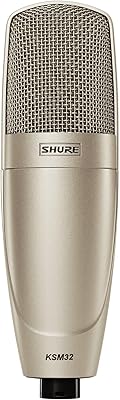
Shure KSM32 Cardioid Condenser Microphone

86%
91%
Sound Quality
88%
Build Quality & Durability
85%
Ease of Use
90%
Versatility for Studio and Live Use
77%
Price vs. Value
More
Shure SM81-LC
Shure SM81-LC
88%
97%
Acoustic Accuracy
94%
Build Durability
92%
Transient Response
88%
Off-Axis Rejection
91%
Low-Frequency Control
More
Audio-Technica PRO70
78%
88%
Audio Clarity
91%
Build Quality
83%
Noise Rejection
61%
Handling & Clothing Noise
86%
Versatility
More
Blue Blueberry Cardioid Condenser Microphone
79%
93%
Tonal Character
91%
Vocal Performance
89%
Build Quality
94%
Capsule Quality
71%
Preamp Compatibility
More
Aston Microphones Stealth Condenser Microphone
79%
88%
Sound Quality
84%
Voice Mode Versatility
86%
Built-in Preamp
91%
Build Quality
83%
Value for Money
More
Blue Bluebird SL Condenser Microphone
75%
91%
Vocal Sound Quality
88%
Build Quality
79%
Value for Money
54%
Ease of Setup
74%
Noise Rejection
More
Aston Microphones Origin
85%
94%
Build Quality
89%
Vocal Clarity
92%
Instrument Response
71%
Internal Pop Filtering
91%
Price-to-Performance Ratio
More
Shure MVL Lavalier Microphone
80%
83%
Audio Clarity
88%
Build Quality
91%
Plug-and-Play Simplicity
79%
RF & Interference Rejection
71%
Omnidirectional Performance
More
Shure SM11 Dynamic Lavalier Microphone
77%
84%
Audio Clarity
89%
Build Quality
76%
Clothing Noise Rejection
49%
Compatibility
71%
Value for Money
More

FAQ

No. The WL185 uses a proprietary Shure TA4F (TQG) 4-pin mini connector, which is only compatible with Shure wireless bodypack transmitters. If your bodypack is from a different brand such as Sennheiser, Audio-Technica, or Sony, this mic will not physically connect without a third-party adapter, and even then, impedance and sensitivity mismatches can cause audio quality issues.

This clip-on condenser works with any Shure bodypack transmitter that features a TA4F (TQG) input, which includes popular Shure wireless series such as the BLX, SLX, ULXD, QLXD, and Axient Digital families, among others. Always confirm your specific transmitter model accepts a TA4F input before ordering.

It depends on your environment. A cardioid pattern like the one on the WL185 is more resistant to feedback and rejects noise coming from the sides and rear, which makes it a strong choice for louder stages or rooms with monitors nearby. The trade-off is that placement matters more — if the mic shifts off-angle, you can lose level. An omni lav is more forgiving with placement but picks up more of the room, including feedback sources.

Not practically. This mic requires a Shure TA4F wireless bodypack transmitter to function, so it cannot plug directly into an audio interface, mixer, or computer. If you need a lavalier for home recording or podcasting, you would be better served by a dedicated USB or standard XLR lavalier that connects without a wireless transmitter.

For speech and vocals, aim to place the capsule roughly 6 to 8 inches below the chin, in the center of your chest, secured to a collar or tie. The cardioid pattern means the front of the capsule should face toward your mouth — clipping it sideways or letting it flop face-down will cause a noticeable drop in level and clarity. A small piece of cloth tape over the clip can help prevent the mic from shifting during movement.

The included foam windscreen handles light breath noise and indoor air movement well, but for outdoor environments with any real wind, foam alone will not be sufficient. For outdoor events, a furry or fur-style overcover designed for small lavalier capsules will provide significantly better wind rejection and is worth the small additional investment.

The WL185 is a professional-grade mic and holds up well for most users, but the area near the TA4F connector is the most common point of wear reported over heavy touring use. If the cable is repeatedly bent sharply at the connector or stored carelessly, that junction can degrade over time. Treating the cable gently, using proper coil storage, and avoiding tight bends at the connector will extend its working life considerably.

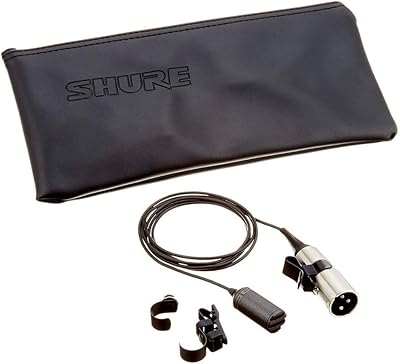
The WL185 ships with the microphone itself, a tie clip for attachment, and a foam windscreen for the capsule. It does not include a wireless transmitter, receiver, or any additional mounting accessories, so factor in those components separately if you are building a new wireless system from scratch.

The most common cause is gain staging on the transmitter side — check that your bodypack input gain is set appropriately for a condenser microphone, as condensers are more sensitive than dynamic mics and need different gain settings. Also verify mic placement, since the cardioid pattern can drop off noticeably if the capsule is not aimed toward the sound source. A damaged or faulty TA4F connection can also reduce signal output and is worth inspecting if gain adjustments do not help.

Yes, for its intended purpose. The lavalier mic market has not fundamentally changed what professionals need from a clip-on cardioid — clean audio, reliable connectivity, and a low-profile build — and the WL185 continues to deliver those qualities. Its long production history is actually a practical advantage, as replacement parts, community knowledge, and service support are widely available for a mic that has been in the field for over two decades.

Where to Buy