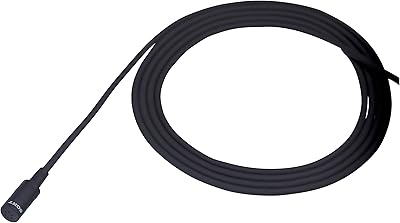
Overview

The Shure MVL Lavalier Microphone is a compact, clip-on mic built for smartphone and tablet users who want noticeably better audio without hauling around a full recording setup. It connects via a 3.5mm TRRS jack — plug it in and you are ready to record, no apps required on devices that still carry that port. Priced in the mid-range, it sits well above the throwaway earphone mics bundled with phones while stopping short of professional broadcast territory. The metal housing feels solid, and the attached 1.3m cable keeps things tidy. In a crowded field of mobile audio accessories, this Shure lav mic has a genuinely recognizable name behind it.
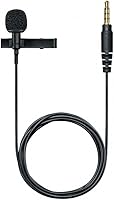
Features & Benefits

The 65 dB signal-to-noise ratio is probably the most meaningful spec here — it means dialogue and narration come through clean rather than buried in background hiss. The omnidirectional pickup pattern does a solid job of capturing the speaker's voice without demanding perfect clip placement, which matters when you are setting up quickly between takes. Built-in RF and GSM shielding is a genuinely useful feature; anyone who has recorded near a busy phone knows how distracting that interference buzz can be. The included windscreen handles light breeze and breath pop reasonably well, and plug-and-play simplicity means no drivers or settings to wrestle with before hitting record.

Best For

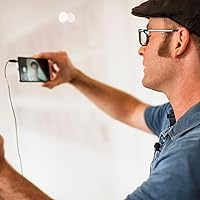
This clip-on mic makes the most sense for solo content creators — vloggers, interviewers, and educators who shoot on a phone and want audio that does not embarrass the visuals. Its small, dark housing clips discreetly to a collar or lapel and largely disappears on camera, which matters when appearance counts. Journalists doing quick on-location clips will appreciate how little setup is involved. It is also a smart pick for anyone stepping away from the built-in phone mic for the first time, without the complexity of an external recorder or XLR chain. If you want wired simplicity over Bluetooth hassle, the MVL fits naturally.

User Feedback

Across several hundred ratings, the MVL holds a 4.2 out of 5, and the recurring theme in positive reviews is straightforward: buyers are consistently struck by how much cleaner their recordings sound compared to a phone's built-in mic. That said, real limitations do surface. The omnidirectional pattern picks up room echo and background noise in untreated spaces — not a design flaw, but something to know going in. Newer iPhone users without a headphone jack will need an adapter, adding a small but real friction point. The 1.3m cable is workable for most situations but does restrict movement for anyone recording at a distance.

Pros

  • Audio quality is noticeably cleaner and fuller than any built-in phone or tablet microphone.
  • The Shure MVL Lavalier Microphone connects instantly — no apps, no pairing, no configuration required.
  • Metal housing feels durable and holds up well to daily use in a bag or kit.
  • RF and GSM shielding keeps cellular interference noise out of recordings in busy environments.
  • Omnidirectional pattern means mic placement does not need to be precise to get a usable result.
  • Small, dark housing clips discreetly to clothing and rarely draws attention on camera.
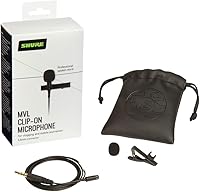
  • Windscreen, clothing clip, and carrying pouch are all included — ready to use out of the box.
  • Works reliably with smartphones, tablets, and laptops that still carry a 3.5mm headset jack.
  • Compact and light enough to carry everywhere without adding meaningful weight to a travel kit.

Cons

  • Modern iPhones and many Android flagships require an additional adapter to use this clip-on mic at all.
  • The 1.3m cable cannot be swapped out, limiting distance and flexibility during recording.
  • Omnidirectional pickup captures background room noise, making untreated spaces a real problem.
  • The attached cable cannot be replaced if it frays or fails — the whole unit must be replaced.
  • The clothing clip feels noticeably flimsier than the mic housing and can lose grip on thicker fabrics.
  • Included windscreen handles light breeze but struggles in genuinely windy outdoor conditions.
  • No cable length options exist — users who need more reach have no upgrade path within this model.
  • At this price, entry-level wireless lav systems offer more physical freedom for a comparable investment.

Ratings

The Shure MVL Lavalier Microphone has been scored by our AI system after analyzing verified buyer reviews from global markets, with spam, bot-generated, and incentivized submissions actively filtered out. The result is a balanced breakdown that reflects both what this clip-on mic genuinely does well and where real users have run into friction. Scores are designed to help creators at every level decide whether it matches their actual workflow.
Audio Clarity
83%
Reviewers shooting interview-style videos or narration clips consistently report a meaningful jump in dialogue clarity compared to any built-in phone mic. The 65 dB signal-to-noise ratio translates to recordings that sound clean and focused even in moderately noisy environments like coffee shops or outdoor plazas.
This is still a mid-range condenser, not a broadcast-grade microphone. Users recording in reverberant rooms — tiled kitchens, bare office spaces — notice that the omnidirectional pattern captures the room as much as the speaker, which can make audio sound hollow without treatment.
Build Quality
88%
The all-metal housing feels noticeably more substantial than most plastic lav mics in this price bracket. Vloggers and journalists who toss it into a bag daily report that it holds up well over months of regular use without the housing cracking or the cable connector loosening.
The attached cable is not replaceable, so any serious damage to it means replacing the whole unit. A few long-term users have noted fraying near the TRRS connector after heavy use, which is a vulnerability worth knowing about before committing.
Plug-and-Play Simplicity
91%
Connecting the MVL is about as straightforward as audio gear gets — plug into a 3.5mm headset jack and the phone or tablet recognizes it immediately. No apps, no drivers, no pairing sequences. For creators who just want to hit record, this zero-friction setup is a genuine advantage.
That simplicity disappears the moment your device lacks a headphone port. iPhone users on models from the iPhone 7 onward need a Lightning-to-3.5mm adapter, and Android users with USB-C-only phones face the same workaround — an extra purchase and an extra point of failure in the chain.
RF & Interference Rejection
79%
21%
The built-in RF and GSM shielding does its job in real shooting conditions. Users who previously struggled with that telltale buzzing interference from a nearby phone — especially common during live event coverage or busy public settings — report it is largely absent with the MVL clipped on.
Shielding is not absolute. Under unusually heavy cellular traffic or near certain wireless routers, a small number of reviewers have reported faint interference artifacts slipping through. It is rare, but worth flagging for anyone recording in high-density signal environments like trade show floors.
Omnidirectional Performance
71%
29%
The omnidirectional polar pattern is a practical advantage for anyone clipping the mic under a jacket or to a shirt collar — there is no need to position it with surgical precision to get a usable recording. Educators mic-ing up for classroom lectures find this especially convenient.
Omni pickup is a double-edged choice. It captures ambient sound from every direction, meaning a busy street, an air conditioning unit, or even keyboard clicks can end up competing with the speaker's voice. Users recording in anything less than a quiet room should factor this in carefully.
Cable Length & Usability
66%
34%
The 1.3m attached cable is long enough for the majority of smartphone recording setups — clipping the mic to a lapel while the phone sits in a pocket or on a small tripod is comfortable and does not create tension on the connector. It covers the basics without excess bulk.
For anything involving more physical distance between the speaker and the camera — a desk interview setup, a two-person conversation, or a presenter moving around a stage — 1.3m runs out quickly. The non-detachable design means there is no option to swap in a longer cable when the situation demands it.
Portability & Form Factor
92%
The MVL is genuinely small and light. It disappears into a jacket pocket or a small accessory pouch without adding noticeable weight to a travel kit. The included carrying pouch is a thoughtful touch that keeps it from rattling around loose in a bag alongside other gear.
The small size does mean the housing is easy to misplace during a hectic shoot. The clip, while functional, does not grip particularly thick fabrics as securely as some competitors, which can cause the mic to shift position during longer recording sessions.
Wind & Breath Noise Handling
73%
27%
The foam windscreen that ships with the MVL handles light breezes and close-proximity breath noise reasonably well for a clip-on at this price level. Outdoor vloggers shooting on a calm day or in mild wind conditions report usable results without needing to buy a third-party cover.
In stronger wind or when the mic is placed very close to the mouth, the included windscreen starts to lose the battle. Users shooting in coastal or high-altitude outdoor environments often report that upgrading to a furry windscreen is necessary to get clean audio.
Compatibility Range
68%
32%
On any device that still has a 3.5mm headset input — older iPhones, most Android mid-range phones, tablets, and laptops — the MVL connects without a second thought. It also works cleanly with portable audio recorders that accept TRRS input, broadening its use case beyond just smartphones.
The compatibility picture gets complicated fast with modern flagship phones. Both Apple and many Android manufacturers have dropped the headphone jack, and the required adapters introduce latency concerns and occasional recognition failures depending on the adapter quality. This is the most frequently cited frustration in reviews.
Value for Money
76%
24%
Relative to other clip-on mics from lesser-known brands in a similar price range, the MVL delivers measurably better audio performance and noticeably better build. Buyers who have tried cheaper alternatives and been disappointed tend to feel the step up in quality is worth the price difference.
At its price point, the MVL competes with entry-level wireless lav systems that offer more freedom of movement. For creators who shoot frequently in varied settings, the cable-dependent design can start to feel like a limitation relative to what else the budget could buy.
Discreet On-Camera Appearance
86%
The small black housing and slim cable profile make the MVL one of the less obtrusive wired lav mics available. When clipped to a dark shirt or jacket, it is easy to miss on camera — a genuine plus for interview-style content where a visible mic would distract from the subject.
On lighter-colored clothing or in close-up shots, the black cable can still stand out. There is no alternative color option available, which is a minor but real limitation for creators who regularly shoot subjects in light or white attire.
Accessories & Packaging
77%
23%
The kit includes a windscreen, clothing clip, and a carrying pouch — practical additions that do not feel like afterthoughts. Having everything needed for basic use in the box means buyers can start recording on the same day without a separate accessories order.
The clothing clip, while functional, feels like the weakest piece in the box. Several reviewers describe it as slightly flimsy compared to the quality of the mic housing itself, and a handful report the clip breaking or losing tension after repeated use on thicker fabric.
Setup Speed
89%
For run-and-gun shooting — a quick street interview, a spontaneous vlog take, a lecture that starts in two minutes — the MVL clips on and connects in under thirty seconds. That speed matters in real creator workflows where fussing with gear means missing the moment.
The speed advantage only holds when your device has the right port ready to go. If an adapter is needed, that thirty-second setup can stretch considerably, and hunting for a misplaced dongle mid-shoot is a frustration several reviewers specifically call out.

Suitable for:

The Shure MVL Lavalier Microphone is a strong fit for solo content creators — vloggers, interviewers, educators, and journalists — who shoot primarily on a smartphone or tablet and want a meaningful audio upgrade without building out a complex recording rig. If you are currently relying on your phone's built-in mic for YouTube videos, podcast clips, or on-location interviews, the jump in clarity you will hear is immediate and real. It works especially well in controlled or moderately quiet environments: a home office setup, a classroom, an indoor interview, or a calm outdoor shoot where wind is light. The discreet form factor is a genuine advantage for anyone who wants the mic to disappear on camera rather than become a visual distraction. Teachers recording lecture content, field journalists grabbing quick on-location clips, and one-person production setups where simplicity matters most will find the MVL hits a practical sweet spot between quality and convenience.

Not suitable for:

Buyers who own a recent iPhone without a headphone jack should pause before purchasing — the Shure MVL Lavalier Microphone requires a 3.5mm TRRS connection, and using it with a Lightning or USB-C-only device means relying on an adapter that introduces an extra cost and an extra point of potential failure. It is also not the right tool for creators who need to move freely during recording: the attached 1.3m cable limits physical distance between the speaker and the device, which makes it awkward for presenters, fitness instructors, or anyone who cannot stay close to their camera. Professionals or semi-pros who record in acoustically untreated spaces should know that the omnidirectional pickup pattern captures the full room — echo, air conditioning hum, street noise — not just the speaker's voice, which can require significant post-processing to salvage. If your priority is wireless freedom, a longer effective range, or studio-level isolation, this clip-on mic will leave you wanting more.

Specifications

  • Connector Type: Uses a 3.5mm TRRS connector, compatible with devices that have a combined headphone and microphone input jack.
  • Polar Pattern: Omnidirectional pickup captures sound equally from all directions around the microphone capsule.
  • Signal-to-Noise Ratio: Rated at 65 dB, delivering clean audio with low background hiss compared to most budget lavalier options.
  • Microphone Type: Electret condenser capsule, which requires phantom power supplied directly through the connected device.
  • Cable Length: Comes with a permanently attached 1.3m cable, sufficient for most close-proximity smartphone recording setups.
  • Housing Material: Constructed from metal, giving the mic body a solid, durable feel that resists everyday wear from regular use.
  • Weight: Weighs 2.11 oz (approximately 60 grams), making it light enough to clip on without pulling at fabric.
  • Dimensions: The mic unit and its packaging measure 5.2 x 3.3 x 1.6 inches, compact enough to fit in any accessory pouch.
  • Channels: Mono single-channel output, standard for lavalier microphones used in voice recording and video production.
  • Compatibility: Designed for smartphones, tablets, and laptops that feature a 3.5mm TRRS headset input jack.
  • RF Protection: Includes built-in RF and GSM interference shielding to reduce noise artifacts caused by nearby cellular signals.
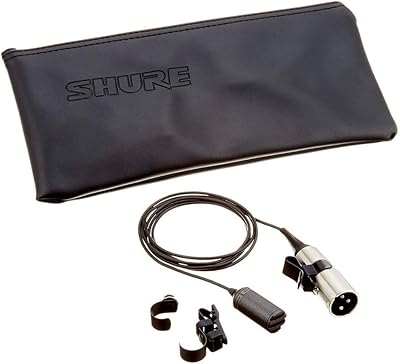
  • Included Accessories: Ships with a foam windscreen, clothing clip, and a soft carrying pouch for storage and travel.
  • Form Factor: Lavalier clip-on design with a small, low-profile housing intended to sit discreetly on a collar or lapel.
  • Color: Available in black only, which helps the mic blend into dark clothing and remain less visible on camera.
  • Model Number: Officially designated as the MVL-3.5MM by Shure, identifying the specific TRRS wired variant of the MVL line.
  • Brand: Manufactured by Shure, a company with decades of professional audio engineering history across consumer and broadcast markets.
  • Power Source: Powered by phantom power delivered through the connected device — no batteries or external power supply required.

Related Reviews
Shure WL185 Lavalier Microphone
87%
92%
Sound Quality
90%
Background Noise Rejection
88%
Durability and Build Quality
85%
Portability and Size
83%
Ease of Use/Setup
More
Shure SM11 Lavalier Microphone
84%
87%
Audio Quality
91%
Build Quality & Durability
93%
Portability & Design
85%
Ease of Use & Setup
82%
Accessory Bundle
More
Shure Microflex MX185 Lavalier Microphone
86%
93%
Audio Quality
87%
Ease of Use
89%
Portability
85%
Noise Reduction
88%
Versatility in Setup
More
Shure WL93 (4-Foot Cable)
88%
92%
Vocal Clarity
96%
Concealability
84%
Cable Durability
78%
Background Noise Rejection
89%
Mounting Versatility
More
Shure VP89L Microphone
86%
92%
Sound Quality
89%
Modularity
90%
Build Quality
85%
Ease of Use
91%
Directional Accuracy
More
Shure SM7B
Shure SM7B
83%
98%
Vocal Sound Quality
96%
Background Noise Rejection
94%
Build Quality & Durability
41%
Ease of Setup
88%
Plosive & Sibilance Control
More
BOYA BY-M1 Lavalier Microphone
85%
92%
Value for Money
88%
Sound Quality
91%
Ease of Use
93%
Portability
75%
Noise Cancellation
More
PIXEL Lavalier Microphone for iPhone
85%
92%
Value for Money
88%
Ease of Use
84%
Audio Quality in Noisy Environments
93%
Compatibility with iPhone
91%
Portability & Size
More
Shure PGA58
Shure PGA58
86%
93%
Build Quality
86%
Vocal Clarity
89%
Feedback Rejection
96%
Value for Money
84%
Switch Design
More
VEZQUA Wireless Lavalier Microphone
86%
87%
Audio Quality
91%
Noise Cancellation
88%
Battery Life (Per Mic)
93%
Battery Life (Total with Case)
94%
Ease of Setup
More

FAQ

Not directly out of the box. Modern iPhones no longer include a 3.5mm headphone jack, so you will need a Lightning-to-3.5mm adapter to use this clip-on mic. The adapter works, but it is an extra purchase and an extra link in the chain that can occasionally cause recognition issues depending on adapter quality.

Yes, as long as your Android phone has a 3.5mm headset jack that supports both audio input and output — which most mid-range and older Android devices do. If your Android phone is USB-C only with no headphone port, you will face the same adapter requirement as iPhone users.

No setup is required at all. The Shure MVL Lavalier Microphone is plug-and-play — connect the TRRS jack to a compatible port and your phone or tablet should recognize it immediately as the active microphone input. Most standard camera and video apps will pick it up automatically.

Unfortunately, no. The 1.3m cable is permanently attached to the mic housing, so if it gets damaged — especially near the connector end, which tends to take the most stress — the entire unit would need to be replaced. Handle the cable with care, especially around the TRRS plug.

The omnidirectional polar pattern means the MVL picks up sound from all directions, not just in front of it. In quiet or moderately controlled environments it sounds great, but in noisy spaces — busy streets, rooms with echo, air-conditioned offices — you will notice background noise competing with your voice. The included windscreen helps with light breeze outdoors, but it is not a fix for heavy wind or loud ambient noise.

It depends on the device. Many DSLRs and portable recorders have a 3.5mm mic input, but it is often a TRS input rather than TRRS. Plugging a TRRS connector into a TRS jack can work but may result in signal issues or channel imbalances. Check your camera's input type before assuming compatibility.

The attached cable is 1.3 meters long. For most smartphone-on-tripod setups or pocket-phone situations, it is comfortable and leaves a bit of slack. Where it starts to feel short is if you need more distance between the person being recorded and the camera, such as a sit-down interview across a desk with the phone mounted further away.

This is one of the more common complaints from buyers. Because the mic is omnidirectional, it captures the acoustic character of the room alongside your voice. In a softly furnished room — carpet, curtains, bookshelves — it sounds natural. In a bare room with hard walls, you may hear noticeable reverb. Recording in a treated or naturally soft space makes a real difference.

Quite discreet, especially on dark clothing. The housing is small and the profile is slim, so when clipped under a collar or to a lapel it is easy to miss on camera. On lighter fabrics or in tight close-up shots, the black cable can still be visible, but for most standard framing it blends well.

The MVL itself does not have headphone monitoring built in — it is a microphone only. Any latency you experience would come from your recording app or device, not from this clip-on mic. Most standard camera apps on iOS and Android introduce minimal monitoring delay, though third-party recording apps vary.