Overview

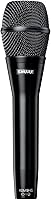
The Shure KSM9HS Condenser Handheld Vocal Microphone is built from the ground up for live performance — not the studio shelf. Shure positioned this as a serious tool for working vocalists, and that intent shows in every design choice. What sets the KSM9HS apart from most vocal condensers is its switchable polar pattern — toggle between cardioid and supercardioid depending on your stage setup. It ships with a locking aluminum carry case and a stand adapter, which road-tested performers will appreciate. One important caveat: this condenser vocal mic requires phantom power, so buyers pairing it with basic PA systems or wireless rigs need to verify compatibility before purchasing.
Features & Benefits

The dual 3/4-inch gold-layered Mylar diaphragms inside the KSM9HS give it a frequency response that captures the full character of a vocal — not just the loudest parts. The transformerless Class A preamp is the real workhorse here; it handles fast transient spikes without adding color or distortion, which matters when a singer goes from a whisper to a belt in a single phrase. The internal shock mount does a solid job absorbing stand vibration and handling noise. With a signal-to-noise ratio of 78 dB, background noise stays well below the music even in loud, complex stage environments. The aluminum housing feels built to survive touring, not just weekend gigs.

Best For

This Shure handheld is a strong fit for lead vocalists who tour or regularly move between venues with different acoustic setups. The ability to switch polar patterns means you are not stuck fighting feedback in a venue with unforgiving monitor placement — you adapt instead. Sound engineers running live shows will appreciate the feedback rejection that supercardioid mode offers without giving up the clarity a condenser brings. That said, if you are a casual weekend performer using a basic PA without phantom power, this condenser vocal mic is probably more microphone than your current setup can support. It rewards those who have invested in the rest of their signal chain.

User Feedback

Among working performers, the KSM9HS earns consistent praise for its vocal clarity and presence — singers describe a natural, open sound that dynamic handhelds rarely match. The feel in hand gets mentioned often too; it has a balanced weight that feels intentional rather than bulky. On the critical side, some users find it picks up more handling noise than expected for a condenser at this level, despite the internal shock mount. The phantom power requirement catches a few buyers off guard, particularly those expecting plug-and-play compatibility with wireless systems. A handful of hobbyist buyers question the price-to-value proposition, but professionals overwhelmingly consider it a worthwhile long-term investment.

Pros

  • Switchable polar patterns give live vocalists real flexibility across different stage and monitor configurations.
  • The transformerless preamp captures vocal transients cleanly without adding coloration or distortion.
  • Dual gold-layered Mylar diaphragms produce a detailed, natural frequency response that flatters most voices.
  • A 78 dB signal-to-noise ratio keeps the noise floor impressively low even in loud live environments.
  • The locking aluminum carry case is a practical inclusion that road-tested performers will use constantly.
  • Aluminum construction feels solid and road-ready without being uncomfortably heavy for extended sets.
  • The internal shock mount meaningfully reduces stand rumble and low-frequency vibration during performance.
  • Vocalists upgrading from dynamics will notice an immediate improvement in presence and tonal nuance.
  • The KSM9HS competes well against similarly priced condensers when it comes to feedback rejection in supercardioid mode.
  • Stand adapter is included, so you are stage-ready out of the box without hunting for accessories.

Cons

  • Phantom power is non-negotiable — buyers with basic PA setups may need to upgrade their mixer first.
  • Compatibility with standard wireless transmitter packs is limited, which restricts flexibility for wireless performers.
  • More sensitive to handling noise than a dynamic mic, so sloppy mic technique will be audible in the mix.
  • The investment is harder to justify for hobbyists or part-time performers who sing infrequently.
  • Heavier than many competing vocal handhelds at just over two pounds, which some singers notice during long sets.
  • The polar pattern switch, while useful, is not easily toggled mid-performance without interrupting your grip.
  • No built-in pad or high-pass filter switch, which limits versatility for very loud or bass-heavy vocalists.
  • Buyers expecting wireless-ready out of the box will be disappointed — this is strictly a wired XLR solution.

Ratings

The Shure KSM9HS Condenser Handheld Vocal Microphone scores here reflect AI-synthesized analysis of verified global buyer reviews, with spam, incentivized posts, and bot activity actively filtered out before scoring. Ratings capture both what working performers genuinely love about this mic and the friction points that come up repeatedly across real-world use cases. Nothing is glossed over — the KSM9HS earns strong marks in many areas, but a few practical limitations are scored honestly and explained in full.

Vocal Clarity
93%
Across hundreds of reviews from gigging vocalists, the clarity this condenser delivers on stage is the single most praised attribute. Performers consistently describe hearing parts of their voice — upper harmonics, subtle breath control, natural resonance — that their previous dynamic handhelds were simply masking.
That same clarity can be unforgiving for singers who are still developing their technique or breath control. A handful of reviewers noted that the mic exposes pitch inconsistencies and sibilance more readily than a dynamic, which requires some adjustment period for less experienced vocalists.
Polar Pattern Flexibility
86%
The ability to switch between cardioid and supercardioid is genuinely useful for performers who move between venues with different monitor configurations. Sound engineers in particular praise this feature for giving them an extra tool to manage feedback without repositioning equipment.
The physical switch is not something most performers can comfortably toggle mid-song without disrupting their grip or risking an accidental bump. Several users noted they set it once before a show and leave it, which limits how dynamically the feature gets used in practice.
Feedback Rejection
81%
19%
In supercardioid mode especially, the KSM9HS holds up well in loud stage environments where condensers often become a liability. Vocalists performing in front of powerful monitor wedges report noticeably fewer feedback incidents compared to other condenser handhelds they had tried previously.
Feedback rejection is not quite on par with a dedicated dynamic vocal mic like the SM58, and cardioid mode in particular requires more careful monitor placement than some users anticipated. Performers in small, acoustically problematic rooms report needing to work harder at stage positioning.
Build Quality
89%
The aluminum body feels immediately premium — solid without being excessively heavy — and touring musicians describe it as holding up well through regular use, transport, and the occasional rough handling that comes with life on the road. The locking carry case adds a meaningful layer of protection.
A small number of long-term users report cosmetic wear on the finish after extended touring, and the grille shows denting more readily than some competitors at a similar price point. It is durable but not indestructible, and heavy-handed performers should treat it with some care.
Handling Noise
67%
33%
The internal shock mount does provide a real and measurable reduction in stand-transmitted rumble and low-frequency mechanical noise, which is more than many vocal condensers offer at any price. Performers who use a relaxed grip and keep the mic relatively still report clean, noise-free capture.
This is one of the more consistently flagged pain points in user reviews. Singers who move energetically, grip tightly, or tap the mic body will find that handling noise bleeds into the signal more than they expected from a mic at this level — the shock mount has clear limits.
Phantom Power Dependency
58%
42%
For performers who already own a mixer or audio interface with 48V phantom power, this is a complete non-issue, and the mic performs exactly as intended without any workarounds. The phantom power requirement is standard across all condenser microphones and causes no complications in well-equipped rigs.
This is a genuine dealbreaker for a meaningful segment of buyers who discover after purchase that their existing PA or wireless system cannot supply phantom power. The incompatibility with most wireless transmitter packs is a recurring source of frustration and negative reviews from buyers who did not research this in advance.
Sound Presence & Color
91%
The transformerless Class A preamp keeps the signal path clean and transparent, which vocalists who have worked with colored or hyped-sounding mics will immediately appreciate. The KSM9HS adds nothing artificial — it reproduces voices with a natural presence that sits well in a live mix without heavy EQ work.
A small number of users who prefer a warmer, more colored sound found the KSM9HS almost too neutral for their taste. Genre matters here — vocalists performing styles that traditionally favor a warmer, more colored character may want to audition this mic before committing.
Transient Response
88%
Fast, percussive vocal moments — aggressive consonants, sudden dynamic bursts, spoken-word transitions — come through with impressive definition thanks to the low-mass diaphragms and discrete preamp design. Live sound engineers note that this mic captures the attack of a vocal phrase in a way that keeps it intelligible even in a dense mix.
This responsiveness is a double-edged characteristic in practice. In environments with excessive ambient noise or poor stage isolation, the mic picks up transient sounds from the surrounding environment with similar accuracy, which can complicate the mix in less controlled live settings.
Value for Money
72%
28%
Professional touring musicians and serious semi-professional performers broadly consider the KSM9HS a justified investment given the build quality, included accessories, and performance consistency across varied venues. The locking case alone represents meaningful value that competing mics at similar prices rarely include.
Hobbyist singers and casual performers are more divided on the value question — and understandably so. If your gigs are infrequent or your signal chain is not yet equipped to support a phantom-powered condenser, the premium you pay over a quality dynamic handheld is difficult to rationalize in practical terms.
Comfort & Ergonomics
83%
Most performers report that the KSM9HS has a well-balanced weight distribution that makes it comfortable to hold through a full set. The grip diameter sits in a natural range for most hand sizes, and the aluminum body does not develop the slippery surface feel that some plastic-bodied mics do under stage lighting heat.
At just over two pounds, a small number of performers — particularly those with smaller hands or who perform very long sets — note that fatigue becomes a factor toward the end of a show. It is not heavy by any objective measure, but it is perceptibly weightier than lighter dynamic alternatives.
Included Accessories
87%
The locking aluminum carry case is a standout inclusion that gigging musicians consistently call out as practical and genuinely protective — not just a marketing add-on. The stand adapter is functional and fits standard threading without play or wobble, which is a small but appreciated detail.
Beyond the case and stand adapter, the package is lean. There is no clip, no pouch, and no XLR cable included, which means first-time buyers still need to factor in additional purchases before they are fully stage-ready. For a mic at this price tier, a cable inclusion would have been a welcome addition.
Frequency Response for Vocals
92%
The wide, detailed frequency response that the dual diaphragms deliver is particularly well-matched to the full range of the human voice. Users performing everything from delicate folk vocals to powerful rock belting report that the mic handles dynamic swings across the frequency spectrum without compressing or losing detail at the extremes.
The extended high-frequency response that makes this mic shine for most vocalists can occasionally introduce harshness for singers with naturally bright, forward tonal characteristics. A small number of users note needing to apply a gentle high-shelf cut at the board to tame an overly airy top end in certain vocal types.
Durability Over Time
84%
Long-term owners who have been using this Shure handheld for two or more years describe the core functionality remaining consistent — capsule performance, grounding, and mechanical stability all holding up well under regular touring conditions. Shure's reputation for longevity is broadly reinforced in the long-term feedback for this model.
The exterior finish shows its age more visibly than the internals, with scuffing and cosmetic wear appearing after heavy use. A few multi-year owners also note that the polar pattern switch develops a slightly looser feel over time, though functional degradation from this appears to be rare.

Suitable for:

The Shure KSM9HS Condenser Handheld Vocal Microphone is purpose-built for working vocalists who take live performance seriously and need a mic that adapts to different stages rather than fighting against them. If you regularly move between venues — small clubs one weekend, larger theater stages the next — the ability to switch between cardioid and supercardioid polar patterns means you can dial in feedback rejection based on your actual monitor placement, not just hope for the best. Touring artists who invest in their gear will also value the included locking aluminum carry case, which keeps the mic protected in transit without requiring a separate purchase. Sound engineers running live productions will find that the KSM9HS delivers the tonal detail of a condenser without the feedback vulnerability that often makes condensers impractical for loud stage environments. It is especially well-suited to singers upgrading from dynamic handhelds who want to hear more nuance and air in their vocal reproduction without switching to a studio-only tool.

Not suitable for:

The Shure KSM9HS Condenser Handheld Vocal Microphone is not the right choice for every buyer, and being honest about that matters. If your PA system or mixer does not supply phantom power, this mic simply will not function — and that rules out a meaningful number of entry-level and budget live setups without additional investment. Buyers hoping to use it with a wireless transmitter pack will also run into compatibility issues, since most standard wireless systems are not designed to work with condenser capsules that require phantom power. Casual performers who only sing a few times a year or hobbyists on a tighter budget may find the price hard to justify when a quality dynamic handheld would serve their needs just as well at a fraction of the cost. Additionally, users who tend to grip a mic tightly or move around aggressively on stage should know that despite the internal shock mount, this condenser is more sensitive to handling noise than a typical dynamic mic — technique matters more here.

Specifications

  • Diaphragm Type: Features dual 3/4-inch gold-layered, low-mass Mylar diaphragms engineered for accurate vocal frequency reproduction.
  • Polar Patterns: Switchable between cardioid and supercardioid polar patterns to suit different stage monitoring and acoustic environments.
  • Preamplifier: Class A discrete transformerless preamplifier design minimizes harmonic and intermodulation distortion across the full frequency range.
  • Signal-to-Noise Ratio: Rated at 78 dB, supporting a clean, low-noise signal floor even in demanding live performance conditions.
  • Audio Sensitivity: Sensitivity is rated at 54 dB, appropriate for close-proximity vocal capture in live stage applications.
  • Power Source: Requires phantom power to operate; no battery-based power option is available for this condenser capsule design.
  • Connectivity: Wired XLR connection with a single channel output; not natively compatible with standard wireless transmitter packs.
  • Shock Mount: Integrated advanced suspension shock mount system isolates the capsule from mechanical handling and stand-transmitted vibration noise.
  • Body Material: Constructed from aluminum for a durable, road-ready build that resists the physical demands of regular touring use.
  • Weight: Weighs 2.02 pounds, offering a solid feel in hand while remaining manageable for extended live performances.
  • Dimensions: Measures 5 x 11 x 6.5 inches, consistent with a full-size professional handheld vocal microphone form factor.
  • Included Accessories: Ships with a locking aluminum carrying case and a standard microphone stand adapter for immediate stage deployment.
  • Channels: Single channel output design, intended for individual vocal use rather than multi-capsule or stereo recording configurations.
  • Color: Available in black with an aluminum finish suited to professional stage and studio visual aesthetics.
  • Manufacturer: Designed and manufactured by Shure Incorporated, a company with a long-standing reputation in professional audio equipment.
  • Model Number: Official model designation is KSM9HS, distinguishing it within Shure's KSM condenser microphone product line.
  • UPC: Universal Product Code is 042406266802, useful for verifying authenticity and cross-referencing with authorized retailers.
  • Availability: Not discontinued by the manufacturer as of the most recent product listing update, indicating active production and support.

Related Reviews
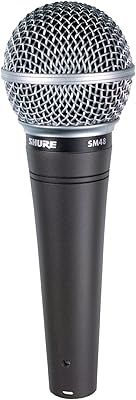
Shure SM48 Handheld Dynamic Microphone
83%
91%
Build Quality
88%
Value for Money
74%
Sound Quality
89%
Feedback Rejection
83%
Handling Noise
More
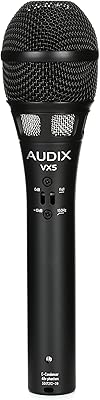
Audix VX5 Supercardioid Condenser Microphone
78%
91%
Vocal Clarity
88%
Feedback Rejection
86%
Build Quality
83%
Versatility
87%
Noise Floor
More
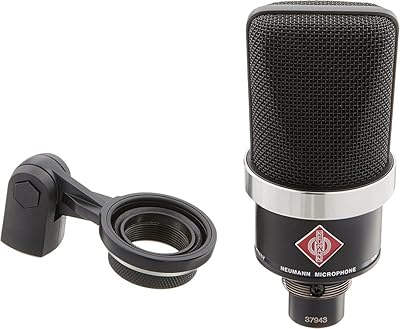
Neumann TLM 102
Neumann TLM 102
86%
93%
Vocal Clarity & Presence
97%
High SPL Handling
89%
Build Quality & Durability
86%
Form Factor & Size
88%
Noise Rejection & Isolation
More
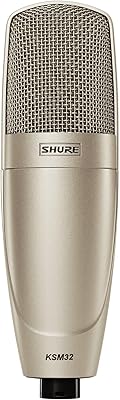
Shure KSM32 Cardioid Condenser Microphone
83%
93%
Vocal Clarity
91%
Transient Accuracy
94%
Build Quality
72%
Value for Money
89%
Noise Floor Performance
More
Shure SM137
Shure SM137
84%
91%
Sound Transparency
88%
Build Quality
89%
Low-Noise Performance
87%
Handling of High SPL Sources
93%
Acoustic Guitar Capture
More
Shure KSM8
Shure KSM8
82%
93%
Sound Quality
91%
Proximity Effect Control
89%
Build Quality
88%
Feedback Resistance
71%
Handling Noise
More
Shure VP64A Omnidirectional Handheld Microphone
83%
93%
Build Quality
88%
Audio Clarity
84%
Handling Noise
51%
Ambient Noise Rejection
82%
Value for Money
More
Shure Beta 87A
Shure Beta 87A
86%
94%
Vocal Clarity
91%
Feedback Rejection
93%
Build Quality
88%
Handling Noise
82%
Pop Filtering
More
Shure MV5
Shure MV5
81%
83%
Audio Quality
91%
Build Quality
96%
Ease of Setup
78%
Recording Modes
74%
Noise Rejection
More
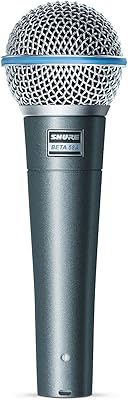
Shure BETA 58A
Shure BETA 58A
88%
98%
Build Quality
94%
Feedback Rejection
91%
Vocal Presence
87%
Handling Noise
92%
Sensitivity & Output
More

FAQ

Yes, like all condenser microphones, the KSM9HS requires phantom power — typically 48V — to operate. If your mixer or audio interface does not supply phantom power, the mic will simply not produce a signal. You would need to either upgrade your mixer or add an inline phantom power supply before this microphone will work in your setup.

This is one of the more common compatibility questions, and the short answer is: not with most standard wireless systems. Wireless handheld transmitters are generally designed around dynamic or specific wireless-optimized capsules, and the phantom power requirement of a condenser like this one creates a fundamental incompatibility. If wireless performance is a priority, you would need a wireless system specifically designed to support condenser capsules.

Cardioid mode picks up sound from a wider arc in front of the mic, which makes it more forgiving if your head moves or you pull the mic away slightly. Supercardioid narrows that pickup pattern and rejects more sound from the sides, which can be a real advantage when monitors are positioned at the sides of the stage and feedback is a concern. Most performers use cardioid for general use and switch to supercardioid in louder, more monitor-heavy environments.

It is primarily engineered for live performance, but the quality of its capsule and preamp means it can certainly hold its own in a studio context for vocal tracking. That said, Shure makes dedicated large-diaphragm studio condensers that would be a more natural fit for pure studio work. Think of the KSM9HS as a live mic that happens to sound good enough for occasional studio sessions, not the other way around.

The internal suspension system does a solid job filtering out low-frequency rumble from mic stands, which is a common nuisance with condenser mics on stage. However, it is not a substitute for good mic technique — if you grip the mic tightly and move aggressively, you will still hear some handling noise. Singers who use a light, relaxed grip tend to get the cleanest results.

If you have outgrown the SM58 and want more detail, presence, and airiness in your vocal sound, the KSM9HS is a logical step up. The difference in clarity and frequency response is genuinely noticeable, especially in the upper midrange and high end where condenser diaphragms capture much more nuance. Just be prepared for the fact that this mic will also reveal more of your voice — including imperfections — so it rewards confident, controlled vocalists.

Mostly, yes. The included stand adapter and locking aluminum carry case mean you are not scrambling for accessories right out of the box. The one thing you will need to confirm beforehand is that your mixer or preamp supplies phantom power, since that is the one non-negotiable requirement to actually power the microphone.

Aluminum construction at this quality level holds up well to the rigors of regular touring, provided you are not dropping it on concrete regularly. The locking carry case adds meaningful protection during transport. A number of working musicians report using this Shure handheld for years without structural issues, though like any condenser, the capsule itself warrants more care than a dynamic mic would.

That depends on your current setup and how seriously you take your sound. If you are gigging a few times a month, have a mixer with phantom power, and genuinely care about how your voice comes across on stage, this condenser vocal mic can absolutely be worth the investment. If you are singing at occasional open mics or casual events with borrowed equipment, the jump in cost and the phantom power requirement may not make practical sense for your situation.

Condenser microphones are generally more sensitive than dynamics, but the KSM9HS is designed with stage conditions in mind and can handle the SPLs typical of live vocal performance without distorting. Very loud singers or those who perform in extremely high-SPL environments — like in front of loud backlines — should check Shure's official SPL specifications to confirm suitability, but for the majority of live vocal applications, overload is not a common complaint among users.

Where to Buy