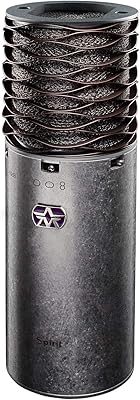
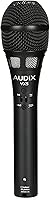
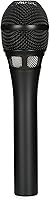
Audix VX5 Supercardioid Condenser Microphone
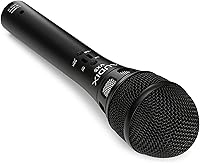
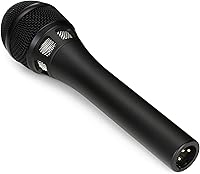
Overview
The Audix VX5 Supercardioid Condenser Microphone is Audix's answer to a question serious performers have long wrestled with: can a condenser mic hold its own on a live stage? Audix has been building professional-grade audio gear in the U.S. for decades, and this handheld condenser reflects that pedigree in its alloy steel construction and no-nonsense form factor. One thing to know upfront — it runs on phantom power, so if you are coming from a dynamic mic background, you will need a compatible preamp or interface. This is not an entry-level purchase; it is built for working musicians and home recordists who know exactly what they need.
Features & Benefits
What sets the VX5 apart from a typical handheld is its supercardioid polar pattern, which narrows the pickup angle significantly compared to a standard cardioid. On a loud stage, that means less bleed from nearby monitors and a much lower risk of feedback — a real-world advantage that specs alone do not capture. The 87 dB signal-to-noise ratio keeps the noise floor low, and the 150-ohm impedance plays nicely with a wide range of preamps without any fussy matching. It also goes well beyond vocals: acoustic guitar, woodwinds, hi-hat, and piano are all fair game, making this Audix condenser surprisingly versatile for its size.
Best For
The VX5 hits its stride in the hands of live vocalists who perform on stages where feedback and monitor bleed are constant battles. It is equally at home in a home studio setting where one well-chosen mic needs to pull double duty across vocals and acoustic instruments. Gigging musicians who have always wanted the clarity of a condenser but worried about durability will appreciate that the VX5 is built more like a road tool than a studio showpiece. Producers tracking woodwinds or brass will find its transient accuracy valuable. It is less ideal for absolute beginners who are still sorting out their signal chain basics.
User Feedback
Buyers who have used this Audix condenser in live settings consistently highlight its vocal clarity and the way it handles a busy mix without picking up everything in the room. Studio users echo that sentiment, noting it captures acoustic instruments with an honesty that more colored mics tend to obscure. On the critical side, a recurring complaint is that the mic ships without a clip or carrying case — an omission that feels like an oversight at this price point. A few reviewers also mention that while it holds its own against more widely recognized condensers in its class, brand recognition can sometimes be a factor in the buying decision.
Pros
- Tight supercardioid pattern provides exceptional feedback rejection in loud live environments.
- 87 dB signal-to-noise ratio keeps recordings clean without relying on heavy post-processing.
- Works convincingly on acoustic guitar, woodwinds, brass, and percussion — not just vocals.
- Alloy steel construction holds up to the wear of regular gigging far better than most condensers.
- 150-ohm impedance pairs reliably with a wide range of professional preamps and interfaces.
- Compact and lightweight enough to travel without adding meaningful weight to a gear bag.
- Single XLR output keeps the signal chain simple and free of unnecessary complexity.
- Audix has a long track record of building professional audio tools trusted by working engineers.
- Transparent sound reproduction gives producers and engineers an accurate, uncolored starting point.
- Versatility across use cases makes it a cost-effective choice for musicians who wear multiple hats.
Cons
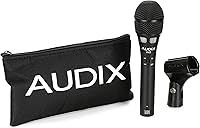
- No mic clip or carrying case included — budget for accessories from the start.
- Requires phantom power, which can catch buyers upgrading from dynamic mics off guard.
- Brand recognition lags behind competitors, making resale value less predictable.
- Transparent character may not suit vocalists who prefer a naturally warm or colored sound.
- Condenser sensitivity means untreated room noise will be audibly captured during recording.
- Frequency response ceiling of 16 kHz falls slightly short of some competing condensers in this tier.
- No built-in pad or high-pass filter limits flexibility when dealing with loud sources or room rumble.
- The VX5 may feel underspecced for dedicated studio work compared to large-diaphragm alternatives at similar price points.
Ratings
The scores below reflect AI-synthesized analysis of verified global user reviews for the Audix VX5 Supercardioid Condenser Microphone, with spam, bot-generated, and incentivized feedback actively filtered out before scoring. Each category is rated on real-world performance patterns drawn from both live-use and home studio contexts, covering what buyers genuinely praised and where they ran into friction. Strengths and pain points are represented transparently — no category has been softened to protect an overall impression.
Vocal Clarity
Feedback Rejection
Build Quality
Versatility
Noise Floor
Value for Money
Handling Noise
Phantom Power Compatibility
Live Stage Performance
Accessories Included
Acoustic Instrument Capture
Ease of Setup
Brand Recognition
Suitable for:
The Audix VX5 Supercardioid Condenser Microphone is a strong match for working vocalists who regularly perform on stages where feedback and monitor bleed are genuine problems, not just theoretical concerns. Its tight supercardioid pattern and clean noise floor make it a practical choice for gigging musicians who want condenser-quality audio without sacrificing the durability they would expect from a road-tested dynamic. Home studio recordists who track both vocals and acoustic instruments will find real value in a single mic that handles both convincingly, rather than buying two purpose-specific tools. Producers and engineers who frequently capture woodwinds, brass, or percussion will appreciate how accurately this handheld condenser renders transient detail. If you already own a phantom-power-capable preamp or audio interface, this mic slots into a professional signal chain without any friction.
Not suitable for:
The Audix VX5 Supercardioid Condenser Microphone is not the right starting point for beginners who are still building their first setup and do not yet have a preamp or interface capable of delivering phantom power — that is a non-negotiable requirement, and overlooking it is an expensive mistake. Buyers expecting a complete out-of-the-box package will also be disappointed, since the mic ships without a clip or carrying case, meaning additional accessory costs are essentially unavoidable. If your priority is a warm, colored vocal character rather than accurate, transparent reproduction, the VX5 may feel a little too honest for your taste. It is also not the ideal pick for podcasters or streamers working in untreated rooms, since a condenser of this sensitivity will capture every sonic imperfection in the space. Finally, those who place heavy weight on mainstream brand recognition when making purchasing decisions may find themselves second-guessing a brand that is less visible in mass-market retail despite its professional credibility.
Specifications
- Polar Pattern: The VX5 uses a supercardioid pickup pattern, which provides a tighter acceptance angle than a standard cardioid and significantly reduces off-axis sound pickup from the sides and rear.
- Connectivity: The mic terminates in a standard XLR connector, making it compatible with any professional mixing console, audio interface, or digital recorder that accepts XLR inputs.
- Signal-to-Noise Ratio: An 87 dB signal-to-noise ratio means the mic captures audio with a very low self-noise floor, preserving detail in quiet passages without introducing audible hiss.
- Impedance: Output impedance is rated at 150 ohms, a professional-standard figure that pairs reliably with the vast majority of preamps and mixing consoles without signal degradation.
- Audio Sensitivity: Sensitivity is rated at -10 dB, indicating the mic is well-suited to close-miked vocal and instrument sources at typical performance and recording levels.
- Frequency Response: The VX5 reproduces frequencies up to 16 kHz, covering the core range of human vocals and most acoustic instruments with accurate, uncolored detail.
- Power Source: The mic requires 48V phantom power supplied through the XLR connection; it does not function with batteries or passive signal chains that lack phantom power capability.
- Body Material: The housing is constructed from alloy steel, giving the mic a solid, road-worthy feel that resists the dents and wear common with frequent live use.
- Weight: At 14.7 ounces, the VX5 is heavier than many plastic-bodied handhelds but still manageable for extended live performance without fatigue.
- Dimensions: The mic measures 9 x 4.25 x 2.5 inches, making it a standard handheld form factor that fits comfortably in most mic stands and clip holders designed for this size.
- Form Factor: The VX5 ships as a microphone only, without an included mic clip, stand adapter, or carrying case.
- Channels: This is a mono, single-channel microphone designed for one-to-one signal routing to a single preamp or mixer channel.
- Compatible Devices: The VX5 is designed to work with audio interfaces, digital recorders, and mixing consoles that supply phantom power over a balanced XLR connection.
- Brand Origin: Audix is an American audio brand with a long-standing reputation for building professional microphones used in live and studio environments worldwide.
- Use Cases: Beyond vocal performance, the VX5 is well-suited to capturing acoustic guitar, woodwinds, brass, percussion, hi-hat, drum overheads, and piano in both live and studio settings.
Related Reviews
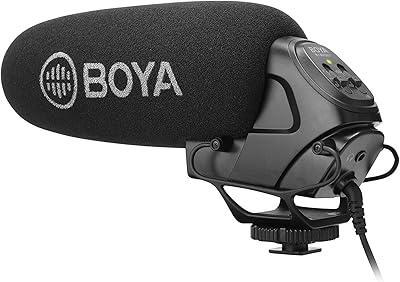
Boya BY-BM3031 Supercardioid Condenser Microphone
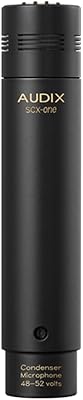
Audix SCX1HC Hypercardioid Condenser Microphone

RØDE NTG4+ Supercardioid Condenser Shotgun Microphone
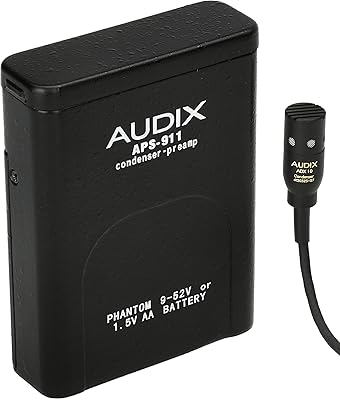
Audix ADX10-FLP Cardioid Condenser Flute Microphone
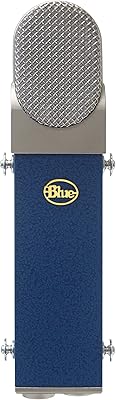
Blue Blueberry Cardioid Condenser Microphone
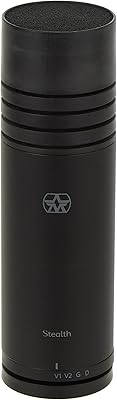
Aston Microphones Stealth Condenser Microphone
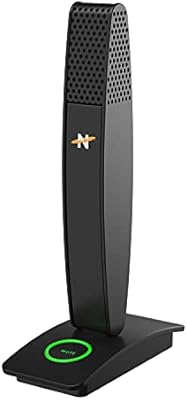
Neat Microphones Skyline USB Desktop Condenser Microphone
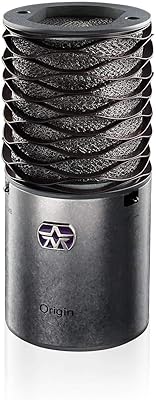
Aston Microphones Origin
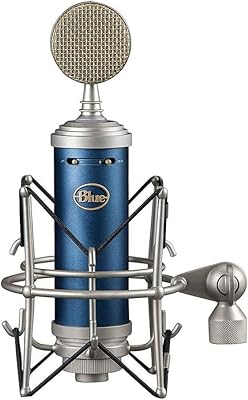
Blue Bluebird SL Condenser Microphone