





Overview
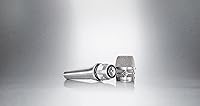
The Shure KSM8 arrived in 2016 with a bold premise: a dynamic microphone that could genuinely compete with condensers on sound quality, not just durability. Built around a patented dual-diaphragm design, it sits firmly at the top of the dynamic mic category — priced accordingly and aimed at serious performing vocalists who refuse to compromise on tone. Most dynamic mics sacrifice openness and air for ruggedness. This one was engineered to deliver both, which made it an immediate talking point among touring musicians and sound engineers who had long accepted the trade-off as unavoidable.
Features & Benefits
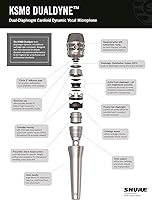
At the core of this dual-diaphragm dynamic mic is a reverse airflow system that gives the sound a natural, open quality you rarely associate with dynamics. What stands out practically is proximity effect control — you can work the mic from varying distances without your tone going muddy or uneven, which matters enormously on a live stage. A Diaphragm Stabilization System handles plosives and the inevitable physical knocks of live use. The neodymium magnet in its aerospace-grade housing pushes output levels high enough to cut through dense mixes, and the hydrophobic grille lining means sweat and humidity are not a concern.
Best For
This premium vocal mic makes the most sense for lead vocalists on loud stages who want the feedback resistance and reliability of a dynamic with a sound that doesn't feel closed-in or boxy. It also suits performers who move around a lot — the consistent tonal response at different working distances is a genuine practical advantage. Studio engineers who prefer dynamics for tracking vocals will find it capable, though it shines brightest live. Broadcasters and podcasters needing a rugged, controlled mic will appreciate it too. That said, the price means it rewards buyers who will genuinely use it hard and often.
User Feedback
Across more than 200 ratings averaging 4.4 out of 5, the most consistent praise focuses on the natural, open sound and how well it holds up during energetic performances. Many buyers who upgraded from an SM58 describe a clear and noticeable sonic improvement. The criticisms, though, are worth noting honestly: some feel the price is harder to justify when a quality condenser is an option for studio use, and a handful of reviewers found handling noise more present than expected. Overall satisfaction trends positive, particularly among gigging musicians who treat it as a long-term professional tool rather than a casual purchase.
Pros
- Sound quality is noticeably more open and detailed than typical dynamic mics in its class.
- Proximity effect control keeps your tone consistent even when you move around on stage.
- Build quality is genuinely road-worthy — it handles drops, sweat, and nightly use without complaint.
- The hardened grille with hydrophobic lining holds up well in outdoor and high-humidity performance environments.
- Strong output level means engineers rarely need to push gain uncomfortably high to get presence in a mix.
- Feedback resistance is reliable on loud stages with aggressive monitor positioning.
- Plosive handling is meaningfully better than most dynamics, often reducing the need for a pop filter live.
- Long-term owners consistently report no degradation in sound or mechanics after extended use.
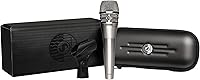
- Comes with a carrying case — a practical inclusion that protects the investment during storage and travel.
- For regular gigging vocalists, the performance gap over budget dynamics justifies the cost over time.
Cons
- Handling noise is more noticeable than expected for a mic at this price point, especially for physically expressive performers.
- The value proposition weakens significantly if you perform infrequently or primarily record in a studio.
- Brushed nickel finish shows fine scratches and cosmetic wear faster than darker alternatives.
- The accessory package feels bare — no extra windscreen or stand adapter included at this price level.
- Some buyers found the more open sound character requires EQ adjustment in brighter live room acoustics.
- Vocalists who deliberately exploit proximity buildup as a stylistic tool may find the controlled response limiting.
- Heavier and bulkier than slimmer handheld alternatives, which can be an issue for smaller-handed performers.
- The upgrade over a well-maintained SM58 is real but not dramatic enough for every buyer to feel the cost difference is warranted.
Ratings
The Shure KSM8 earns its reputation as one of the most technically ambitious dynamic vocal microphones on the market, and the scores below reflect exactly that — no rounding up, no glossing over weak spots. These ratings were generated by AI after analyzing verified buyer reviews from around the world, with spam, bot submissions, and incentivized feedback actively filtered out. Both what buyers consistently love and where real frustrations surface are transparently captured here.
Sound Quality
Proximity Effect Control
Build Quality
Feedback Resistance
Handling Noise
Plosive Rejection
Output Level
Value for Money
Comfort & Ergonomics
Durability Over Time
Versatility
Ease of Use
Packaging & Accessories
Suitable for:
The Shure KSM8 is built for serious gigging vocalists who perform regularly on loud stages and have grown frustrated by the sonic limitations of standard dynamic mics. If you front a band, perform at venues with unpredictable monitor setups, and need a mic that stays consistent whether you work close or pull back during a big note, this dual-diaphragm dynamic mic was genuinely designed around your workflow. It also suits vocalists who move a lot on stage — the proximity effect control means your tone does not collapse into a boomy mess every time you drift from the sweet spot. Broadcasters and podcasters who want a rugged, road-tested mic rather than a delicate condenser will find it a practical choice for controlled voice work. And if you are a dedicated SM58 user who has always wondered what a meaningful sonic upgrade would feel like without switching to a condenser, this premium vocal mic is the most natural next step in that progression.
Not suitable for:
The Shure KSM8 is a harder sell if your primary use case is studio recording, where a condenser microphone of comparable or lower cost will almost always outperform it in detail, transient response, and overall fidelity in a controlled acoustic environment. Casual performers who play occasional open mics or small acoustic sets a few times a year will likely struggle to justify the investment — the performance advantages are real, but they reveal themselves most clearly under demanding live conditions that infrequent performers rarely encounter. Buyers on a tighter budget who are still developing their vocal technique should also look elsewhere; the mic is transparent enough to expose inconsistencies that a darker, more forgiving dynamic would soften. If handling noise is a known sensitivity for you — especially if you grip the mic tightly and move aggressively — be aware that some users found it more present than expected at this price point. And if you are looking for a versatile workhorse to mic instruments, run voiceover in a treated booth, or cover a range of non-vocal applications, this mic is optimized too specifically for live vocals to be the right all-purpose tool.
Specifications
- Microphone Type: Dual-diaphragm dynamic microphone with patented reverse airflow technology for natural sound reproduction.
- Polar Pattern: Cardioid (unidirectional), designed to focus pickup on the source directly in front while rejecting off-axis noise.
- Audio Sensitivity: Sensitivity is rated at 51.5 dB, providing strong signal output suitable for demanding live performance environments.
- Signal-to-Noise Ratio: 70 dB signal-to-noise ratio delivers clean, low-interference audio across a wide range of stage and studio conditions.
- Magnet System: Neodymium magnet housed in aerospace-grade SoftMag material maximizes magnetic field efficiency for high output levels.
- Grille Construction: Hardened carbon-steel grille features a hydrophobic fabric lining that resists moisture, sweat, and wind interference.
- Diaphragm Protection: Patent-pending Diaphragm Stabilization System shields the active diaphragm from plosive bursts and physical impact during live use.
- Weight: The mic weighs 10.4 oz (0.3 kg), offering a solid, professional feel without causing fatigue during extended performances.
- Dimensions: Overall dimensions measure 10 x 5 x 3.5 inches, consistent with a standard full-size handheld vocal microphone form factor.
- Connector Type: Standard XLR connection for integration with professional mixing consoles, PA systems, and audio interfaces.
- Power Source: Passive dynamic design requires no phantom power or batteries — connects directly via XLR cable to any standard mic input.
- Form Factor: Handheld design optimized for live vocal performance, with a balanced weight distribution suited to extended stage use.
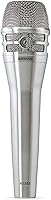
- Body Material: Nickel-finished body constructed for durability, with a brushed nickel aesthetic that suits professional stage and studio environments.
- Included Accessories: Ships with a protective carrying case; no additional windscreen or stand adapter is included in the standard package.
- Model Number: Official model number is KSM8/N, with the N designation indicating the brushed nickel color variant.
- Manufacturer: Designed and manufactured by Shure Incorporated, a professional audio company with over a century of microphone engineering heritage.
- Availability Date: The KSM8 was first made available in January 2016, marking Shure's introduction of dual-diaphragm technology to the dynamic vocal mic segment.
- Color Finish: Brushed nickel finish provides a professional appearance, though it is more susceptible to visible surface scratches than matte alternatives over time.
Related Reviews
Shure SM7B
Shure VP89L Long Shotgun Microphone
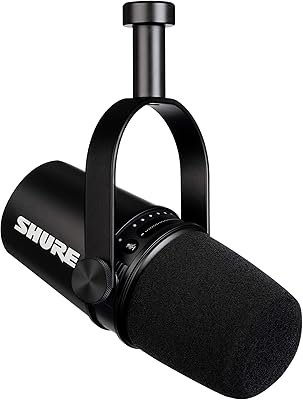
Shure MV7 USB/XLR Dynamic Microphone
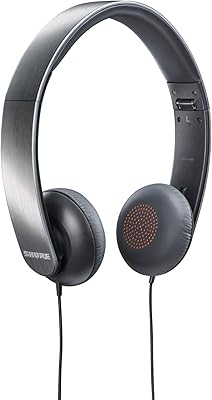
Shure SRH145 Closed-Back On-Ear Headphones
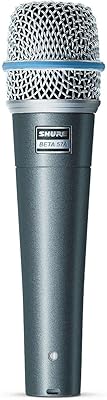
Shure Beta 57A
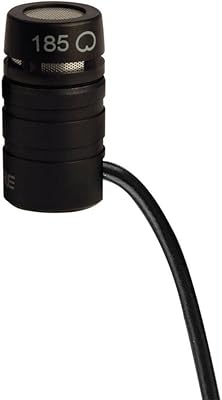
Shure WL185 Cardioid Condenser Lavalier Microphone
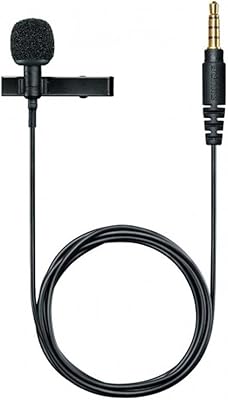
Shure MVL Lavalier Microphone
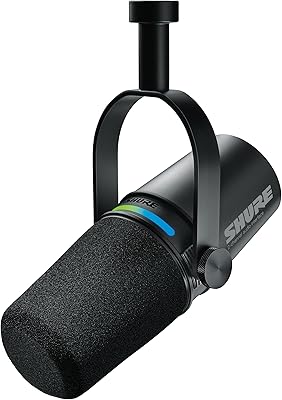
Shure MV7i