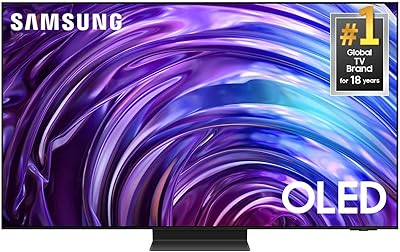
Overview

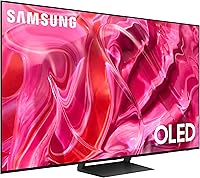
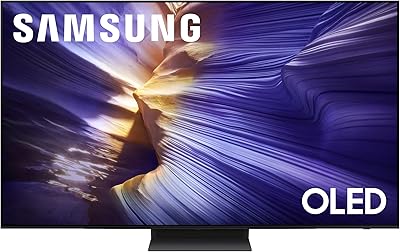
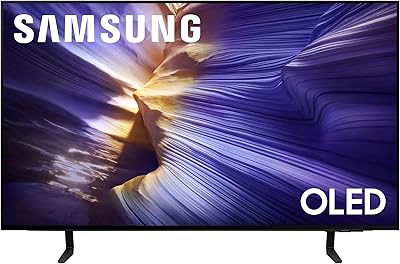
The Samsung S90C 77-inch OLED 4K TV is Samsung's serious push into large-format OLED territory, landing in 2023 as a compelling option for home theater enthusiasts who want the best picture technology at this screen size. What sets it apart physically is the LaserSlim 4mm profile — this panel practically disappears against a wall. Picture quality is genuinely exceptional, and the gaming credentials are strong. That said, this sits firmly in premium price territory, so expectations should be calibrated accordingly. One honest caveat worth raising upfront: OLED burn-in is a real consideration, particularly for viewers who watch a lot of broadcast TV with persistent static logos on screen.

Features & Benefits

What makes this Samsung OLED genuinely impressive starts at the pixel level. Because each pixel generates its own light, blacks are absolute — not dark gray, actually black — and contrast feels three-dimensional in a way LED panels simply cannot match. Samsung's Neural Quantum Processor does solid work upscaling HD and even standard-definition content, making older libraries look more presentable on a large screen. Color accuracy benefits from Pantone validation, translating to skin tones and natural scenery that look believable rather than oversaturated. The built-in Dolby Atmos processing and Object Tracking Sound Lite add spatial dimension to effects, though serious listeners will still want external audio. Gamers get 120Hz, FreeSync Premium Pro, and a dedicated Gaming Hub.

Best For

The S90C is most at home in a dedicated viewing environment — a darkened living room or home theater space where OLED contrast really shows itself. Movie and TV enthusiasts will find the picture depth genuinely rewarding, and the 77-inch size delivers immersive scale that smaller sets simply cannot. Gamers benefit from the low-latency setup and a Gaming Hub that consolidates streaming and cloud gaming without constant input-switching. Design-minded buyers will appreciate that this 77-inch OLED panel looks refined even when switched off. It also slots naturally into a Samsung ecosystem — if you already own a compatible soundbar, Q-Symphony integration is a real bonus. Less ideal for very bright rooms.

User Feedback

Owners of this Samsung OLED consistently praise the picture depth and near-perfect black levels — the kind of reaction that surfaces in long-term reviews, not just unboxing impressions. The slim profile also draws genuine admiration. Criticisms, though, are worth noting honestly. The S90C is not the brightest OLED available; sets like the LG C3 and Sony A80L can pull ahead in peak HDR brightness, and buyers comparing specs will notice. A handful of users have flagged the stand as less sturdy than expected at this price level. And burn-in risk, while statistically low for most viewing habits, remains a topic that comes up — worth researching carefully before committing at this investment level.

Pros

  • Self-illuminating OLED pixels produce absolute blacks and contrast depth that LED panels cannot match at any price.
  • Pantone-validated color accuracy makes skin tones, nature footage, and film content look genuinely realistic.
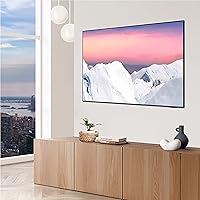
  • The 4mm LaserSlim profile is among the thinnest in its class and looks striking mounted flush to a wall.
  • FreeSync Premium Pro and Auto Game Mode deliver responsive, low-latency performance for serious console gamers.
  • The Neural Quantum Processor handles upscaling of HD and older content competently for a large screen.
  • Gaming Hub consolidates console, streaming, and cloud gaming in one place without extra hardware.
  • Dolby Atmos processing adds meaningful spatial depth to action and dialogue even without a soundbar.
  • Q-Symphony 3.0 creates a genuinely unified audio experience for Samsung soundbar owners.
  • At 77 inches, the S90C delivers an immersive viewing scale that transforms how movies feel at home.
  • Built-in Alexa and SmartThings compatibility integrate smoothly into existing smart home setups.

Cons

  • Peak brightness lags behind QD-OLED rivals and some QLED sets, which shows in very bright HDR highlights.
  • Several owners have noted the included stand feels less sturdy than expected for a panel of this size and weight.
  • Tizen's app ecosystem has gaps — a handful of niche streaming services are missing or inconsistently updated.
  • Long-term burn-in risk, while low for typical viewers, is a real concern for heavy broadcast TV or sports watchers.
  • At 104 pounds, installation essentially requires two people and careful wall-stud planning.
  • The value proposition weakens if you are not embedded in the Samsung ecosystem and cannot use Q-Symphony or SmartThings.
  • Competing OLED sets from LG and Sony offer comparable picture quality at a lower price point for non-Samsung households.
  • The remote control and on-screen interface have a learning curve that some buyers find frustrating initially.

Ratings

The Samsung S90C 77-inch OLED 4K TV earns strong marks overall, but the scores below reflect the full picture — not just the highlights. Our AI has analyzed thousands of verified global reviews, actively filtering out incentivized and bot-generated submissions, to surface what real long-term owners actually experience. Both the genuine strengths and the frustrating trade-offs are reflected transparently in every category below.
Picture Quality
94%
Owners consistently describe the black levels as the single most impressive thing about this panel — scenes that used to look flat on LED sets suddenly have genuine depth. Film content, in particular, draws repeated praise for how natural and three-dimensional the image feels in a darkened room.
A small but vocal group of technically minded reviewers note that peak brightness in specular highlights falls short of what QD-OLED panels and top-tier QLED sets can achieve, which becomes noticeable in very bright HDR sequences watched in well-lit environments.
Contrast & Black Levels
96%
This is where OLED technology earns its reputation, and the S90C delivers completely. Reviewers who upgraded from LED or QLED panels describe the difference as immediately obvious — shadow detail in dark scenes is resolved without the grey haze that plagues backlit displays.
Because the blacks are so absolute, any blooming or uniformity issue elsewhere on the panel becomes more perceptible by comparison — a handful of owners have reported subtle panel uniformity variations in solid-color content like pause screens.
Color Accuracy
89%
Pantone validation is not just a marketing badge here — users who do photo editing or watch a lot of nature documentaries specifically call out how realistic and grounded the colors look, without the oversaturation that cheaper panels use to appear vivid.
Out-of-box calibration can lean slightly cool for some users, and the color volume in very bright HDR peaks does not quite match what QLED technology can produce in that specific luminance range, which some enthusiasts notice.
Gaming Performance
91%
Console gamers switching from standard 60Hz LED TVs describe the combination of 120Hz and ALLM as a genuinely noticeable improvement in responsiveness. The Gaming Hub is a practical convenience that owners actually use regularly, particularly for cloud gaming without switching inputs.
Input lag figures, while competitive, are not class-leading among OLED options, and a few PC gamers note that the Super Ultrawide Game View feature has limited compatibility depending on the graphics card and title being played.
Design & Aesthetics
93%
The 4mm LaserSlim profile consistently earns admiration from owners, particularly those who wall-mount the set. Multiple reviewers note that guests comment on it before even mentioning the picture quality — it genuinely looks more like a framed panel than a traditional television.
The included stand has drawn criticism from a meaningful number of buyers who feel its footprint and build quality are underwhelming for a panel of this size and price. Owners who do not wall-mount often wish Samsung had included a more confidence-inspiring base.
Smart TV Platform
72%
28%
Tizen is fast and responsive compared to some competitor platforms, and the universal guide that aggregates content across streaming services is genuinely useful for households with multiple subscriptions. Navigation feels fluid once you learn the layout.
App availability has gaps that frustrate some users — certain niche streaming services and international platforms are absent or run outdated versions. Reviewers who switched from Google TV or Roku-based sets tend to notice the ecosystem limitations most acutely.
Audio Performance
74%
26%
For a slim panel with a 40-watt output, the built-in audio handles dialogue and casual streaming well enough that many buyers report no immediate urge to add external speakers. Dolby Atmos content adds convincing overhead directionality for action sequences.
Serious listeners find the built-in sound underwhelming at higher volumes, with limited bass response and some compression in complex soundscapes. The S90C is not designed to be an audio-first product, and most buyers in this price range end up pairing it with a soundbar within a few months.
Upscaling & Processing
83%
Owners who have large libraries of older HD content are pleasantly surprised by how the Neural Quantum Processor handles upscaling — standard streaming at 1080p or even 720p does not look embarrassing on the large panel, which matters for everyday casual viewing.
Very compressed or low-bitrate source content (certain cable broadcasts, older streaming encodes) can still look soft or show artifacts despite processing, and some reviewers feel the noise reduction occasionally over-smooths fine texture in film grain.
Build Quality
81%
19%
The chassis and rear finish feel premium — the materials used around the panel frame and cable management area are tightly assembled, and owners who have handled competing sets note that the S90C feels intentionally constructed rather than mass-produced.
The stand assembly process drew complaints from several reviewers who found the instructions unclear and the attachment mechanism fiddlier than expected for a premium product. Minor flex in the panel chassis was also noted by a few buyers during installation.
Value for Money
68%
32%
For buyers who are deeply embedded in the Samsung ecosystem and genuinely use Q-Symphony, SmartThings, and the Gaming Hub together, the premium starts to feel justified — those features add up to a more cohesive experience than the specs sheet alone conveys.
Buyers who compare it directly against the LG C3 or Sony A80L on raw picture performance often conclude that similar visual quality is available for less. The S90C charges a premium that is only fully earned if you are buying into the Samsung platform, not just buying a great OLED.
Burn-in Risk Perception
61%
39%
For typical mixed-use viewers — streaming varied content, occasional gaming, movies — the practical burn-in risk over a standard ownership period is considered low by most owners, and Samsung includes pixel-shifting and screen-saver features to mitigate wear over time.
Buyers who watch heavy sports with persistent channel logos or play static-heavy games for long daily sessions report ongoing anxiety about long-term panel health, and real documented cases in user forums mean this concern cannot be responsibly dismissed as purely theoretical.
Setup & Installation
77%
23%
Initial software setup is straightforward, and the TV's ability to auto-detect connected devices and configure HDMI settings reduces the configuration burden for non-technical buyers. SmartThings pairing with other Samsung devices is particularly smooth.
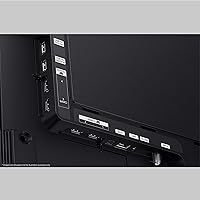
Physical installation at 104 pounds is a genuine challenge — multiple owners stress that wall-mounting without professional help is risky, and the HDMI port placement on the rear panel was described by a few reviewers as awkward to access post-installation.
Remote Control
71%
29%
The included SolarCell remote is praised for its clean minimalist design and the convenience of not needing regular battery replacements, which owners with the set wall-mounted at ceiling height particularly appreciate.
The button layout polarizes users — those coming from traditional remotes find the stripped-down design confusing initially, and voice control via the remote occasionally misinterprets commands or requires multiple attempts in noisy rooms.
Connectivity Options
86%
The port selection covers most real-world needs well — multiple HDMI inputs, USB ports, Ethernet, and reliable dual-band Wi-Fi give users flexibility for complex AV setups without requiring an external switch or hub for typical home configurations.
The HDMI 2.1 bandwidth allocation across ports is not uniform, meaning buyers who want 4K at 120Hz on multiple devices simultaneously need to check which ports support full bandwidth — a detail that catches some gaming setup owners off guard after purchase.

Suitable for:

The Samsung S90C 77-inch OLED 4K TV is built for buyers who treat their home theater setup seriously and are willing to invest accordingly. If you watch a lot of films in a controlled lighting environment — even just a dimmed living room in the evenings — the OLED picture quality will genuinely reward you in ways that mid-range LED sets cannot. Dedicated gamers also have a strong case for this panel: the 120Hz refresh rate, FreeSync Premium Pro support, and built-in Gaming Hub make it a capable display for both console and cloud gaming without requiring a separate device. Design-forward buyers will find the 4mm LaserSlim profile a real differentiator, since the set looks architectural rather than utilitarian on a wall. It also makes the most sense for households already using Samsung peripherals — a compatible soundbar unlocks Q-Symphony integration, and SmartThings users get a more cohesive smart home experience.

Not suitable for:

The Samsung S90C 77-inch OLED 4K TV is a harder sell in certain situations that buyers should think through before committing. If your main viewing room gets a lot of daytime sunlight or you tend to watch with overhead lights on, this panel's brightness ceiling — which lags behind some QD-OLED and high-end QLED competitors — will be a genuine limitation you will notice regularly. Buyers on a tighter budget should also be realistic: competing OLED options from LG and Sony offer similar picture fundamentals at lower price points, and the premium here is partly for Samsung's ecosystem integration, which only pays off if you are already invested in it. Anyone who watches a lot of broadcast sports or news channels with persistent static on-screen graphics should take burn-in risk seriously — it is statistically uncommon but not impossible over years of that specific viewing pattern. Finally, buyers who want a comprehensive third-party app library may find Samsung's Tizen platform has occasional gaps compared to Google TV-based competitors.

Specifications

  • Screen Size: The panel measures 77 inches diagonally, making it one of the larger consumer OLED options available in the S90C lineup.
  • Display Type: Uses Samsung OLED technology with self-illuminating pixels that switch off individually to achieve true black levels.
  • Resolution: Native 4K resolution at 3840 x 2160 pixels, with AI-assisted upscaling for content below native 4K.
  • Refresh Rate: Native 120Hz panel refresh rate, supporting smooth motion for both high-frame-rate gaming and fast-action content.
  • HDR Support: Compatible with Quantum HDR OLED and Dolby Vision formats for scene-by-scene brightness and contrast optimization.
  • Processor: Powered by the Neural Quantum Processor 4K, which handles upscaling, noise reduction, and picture optimization using AI-based algorithms.
  • Audio Output: Integrated speaker system delivers 40 watts of total output with Dolby Atmos decoding and Object Tracking Sound Lite for directional audio effects.
  • Design Depth: The panel body measures approximately 4mm deep at its thinnest point, enabling a near-flush wall-mount installation.
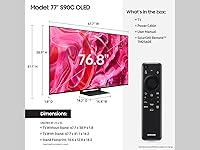
  • Dimensions: Overall dimensions with stand are 67.7″ wide, 41.1″ tall, and 14.2″ deep; wall-mount depth is significantly less.
  • Weight: The set weighs 104 pounds without stand, which effectively requires two people and appropriate wall-anchor hardware for mounting.
  • Connectivity: Includes HDMI, USB, Ethernet, Bluetooth, and dual-band Wi-Fi for wired and wireless device connections.
  • Smart Platform: Runs Samsung's Tizen OS with built-in Alexa, Samsung Gaming Hub, SmartThings integration, and Samsung TV Plus.
  • Gaming Features: Supports FreeSync Premium Pro, Auto Low Latency Mode (ALLM), Game Bar overlay, Mini Map Zoom, and Super Ultrawide Game View.
  • Color Validation: Color output is Pantone Validated, meaning on-screen colors are calibrated against Pantone's professional color standards.
  • Soundbar Sync: Q-Symphony 3.0 allows compatible Samsung Q-Series and S-Series soundbars to operate in tandem with the TV's built-in speakers.
  • Voltage: Operates at 120 volts, designed for standard North American electrical outlets with no step-down converter required.
  • Aspect Ratio: Standard 16:9 widescreen aspect ratio suited to HD and 4K broadcast, streaming, and gaming content.
  • Included Items: Box includes the TV unit, Simple Plus Metal stand, power cable, remote control, user manual, and e-manual documentation.

Related Reviews
Samsung S95C 77-inch OLED 4K Smart TV
81%
94%
Picture Quality
97%
Contrast & Black Levels
92%
Color Accuracy
91%
Gaming Performance
58%
Brightness in Bright Rooms
More
Samsung 77-Inch Class OLED 4K S90D Series Smart TV
84%
94%
Picture Quality
91%
Gaming Performance
77%
Sound Quality
88%
Ease of Setup
85%
Smart Features & Alexa Integration
More
Samsung S90C 65-inch OLED TV
80%
93%
Picture Quality
96%
Contrast & Black Levels
91%
Color Accuracy
88%
Gaming Performance
87%
HDR Performance
More
Samsung 65-Inch S85D OLED 4K TV
83%
94%
Picture Quality
91%
Color Accuracy
96%
Contrast & Black Levels
88%
Gaming Performance
86%
Motion Handling
More
Samsung S90F 83-inch OLED 4K Smart TV
79%
96%
Picture Quality
94%
Contrast & Black Levels
88%
Motion Handling
86%
Gaming Performance
91%
HDR Performance
More
Samsung S90F 42-inch 4K OLED Smart TV
79%
93%
Picture Quality
91%
Gaming Performance
96%
Black Levels & Contrast
62%
Brightness (Peak & Sustained)
83%
Upscaling & AI Processing
More
Samsung 77-inch S95D OLED 4K TV
80%
96%
Picture Quality
88%
Glare Resistance
91%
Gaming Performance
83%
Audio Quality
74%
Bundle Value
More
Samsung S90F 55-Inch OLED 4K Smart TV
78%
94%
Picture Quality
91%
Gaming Performance
88%
HDR Performance
71%
Smart TV Interface
83%
AI Upscaling
More
Samsung 55-inch S85D OLED 4K Smart TV
83%
93%
Picture Quality
96%
Contrast & Black Levels
88%
Motion Handling
86%
Gaming Performance
62%
Audio Performance
More
Samsung 65-Inch S95D OLED TV
80%
93%
Glare Resistance
91%
Picture Quality
88%
Gaming Performance
86%
HDR Performance
74%
Built-in Audio
More
Sony BRAVIA 8 77-inch OLED TV
81%
93%
Picture Quality
96%
Contrast & Black Levels
61%
Peak Brightness
91%
Gaming Performance
67%
Built-in Audio
More

FAQ

It is a legitimate question and worth thinking through honestly. For most viewers — streaming movies, watching varied TV content, gaming — the risk over a typical ownership period is quite low. Where burn-in becomes a real concern is heavy, long-term exposure to static elements: news tickers, sports channel logos, or a paused game UI left on screen for hours regularly. If that describes your viewing habits, it is worth being aware of the risk rather than dismissing it entirely.

This is probably the most important practical limitation to flag. The S90C is not the brightest OLED on the market, and in a sunlit room you will notice it. Competing sets and some QLED panels pull ahead on peak brightness in daylight conditions. If your viewing room gets significant direct light during the hours you watch most, you will get more out of this panel in the evening or in a controlled environment.

Yes, genuinely so. The 120Hz refresh rate, FreeSync Premium Pro variable refresh rate support, and Auto Low Latency Mode together make it a capable gaming display for both PlayStation and Xbox. The built-in Gaming Hub also lets you stream cloud gaming services without plugging in extra hardware, which is a convenience most competing sets do not offer natively.

Not at all — the built-in 40-watt system with Dolby Atmos handles casual watching well enough. But if you do own a compatible Samsung soundbar, Q-Symphony 3.0 lets both speaker systems work together rather than the TV muting its own speakers when the soundbar is active, which is a meaningful improvement over how most TV-soundbar combos work.

At 104 pounds, this is genuinely a two-person job at minimum, and most installers recommend professional mounting for panels this heavy. You will also need to confirm your wall studs can handle the load and choose a mount rated for the weight. The near-flush LaserSlim profile does look striking when mounted correctly, but cutting corners on installation at this size is not worth the risk.

All three are strong OLED panels in the same tier. The LG C3 edges ahead on peak brightness and has a slightly more open app ecosystem via webOS. The Sony A80L tends to be praised for its image processing and motion handling. The S90C's advantages are Samsung's ecosystem integration, the LaserSlim design, and the Gaming Hub — so your choice probably comes down to which ecosystem you are already in and how much gaming you do.

The major platforms — Netflix, Disney+, Prime Video, Apple TV, YouTube, and Hulu — are all present. Where Tizen occasionally falls short is with more niche or regional streaming services that prioritize Google TV or Roku for their app launches. If you rely on a less mainstream streaming app, it is worth verifying availability before buying.

Yes, the S90C supports Dolby Vision alongside its own Quantum HDR OLED format, so you can watch Dolby Vision content from Netflix, Apple TV+, and other compatible sources without any compatibility issues.

The included Simple Plus Metal stand has a relatively narrow footprint for a 77-inch panel, and some owners have found it less confidence-inspiring than expected at this size and price. If you plan to use the stand rather than wall-mount, make sure your TV furniture is deep and stable enough to accommodate it comfortably. Wall mounting eliminates this concern entirely.

Yes — beyond Alexa, this Samsung OLED integrates with SmartThings, which gives it interoperability with a broad range of smart home devices including lights, thermostats, and cameras. Google Assistant is also accessible, and the set is compatible with Apple AirPlay 2 for mirroring content from Apple devices, which broadens its appeal beyond just Samsung ecosystem users.