


Overview

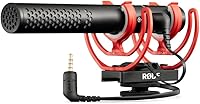
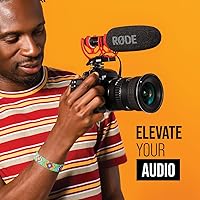
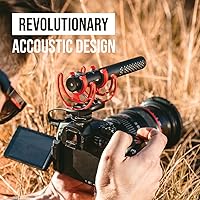
The Rode VideoMic NTG is a broadcast-grade shotgun microphone that draws its acoustic design directly from Rode's professional NTG5 — a lineage that puts it well above the typical camera-top mic. At just 94 grams with a solid all-metal build, it won't weigh down your rig during long shooting days. Released in late 2019, it has held a top-20 category ranking ever since, which says a lot about its staying power in a crowded market. This is a prosumer-tier tool aimed at people who take audio seriously but aren't yet running a full dedicated recording setup.

Features & Benefits

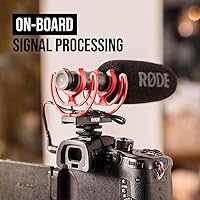
What sets this shotgun mic apart isn't any single feature — it's how many practical problems it solves at once. The infinitely variable gain dial is something you rarely find at this price tier; it lets you fine-tune output to your camera's input sensitivity without hunting through menus. Plug it into a phone and the auto-sensing 3.5mm output reconfigures itself automatically, no adapters needed. Switch to USB-C and it becomes a capable recording microphone with headphone monitoring built in. Add the digital switches for high-pass filtering, a -20dB pad, and a safety channel, and you have serious field-recording flexibility packed into a 94-gram metal shell.

Best For

This camera microphone makes the most sense for creators tired of juggling multiple audio solutions across different shoots. Solo YouTube filmmakers who alternate between a mirrorless camera and an iPhone will find it handles both without any reconfiguration headache. Travel videographers will appreciate the USB-C rechargeable battery — no need to track down AA replacements mid-trip. Documentary journalists and run-and-gun shooters working in unpredictable locations will value the onboard controls for quickly adjusting audio on the fly. It's less compelling for anyone recording exclusively in a controlled studio, but for versatile location shooting, it covers a lot of ground.

User Feedback

With over 1,200 ratings and a 4.4-out-of-5 average, the VideoMic NTG earns broadly strong marks — though a few patterns in the criticism are worth knowing before you buy. Buyers consistently praise audio clarity as a clear step up from built-in camera sound, and the auto-sensing output draws repeated appreciation from mobile shooters. On the downside, some users report the gain knob can accidentally shift during handling, which is frustrating on fast-moving shoots. A few buyers also wish the battery had a more visible charge indicator. There are occasional reports of minor handling noise when the mic body is touched, so a quality shock mount is genuinely worth adding.

Pros

  • Audio clarity is a genuine step up from built-in camera mics, with a natural and transparent sound character.
  • The auto-sensing 3.5mm output switches between camera and mobile modes automatically — no adapters needed.
  • USB-C recording turns this shotgun mic into a capable desktop or smartphone microphone without any extra hardware.
  • Built-in rechargeable battery charges via USB-C, fitting naturally into any modern creator charging routine.
  • Onboard high-pass filter, -20dB pad, and safety channel give real field-recording flexibility in a compact form.
  • At 94 grams with a metal build, it adds negligible weight to even lightweight mirrorless camera rigs.
  • A 79 dB signal-to-noise ratio keeps the noise floor genuinely quiet across a wide range of recording situations.
  • The infinitely variable gain dial allows precise output matching to different cameras and recorders — a rare feature at this tier.
  • Headphone monitoring via the 3.5mm jack during USB recording removes the need for a separate audio interface.

Cons

  • The exposed gain knob can shift accidentally when the mic is bumped or pulled from a bag mid-shoot.
  • No visible battery level indicator on the unit itself, making it easy to get caught off guard in the field.
  • The included mount offers only basic vibration isolation — an aftermarket shock mount is a practical necessity for handheld use.
  • USB-C cable is not included in the box despite USB-C being a core selling point of the product.
  • iOS digital connectivity requires a separately purchased Lightning cable that Rode does not bundle in.
  • Direct digital connection with some Android devices can be unreliable, occasionally requiring a full reconnect cycle.
  • The digital switch interface cycles through modes rather than showing clear labeled states, which is frustrating in low light.
  • Length of around 10 inches extends visibly beyond compact camera bodies and can cause issues in tight shooting spaces.

Ratings

The Rode VideoMic NTG has earned a strong following among content creators and semi-professional filmmakers since its release, and the scores below reflect what real buyers actually experience — not marketing copy. Our AI has analyzed verified global user reviews, actively filtering out incentivized, bot-generated, and outlier feedback, to surface honest patterns across thousands of real-world use cases. Both the standout strengths and the genuine frustrations are represented here so you can make a fully informed decision.

Audio Clarity
91%
Reviewers consistently describe the sound as natural and transparent — the kind of clean capture that holds up in post without heavy correction. For YouTube creators and documentary shooters stepping up from built-in camera audio, the improvement is immediately obvious even to untrained ears.
A small number of users feel the high-frequency character can sound slightly forward in bright indoor environments. It is not a flaw so much as a sonic signature, but those preferring a warmer, darker tone may want to test before fully committing.
Versatility
89%
Few mics at this tier genuinely function well across camera, smartphone, and computer setups without any adapters or extra hardware. Creators who jump between shooting on a mirrorless camera one day and recording a podcast via USB the next find this shotgun mic handles both roles without compromise.
iOS users need to purchase a separate Lightning accessory cable to use the direct digital connection with iPhones, which adds cost and an extra item to carry. That said, the standard 3.5mm connection still works with any device out of the box.
Build Quality
88%
The all-metal housing feels noticeably more substantial than plastic-bodied competitors, and at 94 grams it strikes a rare balance between solidity and portability. Shooters who travel frequently or work in physically demanding environments report confidence in its durability over extended use.
The gain control knob, while precise, has been flagged by multiple users as sitting too exposed on the body — it can shift accidentally when removing the mic from a bag or adjusting a rig. A locking mechanism or recessed design would address this without much engineering effort.
Ease of Use
86%
The auto-sensing 3.5mm output removes a genuine daily annoyance for hybrid shooters — plug it into a camera and it configures itself for camera use; plug it into a phone and it switches automatically. That kind of friction-free setup makes a real difference on fast-moving shoots.
The digital switching interface, while functional, involves cycling through options rather than clearly labeled discrete positions, which can feel fiddly in low-light conditions. New users occasionally need a few sessions to internalize the switch logic without referring to the manual.
Value for Money
79%
21%
At its price point, the combination of broadcast-heritage acoustics, USB recording capability, headphone monitoring, and onboard DSP controls represents a genuinely strong feature-to-cost ratio. Most comparable mics require additional accessories to match the same total functionality.
Buyers coming from more affordable on-camera mics may experience sticker shock, and some feel the included accessories are minimal given the asking price. Those who only need basic camera-mount audio may find the extra features are not worth the premium over simpler alternatives.
Battery Life
82%
18%
The built-in rechargeable lithium polymer battery charges via USB-C, which fits naturally into a modern creator's charging routine without hunting for AA batteries mid-shoot. Most users report comfortably getting through full shooting days on a single charge under typical use.
There is no dedicated battery level indicator on the unit itself, which a meaningful number of reviewers flagged as a real inconvenience in the field. Discovering a low charge only when audio quality drops — or the mic cuts out — is a frustration that a simple LED display would eliminate.
Handling Noise
67%
33%
When mounted securely on a camera hot shoe with a decent shock mount, the VideoMic NTG performs well enough that handling noise is not a practical concern for most static or tripod-based shooting scenarios. Users in controlled environments rarely encounter issues.
When the mic body is directly contacted during recording — such as when adjusting a handheld rig — low-frequency rumble is noticeable in recordings. Several users found that the included mount provides only basic isolation, and recommend investing in an aftermarket shock mount for anything involving movement.
Connectivity Options
93%
Having both a smart 3.5mm output and a USB-C port in a single compact mic body is genuinely uncommon in this category. The headphone monitoring functionality during USB recording means you can self-monitor without any additional interface, which is useful for solo creators working without a sound assistant.
The USB-C cable is not included in the box, which is a minor but real frustration given the price. Some Android users also note that direct digital connectivity can be inconsistent depending on the device, requiring a fallback to the 3.5mm connection.
Directional Performance
84%
The super-cardioid polar pattern does a solid job rejecting off-axis noise from the sides and rear, making it effective in moderately noisy outdoor environments like street interviews or event coverage. Shooters who have used broader-pattern mics will notice an immediate improvement in subject isolation.
Like all shotgun mics, it requires reasonably accurate pointing at the sound source to perform well — off-axis subjects will sound thin. In fully reverberant indoor spaces, the rejection pattern alone cannot overcome room reflections, which is a physics limitation rather than a product flaw.
Mobile Device Compatibility
78%
22%
The auto-sensing output working directly with Android devices out of the box is genuinely convenient for mobile journalists and social creators who film primarily on smartphones. The digital interface for iOS, when using the correct cable, delivers noticeably cleaner audio than a passive analog connection.
iOS digital connectivity requires a separately purchased Rode SC15 Lightning cable, which is an added expense and an easy-to-forget accessory. Android compatibility can also vary by device model, and a small number of users report detection issues that require a full unplug-and-replug cycle to resolve.
Onboard DSP Controls
81%
19%
Having a high-pass filter, high-frequency boost, -20dB pad, and a safety channel all accessible without touching a software app is a real advantage in fast-changing recording situations. The safety channel in particular is valued by solo shooters who cannot monitor audio in real time and want a backup recording at lower gain.
The digital switch interface cycles through modes rather than offering immediately visible states, making it hard to confirm active settings at a glance. Users accustomed to clearly marked analog switches may find the learning curve steeper than expected for what should be a quick field adjustment.
Weight & Portability
92%
At 94 grams, this shotgun mic adds almost nothing to a camera or gimbal setup in any meaningful physical sense. Travel creators who have dealt with front-heavy rigs caused by bulkier mics consistently praise how little it affects balance, even on lighter mirrorless bodies.
While the weight is excellent, the 10-inch length means it extends noticeably beyond compact camera bodies. This is a standard tradeoff for shotgun-pattern mics and not unique to this model, but users shooting in tight spaces or with compact rigs should be aware of the physical footprint.
Noise Floor
87%
A 79 dB signal-to-noise ratio is a strong specification for an on-camera mic and translates to noticeably quiet, low-hiss recordings in real use. Interior dialogue scenes and controlled voiceover work benefit from this, with the self-noise staying out of the way even at higher gain settings.
In very quiet environments or when recording whispered speech, a faint noise floor is audible to critical listeners, particularly if camera preamps are adding their own noise on top. Pairing this mic with a camera known for clean preamps makes a meaningful difference to the final result.

Suitable for:

The Rode VideoMic NTG is built for creators who need one reliable audio solution that travels across multiple recording contexts without requiring a bag full of adapters and accessories. Solo YouTube filmmakers and vloggers will get the most out of it — particularly those who shoot on a mirrorless or DSLR camera and occasionally need to record directly into a laptop or phone without setting up a separate interface. Travel videographers benefit from the rechargeable battery and compact metal build, since it holds up to the kind of daily wear that comes with shooting on location. Documentary journalists and run-and-gun shooters working in unpredictable environments will appreciate the onboard controls for quickly dialing in a clean signal without stopping to dig through menus. If your workflow involves switching between devices regularly, this camera microphone pays for itself in saved time and frustration alone.

Not suitable for:

Buyers who record exclusively in a fixed home studio or podcast setup will likely find they are paying for versatility features they will never use, and a dedicated condenser microphone at a similar price would outperform the Rode VideoMic NTG in that controlled context. Cinematographers working on larger productions who already have a dedicated sound recordist and a separate boom setup will find this mic too limited in reach and placement flexibility for professional narrative work. Anyone on a tight budget looking to simply improve on built-in camera audio should be aware that more affordable on-camera mics can close a meaningful portion of the quality gap at a fraction of the cost. Users who frequently shoot handheld without a shock mount will likely struggle with intermittent handling noise and may come away disappointed. Finally, iOS mobile users should factor in the extra cost of a compatible Rode Lightning cable before assuming out-of-the-box digital connectivity with an iPhone.

Specifications

  • Form Factor: Shotgun-style condenser microphone designed for mounting directly on a camera hot shoe or boom pole.
  • Polar Pattern: Super cardioid, providing focused front-facing pickup with strong rejection of off-axis sound from the sides and rear.
  • Weight: 94 grams (3.32 oz), light enough to mount on mirrorless and DSLR cameras without meaningfully affecting rig balance.
  • Dimensions: Measures 10 x 4 x 3 inches, extending noticeably beyond compact camera bodies but within the standard range for shotgun microphones.
  • Connectivity: Features a 3.5mm auto-sensing TRS/TRRS output and a USB-C port for direct digital recording to computers and compatible mobile devices.
  • Signal-to-Noise Ratio: Rated at 79 dB, which translates to a low self-noise floor suitable for quiet dialogue, voiceover, and controlled location recording.
  • Max SPL: Handles sound pressure levels up to 120 dB, making it capable of capturing loud sources such as live music or crowd ambience without distorting.
  • Power Source: Powered by a built-in rechargeable lithium polymer battery that charges via USB-C, eliminating the need for disposable AA batteries.
  • Material: All-metal body construction providing durability and resistance to minor impacts and wear during regular location shooting.
  • Output Channels: Mono, single-channel output as standard for all recording modes including both 3.5mm analog and USB-C digital connections.
  • Impedance: Output impedance rated at 1 ohm, ensuring compatibility with a wide range of camera inputs and recording devices.
  • DSP Switches: Four onboard digital switches provide access to a high-pass filter, -20 dB pad, high-frequency boost, and a safety channel for backup recording.
  • Gain Control: Infinitely variable analog gain dial allows continuous fine-tuning of output level to match the input sensitivity of the connected camera or recorder.
  • Headphone Output: The 3.5mm jack doubles as a headphone monitoring output when the microphone is operating in USB recording mode.
  • Mobile Compatibility: Compatible with Android devices via the 3.5mm auto-sensing output or USB-C; iOS devices require a separately purchased Rode SC15 Lightning cable for digital connection.
  • Computer Use: Functions as a fully featured USB microphone when connected to Mac, Windows, or compatible tablets via the included USB-C connection.
  • Included Accessories: Ships with the microphone unit and a standard camera-mount shoe adapter; USB-C cable and shock mount are not included in the box.
  • Release Date: First made available in November 2019 and has remained in active production and sale without discontinuation since launch.

Related Reviews
Rode VideoMic with Rycote Lyre

83%
92%
Vocal Clarity
94%
Vibration Isolation
89%
Build Durability
91%
Ease of Use
58%
Power Management
More
Rode NTG-2
Rode NTG-2
80%
83%
Audio Clarity
93%
Dual Power Flexibility
81%
Directional Pickup & Off-Axis Rejection
89%
Build Quality & Durability
76%
Wind & Rumble Rejection
More
Rode VideoMic Me-L iPhone/iPad Microphone
86%
88%
Sound Quality
95%
Ease of Use
65%
Wind Resistance
91%
Build Quality
89%
Portability
More
Rode NTG-1 Shotgun Condenser Microphone
86%
92%
Sound Quality
89%
Portability
87%
Build Quality
74%
Wind Noise Reduction
90%
Ease of Use
More
Rode SVM Stereo VideoMic On-Camera Microphone
87%
91%
Sound Quality
89%
Portability
88%
Ease of Use
85%
Wind Noise Reduction
93%
Build Quality
More
Rode S1 Microphone
Rode S1 Microphone
87%
94%
Sound Quality
91%
Build Quality
85%
Noise Isolation
89%
Durability
88%
Ease of Use
More
Rode Reporter
Rode Reporter
83%
94%
Vocal Clarity
91%
Build Quality
93%
Ease of Positioning
92%
Professional Aesthetics
58%
Background Noise Rejection
More
RØDE VideoMic Pro+
RØDE VideoMic Pro+
85%
93%
Audio Clarity
88%
Build Quality
91%
Shock Mount & Isolation
89%
Safety Channel
86%
Power Flexibility
More
Rode Mini Boompole
Rode Mini Boompole
86%
93%
Portability & Weight
89%
Ease of Setup
85%
Build Quality & Durability
87%
Flexibility & Reach
91%
User-Friendliness
More
Rode NT1 4th Gen
Rode NT1 4th Gen
87%
94%
Audio Clarity
88%
Background Noise Isolation
90%
Build Quality
89%
Ease of Setup
92%
Value for Money
More

FAQ

Yes, it connects directly via the 3.5mm output and the auto-sensing jack configures itself for camera use automatically. You do not need any adapters or additional setup — just plug it in, mount it on the hot shoe, and the mic is ready to record.

Absolutely. The Rode VideoMic NTG connects via USB-C and is recognized as a plug-and-play audio device on both Mac and Windows without any drivers. You also get headphone monitoring through the 3.5mm jack while in USB mode, which is genuinely handy for solo recording sessions.

You will need a separately purchased Rode SC15 Lightning to USB-C cable for the direct digital connection — it does not come in the box. Alternatively, you can use a standard 3.5mm TRRS cable with a Lightning adapter, though the digital connection typically delivers cleaner results.

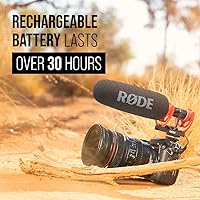
Rode rates the internal lithium polymer battery for around 30 hours of use, which is more than enough for a full day of shooting. Charging is done via USB-C, and most users find it fits naturally into their nightly device-charging routine.

This is one of the more common frustrations buyers mention — there is no dedicated battery level indicator on the unit. The mic does have an LED that signals when it is critically low, but you cannot check a precise percentage. Charging it the night before a shoot is the safest habit to build.

Some handling noise is possible if the mic body is directly contacted during recording, and a few users have noted this in reviews. The included mount provides basic isolation, but if handheld or gimbal shooting is central to your workflow, investing in a quality aftermarket shock mount is a practical step worth taking.

Unfortunately there is no locking mechanism on the gain dial, which is a genuine design limitation that multiple buyers have flagged. The best workaround is to store the mic in a small protective pouch or case where it cannot be knocked around, and to double-check the dial position before each recording session.

The safety channel records a second audio track at a lower level simultaneously alongside your main recording. It is most useful when you are recording unpredictable sources — a loud interview subject, live event audio, or any situation where a sudden spike in volume could clip your main track. Having that backup at lower gain can save an otherwise ruined take.

Yes, most Android devices with a 3.5mm headphone jack or USB-C audio support work with this camera microphone without any additional cables. That said, compatibility can vary by device and Android version, and a small number of users have reported needing to unplug and reconnect to establish a stable connection on certain handsets.

The Rode VideoMic NTG sits in a similar or slightly higher tier than the VideoMic Pro in terms of acoustic design, drawing on the same capsule philosophy as Rode's professional NTG5. Against the Sennheiser MKE 600, the differences are fairly subtle in typical use — both are capable, broadcast-adjacent tools. Where the VideoMic NTG pulls ahead is in versatility: USB recording, auto-sensing output, and rechargeable battery give it a broader practical range for creators who work across multiple devices.