Overview

The Rode S1 Handheld Condenser Microphone is built from the ground up for live vocal work — not as an afterthought, but as its clear primary purpose. Where most stage mics default to a standard cardioid pattern, Rode chose a supercardioid polar pattern, which narrows the pickup angle and pushes rejection points further off-axis. That is a meaningful decision for performers dealing with loud wedge monitors. The all-metal body weighs around 308g — substantial enough to feel professional without tiring your hand mid-set. XLR-only connectivity puts this squarely in pro territory; you will need phantom power from your mixer or preamp to run it at all.

Features & Benefits

The supercardioid pickup is the defining technical feature here. By tightening the acceptance angle compared to a standard cardioid mic, the S1 rejects sound from the sides and rear far more aggressively — which translates to less monitor bleed and a reduced chance of feedback during loud performances. The condenser capsule adds genuine detail to vocal reproduction; consonants and higher frequencies come through with a clarity that most dynamic stage mics simply cannot match. A 75 dB signal-to-noise ratio keeps the noise floor low, so quiet, controlled passages do not get buried in hiss. At 50 Ohms impedance, it works cleanly with standard mixers and PA systems without any special consideration.

Best For

This stage condenser mic earns its place most in the hands of lead vocalists who perform in louder environments and need better isolation than a cardioid can provide. Singers who have found dynamic mics too mid-heavy or lacking in high-frequency detail will notice an immediate difference — the S1 retrieves a more open, natural sound from the voice. It also crosses over well into home studio and tracking situations where you want a handheld form factor rather than a large-diaphragm mic on a stand. Speech and broadcast applications benefit from the clean, low-noise output too. That said, it is best matched with experienced engineers who understand gain staging with a condenser in a live context.

User Feedback

Buyers consistently highlight vocal clarity as the standout quality — many note that switching from a dynamic mic made their voice sound noticeably more present and detailed through a PA. The all-metal construction earns frequent praise as well; this Rode handheld condenser feels like it can take a knock without issue. On the critical side, some users — particularly those newer to condenser microphones — have run into feedback problems when used with loud stage monitors or on stages with poor gain structure. A few mention that handling noise is more apparent than with a dynamic mic. Most buyers, though, feel the build and sound justify the investment when weighed against rivals at a similar price point.

Pros

  • The supercardioid pickup pattern rejects off-axis sound tightly, making feedback far easier to control on properly managed stages.
  • Condenser capsule design delivers noticeably more vocal clarity and air than most dynamic stage mics in the same price range.
  • The all-metal body feels genuinely road-ready — this mic is built to survive touring bags, rough handling, and repeated use.
  • A 75 dB signal-to-noise ratio keeps the noise floor impressively quiet, which benefits nuanced or softly sung vocal performances.
  • At 50 Ohms impedance, the S1 pairs cleanly with standard professional mixers and PA systems without any extra gear or adapters.
  • Doubles effectively as a studio or home recording mic, giving performers one versatile tool for both stage and tracking work.
  • The 308g weight hits a practical balance — substantial enough to feel premium in hand without causing fatigue during long performances.
  • Rode's reputation for quality control means unit-to-unit consistency is reliable, and long-term durability is rarely a concern.

Cons

  • Requires phantom power to operate at all — buyers without a compatible mixer or preamp will face an added upfront cost.
  • More susceptible to feedback than a dynamic mic if gain structure is not carefully managed by an experienced engineer.
  • Handling noise is more pronounced than with a typical dynamic mic, which can be an issue during active or energetic performances.
  • Not well-suited to chaotic live environments where sound engineers are unfamiliar with running condenser mics through a PA.
  • XLR-only connectivity means there is no wireless or direct USB option, limiting flexibility for non-traditional setups.
  • Singers who prefer a heavier, darker vocal color may find the S1's open, detailed sound character less flattering for their style.
  • The price point puts it in competition with well-established dynamic stage mics that many live engineers default to and trust more readily.
  • No included accessories such as a clip, pouch, or case means additional purchases may be needed right out of the box.

Ratings

The scores below for the Rode S1 Handheld Condenser Microphone were generated by our AI after analyzing verified buyer reviews from multiple global markets, with spam, bot-submitted, and incentivized feedback actively filtered out. We have weighted feedback from confirmed purchasers who reported real-world use in live performance, studio, and broadcast settings. Both the strengths that make this mic stand out and the recurring frustrations that temper enthusiasm are honestly reflected in every category.

Vocal Clarity
91%
Reviewers consistently single out vocal clarity as the S1's strongest suit, with many reporting that their voice cut through a live mix with noticeably more presence and detail than their previous dynamic mic. Consonants and high-frequency nuances that were previously buried in a PA system became audible and controlled.
A handful of users with naturally bright or sibilant voices found the S1 emphasized harshness in their upper register, occasionally requiring additional EQ work at the desk to tame. This is more an interaction with the vocalist's voice type than a flaw in the mic itself, but it is worth noting.
Feedback Rejection
78%
22%
The supercardioid polar pattern earns genuine praise from performers who gig regularly with loud wedge monitors, with several noting that switching to the S1 reduced their feedback incidents considerably compared to their previous cardioid mics. When gain structure is managed correctly, the tighter rejection window does its job well.
Buyers who did not have an experienced engineer at the desk reported feedback problems more frequently than they expected, highlighting the fact that the supercardioid pattern has rear null points at roughly 120 degrees rather than straight back. Venues with poor monitor placement amplified this issue, and a few users felt the mic was more demanding to manage live than they anticipated.
Build Quality
89%
The all-metal housing draws consistent praise across reviews, with touring musicians specifically noting that the mic has survived drops, bag throws, and years of regular gigging without visible structural damage or degraded performance. Compared to plastic-bodied competitors at a similar price, users felt the S1 simply felt like a more serious piece of gear.
A small number of reviewers reported that the grille mesh, while metal, showed denting after significant impact, and a few noted minor cosmetic scratching after extended touring use. The mic holds up well structurally, but it is not impervious to the cumulative wear of heavy road use.
Noise Floor
87%
Reviewers who use the S1 for both live performance and studio recording frequently praised the low noise floor, noting that quiet vocal passages during studio takes came through clean and free of background hiss. This is particularly appreciated by home studio users who run it through modest audio interfaces.
In live environments with low-quality stage power or grounding issues, some users reported picking up electrical interference that the mic's noise floor could not mask. This is a system-level issue rather than a mic defect, but it was mentioned often enough by live performers to be worth flagging.
Handling Noise
61%
39%
Users who hold the mic firmly and maintain a consistent grip during performances found handling noise largely manageable, especially at moderate gain levels. In stand-mounted applications for speech, broadcasting, or studio use, handling noise is essentially a non-issue.
This is a recurring pain point in live reviews: performers who move the mic dynamically, tap it, or grip-shift frequently reported noticeable low-frequency thump transmitted through the body. Compared to dynamic stage mics, the S1 is meaningfully more susceptible to this, and it catches newer condenser users off guard.
Live Stage Versatility
74%
26%
Experienced vocalists and their engineers found the S1 adaptable across a range of venue sizes and PA configurations, praising its ability to perform consistently from intimate club stages to larger theater setups. Its compatibility with standard XLR rigs means there are no connectivity surprises in professional environments.
The mic's demands around gain staging and phantom power make it a poor fit for chaotic or under-resourced live environments, such as open mic nights with inexperienced house engineers or stages with no phantom power on the available channels. Its versatility is conditional on having a capable signal chain to back it up.
Studio Usability
83%
A meaningful portion of reviewers bought the S1 primarily for live use but ended up integrating it into home recording setups, praising the detailed condenser capsule for capturing clean vocal takes without needing a separate studio mic. Its handheld form factor also suited singers who felt more comfortable performing into a mic they could hold.
Users comparing it directly to dedicated large-diaphragm condenser microphones noted that the S1 lacks the low-end body and three-dimensional depth that a purpose-built studio mic provides in a controlled acoustic environment. For serious studio tracking work, it holds its own at the budget-to-mid level but does not displace a proper studio condenser.
Ease of Setup
69%
31%
For buyers already operating an XLR-based live rig or home studio with phantom power, setup is straightforward — plug it in, engage 48V, and it works. Experienced users universally described the integration process as quick and uncomplicated.
Buyers new to condenser microphones frequently did not realize phantom power was required until the mic arrived, leading to frustrated reviews from people whose gear did not support it. The lack of any USB or wireless option also means that anyone outside a traditional XLR setup has no path to using this mic without additional equipment purchases.
Value for Money
77%
23%
Most experienced buyers felt the combination of build quality, Rode's brand reliability, and sonic performance justified the price when compared to alternatives in the same market tier. Those who use it across both live and studio applications felt they were getting double utility from a single purchase.
A segment of reviewers felt the price was difficult to justify when high-quality dynamic stage mics — which are less demanding to operate and more forgiving in unpredictable live settings — are available for less money. For buyers who only perform live and rarely record, the value proposition is less clear-cut.
Comfort & Ergonomics
81%
19%
The 308g weight and standard handheld dimensions felt natural and well-balanced in the hands of most reviewers, with performers noting no significant fatigue during sets of an hour or more. The body diameter fits comfortably in both larger and smaller hands without feeling unwieldy.
A few reviewers with smaller hands noted that the grip felt slightly thick during extended performances, and one recurring comment mentioned that the body surface could feel slippery without a textured coating, particularly under stage lighting heat. Neither issue was a dealbreaker, but they are worth noting for performers with specific ergonomic sensitivities.
Phantom Power Compatibility
84%
Across professional and semi-professional setups, the S1 accepted 48V phantom power cleanly with no reported issues of hum, noise, or instability at the point of power engagement. It played nicely with a wide range of mixers and interfaces that reviewers listed, from entry-level Behringer boards to higher-end Yamaha and Allen and Heath consoles.
The dependency on phantom power remains the most fundamental barrier for a specific type of buyer: those using passive mixers, battery-powered PA systems, or digital interfaces without a dedicated phantom power switch. These users either had to purchase a dedicated phantom power supply or return the mic entirely.
Durability Over Time
86%
Reviewers who had owned the S1 for multiple years reported that the microphone performed consistently with no degradation in sound quality or physical integrity, even after sustained touring use. The metal construction appears to hold up well under the long-term wear that plastic alternatives typically cannot match.
A small number of long-term users reported subtle changes in sensitivity after years of use in humid environments, suggesting that — like all condenser capsules — the S1 benefits from proper storage and moisture protection when not in use. Cases or pouches are notably absent from the box, leaving this responsibility entirely to the buyer.
Frequency Response Character
82%
18%
Reviewers with trained ears appreciated that the S1 produced a relatively natural, open frequency response that did not heavily color or compress the voice the way many dynamic stage mics do. This was particularly valued by singers who had been frustrated with the mid-range emphasis of cheaper stage mics and wanted a more truthful representation of their voice.
Some reviewers noted that the S1's honest, detailed response was unforgiving of poor vocal technique or a badly tuned PA, exposing imperfections that a colored dynamic mic might have masked. For performers who prefer a mic that flatters rather than reveals, the S1's transparency can work against them in an uncontrolled live environment.

Suitable for:

The Rode S1 Handheld Condenser Microphone is an excellent fit for experienced live vocalists who perform regularly and already have a solid XLR-based rig with phantom power available. If you have been frustrated by the thickness or mid-range coloration of a typical dynamic stage mic and want your voice to come through a PA with more clarity and presence, the S1 delivers a noticeably more open, detailed sound. The supercardioid polar pattern is a genuine advantage for performers using wedge monitors, since it rejects off-axis sound more aggressively than a standard cardioid, reducing the chance of feedback creeping in during a loud set. Beyond the stage, this stage condenser mic crosses over naturally into studio tracking and home recording situations where you prefer a handheld feel, as well as broadcast, speech, and voiceover work that demands a clean, low-noise signal. Engineers and semi-professional performers who understand gain staging with a condenser will get the most out of it without running into trouble.

Not suitable for:

The Rode S1 Handheld Condenser Microphone is not a forgiving choice for beginners or performers who are unfamiliar with how condensers behave on a live stage. Unlike a robust dynamic mic, the S1 requires phantom power — typically 48V supplied by a mixer or preamp — and buyers who do not already have that in their signal chain will face an unexpected additional cost or compatibility issue before they can use it at all. Condensers are also inherently more sensitive than dynamics, which means on stages with loud monitoring, inexperienced gain staging can lead to feedback problems that a seasoned engineer would avoid but a newcomer might struggle to manage. The S1 is also not ideal for performers in very high-SPL environments or those who regularly gig in venues where sound engineers are unfamiliar with handling condensers live. If you are looking for a plug-and-play stage mic that just works in any environment without thought, a quality dynamic mic is likely a safer and more practical starting point.

Specifications

  • Polar Pattern: The S1 uses a supercardioid pickup pattern, which provides a tighter acceptance angle than a standard cardioid and more aggressive rejection of sound from the sides and rear.
  • Connector Type: The microphone uses a standard 3-pin XLR output connector, compatible with professional mixers, preamps, and PA systems.
  • Power Source: The S1 operates exclusively on phantom power supplied via the XLR connection, typically 48V from a mixer or external preamp.
  • Signal-to-Noise: The signal-to-noise ratio is rated at 75 dB, indicating a low noise floor suitable for detailed and nuanced vocal performances.
  • Impedance: Output impedance is 50 Ohms, which pairs reliably with professional-grade mixers and PA systems without signal degradation or impedance mismatch issues.
  • Weight: The microphone weighs 308 g (10.9 oz), providing a solid, professional feel in hand without being excessively heavy for extended live use.
  • Dimensions: The body measures 2.05 x 2.05 x 7.2 inches, a standard handheld form factor that fits comfortably in most microphone clips and stands.
  • Body Material: The entire housing is constructed from metal, offering greater resistance to physical wear, drops, and the general rigors of touring compared to plastic-bodied alternatives.
  • Capsule Type: The S1 uses a condenser capsule design, which captures a wider frequency range and more transient detail than a typical moving-coil dynamic microphone.
  • Channels: The microphone is a single-channel, mono device, outputting one audio channel through its XLR connector.
  • Compatible Devices: The S1 is compatible with PA systems, professional mixing consoles, audio interfaces, and any device that supplies standard phantom power via an XLR input.
  • Recommended Uses: Designed primarily for live vocal performance, the S1 is also suitable for studio tracking, speech, broadcast, and video production applications.
  • Color: The microphone is finished in silver, consistent with Rode's professional-grade aesthetic for this model.
  • Manufacturer: The S1 is designed and manufactured by Rode Microphones, an Australian audio company with a long-standing presence in professional live and studio audio equipment.
  • Model Number: The official model identifier for this microphone is S1, as designated by Rode Microphones.
  • Included Components: The package includes the microphone only; no clip, carry pouch, or cable is included in the standard retail configuration.

Related Reviews

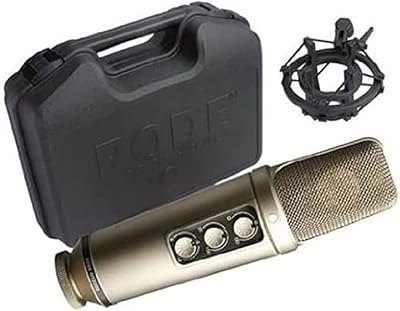
Rode NT2000 Large-Diaphragm Condenser Microphone
82%
94%
Polar Pattern Versatility
91%
Control Flexibility
89%
Sound Quality
66%
Build Quality
93%
Warranty & Long-Term Value
More
Rode NT3 Medium-Diaphragm Condenser Microphone
78%
91%
Sound Quality
88%
Build Quality
84%
Polar Pattern Accuracy
86%
Noise Floor Performance
67%
Ease of Placement
More
Rode NTG-1 Shotgun Condenser Microphone
86%
92%
Sound Quality
89%
Portability
87%
Build Quality
74%
Wind Noise Reduction
90%
Ease of Use
More
Rode NTK
Rode NTK
77%
94%
Vocal Tone & Warmth
91%
Self-Noise & Signal Clarity
88%
Build Quality & Durability
54%
Stand & Mounting Requirements
61%
Ease of Setup
More
Rode NT5-S
Rode NT5-S
89%
93%
Acoustic Instrument Clarity
96%
Build Durability
89%
Signal-to-Noise Ratio
91%
Value for Money
94%
Form Factor & Positioning
More
Rode NT55 Multi-Pattern Condenser Microphone
82%
93%
Sound Transparency
91%
Transient Detail
88%
Pattern Flexibility
86%
Instrument Versatility
89%
Build Quality
More
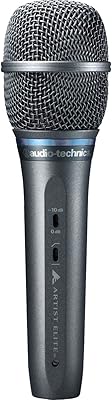
Audio-Technica AE5400 Cardioid Condenser Microphone
77%
92%
Vocal Sound Quality
86%
Handling Noise Rejection
91%
Noise Floor and Signal Clarity
64%
Feedback Resistance
69%
Value for Money
More
Rode M5 Matched Pair
88%
92%
Build Quality
94%
Stereo Imaging
91%
Acoustic Guitar Performance
96%
Value for Money
98%
Warranty and Longevity
More
Rode NT4 Stereo Condenser Microphone
81%
91%
Sound Quality
89%
Stereo Imaging
87%
Build Quality
74%
Value for Money
88%
Ease of Use
More
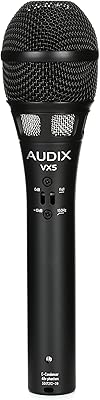
Audix VX5 Supercardioid Condenser Microphone
78%
91%
Vocal Clarity
88%
Feedback Rejection
86%
Build Quality
83%
Versatility
87%
Noise Floor
More

FAQ

Yes, the S1 requires phantom power — typically 48V — delivered through the XLR connection. Most professional mixing consoles and audio interfaces have phantom power built in, usually activated by a button labeled 48V. If your current mixer or preamp does not supply phantom power, you will need an external phantom power supply before this mic will work at all.

The main difference comes down to sound character and sensitivity. The S1 captures more detail and airiness in the upper frequencies, so voices tend to sound more open and natural through a PA. A dynamic mic like the SM58 is more forgiving in chaotic stage environments and less prone to feedback, but it also has a thicker, more colored sound that some singers find limiting. The S1 rewards good mic technique and careful gain staging in return for noticeably better vocal clarity.

Handled correctly, it should make feedback easier to manage. The supercardioid pattern has a tighter acceptance angle than a cardioid, so it rejects sound coming from the sides more aggressively. The trade-off is that the rear rejection null points are at roughly 120 degrees rather than directly at 180, so monitor placement matters more. As long as your stage monitors are positioned properly and your gain structure is sensible, the supercardioid pattern is a genuine advantage in loud live settings.

It works well in a home studio context, particularly if you prefer singing into a handheld mic rather than a large-diaphragm condenser on a stand. The low noise floor and detailed capsule make it capable of capturing clean vocal takes for recording. It will not replace a dedicated studio condenser for critical tracking, but for demos, voiceovers, podcasting, or casual recording, it performs solidly.

It is more noticeable than with a typical dynamic mic, which is a known characteristic of condenser handheld microphones in general. Confident, deliberate mic technique minimizes the issue significantly, but performers who tend to grip and shift the mic constantly during a set may pick up some rumble. Using the mic with a stand during studio or speech applications avoids the problem entirely.

You need a standard balanced XLR microphone cable — male XLR on the mic end, female XLR on the mixer end. The cable is not included in the box, so if you do not already have one, you will need to purchase it separately. Any quality XLR cable of an appropriate length for your stage setup will work fine.

The all-metal housing is built to handle the physical demands of regular use. It resists the dents and cracks that would affect a plastic-bodied mic over time. That said, like any condenser microphone, the capsule itself is sensitive to moisture and heavy physical impact, so using a mic bag or hard case when transporting it is strongly recommended.

Absolutely. The low noise floor and condenser capsule make this stage condenser mic well-suited for speech applications where clarity and a clean signal matter. For podcasting specifically, you would need an audio interface or mixer with phantom power to connect it, but the sound quality it produces for voice is well above what most USB microphones offer at a similar price point.

No, the standard retail package includes only the microphone itself. You will need to supply your own microphone clip or stand adapter. Standard 5/8-inch threaded mic clips fit the S1 body without any issues, and these are widely available and inexpensive.

The S1 handles dynamic range quite well. Loud singers benefit from the supercardioid pattern holding rejection even under strong SPL conditions, while softer singers benefit from the condenser capsule and low noise floor, which picks up quieter passages without adding excessive background hiss. The main thing to watch is that louder singers in close proximity should avoid overdriving the preamp input on their mixer — setting gain carefully before the show matters more with a condenser than with a dynamic mic.

Where to Buy