Overview
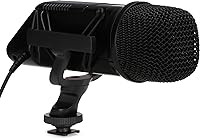
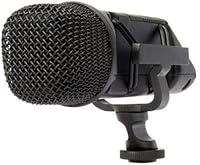
The Rode SVM Stereo On-Camera Microphone is Rode's answer to videographers who want true stereo audio without hauling a separate recorder into the field. Built around a supercardioid X/Y configuration, it captures spatial ambience with real directional focus — not the washed-out stereo you get from a wide-spaced pair. The cast aluminium housing feels solid in hand and looks at home on a professional rig. It runs on a single 9V battery, so there's no need for phantom power from your camera. An integral windshield is built right in, and a foam windscreen is included, making outdoor deployment straightforward from day one.
Features & Benefits
What sets this stereo video mic apart from a basic on-camera shotgun is the quality of its stereo image. The X/Y capsule arrangement produces phase-coherent stereo — when you pull the two channels apart in editing, they sit naturally in the mix without comb-filtering artifacts. A two-step high-pass filter (flat or 80 Hz) knocks out low-frequency drone from road traffic or HVAC systems, and the -10dB pad handles loud sound sources without distorting. With a signal-to-noise ratio of 74 dB and XLR connectivity, it integrates cleanly into any professional camera or portable recorder workflow, and the dual-channel output keeps left and right fully separated for post-production flexibility.
Best For
This on-camera stereo microphone is a strong fit for documentary filmmakers, event videographers, and solo operators who need rich ambient audio without an extra bag of gear. If you're shooting in a forest, at a street market, or in a live event space, the X/Y pattern does a good job of placing the listener inside the environment — something a mono shotgun simply cannot replicate. It also works well for interview setups where room presence matters, adding a sense of space that makes the final cut feel less clinical. That said, it is a less natural choice for run-and-gun news-style shooting where tight directional audio is the priority.
User Feedback
Buyers who use the Rode SVM consistently point to two things: the stereo width is genuinely impressive for an on-camera mic, and the build feels like it is made to last. Mounting and setup get positive marks too — most users have it running in minutes. Where opinions split is on size. On a large cinema-style camera it looks perfectly proportioned; on a compact mirrorless body, it can feel unwieldy. A handful of users also note that 9V battery life could be better, and a few wish the windscreen were more robust in heavy wind. Overall, the consensus leans positive, with most buyers agreeing the stereo upgrade over a mono mic is audibly worth it.
Pros
- The X/Y stereo image is genuinely wide and natural, placing listeners inside the recording environment.
- Cast aluminium construction feels robust and professional, not like a plastic accessory.
- An 80 Hz high-pass filter effectively removes low-frequency rumble from traffic, wind, and HVAC noise.
- The built-in windshield plus the included foam windscreen provide real outdoor usability from the start.
- XLR connectivity integrates cleanly with professional cameras, mixers, and portable recorders.
- The -10dB pad prevents clipping when recording louder sound sources like live music or crowds.
- Dual-channel stereo output keeps left and right channels fully separated for flexible post-production editing.
- Battery-powered operation means no reliance on phantom power from the camera body.
- Buyers consistently report that the stereo upgrade over a mono mic is immediately audible in finished footage.
- Mounting and initial setup are straightforward, with most users up and running in minutes.
Cons
- The 9V battery is not included, which is an annoying omission at this price point.
- Battery life under continuous use draws complaints from users on longer shooting days.
- The physical size can make the rig feel top-heavy or unbalanced on smaller mirrorless camera bodies.
- No 3.5mm mini-jack output means it is incompatible with cameras that lack XLR inputs without extra gear.
- The included windscreen performs adequately in light breeze but struggles in stronger outdoor wind conditions.
- Some users find cable management between the mic and camera body awkward during handheld operation.
- At roughly 1 pound, the added weight is noticeable during extended handheld or gimbal shooting sessions.
- The stereo pattern captures room noise broadly, which can be a liability in acoustically poor indoor spaces.
Ratings
Our AI rating system analyzed verified buyer reviews for the Rode SVM Stereo On-Camera Microphone from across global markets, actively filtering out incentivized, bot-generated, and unverified submissions to surface the most trustworthy consensus. The scores below reflect both the genuine strengths that keep videographers loyal to this on-camera stereo microphone and the recurring friction points that prevent it from being a universal recommendation. Nothing has been smoothed over — the numbers tell the full story.
Stereo Audio Quality
Build Quality
Ease of Setup
Wind Noise Rejection
Value for Money
Battery Life
Compatibility
Size & Weight on Camera
Noise Floor & Clarity
High-Pass Filter Usefulness
Windscreen Included
Stereo Upgrade Over Mono
Durability Over Time
Suitable for:
The Rode SVM Stereo On-Camera Microphone is built for videographers who understand that mono audio, however clean, simply cannot recreate the sense of being somewhere. Documentary filmmakers shooting in rich acoustic environments — forests, markets, live events, urban streetscapes — will get the most out of its X/Y stereo configuration, which places the viewer inside the scene rather than just pointing them at it. Solo operators who want professional-grade stereo without a dedicated sound recordist will appreciate how self-contained it is: mount it, plug in a 9V battery, and you are recording. Event videographers covering conferences, panels, or performances will also find the room presence it captures adds a layer of production value that a standard shotgun mic cannot match. If ambient atmosphere is a core part of your storytelling, this on-camera stereo microphone deserves serious consideration.
Not suitable for:
The Rode SVM Stereo On-Camera Microphone is not the right tool for every videographer, and being clear-eyed about that saves a frustrating return. If your priority is tight, dialogue-focused audio — news gathering, run-and-gun interviews, or event coverage where you need to isolate a single voice in a noisy room — a mono supercardioid or hypercardioid shotgun will serve you far better. The physical footprint is also worth considering: at over 10 inches long and running on a 9V battery that is not included, it can feel oversized and fiddly on compact mirrorless cameras where balance and portability matter. Cameras without XLR inputs are simply incompatible without an adapter or external recorder, which adds cost and complexity for users on simpler setups. Budget-focused buyers who rarely need stereo ambience in their work may find the investment hard to justify against a capable mono alternative.
Specifications
- Polar Pattern: Uses a supercardioid X/Y stereo configuration, capturing a wide, phase-coherent stereo image while maintaining directional focus.
- Connectivity: Connects via XLR output, making it compatible with professional cameras, portable recorders, and audio mixers that accept XLR input.
- Channels: Outputs two discrete audio channels, keeping left and right stereo signals fully separated for editing and mixing in post-production.
- High-Pass Filter: Features a two-step high-pass filter switchable between flat response and an 80 Hz rolloff to reduce low-frequency background noise.
- Pad Switch: Includes a -10dB attenuation pad, allowing the microphone to handle louder sound sources without introducing distortion or clipping.
- Signal-to-Noise Ratio: Rated at 74 dB signal-to-noise ratio, delivering clean, low-noise audio capture suitable for professional video production.
- Frequency Response: Covers a full frequency range up to 20 kHz, reproducing the complete audible spectrum with accurate detail.
- Impedance: Output impedance is rated at 200 ohm, ensuring consistent signal transfer across a wide range of compatible professional audio equipment.
- Power Source: Powered by a single 9V battery (not included), operating independently without requiring phantom power from the connected camera or recorder.
- Body Material: Constructed from cast aluminium, providing a durable, lightweight housing that withstands regular field use on professional video productions.
- Dimensions: Measures 10.75 x 3 x 5 inches, making it a physically substantial on-camera microphone suited to larger camera rigs.
- Weight: Weighs approximately 1 pound, adding a noticeable but manageable amount of mass to the top of a camera-mounted rig.
- Wind Protection: Includes an integrated primary windshield built into the mic body, plus a separate foam windscreen accessory for additional outdoor protection.
- Compatible Devices: Designed for use with cameras, camcorders, and portable audio recorders equipped with XLR microphone inputs.
- Model Number: The official model designation is SVM, as assigned by the manufacturer RODE Microphones.
- UPC: The Global Trade Identification Number for this product is 00698813000890.
- Availability: Listed as not discontinued by the manufacturer, indicating ongoing production and active support at the time of this writing.
- Release Date: First made available for purchase on October 2, 2001, establishing it as a long-standing model in the Rode product line.
Related Reviews
Rode VideoMicro
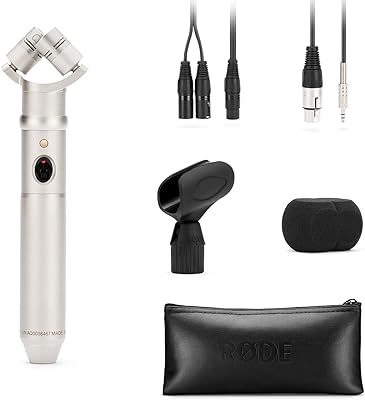
Rode NT4 Stereo Condenser Microphone
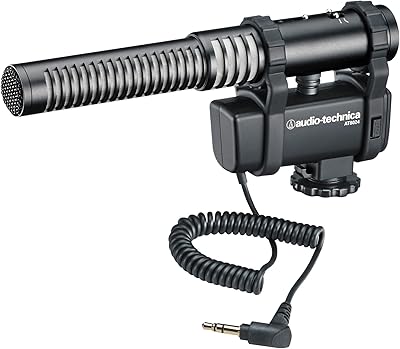
Audio-Technica AT8024

Rode Reporter
Rode S1 Handheld Condenser Microphone
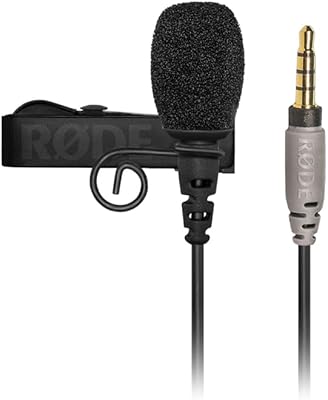
Rode SmartLav+
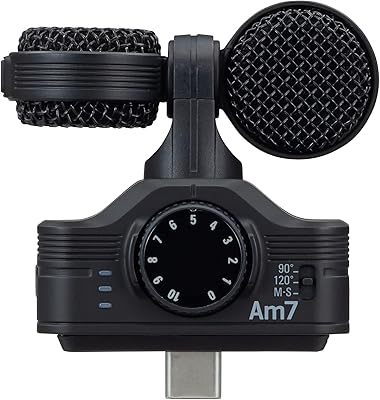
Zoom Am7
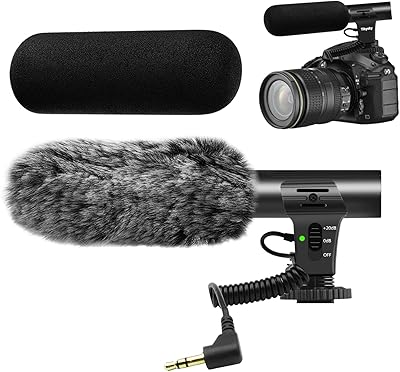
Tikysky TLMIC Shotgun Video Microphone
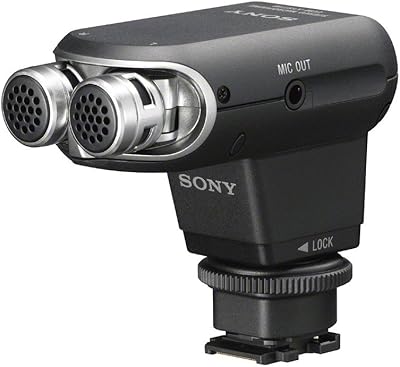
Sony ECM-XYST1M