Overview
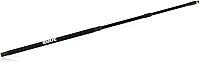
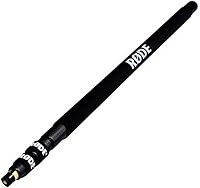
The Rode Mini Boompole Microphone Boom Arm is one of those tools that does exactly what it says without much fuss. It is built from aluminum, weighs in at a feathery 580 grams, and stretches out to a 2-meter reach when you need to get a mic close to your subject. Pull it open and you will notice the telescoping action is impressively smooth, with a simple twist-lock mechanism that holds each section in place. On the working end there is a standard 5/8-inch connector, so attaching your favorite mic clip or shock mount is straightforward. It is a no-nonsense piece of gear that gets out of the way and lets you focus on capturing clean audio.
Features & Benefits
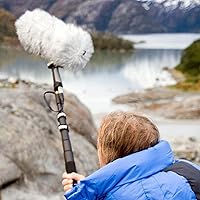
Pick up this boom arm and the first thing you notice is how little it weighs. After an hour of holding a pole over your head, that lightweight build stops being a spec and starts being the reason your shoulder does not ache. The telescoping sections collapse down small enough to slide into most camera bags or even a backpack side pocket, which makes it genuinely easy to carry on top of everything else. The swivel mount at the tip lets you tilt and rotate the mic to follow someone as they move or turn, which is handy in interviews. Aluminum keeps things sturdy without adding bulk, and the lock mechanism is reassuring once it is tightened down, with no creeping or slipping mid-take.
Best For
This boompole makes the most sense for people working solo or in very small crews. If you are a one-person documentary or YouTube operation running between camera and audio duties, having something this light and compact in your bag is a real convenience rather than a luxury. Indie filmmakers who already own a heavier primary pole often pick this up as a backup option for tight spaces or quick setups. It also suits podcasters and interviewers who occasionally step outside the studio and need a reliable way to position a mic without lugging around pro-grade rigging. Students learning the basics of location sound will find it an approachable, affordable way to practice boom technique without overcommitting financially.
User Feedback
Most people who use the mini boom comment on how noticeably lighter it feels compared to the full-size poles they are used to, and that difference becomes obvious during longer sessions. The lock mechanism gets consistent praise for being simple and dependable, with no fiddly adjustments needed on set. On the downside, a handful of users point out that the 2-meter reach feels short next to larger competitors, so it may not be ideal if you regularly need extra distance from your subject. There is also no internal cable routing, meaning your mic cable runs along the outside, which some reviewers find a bit untidy compared to pricier alternatives.
Pros
- Noticeably lighter than full-size poles, which really helps on long shoots
- Telescoping design collapses small enough to fit in most camera bags
- Swivel mount makes it easy to follow a moving speaker smoothly
- Lock mechanism is simple and holds firm without slipping mid-take
- Aluminum build feels sturdy while keeping overall weight low
- 5/8-inch connector works with standard mic clips and shock mounts
- The Rode Mini Boompole Microphone Boom Arm suits solo shooters extremely well
- A practical, low-fuss option for students learning boom technique
Cons
- 2-meter reach feels short compared to larger professional boompoles
- No internal cable routing, so the mic cable runs externally
- Not ideal for crews needing to clear large sets or lighting rigs
- External cabling can look untidy and may need extra taping
- Less suited for daily heavy-duty studio use over time
- May feel underbuilt to users coming from premium, full-length poles
Ratings
Our scores for the Rode Mini Boompole Microphone Boom Arm are generated by AI after analyzing verified user reviews from buyers worldwide, with spam, bot activity, and incentivized feedback filtered out. The goal is to give you an honest picture, highlighting both what people love and where this boompole tends to fall short in real-world use.
Weight & Portability
Build Quality
Extension Mechanism
Locking System
Reach & Length
Swivel Mount Functionality
Microphone Compatibility
Cable Management
Value for Price
Ergonomics During Use
Durability Over Time
Storage & Compactness
Suitable for:
The Rode Mini Boompole Microphone Boom Arm is a great match for solo content creators and small-crew shooters who need to handle both camera and audio without extra hands. If you are a documentary shooter who values gear that disappears into a backpack between setups, this boompole earns its place quickly. Podcasters or interviewers who occasionally step outside the studio for on-location conversations will appreciate having a reliable boom option that does not feel like a burden to transport. It is also a sensible pick for film students or hobbyists who want to learn proper boom technique without spending on professional-grade rigging right away. Anyone whose priority is comfort during long handheld sessions will notice the difference this lighter build makes almost immediately.
Not suitable for:
The Rode Mini Boompole Microphone Boom Arm is not the right choice for larger crews or productions where a dedicated boom operator needs maximum reach to clear lights, set pieces, or multiple actors. If your work regularly demands distances beyond 2 meters, this boompole will feel limiting rather than liberating. Productions that rely on internally routed cabling for a cleaner, snag-free setup may also find the external cable run a step backward from higher-end poles. Buyers expecting heavy-duty studio durability for daily, high-volume professional use might be better served by a sturdier, larger pole built for that punishment. In short, anyone prioritizing reach and integrated cable management over portability should look elsewhere.
Specifications
- Brand: This boompole is manufactured by Rode, a well-known name in audio recording gear.
- Material: The pole is constructed from aluminum for a balance of strength and low weight.
- Weight: The boom arm weighs 580 grams, equivalent to about 1.6 pounds.
- Maximum Reach: The pole extends to a maximum reach of 2 meters, or about 6.5 feet.
- Closed Length: The collapsed dimensions are 34 x 2 x 2 inches, making it compact for storage.
- Color: The boompole is finished in black.
- Mic Connector: A standard 5/8-inch thread connector is used for attaching microphone clips or shock mounts.
- Extension Mechanism: A telescoping design allows the pole to extend and retract smoothly in stages.
- Locking System: A twist-lock mechanism secures each extended section in place during use.
- Mounting Style: The tip features a swivel mount that allows the microphone to be angled in different directions.
- Internal Cabling: This model does not include internal cable routing, so cables run along the outside of the pole.
- Model Number: The product is identified by the model number Mini Boompole.
- Intended Use: The boompole is designed primarily for handheld location sound recording in video and audio production.
Related Reviews
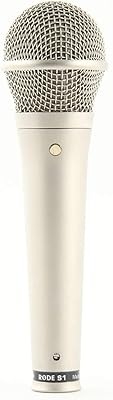
Rode S1 Handheld Condenser Microphone

Rode Reporter
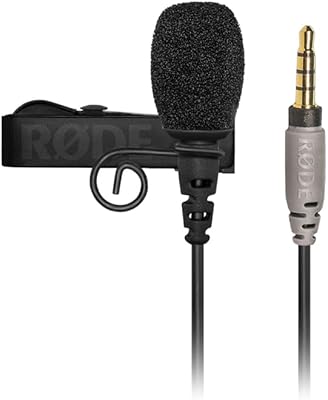
Rode SmartLav+
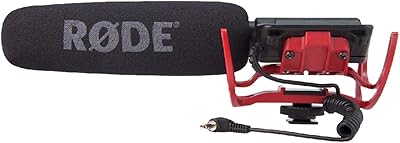
Rode VideoMic with Rycote Lyre
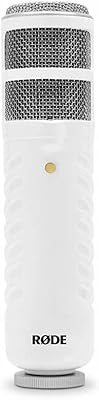
Rode Podcaster

Rode NTG-2
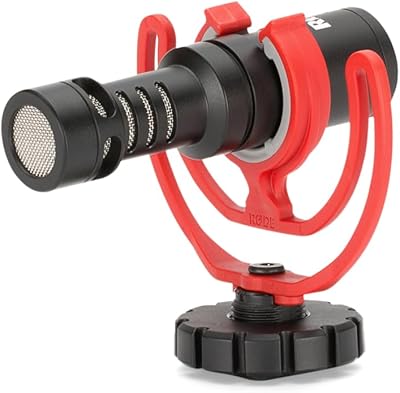
Rode VideoMicro
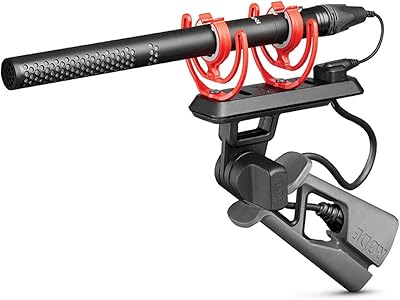
Rode NTG5 Shotgun Microphone Kit