Overview

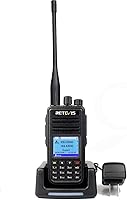
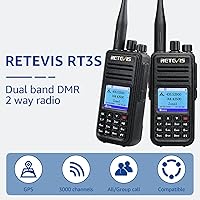
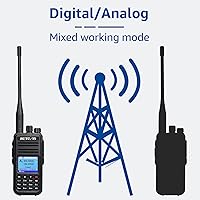
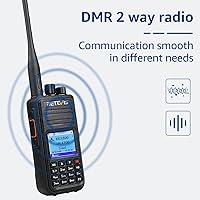
The Retevis RT3S Dual Band DMR Ham Radio sits in an interesting middle ground — capable enough to satisfy experienced operators, but priced accessibly enough to attract hobbyists stepping into digital radio for the first time. This DMR handheld supports both digital and analog modes across VHF and UHF bands, and its compatibility with OpenGD77 open-source firmware sets it apart from similarly priced competitors. A programming cable is included in the box, which helps, though don't mistake that for true plug-and-play convenience. Getting this dual-band radio fully operational still requires some familiarity with codeplug programming — the process of loading channel and contact data before the radio is field-ready.

Features & Benefits

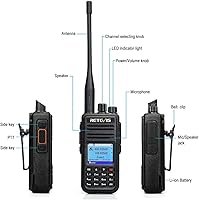
The RT3S covers both VHF and UHF bands and handles DMR Tier I and II alongside standard analog operation — a combination that keeps it relevant on both legacy and modern repeater networks. What genuinely stands out is the GPS APRS support, which lets the radio transmit and receive real-time location data in digital mode. That's not a checkbox feature — search and rescue teams and hiking groups can actually use it to track member positions in the field. The VFO mode with full numeric keypad means you can adjust frequencies on the fly without a laptop. Toss in 3,000 channel slots, capacity for 120,000 contacts, and a 2,000mAh battery that holds up through long field days, and the hardware case is solid.

Best For

This DMR handheld is a natural fit for licensed ham operators who want to explore digital radio without spending on a premium-tier rig. Emergency response volunteers and search and rescue teams will find the GPS tracking and group call features directly applicable in real operations. Hikers and outdoor teams using APRS for position reporting will also get real utility from the RT3S. That said, this dual-band radio is not the right call for someone brand new to amateur radio. Codeplug setup has a real learning curve, and the process assumes you already understand frequency coordination and digital talkgroups. Willingness to invest time in configuration matters more than prior DMR experience specifically, but patience is required either way.

User Feedback

Across roughly 170 reviews, the RT3S lands at 3.9 stars — a rating that reflects genuine satisfaction with some real-world friction mixed in. Buyers consistently praise the build quality, GPS accuracy, and OpenGD77 compatibility, with several noting it performs well once properly configured. The criticism is equally consistent: initial setup frustrates many users, and some report inconsistent audio quality on certain repeaters depending on mode. Battery life, however, draws mostly positive feedback from field users. Worth noting: a fair share of negative reviews trace back to DMR's inherent complexity rather than hardware failures. Go in expecting a straightforward experience and frustration is likely; go in prepared to learn the platform and most buyers find this dual-band radio genuinely delivers.

Pros

  • Dual-band VHF and UHF coverage with both DMR digital and analog mode support in one handheld.
  • GPS APRS works in digital mode for real-time team location tracking — a rare feature at this price point.
  • OpenGD77 firmware compatibility opens up deep customization well beyond what the stock software allows.
  • Stores up to 3,000 channels and 120,000 contacts, making it practical for operators active on large DMR networks.
  • VFO mode with a full numeric keypad lets you adjust frequencies on the fly without connecting to a computer.
  • Programming cable is included in the box, saving an annoying extra purchase before you can get started.
  • Battery life holds up well in field conditions according to consistent user feedback across reviews.
  • The color backlit LCD is genuinely readable in low-light situations, not just a spec-sheet checkbox.
  • Two-year warranty on the radio body provides reasonable peace of mind for a mid-range purchase.
  • Build quality draws consistent praise from buyers, with the hardware feeling more solid than the price suggests.

Cons

  • Codeplug setup has a steep learning curve that catches many buyers off guard and adds hours to initial deployment.
  • No water resistance rating makes this a risky choice for wet-weather field use or outdoor emergency scenarios.
  • Audio quality has been reported as inconsistent depending on the repeater and mode in use.
  • Not a plug-and-play device — meaningful DMR knowledge or a willingness to do homework is effectively required.
  • Some buyers report that the stock firmware interface feels clunky until OpenGD77 is installed and configured.
  • Group call and GPS features require digital mode operation, limiting functionality when using analog channels.
  • At 1.5 pounds, the RT3S is noticeably heavier than compact analog alternatives, which matters on long carries.
  • Customer support response times, while generally adequate, can lag when dealing with technical configuration questions.

Ratings

The Retevis RT3S Dual Band DMR Ham Radio has been scored by our AI system after analyzing verified buyer reviews from global markets, with spam, bot-generated, and incentivized feedback actively filtered out. Scores reflect the full picture — where this dual-band radio genuinely delivers and where real users have run into friction. Both the hardware strengths and the practical frustrations are represented transparently in every category below.

Build Quality
83%
Buyers consistently describe the RT3S as feeling more solid than its price tier would suggest. The chassis holds up well through regular field use, and the keypad buttons have a tactile firmness that operators appreciate during outdoor conditions where gloves or wet hands are a factor.
A handful of users note that the battery door fit feels slightly loose on some units, and the antenna connector can feel less precise than higher-end alternatives. Nothing that causes failure, but it signals the budget-tier manufacturing origins if you handle premium radios regularly.
GPS Accuracy
88%
The built-in GPS module draws consistent praise from SAR volunteers and hiking teams who rely on APRS for real-time position reporting. Lock times are reasonable in open terrain, and the location data transmitted over digital mode has been described as reliably accurate for field coordination purposes.
GPS performance drops noticeably in dense urban environments or under heavy tree cover, which is a hardware limitation rather than a firmware issue. A small number of users also report that APRS beacon intervals feel less configurable on stock firmware compared to what OpenGD77 unlocks.
OpenGD77 Compatibility
91%
For operators who flash OpenGD77, this dual-band radio essentially becomes a different — and better — device. The firmware community is active, documentation is solid, and the expanded feature set including improved zone management and enhanced GPS control genuinely justifies the effort of installing it.
The benefits of OpenGD77 are only accessible to users willing to research and execute a firmware flash, which excludes a meaningful portion of buyers. Those who stay on stock firmware miss out on the improvements that push this radio into a higher performance tier.
Ease of Setup
41%
59%
Once a working codeplug is loaded and the radio is configured, day-to-day operation is straightforward. The full numeric keypad and VFO mode mean experienced operators can make quick adjustments in the field without pulling out a laptop, which is a genuine convenience advantage over some competing models.
Initial setup is where the RT3S loses the most buyers. Building a codeplug from scratch requires understanding DMR talkgroup structures, zone assignments, and contact databases — a process that can take experienced operators several hours and total beginners an entire weekend. This is the single most cited frustration across all reviews.
Audio Quality
67%
33%
On well-configured digital repeaters, received audio is clear and intelligible with minimal background noise. Several emergency response users report that voice clarity in digital mode is noticeably better than analog on the same frequencies, which matters when communications need to be precise.
Audio consistency is a recurring complaint, with quality varying noticeably depending on the repeater network, signal strength, and mode in use. Some users report a muffled or digitally compressed sound in marginal coverage areas, and analog mode audio is considered average rather than impressive.
Battery Life
79%
21%
The 2,000mAh lithium-ion pack handles a full day of mixed use comfortably for most operators, and field users running search and rescue operations report it lasting through extended shifts when GPS transmissions are kept to reasonable intervals. The included battery means no immediate extra purchase is needed.
Heavy GPS and APRS usage accelerates drain faster than casual voice-only operation, and users running the radio as a continuous tracker in expedition settings find that a spare battery or portable charging solution becomes necessary for anything beyond a single day.
Value for Money
76%
24%
For licensed operators who actually use DMR networks, the combination of dual-band operation, GPS APRS, and OpenGD77 support at this price point is difficult to match. The included programming cable is a small but meaningful gesture that removes one common post-purchase frustration.
Buyers who underestimate the setup complexity often feel the price is unjustified when they struggle to get on the air. If the radio sits unused because codeplug programming proves too daunting, the value proposition evaporates regardless of the hardware quality.
DMR Network Performance
81%
19%
Compatibility with DMR Tier I and Tier II means the RT3S works across the overwhelming majority of amateur DMR repeater infrastructure worldwide. Talkgroup access on networks like BrandMeister functions as expected once the codeplug is correctly programmed, and the 120,000 contact capacity handles even large regional ID databases without issue.
Connecting to DMR networks via hotspot works well, but users report occasional timing sensitivity issues in certain hotspot configurations that require manual adjustment. These are edge cases, but they add to the overall sense that this radio rewards operators who are willing to troubleshoot.
Channel & Contact Capacity
86%
The 3,000-channel and 120,000-contact capacity is genuinely practical for operators active across multiple zones and talkgroup networks. Users who travel with their radios across different regions appreciate not having to rebuild codeplus from scratch for each area.
The large capacity is only useful once a proper codeplug is in place, and managing thousands of channels requires organized programming habits that new users often lack initially. The benefit is real, but it is contingent on getting through the setup barrier first.
Display Readability
77%
23%
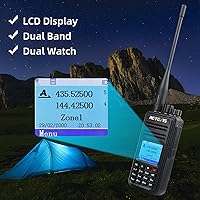
The color backlit LCD is a step above the monochrome screens found on many competing radios in this class. Menu navigation at night or in low ambient light is notably easier, and the color differentiation helps operators quickly distinguish between digital and analog mode indicators.
The screen size is modest for the amount of information the radio can display, and some users with less acute vision find the default font size requires getting the radio uncomfortably close to read in fast-moving field situations. No brightness auto-adjustment is available on stock firmware.
Hotspot Integration
74%
26%
Running the RT3S through a personal DMR hotspot at home works reliably and gives operators access to global talkgroup networks without needing a local repeater. The GPS APRS feature retains functionality in this configuration, which is a practical advantage for home-based operators.
Initial hotspot pairing requires correct color code and timeslot configuration in the codeplug, which trips up new users who do not yet understand how those parameters interact. Support documentation from Retevis on hotspot-specific setup is thinner than what the OpenGD77 community provides.
Portability
71%
29%
At 1.5 pounds, the RT3S is manageable for belt carry during day hikes or field operations, and the standard form factor fits comfortably in most radio holsters and chest harnesses designed for full-size handhelds.
Compared to the growing number of compact DMR handhelds entering the market, the RT3S feels bulky for operators prioritizing minimal pack weight. Its dimensions make it a poor fit for light and fast hiking styles where every ounce counts.
Weather Resistance
29%
71%
The radio performs normally in dry conditions, and the overall build feels solid enough that occasional light incidental contact with moisture is unlikely to cause immediate damage in practice.
There is no IP water resistance rating whatsoever, which is a significant limitation for a radio marketed toward emergency preparedness and outdoor use. Operating in rain, high humidity, or near water without a protective case is a genuine risk, and several users have reported moisture-related issues after exposure.
Warranty & Support
63%
37%
The two-year warranty on the radio body is above average for this product category, and Retevis does respond to Amazon messages for post-sale support. The 30-day return window provides a reasonable safety net for buyers who discover the setup complexity exceeds their comfort level.
Technical support quality is inconsistent — responses can be slow and generic, particularly for firmware and codeplug questions that require specific DMR expertise to answer helpfully. Users with advanced configuration issues often find better answers from the OpenGD77 and amateur radio community forums than from official support channels.

Suitable for:

The Retevis RT3S Dual Band DMR Ham Radio is genuinely well-matched to licensed amateur radio operators who are ready to move beyond basic analog handhelds and explore the DMR digital ecosystem without committing to a high-end rig. Emergency response volunteers and search and rescue teams will find real operational value here — the GPS APRS functionality lets team leaders monitor member positions in real time during field operations, and the group call feature keeps coordinated comms simple. Outdoor enthusiasts who already use APRS for position reporting on long hikes or backcountry expeditions will appreciate having that capability built into a single handheld. Operators who want to tinker with OpenGD77 open-source firmware get meaningful flexibility to push the radio beyond its factory defaults, customizing behavior in ways that closed-firmware competitors simply don't allow. If you're patient with setup and already comfortable with codeplug programming — or genuinely willing to learn — this dual-band radio delivers a strong feature set for its price tier.

Not suitable for:

The Retevis RT3S Dual Band DMR Ham Radio is a poor match for anyone expecting a radio they can unbox, power on, and immediately use without significant configuration. Getting it field-ready requires building or importing a codeplug — essentially a structured file that programs all your channels, contacts, and talkgroups into the radio — and that process can take hours for newcomers to DMR. Complete beginners to amateur radio should look elsewhere; the learning curve here assumes at least a working understanding of frequency coordination and digital radio concepts. If you need something waterproof for wet-weather operations, this radio offers no water resistance rating, which is a real limitation for serious outdoor or emergency use in unpredictable conditions. Users who prioritize audio clarity above all else may also find the inconsistencies some buyers report on certain repeater setups frustrating enough to reconsider.

Specifications

  • Frequency Bands: Operates on both VHF and UHF bands, allowing communication across a wide range of amateur radio frequencies.
  • Digital Mode: Supports DMR Tier I and Tier II digital protocols, making it compatible with the majority of DMR repeater infrastructure worldwide.
  • Analog Mode: Fully supports traditional analog FM operation, so it works on legacy repeaters and simplex frequencies without any limitations.
  • Channels: Stores up to 3,000 programmable channels, providing ample capacity for operators active across multiple regions or networks.
  • Contacts: Manages up to 120,000 contacts, supporting large DMR ID databases for talkgroup and individual call identification.
  • GPS & APRS: Built-in GPS module supports APRS position reporting and real-time location transmission in digital mode, including hotspot compatibility.
  • Firmware: Compatible with OpenGD77 open-source firmware, enabling advanced customization beyond the factory default software configuration.
  • Battery: Equipped with a 2,000mAh lithium-ion battery operating at 7.4V, with the battery included in the package at purchase.
  • Display: Features a color backlit LCD screen that remains legible in low-light and nighttime field conditions.
  • Keypad: Includes a full numeric keyboard with VFO mode, allowing direct frequency entry and parameter changes without a connected computer.
  • Programming Cable: A USB programming cable is included in the box, eliminating the need for a separate purchase before initial setup.
  • Talking Range: Rated for a maximum talking range of up to 5 miles under optimal open-terrain conditions.
  • Dimensions: Measures 8.97″ x 6.81″ x 4.25″, reflecting a standard full-size handheld form factor rather than a compact or ultralight design.
  • Weight: Weighs 1.5 pounds, which is typical for a feature-equipped DMR handheld in this class.
  • Water Resistance: Carries no official water resistance or IP rating, meaning it should be protected from rain and moisture during use.
  • Display Type: Uses an LCD panel with color backlight rather than a monochrome display, aiding menu navigation and status readability.
  • Voltage: Operates at 7.4V nominal battery voltage, consistent with standard dual-cell lithium-ion pack configurations.
  • Warranty: Covered by a 2-year warranty on the radio body and a 1-year warranty on included accessories, with post-warranty repair service available.

Related Reviews
Retevis RT95 Dual Band Mobile Ham Radio
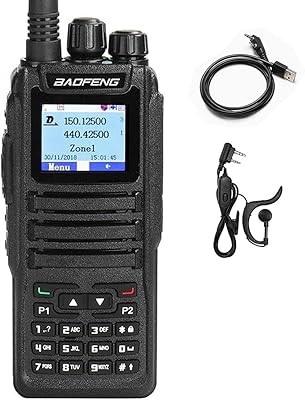
77%
88%
Audio Clarity
67%
Ease of Programming
91%
Display & Readability
86%
Value for Money
74%
Build Quality
More
Baofeng DM-1701 DMR Digital Two-Way Radio
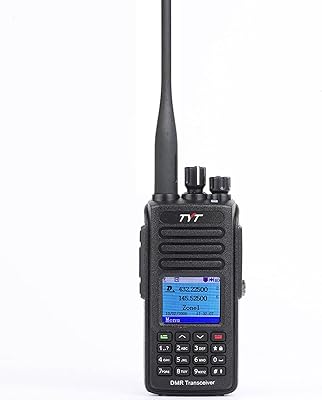
70%
83%
Audio Clarity (DMR Mode)
41%
Programming Experience
78%
Value for Money
76%
Build Quality & Durability
86%
OpenGD77 Firmware Compatibility
More
TYT MD-UV390 DMR Dual-Band Handheld Radio
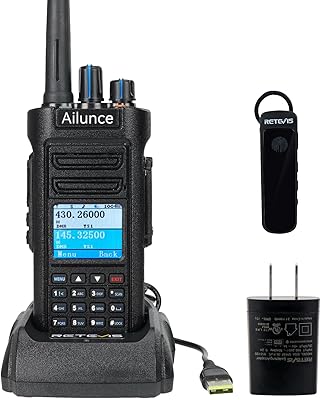
77%
88%
Build Quality
91%
Waterproofing
84%
Audio Clarity
82%
Battery Life
51%
Programming Experience
More
Retevis Ailunce HD2 DMR Radio
85%
89%
Battery Life
94%
Durability & Build Quality
68%
Ease of Setup
95%
Waterproof Rating (IP67)
85%
Signal Range
More
Radioddity GD-88 DMR Dual Band Ham Radio
75%
93%
Feature Depth
88%
GPS and APRS Performance
51%
Programming Experience
82%
Build Quality
63%
Audio Quality
More
Radtel RT-860 Multiband Ham Radio Transceiver
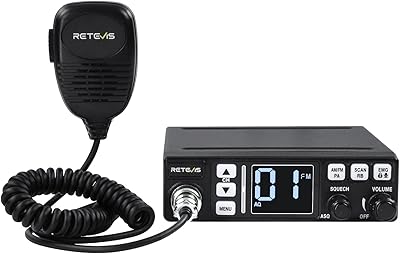
75%
88%
Value for Money
76%
Reception Range & Sensitivity
59%
SSB & HF Audio Quality
83%
Build Quality & Durability
62%
Ease of Programming & Setup
More
AnyTone AT-778UV Dual Band Mobile Radio
79%
83%
Build Quality
88%
Audio Clarity
86%
Dual-Band Coverage
79%
Display & Interface
51%
Programming Software
More
Retevis MB3 Dual-Mode AM/FM CB Radio
87%
88%
Performance
91%
Ease of Installation
85%
Sound Clarity
90%
Portability
86%
Range/Signal Strength
More
Baofeng UV-21R Dual Band Ham Radio
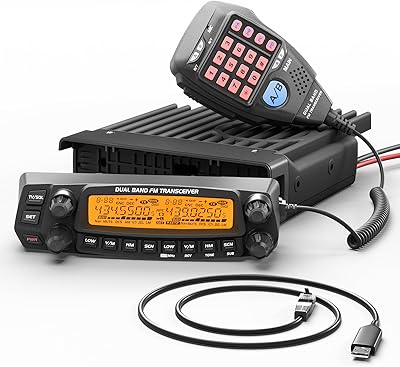
75%
91%
Value for Money
68%
Build Quality
54%
Transmission Range
83%
Display & Interface
88%
Charging Convenience
More
Radioddity DB50 Dual Band Mobile Radio Transceiver
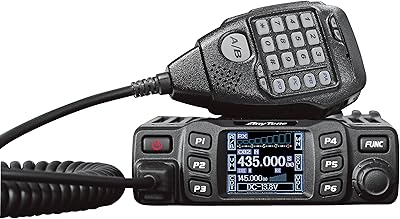
79%
88%
Transmit Power & Range
91%
Receiver Coverage
86%
Audio Clarity
84%
Channel Management
89%
Chirp Compatibility
More

FAQ

Yes, in most countries including the United States, transmitting on amateur radio frequencies requires a valid license. The RT3S operates on VHF and UHF amateur bands, so at minimum a Technician class license is needed before you key up. You can use it for receive-only purposes without a license, but that defeats most of its value.

It can work for a motivated beginner, but it is not a forgiving first radio if you expect to be on the air quickly. DMR requires you to program a codeplug — a structured data file containing all your channels, contacts, and talkgroup assignments — before the radio is useful. If you are willing to spend time learning that process and reading community guides, the RT3S is a reasonable entry point. If you just want something that works out of the box, look at a simpler analog radio first.

A codeplug is essentially the configuration file that tells the radio what channels to use, which talkgroups to access, and how to identify contacts. You do not always have to build one from scratch — many regional ham radio communities share pre-built codeplus for common repeater networks, which you can download and modify to fit your location. That said, you will still need to understand enough about the file structure to adapt it correctly.

No, the GPS APRS functionality on this DMR handheld is only active in digital mode. If you switch to analog operation, you lose the ability to transmit or receive position data. For teams relying on APRS tracking, everyone in the group needs to be operating in digital mode for that feature to function as intended.

Yes, this dual-band radio is fully compatible with OpenGD77, which is a well-supported open-source firmware project developed specifically for radios like this one. Whether it is worth installing depends on your needs — the stock firmware is functional for most users, but OpenGD77 adds features, improves the interface, and gives you more control over radio behavior. The installation process is documented thoroughly by the OpenGD77 community, though it does require some comfort with firmware flashing.

Most users report solid battery endurance for typical day-use scenarios, with the 2,000mAh pack holding up well through several hours of mixed transmit and receive activity. Heavy GPS use will drain it faster than voice-only operation. Carrying a spare battery or a USB power bank is a practical move if you are heading into multi-day outdoor use.

It is not. The RT3S carries no IP water resistance rating, which is a genuine limitation if you plan to use it in wet conditions. For outdoor or emergency use in rain, you would need to keep it protected — a waterproof pouch or case is worth considering if field conditions are unpredictable.

The radio supports DMR Tier I and Tier II protocols, which are the same standards used by many commercial systems. However, accessing commercial or private DMR networks typically requires authorization and specific network credentials. For licensed amateur use on DMR repeaters and talkgroup networks like Brandmeister or DMR-MARC, it works without issue once properly programmed.

Yes, this dual-band radio works with personal DMR hotspots, and the GPS APRS feature is specifically noted as hotspot-compatible. Using a hotspot lets you access global DMR talkgroup networks from home even without a nearby repeater, which is a popular setup among hobbyists and is well-supported by the OpenGD77 firmware community.

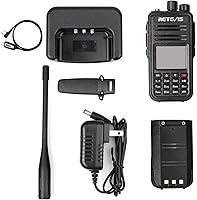
The package includes the radio, a 2,000mAh battery, a charging cradle, an antenna, a belt clip, and a USB programming cable. For most users, the only additional requirement before operating is the time investment to build or import a codeplug using free software like the stock CPS or the OpenGD77 CPS tool. If you plan to run OpenGD77, you will download that firmware separately at no cost.