Overview

The PreSonus HD5 is PreSonus's entry point into studio monitoring headphones — a brand better known for audio interfaces and mixing consoles than for headgear. That context matters. These studio headphones are not tuned to flatter your music the way consumer pairs often are; they aim for accuracy, full stop. If you are used to bass-heavy consumer cans, the sound here will feel noticeably flatter — intentionally so. That neutrality is the whole point for tracking and mixing work. The bundled 1/4-inch adapter is a small but telling detail, signaling that PreSonus built this monitoring headphone with audio interfaces and studio desks in mind, not casual commuting.

Features & Benefits

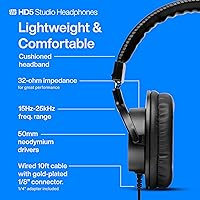
The 50mm neodymium drivers handle the full audible spectrum without obvious gaps at either end — you get low-end rumble and high-frequency detail that most earbuds simply cut off. At 32 ohms impedance, these studio headphones need no external amplifier; a phone, laptop, or audio interface all drive them without issue. The closed-back design does a decent job keeping bleed at bay during tracking — it won't block out a lawn mower, but it reliably reduces guitar amp bleed when recording vocals. A 10-foot wired cable keeps you tethered to the desk but gives real room to move around a recording space. Comfort holds up well for extended wear thanks to padded cushions and manageable weight.

Best For

This monitoring headphone fits best in the hands of someone building out a home studio or recording setup for the first time. Bedroom producers, audio students, and first-time home recorders will find it a practical starting point — accurate enough to make real mixing decisions without the expense of higher-tier cans. Podcasters who want honest playback to catch over-processed compression or harsh sibilance will also get genuine value here. It handles vocal tracking well thanks to the isolation the closed-back design provides. If you already own professional-grade headphones, the HD5 won't replace them, but for anyone stepping into studio-grade monitoring for the first time, it covers the essentials solidly.

User Feedback

With over 1,600 ratings averaging 4.4 stars, the reception has been consistently positive for what these studio headphones set out to do. Buyers frequently highlight all-day comfort as a standout quality, along with clear, detailed mids that help with vocal editing and instrument separation. The most common criticism is that the bass feels lean — though for a monitoring headphone, that is a feature, not a flaw, and experienced buyers seem to understand this. A handful of users note the plastic build feels modest, which is fair and expected at this tier. The long cable also earns practical praise from people working at fixed studio desks. Overall sentiment lands firmly positive.

Pros

  • Neutral, accurate sound reproduction helps you hear exactly what is in your mix without flattering coloration.
  • Works with virtually any device out of the box — no amplifier or adapter hunting required.
  • The 10-foot cable gives real freedom of movement around a home recording desk.
  • Comfortable enough for multi-hour tracking and editing sessions without significant fatigue.
  • Closed-back design reliably reduces microphone bleed during vocal and instrument takes.
  • 6.35mm adapter is included, making it immediately compatible with most audio interfaces.
  • Over 1,600 verified reviews back up the quality claim — this is not an untested newcomer.
  • Lightweight build keeps head pressure low even during long production sessions.
  • PreSonus HD5 delivers studio-grade monitoring capability at an entry-level price point.
  • Clean, no-frills design fits naturally into a home studio environment without visual distraction.

Cons

  • The non-detachable cable means a single wire failure requires replacing the entire headphone.
  • Plastic construction feels modest and has raised durability concerns among longer-term users.
  • Clamping force becomes uncomfortable for some users during sessions beyond three to four hours.
  • Ear pads tend to retain heat, which gets noticeable during warm weather or in poorly ventilated rooms.
  • Sub-bass extension, while rated impressively, lacks real physical weight in practice for bass-heavy genres.
  • Upper midrange can sound slightly harsh on bright source material at higher listening volumes.
  • No carry pouch or protective case is included, making safe storage and transport your own problem.
  • Hinge and stress points have shown cracking in some units after several months of regular use.
  • These studio headphones have a narrow soundstage that limits usefulness for advanced stereo placement work.
  • Sensitive enough to expose hiss from cheaper audio interfaces, which can be distracting during quiet sessions.

Ratings

The PreSonus HD5 has been evaluated by our AI rating system after analyzing thousands of verified buyer reviews worldwide — filtering out incentivized, bot-generated, and low-signal feedback to surface what real users consistently experience. Scores reflect both the genuine strengths and the honest shortcomings of these studio headphones, so you can make a confident, informed decision before buying.

Sound Accuracy
83%
Users consistently praise how honestly these studio headphones reproduce a mix — what you hear is what is actually in the recording, with no artificial bass shelf or hyped treble coating the signal. For tracking vocals or editing spoken-word content, that neutrality is exactly what you need.
Buyers coming from consumer headphones often find the sound profile underwhelming at first, describing it as thin or cold. The lean low end is intentional for monitoring purposes, but it takes adjustment if your ears are trained on bass-boosted cans.
Comfort & Wearability
87%
The padded over-ear cushions and relatively light build make these headphones genuinely comfortable over multi-hour recording sessions. Multiple buyers mention wearing them for four or five hours without significant ear fatigue or hotspot pressure on the headband.
A few users with larger heads report that the clamping force becomes noticeable after extended wear, and the ear pads, while soft initially, have been flagged by some as warming up quickly in warmer room temperatures.
Build Quality
61%
39%
The HD5 feels solid enough for regular home studio use — hinges have some flex to them, and the headband adjusts smoothly without feeling flimsy in daily handling. For a first studio headphone at this price tier, the construction is acceptable.
The all-plastic frame is the most recurring criticism across buyer reviews. It does not feel premium in hand, and a handful of users reported cracking or stress marks at the hinge points after several months of regular use. Longevity under heavy use remains a real question mark.
Value for Money
91%
At its price point, the HD5 delivers a genuinely capable studio monitoring experience that would have cost considerably more a decade ago. Buyers repeatedly note that the performance far exceeds expectations for the money, especially when compared with generic budget alternatives.
The value equation holds only if you accept the plastic build and wired-only design as given. If you need something more durable or versatile for frequent transport, spending more on a sturdier option may be the smarter long-term investment.
Isolation & Bleed Control
74%
26%
The closed-back design does a reliable job of keeping instrument bleed out of vocal recordings in typical home studio environments. Singers tracking over headphone mixes report minimal bleed pickup on condenser microphones at moderate playback levels.
This is passive isolation only — do not expect it to block out ambient noise during listening or silence a loud environment. In louder spaces like shared apartments or open-plan rooms, the isolation falls short of what dedicated sound-isolation headphones provide.
Driver Performance
79%
21%
The 50mm neodymium drivers handle transient detail well, reproducing percussive attacks and string plucks with reasonable clarity across the frequency range. The extended high-frequency ceiling means subtle overtones and room reflections remain audible during mixing work.
At higher volumes, some buyers detect a slight harshness in the upper midrange, particularly on brighter source material like acoustic guitars or cymbals. It does not ruin the experience, but it is noticeable in back-to-back comparisons with pricier alternatives.
Cable Quality & Length
78%
22%
The 10-foot cable is one of the most practically praised features among verified buyers who use these headphones at a fixed studio desk or recording rig. It gives real freedom of movement without the tether tension you get from shorter consumer cables.
The cable is on the thicker and stiffer side, which can make it awkward to manage if you are moving around frequently. It is also non-detachable, so a damaged cable means replacing the whole unit rather than just swapping a cord.
Connector & Compatibility
84%
The gold-plated 3.5mm connector and the included 6.35mm adapter cover virtually every audio scenario a home studio user will encounter — from a phone headphone jack to a dedicated audio interface output. No hunting for a separate adapter at setup time.
The adapter, while included, adds a bit of bulk at the connection point on larger audio interfaces. A small inconvenience, but buyers using desktop rigs with side-panel ports have noted the adapter angle puts slight lateral stress on the jack over time.
Impedance & Driveability
88%
At 32 ohms, the HD5 plays nicely with virtually any source — phones, tablets, laptops, gaming controllers, and audio interfaces all drive it to comfortable monitoring levels without clipping or distortion. No dedicated headphone amp is needed to get full performance.
The low impedance also means these headphones are more sensitive to output noise from cheaper audio interfaces. A few buyers using entry-level gear have noted a faint hiss floor at idle that disappears when using a cleaner signal chain.
Frequency Response Range
81%
19%
The 15Hz to 25kHz rated range means the HD5 reaches both the sub-bass floor and the upper air frequencies that many cheaper headphones simply roll off. For checking low-end rumble or high-frequency harshness in a mix, that extended range is genuinely useful.
Rated range and real-world performance are not always identical. Some buyers note the deep sub-bass extension is more suggested than pronounced in practice, meaning the very lowest frequencies are present but lack the weight to be truly useful for bass-heavy genre mixing.
Studio Use Case Fit
86%
For tracking, overdubbing, and light mixing in a home studio, these headphones cover the essential bases well. The combination of isolation, neutral tuning, and long cable makes them well-matched to the realities of a small recording setup.
Serious mixing engineers will quickly feel limited by the HD5 — it is a starting point, not a finishing tool. The sound stage is relatively narrow and imaging is adequate rather than precise, which matters when trying to make fine panning and reverb decisions.
Weight & Portability
69%
31%
At just over 14 ounces, the headphones sit comfortably on the head without fatigue during seated sessions. The weight distribution is balanced enough that most users stop noticing them after the first few minutes of wear.
The fixed, non-detachable cable and lack of a folding mechanism make these awkward to transport. They are studio-stay headphones by design — tossing them in a bag daily is not what they were built for, and the build reinforces that.
Aesthetics & Design
66%
34%
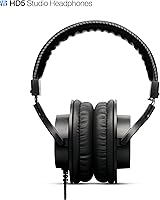
The all-black, no-frills look fits naturally into a home studio environment without feeling out of place. PreSonus kept the design clean and utilitarian, which suits the professional monitoring context better than flashy gamer-aesthetic styling would.
The visual design is purely functional and some buyers find it bland. There is nothing distinctive or premium-feeling about the appearance, and the visible plastic seams and matte finish read as budget in person more than product photos suggest.
Unboxing & Included Accessories
72%
28%
The 6.35mm adapter being included out of the box is a genuinely thoughtful touch for studio users. It removes an extra purchase step that competing budget headphones often skip, and the packaging is clean and functional without excess plastic waste.
Beyond the adapter, there is nothing extra in the box — no carry pouch, no cable clip, no documentation beyond the basics. At this price point that is understandable, but buyers hoping for even a soft bag for storage will need to source one separately.

Suitable for:

The PreSonus HD5 is a strong match for anyone stepping into home studio recording for the first time and needing a reliable, honest-sounding monitoring headphone without stretching their budget. Bedroom producers, singer-songwriters doing their own tracking, and audio production students will all find it a practical and capable starting point. Podcasters and content creators who want to hear their recordings accurately — catching harsh sibilance, over-compressed dynamics, or muddy room tone — will benefit from the neutral tuning that consumer headphones deliberately mask. Musicians who record vocals or instruments at home will appreciate the closed-back isolation keeping bleed out of live microphones during takes. The included 6.35mm adapter also means it connects directly to most audio interfaces out of the box, removing a common friction point for beginners setting up their first recording chain.

Not suitable for:

Buyers expecting the kind of rich, bass-forward sound that popular consumer headphones deliver will likely be disappointed — the PreSonus HD5 is tuned for accuracy, not enjoyment in the casual listening sense, and that distinction matters before you spend any money. Experienced mixing engineers who rely on precise stereo imaging and wide soundstage reproduction for professional work will quickly feel constrained by what these studio headphones can resolve at this price tier. Anyone who needs to move around frequently — commuters, traveling musicians, gym users — will find the fixed 10-foot cable and non-folding design genuinely impractical outside a fixed studio desk setup. The all-plastic construction also raises durability concerns for heavy daily use; buyers who need a headphone to survive a touring or gigging lifestyle should invest in something built to a higher physical standard. Finally, users working in consistently loud environments should not rely on the passive isolation here as a substitute for proper acoustic treatment or dedicated noise-isolating gear.

Specifications

  • Driver Size: 50mm neodymium dynamic drivers deliver full-spectrum audio reproduction across the entire audible range.
  • Frequency Response: Rated frequency response spans 15Hz to 25kHz, covering deep sub-bass through extended high-frequency air.
  • Impedance: 32-ohm impedance allows direct use with phones, laptops, audio interfaces, and game controllers without a dedicated headphone amplifier.
  • Sensitivity: Sensitivity is rated at 95dB ± 3dB, meaning the headphones reach comfortable monitoring levels from low-power sources.
  • Design Type: Closed-back, over-ear design provides passive sound isolation suitable for tracking and private listening sessions.
  • Cable Length: A fixed, non-detachable cable measures 10 feet (approximately 3 meters), suited to fixed studio desk setups.
  • Connector: Gold-plated 3.5mm (1/8-inch) connector is used at the source end for a secure, corrosion-resistant connection.
  • Adapter Included: A 6.35mm (1/4-inch) adapter is included in the box, enabling direct connection to most professional audio interfaces.
  • Weight: Total weight is approximately 14.1 oz (around 400g), keeping the headphones comfortable for extended wear sessions.
  • Materials: Frame and structural components are constructed from plastic, with fabric-padded cushions on the ear cups and headband.
  • Noise Control: Isolation is passive only — the closed-back housing reduces ambient bleed and microphone pickup but provides no active noise cancellation.
  • Bluetooth: No Bluetooth or wireless connectivity is supported; the HD5 is a strictly wired-only headphone.
  • Water Resistance: No water or moisture resistance rating is assigned — the headphones should be kept away from liquids and high-humidity environments.
  • Compatible Devices: Designed for use with audio interfaces, phones, laptops, tablets, desktops, game controllers, televisions, and smart speakers.
  • Package Dimensions: Retail packaging measures approximately 9.96 x 7.32 x 3.86 inches, standard for over-ear studio headphone boxes.
  • Date Available: The HD5 was first made available for purchase in late October 2024, making it a recent addition to PreSonus's headphone lineup.
  • Item Model: Official model number is 2777200105, listed under the HD5 product line within PreSonus's studio monitoring range.
  • UPC: The product UPC is 673454013645, used for retail identification and inventory tracking.

Related Reviews
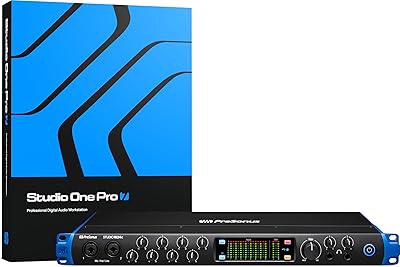
PreSonus Studio 1824c

86%
91%
Preamplifier Clarity
88%
Chassis & Build Quality
84%
Low-Latency Performance
93%
Software Bundle Value
87%
Monitoring Flexibility
More
Audioengine HD5
Audioengine HD5
86%
91%
Sound Quality
88%
Bluetooth Performance
89%
Amplifier & Power
86%
Build Quality
72%
Value for Money
More
PreSonus Quantum 4848 Thunderbolt Audio Interface
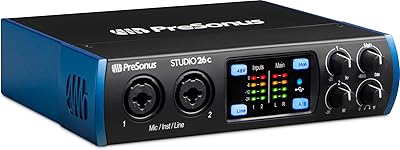
86%
94%
Audio Performance
90%
Latency and Speed
87%
Build Quality
75%
Ease of Setup
92%
Expandability
More
PreSonus Quantum 2626 Thunderbolt Audio Interface
88%
96%
Latency
94%
Sound Quality
91%
Software Bundle
88%
Build Quality
87%
Expandability
More
PreSonus AudioBox USB 96 Audio Interface
87%
92%
Value for Money
88%
Sound Quality
94%
Ease of Use
91%
Portability
85%
Build Quality
More
PreSonus Studio 68c USB Audio Interface
84%
89%
Audio Quality
86%
Ease of Setup
91%
Software Bundle
88%
Latency Performance
84%
Connectivity
More
PreSonus Quantum 26x32 Thunderbolt Audio Interface
83%
91%
Performance
88%
Sound Quality
93%
Ease of Setup
90%
Latency
85%
Connectivity (Thunderbolt 2)
More
PreSonus Studio 1810c USB Audio Interface
86%
91%
Sound Quality
88%
Ease of Setup
85%
Software Integration
80%
Connectivity & Compatibility
89%
Value for Money
More
PreSonus Studio 26c USB Audio Interface

86%
92%
Sound Quality
89%
Ease of Use
94%
Value for Money
85%
Software Bundle
88%
Build Quality
More
PreSonus AudioBox iOne
75%
88%
Preamp Quality
83%
Build Quality
91%
Ease of Setup
61%
Direct Monitoring
86%
iPad Compatibility
More

FAQ

Yes, and that is one of their strongest practical points. The 32-ohm impedance means virtually any audio interface — even budget USB models — will drive them to comfortable monitoring levels without clipping or needing a separate headphone amp. The included 6.35mm adapter handles the physical connection on interfaces with a standard quarter-inch output.

Probably not in the way you are expecting. These are studio monitoring headphones tuned for accuracy, not enjoyment, which means the bass is present and detailed but deliberately not boosted or hyped. If you are used to consumer headphones with a heavy low-end shelf, the sound here will likely feel flat or thin by comparison. That is by design — it is just not designed for your use case.

Technically yes — the 32-ohm impedance works fine with game controllers and consoles, and the closed-back design helps keep game audio contained. That said, these headphones have no microphone, no boom arm, and no virtual surround processing, so dedicated gaming headsets will serve most gamers better. For audio-focused game developers or composers scoring games, they actually make a solid monitoring tool.

They reduce it noticeably but do not eliminate it. The closed-back design is genuinely useful for keeping your microphone from picking up headphone bleed during recording, and it takes the edge off ambient room noise while you are working. But if your environment is loud — a busy household, street noise, an HVAC system — you will still hear it. This is passive isolation, not noise cancellation.

Unfortunately, no. The cable is fixed and non-detachable, which is the most significant practical limitation of this monitoring headphone. If the cable is damaged, you are looking at replacing the entire unit. It is worth being careful about how you route and store the cable, especially around chair legs and desk edges where it tends to take the most wear.

Most buyers say yes, at least for the first few hours. The fabric-padded cushions are soft enough initially and the weight is light enough that fatigue is not an immediate issue. Where some users start noticing discomfort is past the three or four hour mark, particularly around clamping force and heat buildup in warmer rooms. The pads are not replaceable with standard aftermarket options either, so keep that in mind.

Both of those are established benchmarks in the same budget monitoring category and are generally regarded as slightly more refined options with better-documented long-term durability. The HD5 competes respectably on sound accuracy at its price point, but if you can stretch to the M40x tier, most experienced buyers would recommend doing so for the more robust build and more predictable sound profile. The HD5 makes the most sense as a genuine first studio headphone rather than a long-term primary monitoring tool.

No, there is nothing included for storage or transport beyond the headphones themselves and the 6.35mm adapter. If you plan to store these on a desk stand or hook, that is fine, but anyone hoping to toss them in a bag regularly will want to pick up a padded case separately to protect the plastic frame.

They are actually a solid fit for that use case. The neutral tuning makes it easy to catch problems in spoken-word recordings — harshness, sibilance, noise floor issues, and dynamic range inconsistencies are all easier to hear on an accurate monitoring headphone than on consumer-tuned earbuds or speakers. The long cable also works well for sitting at a fixed editing workstation for extended periods.

That is the one honest area of uncertainty. The plastic construction handles regular home studio use fine in the short term, and most buyers report no issues in the first several months. However, a subset of longer-term reviews flag stress cracking at the hinge points and headband joints after sustained use. These studio headphones are built to a budget, and the physical durability reflects that — they are not designed to absorb the kind of wear a touring musician or heavy daily commuter would put on them.