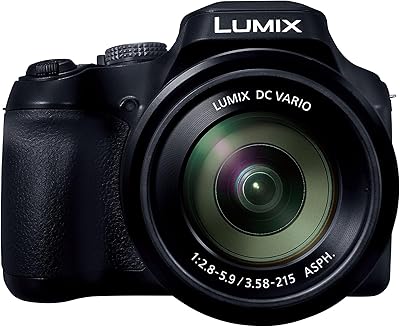
Panasonic LUMIX GH5 Mark II Mirrorless Camera



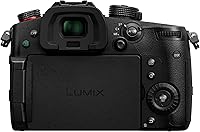





Overview
The Panasonic LUMIX GH5 Mark II Mirrorless Camera isn't a reinvention — it's a focused refinement of one of the most trusted hybrid cameras in the Micro Four Thirds ecosystem. Panasonic kept what worked and added what the original genuinely lacked: native live streaming and improved heat management. The Micro Four Thirds sensor is smaller than APS-C or full-frame alternatives, which means some low-light tradeoffs, but the payoff is a compact body with access to an exceptional lens system. The GH5 Mark II sits at a premium price point, targeting working videographers, hybrid content creators, and streamers — not casual shooters. One honest caveat upfront: contrast-detection autofocus remains the system's most notable limitation compared to phase-detect competitors.
Features & Benefits
What sets the GH5 Mark II apart from its predecessor — and from many rivals — is the combination of unlimited recording and built-in live streaming. Plug it into your network via USB-C or Wi-Fi and you're broadcasting without a capture card, which is genuinely useful for run-and-gun creators. The 4K 60p footage with 4:2:2 10-bit color means editors have real latitude to color grade without the banding or blocking that 8-bit files produce under heavy corrections. The 5-axis stabilization at up to 6.5 stops is substantial — handheld walking shots that would normally require a gimbal often come out usable. Add V-LogL baked in for log shooting, and this mirrorless camera covers a lot of professional ground without external accessories.
Best For
Panasonic's streaming-focused hybrid makes the most sense for a specific kind of creator. If you run live streams from the field or at a desk, the wired and wireless options combined with USB Power Delivery mean you can shoot indefinitely without draining the battery. Documentary and event videographers who record hours of uninterrupted footage will appreciate the no-throttle recording. Photographers already in the Micro Four Thirds system — with Olympus or Panasonic glass — get a low-friction upgrade path. It also works well for educators and online instructors who need clean HDMI output for a teaching setup. Where it makes less sense is for fast-action sports or wildlife work, where phase-detect AF would be a real advantage.
User Feedback
With a 4.4-star average, the GH5 Mark II has earned genuine respect from working shooters. Praise clusters around video quality, the rock-solid build, and how well the in-body stabilization holds up in real-world conditions. The dual UHS-II card slots also draw consistent positive mentions from professionals who rely on workflow reliability. Criticism, when it surfaces, tends to focus on autofocus — specifically that it struggles to lock onto moving subjects compared to Sony's phase-detect systems or OM System bodies at a similar price point. Some buyers weigh the value question carefully: newer competitors have arrived, and whether this mirrorless camera's proven feature set justifies the asking price depends heavily on how central streaming and unlimited recording are to your specific workflow.
Pros
- Unlimited 4K recording with no overheating cap is a genuine practical advantage for long-form video work.
- Built-in live streaming over USB-C and Wi-Fi eliminates the need for a separate capture card or encoder.
- 5-axis in-body stabilization up to 6.5 stops makes handheld footage usable in situations where most cameras struggle.
- 4:2:2 10-bit color gives editors real grading headroom without the artifacts common in compressed 8-bit formats.
- V-LogL is included out of the box, saving the cost of a paid activation found on some competing models.
- Magnesium alloy construction with freeze resistance down to -10 degrees Celsius handles rough field conditions reliably.
- Dual UHS-II SD card slots support relay recording and faster offload speeds, which professionals consistently appreciate.
- The Micro Four Thirds mount opens access to one of the widest compatible lens ecosystems available in mirrorless.
- Simultaneous internal 4K recording and clean HDMI output covers most multi-camera and livestream production setups.
- At 1.6 pounds, the GH5 Mark II is compact enough for travel without sacrificing professional-grade build quality.
Cons
- Contrast-detection autofocus struggles with fast or erratic subject movement compared to phase-detect rivals.
- The Micro Four Thirds sensor trails APS-C and full-frame options in high-ISO low-light performance.
- Buyers entering the system fresh face significant additional cost to build a capable lens kit.
- Newer competitors have arrived since launch, making the value proposition harder to justify without a sale price.
- The tilting LCD does not fully articulate, which limits flexibility for vlogging or low-angle selfie-style shooting.
- No subject-recognition or eye-tracking AF, a feature now common on competing mirrorless systems at this price tier.
- Battery life is adequate but not exceptional — extended shoots often require a spare battery or USB power input.
- 4K 60p is captured in 4:2:0 rather than 4:2:2, which slightly limits grading latitude at that specific frame rate.
Ratings
The scores below were generated by AI after analyzing verified global user reviews for the Panasonic LUMIX GH5 Mark II Mirrorless Camera, with spam, bot activity, and incentivized submissions actively filtered out to preserve accuracy. The GH5 Mark II earns strong marks in several areas that matter most to working video creators, but the data also surfaces real friction points that prospective buyers deserve to know about. Both sides are reflected honestly here — no category has been inflated to flatter the product.
Video Quality
Image Stabilization
Live Streaming
Autofocus Performance
Build Quality
Unlimited Recording
Photo Quality
Low Light Performance
Ease of Use
Battery Life
Value for Money
Workflow Integration
Portability
Display & Viewfinder
Suitable for:
The Panasonic LUMIX GH5 Mark II Mirrorless Camera was built for a specific type of creator, and those people will find very little else at this level that checks all the same boxes. If you run a live stream — whether that's a news broadcast, a product demo, a podcast setup, or a YouTube channel — the built-in wired and wireless streaming with USB Power Delivery means you can run it continuously off wall power without a capture card or external encoder. Documentary filmmakers and event videographers shooting multi-hour takes will appreciate the no-throttle recording, something many competitors still can't match without external recorders. Shooters already deep in the Micro Four Thirds system, with a collection of Panasonic or Olympus glass, get a meaningful upgrade without replacing their entire kit. Travel and field shooters who prioritize weather sealing and a compact, sub-two-pound body over maximum sensor size will find the tradeoff genuinely worthwhile in harsh or unpredictable shooting conditions.
Not suitable for:
The Panasonic LUMIX GH5 Mark II Mirrorless Camera is a harder sell if fast, reliable autofocus is central to your work. Sports photographers, wildlife shooters, and anyone regularly tracking unpredictable moving subjects will run into the ceiling of contrast-detection AF fairly quickly — Sony's phase-detect systems and even some OM System bodies at comparable prices handle that kind of tracking more confidently. If you're coming from a full-frame background and low-light performance is a priority, the Micro Four Thirds sensor will feel like a step back in high-ISO situations, particularly above ISO 3200. Buyers who shoot primarily stills and have no real need for video features or streaming are paying for a lot of capability they won't use, and there are sharper value options in that category. It's also worth noting that the camera body alone requires a separate lens purchase, and the price of entry into a quality Micro Four Thirds kit adds up quickly for newcomers to the system.
Specifications
- Sensor: The camera uses a 20.3MP Micro Four Thirds MOS sensor, delivering a good balance of resolution and compact body size.
- Video: Supports C4K and 4K recording at up to 60p with 4:2:0 10-bit color internally, and 4:2:2 10-bit output simultaneously over HDMI.
- Stabilization: 5-axis Dual I.S. 2 sensor-shift system provides up to 6.5 stops of compensation for handheld shooting.
- Autofocus: Contrast-detection AF system with 225 focus points, supporting single-servo, continuous-servo, and manual focus modes.
- ISO Range: Native ISO range runs from 100 to 25600, with expanded settings available for challenging lighting conditions.
- Shutter Speed: Electronic shutter reaches 1/16000 sec at the fast end, with bulb mode extending exposure down to 60 seconds.
- Burst Shooting: Continuous shooting is rated at 12 frames per second, suitable for moderate-action and event photography.
- Display: 3″ tilting LCD with 1,840,000 dots provides sharp image review and live composition in a flexible but non-fully-articulating design.
- Viewfinder: Electronic viewfinder offers 0.76x magnification for eye-level shooting in bright outdoor conditions.
- Storage: Dual SD/SDHC/SDXC card slots with UHS-II support; write speeds of 300 MB/s or faster are recommended for high-bitrate video recording.
- Connectivity: Includes Wi-Fi, Bluetooth, HDMI output, USB-C with Power Delivery, and a 3.5mm microphone input.
- Live Streaming: Supports wired and wireless live streaming via USB-C tethering or Wi-Fi, with USB Power Delivery for continuous power during extended broadcasts.
- Mount: Micro Four Thirds lens mount provides compatibility with a broad range of Panasonic, Olympus, and third-party MFT lenses.
- Body Build: Magnesium alloy full die-cast front and rear frame is splash-proof, dust-resistant, and freeze-resistant down to -10 degrees Celsius.
- Weight: Body weight is approximately 1.6 pounds, making it one of the lighter options in its professional video category.
- Video Formats: Records in MP4 and MOV container formats using AVC and H.265 codecs, covering a wide range of delivery and archival needs.
- Photo Styles: Includes V-LogL, Cinelike D2, Cinelike V2, MonochromeS, and L.ClassicNeo presets for versatile in-camera color science.
- Processor: Powered by Panasonic's Venus Engine imaging processor, which handles high-bitrate video encoding and noise reduction.
- Battery: Uses a rechargeable lithium-ion battery pack; USB Power Delivery allows the camera to run continuously from a wall adapter or power bank.
- Warranty: Backed by a one-year limited manufacturer warranty from Panasonic covering defects in materials and workmanship.
Related Reviews
Panasonic LUMIX G100 Mirrorless Camera
Panasonic LUMIX S9 Full-Frame Mirrorless Camera
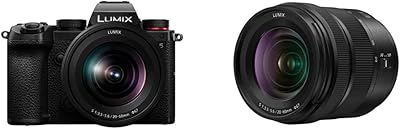
Panasonic LUMIX S5 Full Frame Mirrorless Camera
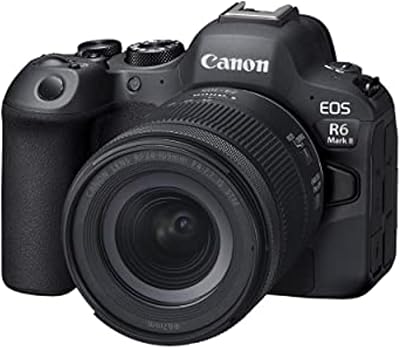
Canon EOS R6 Mark II Mirrorless Camera
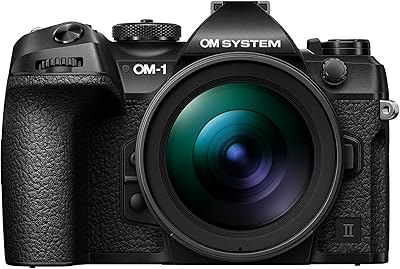
OM System OM-1 Mark II with M.Zuiko 12-40mm f/2.8 PRO II
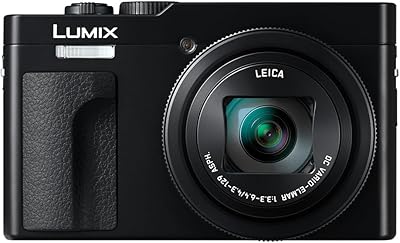
Panasonic LUMIX ZS99
Nikon Z50 II Mirrorless Camera
Panasonic Lumix DMC-ZS3 Digital Camera
Sony a7R II Full-Frame Mirrorless Camera