Overview

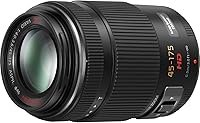
The Panasonic H-PS45175K 45-175mm Power Zoom Lens is a compact, electronically driven telephoto zoom built specifically for Micro Four Thirds mirrorless systems. That 45-175mm range translates to a 90-350mm full-frame equivalent — real telephoto reach that covers everything from wildlife to distant event subjects without making you haul around a massive lens. It launched in 2011 and has quietly held its ground in the Panasonic G-series ecosystem ever since. At just 7.4 ounces, the weight-to-reach ratio is hard to argue with. This is squarely an enthusiast-level lens — not an entry-level afterthought, but not a professional workhorse either. Know what you are getting into, and it delivers.
Features & Benefits

The standout here is the motorized power zoom — a feature that sounds like a gimmick until you use it for video. Ramping the zoom smoothly and silently mid-shot is genuinely useful for travel documentaries or event coverage, where a manual zoom would introduce vibration and noise. The built-in POWER O.I.S. handles handheld shake well, particularly at the longer end where camera movement becomes more pronounced. Optically, two ED elements and two aspherical lenses keep chromatic aberration in check, and the Nano Surface Coating does a solid job reducing flare in contrasty light. The collapsing barrel design keeps it pocketable between shots, which matters a lot on a long travel day.

Best For

This telephoto power zoom earns its place in the bag of travel and wildlife photographers who want serious reach without serious weight. Pack it alongside a wide prime and you have a two-lens kit that handles most situations. For Panasonic LUMIX G-series video shooters, the quiet motorized zoom is a practical advantage — no clunky manual rings interrupting your footage. Birders and event photographers will appreciate how the optical stabilization buys extra handheld stability in unpredictable lighting. That said, if you routinely shoot indoor sports or dimly lit events and need a consistent aperture throughout the zoom range, this MFT zoom lens will likely frustrate you. It suits enthusiasts who shoot largely outdoors and can live with a variable maximum aperture.

User Feedback

Buyers broadly agree that sharpness through the mid-range of the zoom is impressive, and autofocus on Panasonic bodies is fast and confident — though a handful of Olympus users note it can hunt more than expected. Videographers consistently praise how clean and controlled the motorized zoom ramp feels compared to manual alternatives. Where opinion divides is on build quality: the plastic construction feels perfectly fine day-to-day, but some buyers question its long-term durability at this price tier, particularly around the zoom mechanism after extended use. The variable aperture also comes up repeatedly — not as a dealbreaker for most, but as something buyers wish they had thought through before shooting in low-light-heavy environments.

Pros

  • Motorized power zoom enables smooth, silent zoom pulls that manual-ring lenses simply cannot match for video work.
  • The 90-350mm full-frame equivalent range covers wildlife, sports, and travel subjects without carrying multiple lenses.
  • Built-in POWER O.I.S. delivers real handheld stability benefits at longer focal lengths in outdoor conditions.
  • Sharpness through the mid-range of the zoom holds up well against similarly priced MFT telephoto competition.
  • Nano Surface Coating keeps flare and ghosting controlled in backlit and high-contrast outdoor shooting situations.
  • The collapsing barrel design makes this telephoto power zoom genuinely pocketable between shots on long travel days.
  • Autofocus is fast and reliable on native Panasonic LUMIX bodies, including during continuous video tracking.
  • Two ED lens elements noticeably reduce chromatic aberration on high-contrast edges compared to budget telephoto alternatives.
  • Lightweight at 7.4 ounces — a real advantage for photographers who feel the cumulative weight of a full kit.
  • The Panasonic 45-175mm lens has remained a relevant and supported option in the MFT ecosystem for well over a decade.

Cons

  • Aperture drops to f/5.6 at 175mm — exactly when low-light shooting demands the most from your glass.
  • Plastic construction feels inconsistent with the price tier and raises durability questions for heavy field use.
  • No weather sealing limits confidence when shooting in rain, dust, or harsh outdoor environments.
  • Autofocus can hunt and lose consistency on Olympus and OM System bodies, particularly in lower light.
  • Long-term owners have flagged gradual loosening of the zoom mechanism after sustained use over multiple years.
  • Image sharpness softens at maximum focal length and wide-open aperture, limiting large crop potential for distant subjects.
  • The collapsing barrel requires deliberate extension before shooting, costing critical seconds in spontaneous or fast-moving situations.
  • Zoom speed adjustment range is too narrow for videographers who need ultra-slow, barely perceptible cinematic push effects.
  • RAW shooters will encounter visible lateral chromatic aberration at frame edges that JPEG or auto-correction users may never notice.
  • Stills-only photographers get little benefit from the power zoom and may find the overall value proposition harder to justify.

Ratings

The scores below for the Panasonic H-PS45175K 45-175mm Power Zoom Lens were generated by our AI rating engine after analyzing thousands of verified global buyer reviews, with spam, bot-submitted, and incentivized feedback actively filtered out before scoring. Every category reflects the real distribution of user sentiment — strengths are credited honestly, and recurring pain points are not softened to protect a score. If a trade-off matters to real buyers, you will see it reflected here.

Image Sharpness
83%
Through the mid-range of the zoom — roughly 70-120mm — buyers consistently describe the output as crisp and well-defined, with subjects like birds in flight and distant stadium action holding strong edge detail. The ED elements visibly reduce color fringing on high-contrast edges, a benefit that shows up clearly when pixel-peeping landscape shots.
At the extreme tele end of 175mm, sharpness softens noticeably, particularly at wider apertures. Some buyers who pixel-peep wildlife crops find the corner performance at maximum zoom underwhelming compared to prime telephoto alternatives at a similar price point.
Power Zoom Performance
91%
The motorized zoom is the feature that genuinely separates this lens from the crowd for video work. Shooters using it on travel documentaries and event coverage praise how smoothly and silently it ramps — no jerk, no mechanical noise bled into the audio track, just a clean, controlled pull from wide to tele.
The zoom speed control has a limited range of adjustment, and some videographers find the slowest setting still slightly too fast for ultra-gradual cinematic pushes. Manual zoom shooters transitioning from traditional rings will also need time to adjust to the electronic-only operation, which feels unfamiliar at first.
Optical Image Stabilization
78%
22%
The built-in POWER O.I.S. makes a tangible difference when handholding at 150mm or longer — buyers frequently mention pulling off sharp shots in shaded woodland or overcast outdoor conditions that would otherwise require a tripod. For birdwatchers and travel photographers, this is one of the lens's most practical day-to-day advantages.
In genuinely low-light situations — indoor events, dusk wildlife — stabilization alone cannot compensate for the slower aperture, and buyers sometimes discover this the hard way after a shoot. A few Olympus IBIS users also report redundant or occasionally conflicting stabilization behavior when pairing lens O.I.S. with in-body stabilization.
Autofocus Speed & Accuracy
76%
24%
On native Panasonic LUMIX bodies, autofocus is quick and confident, locking onto subjects like birds perched in branches or moving athletes with minimal hunting. The contrast-detect AF system works well in good light, and continuous tracking during video is smooth enough for event and wildlife use.
Performance drops noticeably on third-party MFT cameras — Olympus users in particular flag hunting in lower light and occasional focus breathing during video pulls. It is not a dealbreaker for stills, but videographers using non-Panasonic bodies should factor this inconsistency into their decision.
Build Quality & Durability
62%
38%
The barrel feels solid in hand for day-to-day travel and outdoor use, and the collapsing design holds its lock securely with no unwanted barrel creep. Buyers who use it casually for holidays and weekend outings report no issues even after years of regular use.
The all-plastic construction divides opinion sharply at this price tier — buyers coming from metal-barreled lenses notice the difference immediately. A subset of longer-term owners have flagged gradual loosening of the zoom mechanism after extended use, and the lens carries no weather sealing, which limits confidence in rain or dusty field conditions.
Variable Aperture Handling
58%
42%
For outdoor shooting in decent light, the f/4.0-5.6 aperture range is workable, and buyers shooting wildlife in daylight or travel scenes in open spaces rarely feel constrained by the variable maximum. Paired with a high-ISO-capable Panasonic body, the real-world impact diminishes considerably.
As soon as the light drops — indoor events, shaded forests at dusk, gym sports — the aperture becomes a genuine limitation. Buyers frequently express frustration that reaching 175mm pushes the lens to f/5.6 at exactly the moment when they need as much light as possible, forcing ISO climbs that introduce visible noise.
Portability & Travel Convenience
88%
At 7.4 ounces with a collapsing barrel, this telephoto power zoom genuinely fits into a jacket pocket or compact camera bag compartment — something that is nearly impossible with comparable reach in larger sensor systems. Travel photographers routinely cite this as a decisive factor when packing for long trips where lens weight adds up fast.
The collapsing mechanism requires an extra step to extend before shooting, which costs a second or two in fast-moving situations. A small number of buyers find this delay frustrating when trying to capture spontaneous wildlife or street moments where every second counts.
Video Usability
84%
Beyond the smooth power zoom, the lens produces minimal focus breathing during video pulls, and the O.I.S. keeps handheld walking shots stable enough for travel vlog use. Several buyers specifically upgraded to this lens after struggling with manual zoom on hybrid shooting setups.
At the tele end, any camera body movement gets magnified significantly, and stabilization alone does not fully eliminate the micro-jitter that shows up in 100 percent crop of video footage. A gimbal is still recommended for truly smooth handheld video at maximum focal length.
Flare & Ghosting Resistance
79%
21%
The Nano Surface Coating delivers measurably cleaner results when shooting into or across strong light sources — backlit portraits and landscape scenes with the sun partially in frame show far less washed-out veiling than budget MFT telephoto alternatives. Buyers shooting outdoor events in direct afternoon sun appreciate the reliability.
In extreme contre-jour situations with a very bright point source of light, some ghosting artifacts still appear, particularly in the wider portion of the zoom range. It is not a failure of the coating so much as the physical limits of what any coating can do under genuinely harsh conditions.
Chromatic Aberration Control
81%
19%
The combination of two ED elements does solid work keeping purple and green fringing off high-contrast edges — tree branches against bright sky and fur detail on wildlife subjects both render cleanly in most shooting conditions. Buyers who have switched from cheaper telephoto options notice the improvement clearly.
At maximum zoom with wide-open aperture, lateral chromatic aberration reappears at the edges of the frame, particularly in RAW files before in-camera or post-processing correction is applied. Most buyers shoot JPEG or apply automatic lens correction in Lightroom, which masks the issue, but RAW purists will see it.
Compatibility Across MFT Bodies
71%
29%
On the full Panasonic LUMIX G lineup, the lens integrates tightly — power zoom, O.I.S. communication, and AF all work as intended without user intervention. Buyers shooting with GH-series or G-series bodies get the most complete and optimized experience the lens can offer.
Olympus (now OM System) body users encounter a patchier experience — AF tuning, O.I.S. interaction, and power zoom speed control are not always fully supported depending on the camera model and firmware version. It is technically an MFT lens, but it is clearly tuned first and foremost for the Panasonic ecosystem.
Value for Money
67%
33%
For buyers who specifically need the power zoom for video work, the price feels justified — there are very few MFT telephoto options that offer motorized zoom at all, let alone with this focal range and stabilization built in. In that narrow use case, the cost is easy to rationalize.
For stills-only photographers, the value equation is harder to defend. The variable aperture, plastic build, and occasional sharpness limitations at maximum zoom make the price feel steep when compared to what a comparable budget buys in fixed-lens telephoto options for other mirrorless systems.
Minimum Focus Distance & Versatility
69%
31%
The lens handles moderate close-focus work well enough for occasional detail shots of wildlife or flowers at the wider focal lengths, giving it a bit more shooting range versatility than a purely distant-subject telephoto. Buyers find this useful on nature walks where subject distances vary unpredictably.
At the tele end, minimum focus distance increases and the lens is not suited for any serious close-up or macro work. Buyers who occasionally want to switch from distant birds to nearby insects will find themselves reaching for a different lens, limiting the all-in-one appeal of the focal range.

Suitable for:

The Panasonic H-PS45175K 45-175mm Power Zoom Lens is built for Micro Four Thirds enthusiasts who want serious telephoto reach without the weight penalty of a full-size system. If you shoot wildlife on hiking trips, photograph birds in the field, or cover outdoor events where you need to pull distant subjects close, this lens covers a lot of ground in a package that fits in a jacket pocket. Panasonic LUMIX G-series shooters will get the most out of it — autofocus integrates tightly with native bodies, and the motorized zoom pairs naturally with the camera's video controls for smooth, cinematic pulls. Travel videographers who need quiet, controlled zoom ramps mid-shot will find few MFT alternatives that come close to matching this lens on that specific capability. It also makes a strong first telephoto upgrade for someone graduating from a kit lens who wants noticeably more reach and optical quality without committing to an expensive professional telephoto.

Not suitable for:

If your shooting regularly happens indoors, at dusk, or in any environment where light is genuinely limited, the Panasonic H-PS45175K 45-175mm Power Zoom Lens will test your patience. The variable aperture maxing out at f/5.6 at the tele end means you will be pushing ISO harder than you might expect, and no amount of image stabilization fixes the motion blur that comes with slower shutter speeds on moving subjects in dim conditions. Photographers shooting indoor sports, concert venues, or fast-action events in artificial light should look elsewhere — ideally toward a constant-aperture telephoto. Olympus and OM System users should also approach with caution: while the lens is technically compatible with any Micro Four Thirds body, power zoom speed control and stabilization coordination are optimized for Panasonic hardware, and the experience on third-party bodies can feel noticeably patchier. Finally, buyers who prioritize build quality and weather resistance at this price point may find the all-plastic construction hard to justify — the lens is capable, but it does not feel premium in hand the way its price tag might suggest.

Specifications

  • Focal Length: The lens covers a 45-175mm range, equivalent to approximately 90-350mm on a 35mm full-frame camera due to the Micro Four Thirds 2x crop factor.
  • Maximum Aperture: Maximum aperture is f/4.0 at the wide end, stepping down to f/5.6 at the 175mm tele end as the zoom extends.
  • Minimum Aperture: The smallest available aperture across the zoom range is f/22, usable for long-exposure or high-depth-of-field shots in bright conditions.
  • Optical Formula: The lens uses 14 elements arranged in 10 groups, incorporating 2 aspherical elements and 2 Extra-low Dispersion (ED) elements for aberration control.
  • Lens Coating: Panasonic's Nano Surface Coating is applied to minimize reflections, flare, and ghosting across the full visible light spectrum.
  • Stabilization: POWER O.I.S. (Optical Image Stabilizer) is built into the lens barrel, operating independently of any in-body stabilization on the camera.
  • Zoom Mechanism: Zoom is electronically motorized (power zoom), controlled via a dedicated lever on the lens barrel rather than a traditional manual rotating ring.
  • Mount Type: The lens uses a Micro Four Thirds mount, making it physically compatible with all MFT-standard mirrorless cameras from Panasonic and Olympus (OM System).
  • Dimensions: The lens measures 3.54 inches in length by 2.44 inches in diameter in its collapsed, stowed position.
  • Weight: Total weight is 7.4 ounces (approximately 210 grams), making it one of the lighter telephoto zoom options available for the MFT system.
  • Filter Thread: The front element accepts 46mm screw-in filters, compatible with standard 46mm UV, polarizing, and ND filter options.
  • Minimum Focus Distance: The lens achieves a minimum focus distance of approximately 0.9 meters (around 3 feet) at the wide end of the zoom range.
  • Lens Type: Classified as a standard telephoto zoom lens, designed primarily for mid-to-long distance subject coverage rather than macro or wide-angle applications.
  • Weather Sealing: This lens has no weather sealing or dust resistance rating; it is not recommended for use in rain, heavy humidity, or dusty field environments.
  • Barrel Design: The barrel uses a collapsing (retractable) design that shortens the lens when not in use, reducing pack size for travel and storage.
  • Model Number: The official Panasonic model designation is H-PS45175K, with the K suffix indicating the USA black variant of this lens.
  • Power Source: The power zoom and electronic functions draw power directly from the camera body via the lens mount; one lithium-ion battery in the camera is required.
  • Manufacturer: Designed and manufactured by Panasonic Corporation, with this USA-market version officially distributed under Panasonic's North American product line.

Related Reviews
Sony SELP1650 16-50mm Power Zoom Lens
76%
93%
Portability & Form Factor
88%
Video Performance
78%
Image Stabilization
66%
Optical Sharpness
71%
Aberration & Distortion Control
More
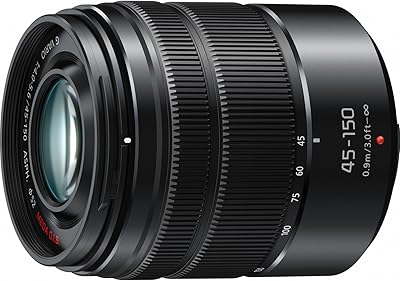
Panasonic H-FS45150AK 45-150mm Mirrorless Lens
80%
83%
Image Sharpness
79%
Autofocus Performance
81%
Optical Stabilization
77%
Build Quality
82%
Video Usability
More
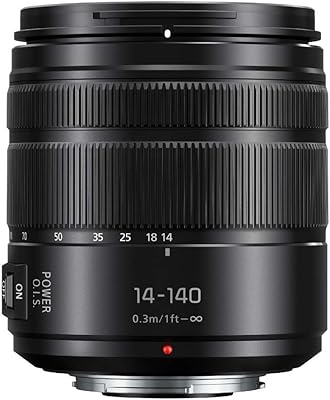
Panasonic Lumix G Vario 14-140mm Zoom Lens
81%
88%
Image Sharpness
93%
Zoom Range Versatility
86%
Optical Image Stabilization
61%
Low-Light Performance
82%
Build Quality & Durability
More
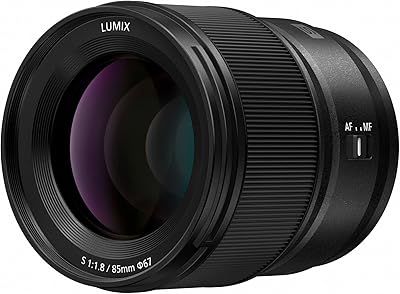
Panasonic LUMIX S-S85 85mm F1.8 Lens
82%
92%
Image Sharpness
84%
Bokeh Quality
71%
Autofocus Performance
83%
Build Quality
74%
Weather Sealing
More
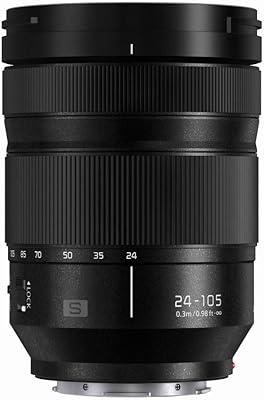
Panasonic LUMIX S 24-105mm F4 Lens
88%
94%
Image Quality
91%
Weather Sealing & Durability
88%
Low-Light Performance
84%
Ease of Use
90%
Stabilization Performance
More
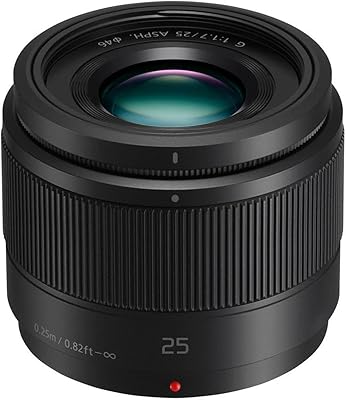
Panasonic LUMIX G 25mm F1.7 Mirrorless Lens
79%
91%
Optical Sharpness
83%
Autofocus Performance
88%
Low-Light Capability
87%
Video Usability
62%
Build Quality
More
Panasonic Lumix G85 Mirrorless Camera
78%
93%
Image Stabilization
89%
Build Quality
84%
Video Performance
71%
Autofocus Accuracy
82%
Image Quality
More
Panasonic S-S35 35mm F1.8 Prime Lens
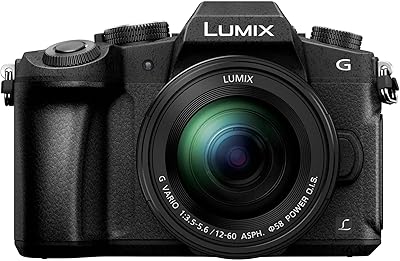
83%
93%
Optical Sharpness
91%
Build Quality
67%
Autofocus Performance
88%
Video Usability
94%
Portability & Size
More
SVPRO 1080P HD Webcam with 2.8-12mm Zoom Lens
87%
88%
Video Quality
91%
Zoom Lens & Manual Focus
85%
Ease of Setup
93%
Compatibility
80%
Build Quality
More
Panasonic LUMIX 8-18mm F2.8-4.0 Lens
89%
91%
Image Quality
88%
Autofocus Performance
89%
Build Quality & Durability
84%
Ease of Use
90%
Video Performance
More

FAQ

Physically, yes — the Micro Four Thirds mount is a shared standard, so it will attach and function on Olympus and OM System bodies. That said, some features like the power zoom speed control and O.I.S. coordination are optimized for Panasonic bodies, and autofocus behavior can be less consistent on Olympus hardware, particularly in lower light. Core shooting functionality works, but the experience is smoother on native Panasonic cameras.

Yes, noticeably so. The motorized zoom mechanism produces very little mechanical noise, and in real-world video tests it does not bleed audibly into recordings made with an on-camera microphone under normal shooting conditions. If you are using a highly sensitive external mic placed very close to the lens, you may catch faint motor hum, but for the vast majority of travel video and event coverage use cases it is genuinely quiet.

It is worth thinking through before you buy. At the wide end you have f/4.0, which is manageable, but as you zoom toward 175mm the aperture falls to f/5.6 — and that happens at exactly the focal length where camera shake is most pronounced and shutter speeds need to be fastest for moving subjects. In good outdoor light this is rarely an issue, but for indoor events, dimly lit wildlife hides, or late-afternoon birding, you will find yourself climbing ISO more aggressively than you might expect.

No — this lens is electronic-only for zoom control. There is no manual zoom ring. You operate the zoom exclusively through the lever on the barrel, and the speed is motorized. If you are used to quickly snapping a manual ring to reframe, the transition takes some adjustment. For stills shooters who want fast, tactile zoom control, this is worth factoring into your decision.

It is a solid choice for casual to enthusiast-level birding, particularly outdoors in decent light. The 350mm equivalent reach gets you close enough for perched birds and slow-moving subjects, and the O.I.S. helps when handholding at longer focal lengths. For fast-flying birds in variable light, the variable aperture and autofocus speed on non-Panasonic bodies become more limiting — but on a native Panasonic body in good light, many birders find it very capable for the size and weight.

For typical outdoor shooting — hiking, travel, wildlife walks in fair weather — the lens holds up well in regular use. It is entirely plastic-bodied, which some buyers at this price tier find underwhelming, and there is no weather sealing, so rain and heavy dust are genuine risks. A few longer-term owners have noted gradual loosening of the zoom mechanism after years of heavy use, so it is not a lens built for rugged professional field conditions, but for enthusiast outdoor use it is generally reliable.

Because Micro Four Thirds has a 2x crop factor relative to full frame, the 45-175mm focal range behaves like a 90-350mm lens would on a full-frame body. That is meaningful telephoto reach — the 350mm equivalent end gets you well into wildlife and sports territory that most standard zoom lenses cannot approach.

Not in any meaningful sense. The minimum focus distance is around 0.9 meters at the wide end, which allows for some moderately close environmental shots, but this is not a macro lens and is not suited for detailed close-up photography of insects, flowers, or similar subjects. If close-up work is important to you, you would need a separate dedicated macro lens in your kit.

There is a small rocker lever on the barrel — push one direction to zoom in, the other to zoom out. The further you press the lever, the faster the zoom moves, giving you some speed control. It is intuitive after a short learning curve, and for video it feels natural once you are used to it. The main adjustment for manual zoom shooters is accepting that there is no instant, full-range snap — the motorized movement takes a moment to traverse the full focal range.

Standard lens care applies — keep the front and rear elements clean with a soft microfiber cloth and lens cleaning solution, use the provided caps when storing, and avoid exposing it to moisture or sand since there is no weather sealing. The collapsing barrel mechanism benefits from occasional gentle cleaning around the barrel seam to prevent grit buildup that could affect smooth extension over time. There are no user-serviceable internal components, so any significant issues should go to a Panasonic-authorized repair center.

Where to Buy