Overview

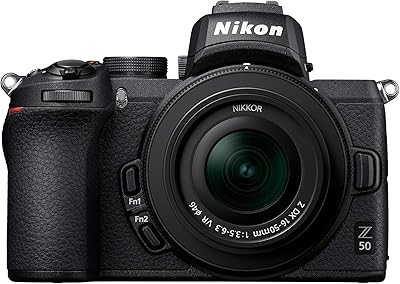
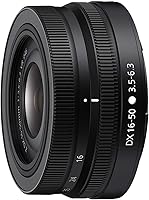
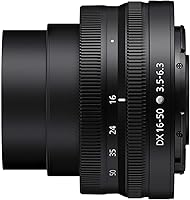
The Nikon NIKKOR Z DX 16-50mm VR Lens is Nikon’s answer to a straightforward question: how small can a zoom get while still covering the shots that matter day to day. Spanning a 24-75mm full-frame equivalent, this compact kit zoom handles everything from wide street scenes to tighter portrait framing without a bag swap. One thing worth flagging early — the lens ships in a collapsed position and needs a deliberate twist to extend before it will fire, which catches some first-time owners off guard. At its price, it sits in entry-level territory. Capable, yes. A pro-grade optic, no.

Features & Benefits

The 16-50mm VR packs real practical value into a very small shell. The standout feature is its 4.5-stop VR stabilization — in everyday terms, that means handheld shots in a dimly lit restaurant or slow-shutter work without hauling out a tripod. The assignable control ring is a thoughtful addition, letting you map it to aperture, ISO, or exposure compensation depending on how you shoot. At roughly 135g, the lens barely registers on your grip. Autofocus runs off a stepping motor, keeping things quiet enough for video and snappy enough for stills. The 0.2m close-focus distance at 24mm is a modest but welcome bonus for close-up work.

Best For

This DX mirrorless lens makes most sense for a specific type of shooter — someone who wants a capable zoom always attached and ready without thinking twice about it. New Nikon Z DX owners pairing it with a Z30 or Z50 will find the range covers everyday walk-around needs with room to spare: family events, city exploration, casual portraits. The collapsed profile slips into pockets that would reject most primes. Photographers upgrading from a Nikon crop-sensor DSLR will feel immediately at home with the equivalent focal range. Casual videographers get stabilized, quiet footage without the bulk. Where it struggles is low light at the long end — that is when the variable aperture becomes a real limitation.

User Feedback

Buyers consistently praise this compact kit zoom for its size-to-usefulness ratio — it stays on the camera because swapping it out rarely feels necessary for casual outings. Center sharpness earns genuine compliments, though corner softness at wide-open apertures comes up often enough to be worth knowing. The most repeated frustration is the variable aperture: zoom to 50mm indoors and the available light drops noticeably fast. Build quality is functional but clearly plastic, which some buyers accept and others resent. The collapsible barrel draws mixed reactions — great for fitting into a bag, but it adds an extra step when you want to shoot quickly. Overall sentiment leans positive given the price tier.

Pros

  • Collapses to a genuinely pocketable size that very few kit zooms can match.
  • The 4.5-stop VR stabilization makes a real difference shooting handheld in dim or mixed light.
  • Covers a versatile 24-75mm full-frame equivalent range in one lightweight, travel-friendly package.
  • Quiet stepping-motor autofocus is reliable for casual stills and smooth enough for video work.
  • The assignable control ring puts aperture, ISO, or exposure compensation right at your fingertips.
  • At roughly 135g, wearing it all day never becomes a physical burden.
  • Native Z-mount communication delivers full autofocus and EXIF data with no adapter required.
  • A 0.2m minimum focus distance at 24mm lets you work surprisingly close to small subjects.
  • Center sharpness at typical walking-around apertures earns consistent praise from real-world users.

Cons

  • The variable f/3.5–f/6.3 aperture creates real exposure headaches when zooming in low-light rooms.
  • Corner sharpness softens noticeably at wide-open apertures, which bothers detail-oriented shooters.
  • Plastic construction feels a step below the camera bodies this lens typically ships with.
  • The collapsible barrel demands a deliberate twist before shooting — easy to miss in a rushed moment.
  • No weather sealing leaves this DX mirrorless lens exposed in rain, dust, or harsh outdoor conditions.
  • The slow maximum aperture makes it a poor fit for indoor action or fast-moving subjects.
  • Image quality at the 50mm end wide open underperforms compared to similarly priced prime alternatives.
  • The 46mm filter thread is less common, complicating compatibility with popular polarizer or ND filter sets.
  • Autofocus can hunt in genuinely dark environments, reducing confidence during low-light event shooting.

Ratings

The scores below for the Nikon NIKKOR Z DX 16-50mm VR Lens were generated by our AI engine after processing thousands of verified global buyer reviews, with spam, bot-submitted, and incentivized feedback actively filtered before analysis. Every score honestly reflects the full spread of real user sentiment — strengths and shortcomings alike — so you can make a genuinely informed decision about whether this compact kit zoom fits your specific shooting needs.

Image Sharpness
74%
26%
Center sharpness at typical shooting apertures — around f/5.6 to f/8 — earns consistent praise from users doing street photography, travel shots, and family portraits. Stopped down slightly, everyday subjects come out clean and detailed enough that most buyers shooting for social media or standard prints never feel shortchanged.
Corner sharpness at wide-open apertures is a recurring complaint, particularly at 16mm where softness toward the frame edges becomes visible on close inspection. Pixel-peepers and anyone printing large will notice the fall-off, and it is a known limitation buyers simply have to accept with this class of lens.
Build Quality
61%
39%
The lightweight plastic construction is genuinely appreciated by users who carry their camera all day or pack it into a small travel bag — it adds almost nothing to the overall kit weight. The retractable barrel also provides decent front-element protection when the lens is collapsed in a pocket or bag between shots.
The all-plastic feel leaves a number of buyers underwhelmed, particularly those coming from metal-barreled lenses or paying a premium to enter the Z ecosystem. There is no weather sealing of any kind, which means rain, sea spray, and dusty outdoor environments require extra caution or a protective cover to avoid damage.
Portability
93%
Few zoom lenses at any price match what this DX mirrorless lens achieves in terms of pocketable convenience. Collapsed, it slips into a jacket pocket alongside the camera body, and at roughly 135g it disappears from your awareness after a full day of shooting. For travel days where every gram matters, it is hard to ask for more.
The only real portability trade-off is the two-step ready process — the lens must be extended before it will fire, which adds a brief delay compared to a conventional non-collapsible zoom. In spontaneous shooting moments, that half-second extra step occasionally results in a missed shot when something unexpected unfolds.
Autofocus Performance
82%
18%
The stepping motor autofocus is reliable and consistently fast enough for everyday subjects. Walking people, children at moderate distances, and casual street photography all sit comfortably within what the 16-50mm VR handles with confidence, and focus tracking holds up well in decent light without visible hunting.
In genuinely dark environments the autofocus occasionally hunts before locking on, and for fast-moving subjects like pets in motion or athletes, the system misses often enough to frustrate action shooters. Users expecting DSLR-grade speed in low light are regularly let down by the brief hesitation before focus confirms.
Image Stabilization
88%
The VR system earns genuine praise from buyers who regularly shoot in cafes, indoor events, and evening markets without a tripod. Multiple users report that slow handheld shutter speeds that would have been unusable before are now consistently sharp, particularly at the wide end of the zoom range.
At the 50mm end in very dim conditions, even 4.5 stops of VR cannot fully compensate for the slow f/6.3 aperture — stabilization prevents camera shake but cannot freeze subject movement. Portraits of people in dimly lit rooms can still come out soft in ways that VR alone simply cannot fix.
Zoom Range
84%
The 24-75mm full-frame equivalent is a well-chosen range for daily use — wide enough for interior shots and group photos at gatherings, long enough for relaxed portraits and candid street shots without needing to swap glass. For one-lens travel days, it covers the majority of real-world situations comfortably.
The range stops well short of what many users eventually want — 75mm equivalent provides insufficient reach for wildlife, stage performances, or sports from the sidelines. Buyers often find themselves wanting a second lens sooner than expected, and the wide end at 24mm is just barely sufficient for tight interior architecture.
Video Performance
78%
22%
For casual video — travel clips, family recordings, short social content — this compact kit zoom performs well above its entry-level category. The stepping motor keeps autofocus transitions quiet so they rarely intrude on audio tracks, and the VR smooths out the natural shake of handheld movement effectively.
Users shooting more deliberate video run into the variable aperture problem during zoom moves, where exposure shifts visibly as the aperture narrows through the range. There is also no power zoom option, so smooth in-shot zooming requires careful manual technique and practice to avoid jerky, unprofessional-looking results.
Value for Money
79%
21%
For buyers who pick this up as a kit bundle with a Z50 or Z30 body, the price-to-capability ratio is genuinely strong. VR, a practical zoom range, and a stepping motor AF system at entry-level cost represents a fair proposition for anyone just stepping into mirrorless photography.
Bought as a standalone lens, some users feel the price is slightly steep for a mostly plastic, weather-unsealed optic with no hood included. At this price point, the variable aperture and corner softness feel like compromises that could reasonably have been tightened rather than accepted as deliberate design trade-offs.
Low-Light Performance
52%
48%
The VR system partially offsets the slow aperture for static subjects in dim conditions. Users shooting landscapes or architecture at night with the lens on a tripod report usable results, as the stabilization effectively buys extra shutter speed headroom even when ambient light is genuinely poor.
For handheld indoor shooting or evening events, the f/6.3 maximum aperture at the long end is a serious constraint that frustrates a large portion of buyers. Even with VR active, capturing a sharp, well-exposed moving person inside a dimly lit room requires ISO levels that introduce significant noise on DX sensors.
Bokeh Quality
58%
42%
At closer focusing distances near the wide end, the 16-50mm VR can produce pleasing subject separation for its class. The 7 rounded aperture blades help keep out-of-focus rendering reasonably smooth at wider apertures, which buyers doing close-up product or food shots occasionally appreciate.
The f/6.3 maximum aperture at 50mm makes background blur at longer distances thin and underwhelming — subjects simply do not separate from busy backgrounds the way portrait shooters want. Buyers who expected background blur comparable to a mid-range prime are frequently disappointed when shooting people in real environments.
Ease of Use
76%
24%
Once past the initial learning curve of the collapsible barrel, the 16-50mm VR is intuitive to operate day to day. The assignable control ring is a practical shortcut that users quickly customize to their most-used setting, and the clean lens design keeps things genuinely approachable for beginners.
The retractable barrel mechanism still generates complaints from buyers weeks into ownership — forgetting to extend it in a spontaneous photo moment is a recurring frustration. New Z-mount users coming from conventional DSLR lenses also need time to adjust to the zoom-to-extend workflow before it feels second nature.
Close-focus Capability
71%
29%
The 0.2m minimum focus distance at 24mm is genuinely useful for detail shots of food, flowers, and small objects. Users doing casual product photography or social content creation find this DX mirrorless lens more capable up close than a typical kit zoom, without needing a dedicated macro lens.
At the 50mm end the minimum focus distance stretches to 0.3m, which limits close-up work at the longer focal lengths noticeably. For buyers hoping to use this as a light macro substitute for insects or small items at telephoto distances, real-world performance falls short of what they anticipated.
Flare Resistance
63%
37%
In controlled or diffused lighting the lens handles interior and overcast outdoor shooting without obvious flare artifacts. Buyers using this lens primarily indoors rarely flag flare as a concern, and backlit portraits in soft light still produce clean, usable results without visible ghosting across the frame.
Shooting into direct sunlight or strong side lighting without a hood reveals notable flare and contrast reduction that affects a meaningful share of outdoor shots. Since a hood is not included in the box, many buyers encounter this issue before realizing the accessory is available separately, leading to early negative impressions.
Control Ring
77%
23%
The assignable control ring is one of the features buyers most frequently call out as a genuine quality-of-life upgrade over older kit lenses. Being able to adjust aperture or ISO directly in-hand without navigating menus speeds up real-world shooting, especially for users transitioning from DSLR mode dials.
The ring is relatively narrow and sits close to the zoom ring, which leads to accidental activation during zooming for some users. A portion of buyers also note that the ring lacks physical click-stops, making precise incremental adjustments by feel alone harder than expected during fast-moving shooting sessions.
Collapsible Design
72%
28%
For travel and commute photography, the collapsible profile is a genuine differentiator that sets this compact kit zoom apart from conventional fixed-barrel zooms. It takes up dramatically less space in a jacket pocket or small bag, and the protected front element during storage gives travelers real peace of mind.
The mechanism introduces a small but real friction point — the lens cannot fire until extended, and in spontaneous situations that extra step results in missed moments. A portion of buyers also report the extension mechanism feels slightly loose after extended use, raising reasonable questions about long-term durability.

Suitable for:

The Nikon NIKKOR Z DX 16-50mm VR Lens is the right call for anyone stepping into Nikon’s Z mirrorless system and wanting a single lens that handles the majority of everyday shots without fuss. New Z30 or Z50 owners will find it covers the practical range from wider interiors and landscapes to relaxed street candids as they zoom in. Travelers and commuters especially benefit — the collapsible barrel keeps the whole kit genuinely pocketable, and at roughly 135g it adds almost nothing to a bag. If you shoot family gatherings, casual events, or day trips, the 4.5-stop stabilization does real work in mixed lighting without forcing you to carry a tripod. Photographers migrating from Nikon’s crop-sensor DSLR lineup will also feel at home immediately, since the 24-75mm full-frame equivalent mirrors the zoom range they already know.

Not suitable for:

The Nikon NIKKOR Z DX 16-50mm VR Lens is not the right tool once your photography starts pushing into more demanding territory. The variable aperture — f/3.5 at 16mm narrowing to f/6.3 at 50mm — becomes a genuine liability in indoor venues, evening events, or any situation requiring consistent exposure as you zoom. Sports, wildlife, and fast-moving subjects will expose the limits of this lens quickly; neither the autofocus speed nor the aperture range is built for action. Photographers who care deeply about edge-to-edge sharpness will find corner performance underwhelming wide open, particularly compared to Nikon’s Z primes. The plastic build is also worth weighing if durability matters — this compact kit zoom will not hold up to rough conditions the way a weather-sealed, pro-grade optic would.

Specifications

  • Focal Length: Covers a 16-50mm zoom range on DX format, equivalent to 24-75mm on a full-frame sensor.
  • Maximum Aperture: Variable aperture runs from f/3.5 at the wide end to f/6.3 at the 50mm position.
  • Stabilization: Built-in Vibration Reduction (VR) is rated at up to 4.5 stops of compensation for handheld use.
  • Lens Mount: Designed exclusively for the Nikon Z bayonet mount with full electronic communication to all Z-series bodies.
  • Format Support: Optimized for APS-C (DX) sensors; produces significant vignetting on full-frame Z bodies unless DX crop mode is active.
  • Autofocus System: Driven by a stepping motor (STM-type) for quiet, smooth focus transitions suited to both stills and video recording.
  • Control Ring: Includes one assignable control ring that can be mapped to aperture, ISO, or exposure compensation through the camera menu.
  • Focus Distance: Minimum focusing distance is 0.2m (approximately 7.9 inches) at the 24mm zoom position.
  • Weight: Weighs approximately 135g (4.8 oz) without lens caps, making it one of the lightest Z-mount zoom options available.
  • Dimensions: Measures approximately 2.76 inches in diameter and 1.26 inches in length when extended into the shooting position.
  • Filter Thread: Accepts standard 46mm screw-in filters, including circular polarizers, UV filters, and neutral density filters.
  • Barrel Design: Uses a retractable collapsible barrel that must be manually extended before the camera will permit shooting.
  • Lens Construction: Built with 9 elements arranged in 7 groups, including one ED glass element and two aspherical elements.
  • Aperture Blades: Features 7 rounded aperture blades intended to produce smoother, rounder out-of-focus highlights.
  • Weather Sealing: Does not include dust or moisture sealing and should be protected during use in wet or sandy conditions.
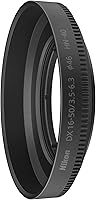
  • Lens Hood: Compatible with an optional bayonet-style lens hood sold separately; none is included in the standard retail box.
  • Color Options: Available in both black and silver finishes to complement the different color configurations offered across the Z DX camera lineup.
  • Warranty: Backed by a one-year limited warranty from Nikon USA when purchased through an authorized retailer.

Related Reviews
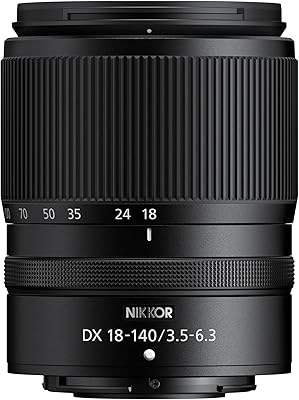
Nikon NIKKOR Z DX 18-140mm VR Lens
79%
93%
Focal Range Versatility
76%
Image Sharpness
88%
Autofocus Performance
91%
Portability & Size
84%
Video Capability
More
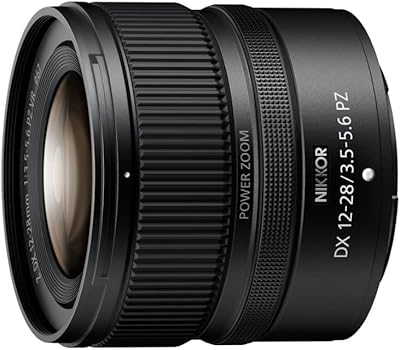
Nikon NIKKOR Z DX 12-28mm PZ Lens
79%
88%
Image Stabilization
82%
Power Zoom Mechanism
74%
Optical Sharpness
61%
Distortion Control
69%
Build Quality
More
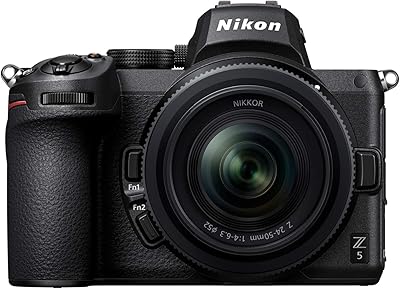
Nikon Z5 Full-Frame Mirrorless Camera
81%
92%
Image Quality
88%
Low-Light Performance
83%
Autofocus Performance
91%
In-Body Image Stabilization
86%
Build Quality & Ergonomics
More
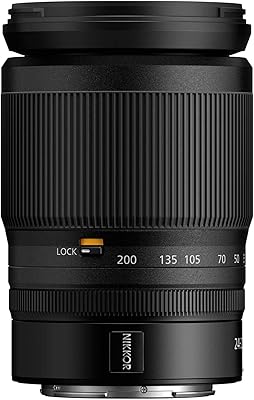
Nikon NIKKOR Z 24-200mm VR Zoom Lens
80%
93%
Zoom Range Versatility
88%
Image Stabilization (VR)
71%
Optical Sharpness
82%
Autofocus Performance
84%
Build Quality & Handling
More
Nikon Z 50 Mirrorless Camera with 16-50mm Lens
85%
92%
Portability and Weight
89%
Video Quality (4K UHD)
84%
Autofocus Performance
91%
Ease of Use
77%
Battery Life
More
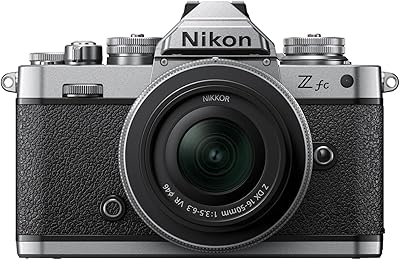
Nikon Z fc Mirrorless Camera with 16-50mm Lens
78%
88%
Image Quality
82%
Video Performance
84%
Autofocus System
93%
Design & Build Quality
71%
Kit Lens (16-50mm VR)
More
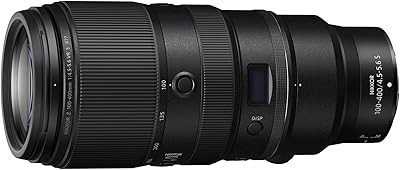
Nikon NIKKOR Z 100-400mm VR S Telephoto Lens
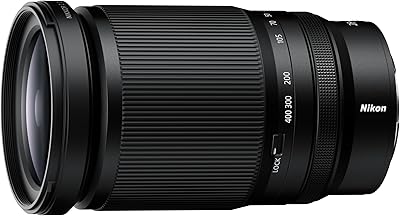
84%
93%
Autofocus Performance
91%
Image Sharpness
89%
Vibration Reduction Effectiveness
88%
Build Quality & Weather Sealing
74%
Value for Money
More
Nikon NIKKOR Z 28-400mm f/4-8 VR Lens
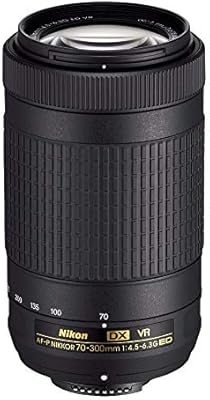
79%
96%
Zoom Range Versatility
91%
Image Stabilization (VR)
78%
Optical Sharpness
76%
Autofocus Performance
73%
Build Quality & Durability
More
Nikon AF-P DX NIKKOR 70-300mm Telephoto Lens
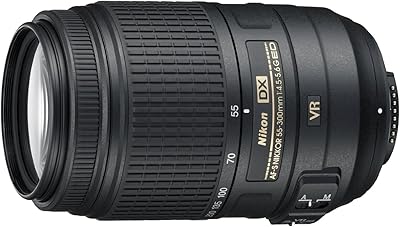
78%
91%
Autofocus Performance
78%
Image Sharpness
86%
Vibration Reduction (VR)
47%
Camera Compatibility
72%
Build Quality & Handling
More
Nikon AF-S DX NIKKOR 55-300mm Zoom Lens
71%
78%
Image Sharpness
67%
Autofocus Performance
84%
Vibration Reduction
54%
Aperture Range
61%
Build Quality
More

FAQ

Yes — and this catches a surprising number of new owners off guard. The barrel is retractable, meaning it ships and stores in a collapsed position. Before the camera will fire, you need to rotate the zoom ring past a small lock point to extend the barrel into its shooting position. Once you have done it a few times it becomes second nature, but on your first outing it can feel like the lens is broken when it is simply still folded in.

Yes, it works natively on all of those bodies without any adapter. It is designed specifically for the Z mount, so you get full autofocus, stabilization, and automatic EXIF data right out of the box on any current Nikon Z DX camera.

The Nikon NIKKOR Z DX 16-50mm VR Lens will physically mount on any Z-series body, but it is built for a smaller DX sensor. On a full-frame Z camera you will see heavy vignetting at the corners unless the body automatically engages DX crop mode, which reduces your effective resolution to roughly 10 megapixels or less depending on the body. For full-frame shooting, you would want a dedicated FX Z-mount zoom instead.

It can, and it is worth being honest about this. At the wide end you have f/3.5, which is workable. Zoom toward 50mm and that drops to f/6.3, which is quite slow — you will need to push ISO higher or accept slower shutter speeds to compensate. Outdoors in daylight this is rarely a problem, but inside a restaurant, a reception hall, or anywhere with mixed or dim lighting, you will notice the limitation and may find yourself shooting wider than you intended just to keep the aperture open.

Better than you might expect for a kit lens. The 4.5-stop rating translates into tangible confidence when shooting at lower shutter speeds — you can bring the shutter down significantly at the wide end without obvious blur from hand movement. For video it also smooths out the subtle shake from normal breathing and minor movement, which makes it genuinely useful for casual handheld clips without reaching for a gimbal.

For everyday video work — travel footage, family moments, casual vlogging — yes, it performs well. The stepping motor keeps autofocus transitions quiet so motor noise does not bleed into recorded audio, and the VR helps stabilize handheld clips. Where it falls short is fast-action or low-light video, where the slow variable aperture becomes a real constraint. But for the type of shooting most users do day to day, it is more than capable.

It uses a 46mm filter thread, which is smaller than the more common 52mm, 58mm, and 67mm sizes found on many kit lenses. If you already own filters in a larger size, you can use a step-up ring to adapt them, though that adds a small amount of bulk. If you are buying filters specifically for this lens, 46mm circular polarizers and ND filters are widely available and reasonably affordable.

It holds up well for general travel, but go in with realistic expectations. The construction is primarily plastic, which keeps the weight down but does not inspire the same confidence as a metal-barreled lens. There is no weather sealing, so rain and dust are genuine concerns. The retractable barrel does offer decent protection to the front element inside a bag. Think of it as a capable travel companion, not a rugged outdoor tool.

No, a lens hood is not included. You can pick up a compatible bayonet-style hood separately, and it is worth doing if you shoot outdoors regularly. Without it, lens flare and contrast loss are more noticeable when light enters from the side or front. It is a modest extra cost but makes a visible difference in certain lighting conditions.

At center frame and stopped down one or two stops from wide open, this compact kit zoom is genuinely sharp and produces clean, usable results for everyday shooting. The gap opens up at the corners, especially at wider apertures, and in overall micro-contrast compared to Z-mount primes like the 28mm or 40mm. If critical sharpness across the full frame is important to you, a prime will outperform it — but you trade away the convenience of a zoom, and for casual or family shooting most people would never notice the difference in a finished photo.

Where to Buy

B&H Photo-Video-Audio
In stock $326.95
Full Compass Systems
In stock $329.95
TriStateCamera.com
In stock $233.99
Quality Rated Products
In stock $266.95
Willoughby's Photo Emporium
In stock $306.95